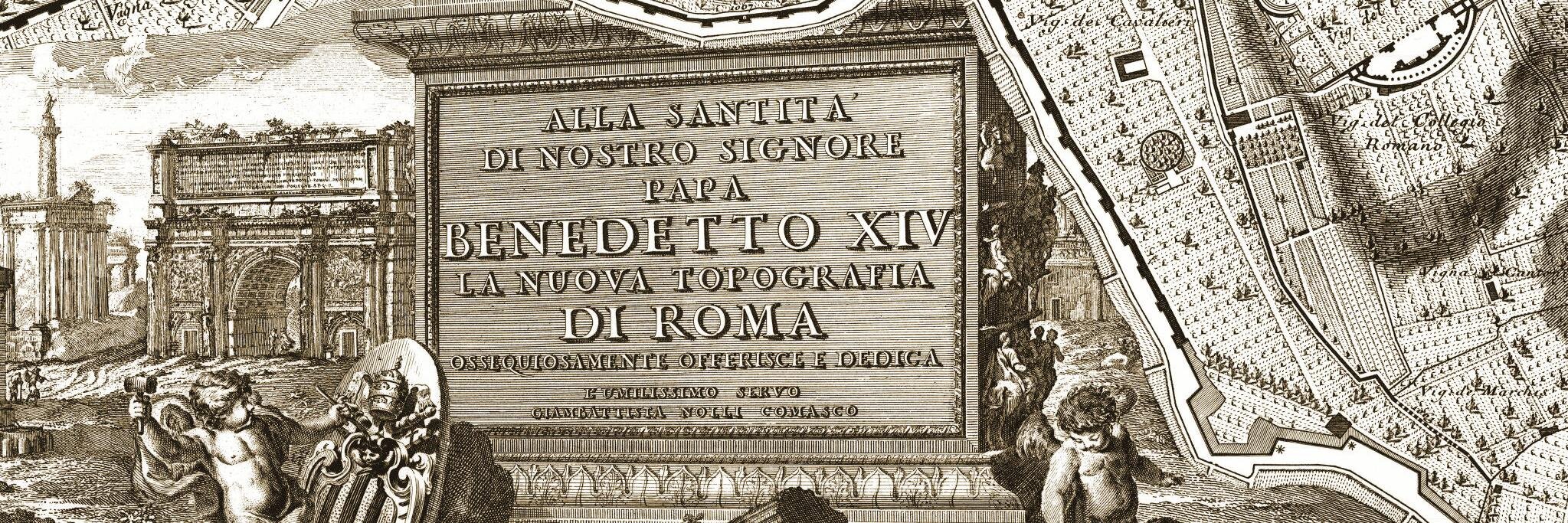
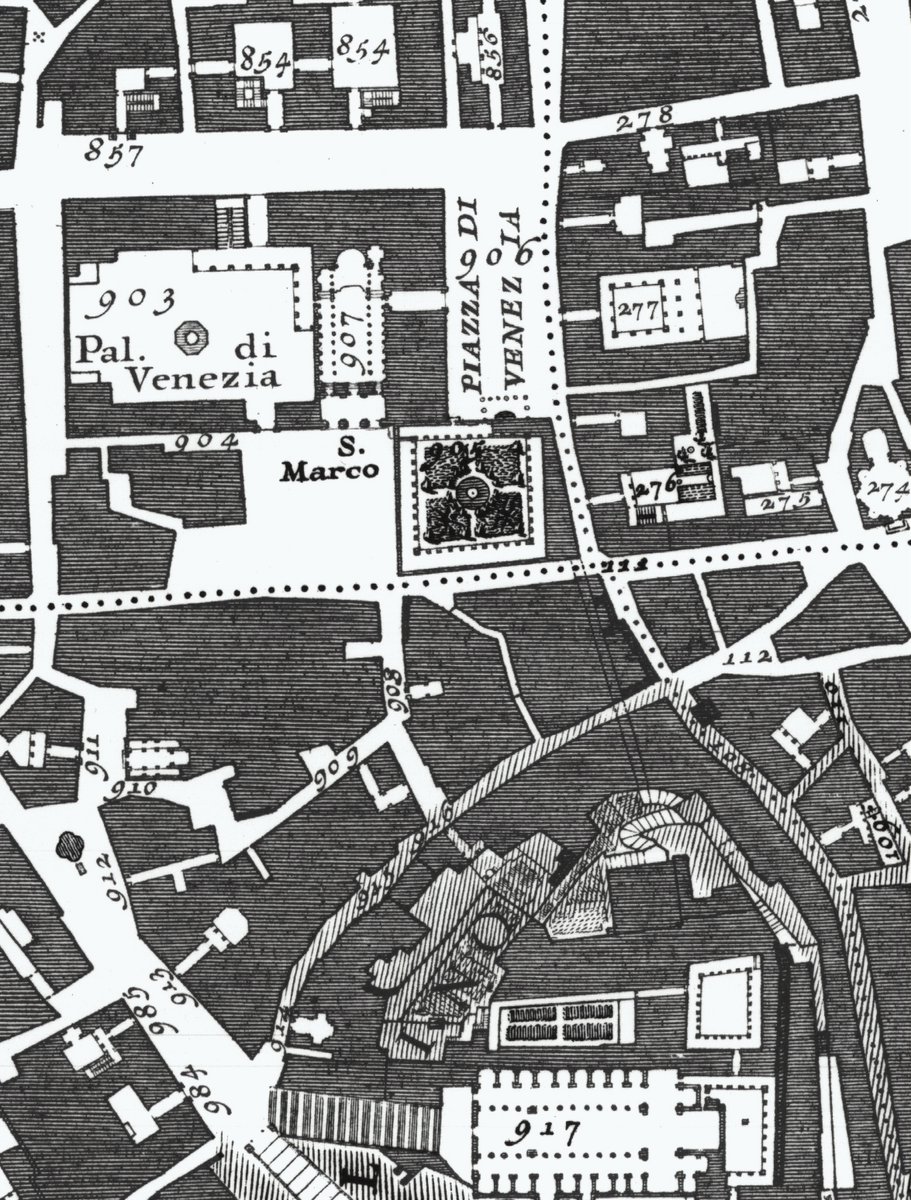
Nolli app for iPhone and iPad. Giambattista Nolli's Great Map of Rome from 1748 goes digital. Experience this masterpiece of mapmaking in the Rome of today.
I have been contacted by someone who owns a complete set of the #Nolli map made in 1975 from the original copper plates. They want to sell it. Interested? https://t.co/9p5wIqi3ar
I propose the following radicalizing exercise for all American youth:
While in High School, draw a "Nolli Map" of your metro area:
1) when your great-grandparents were your age, and
2) now
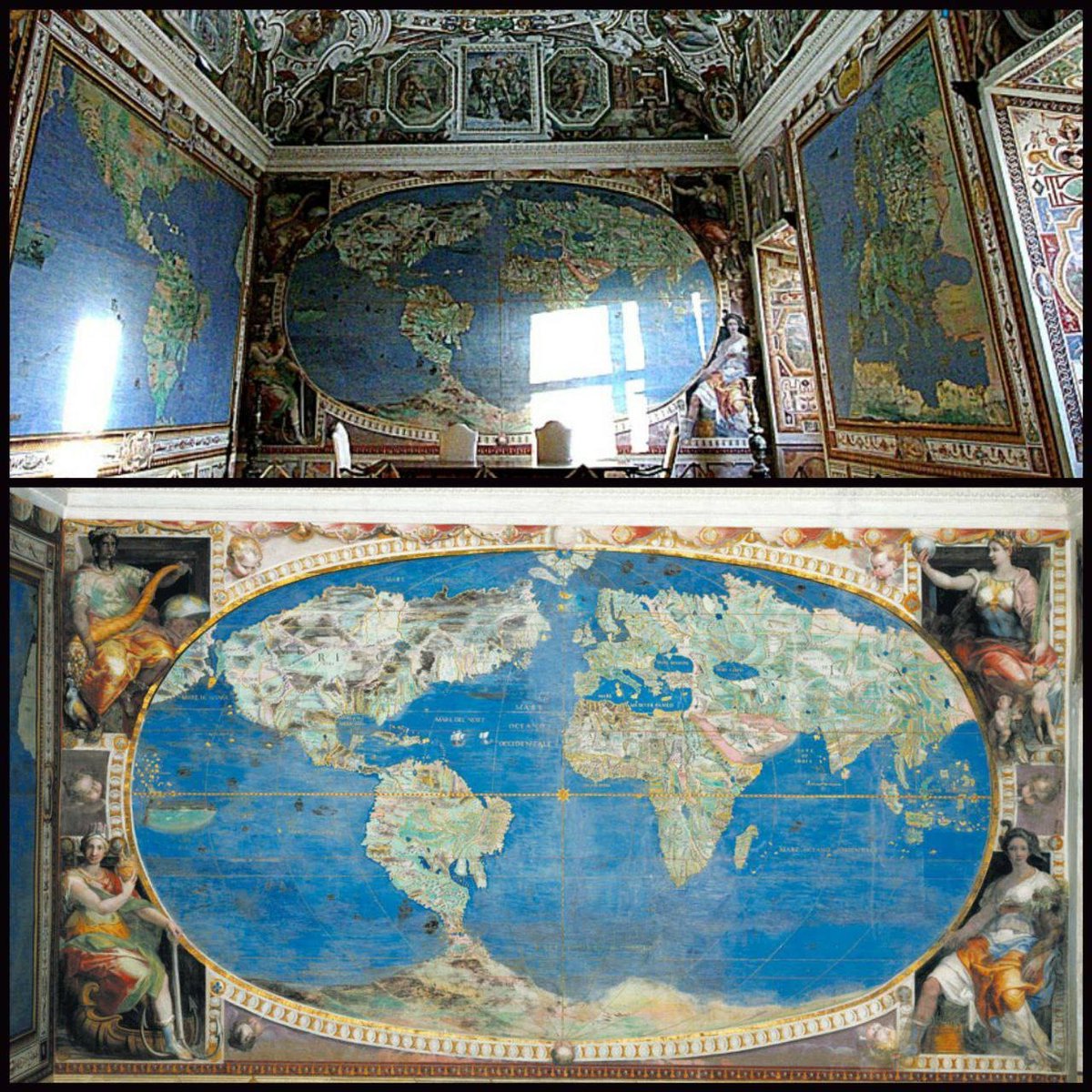
The Palazzo Farnese in Rome was built around 1530. One of the decorations in the painted halls, besides the magnificent frescoes, was a detailed map of the world. The map is incredibly detailed, with riverbeds, cities, ports and landmarks.
It differs from what we are used to with Green Antarctica. on the map can everyone see? Well, Antarctica... A huge single continent made up of two Americas, where South America is connected to the flowering lands of Antarctica. And no Drake Strait🤔
A rare opportunity: We have been approached by the owner of a complete set of 18 sheets of Nolli's Nuova Pianta di Roma, printed in 1975 from the original 1748 copper plates at the Calcografia Nazionale, Rome. Documentation: https://t.co/9p5wIqi3ar
I have been contacted by someone who owns a complete set of the #Nolli map made in 1975 from the original copper plates. They want to sell it. Interested? https://t.co/9p5wIqi3ar
One of my favourite pieces in St Peter’s Square at the Vatican: a statue that first appears to be a beggar, transforming into an angel as you move around it - by Timothy Schmalz.
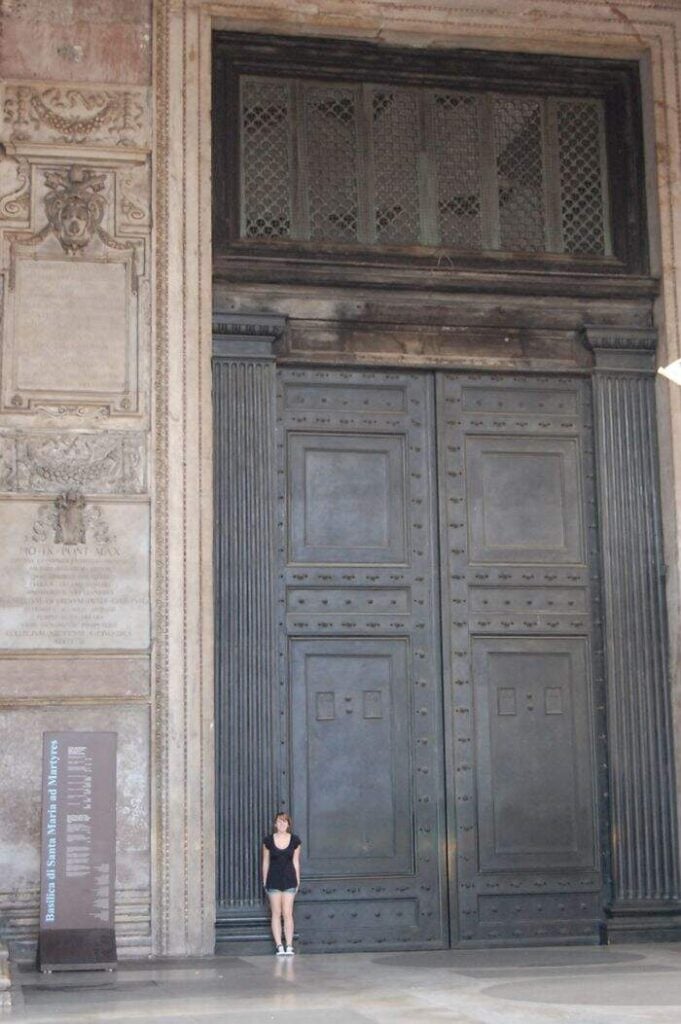
This ancient bronze door, located at the Pantheon in Rome 🇮🇹, is one of the oldest doors in the world. Built between 118-126 AD during the reign of Emperor Hadrian, the door features two solid bronze wings, each weighing 8.5 tons, standing 7.6m high and 2.3m wide. Despite their massive weight, the doors are so well-balanced that they can be easily operated by a single person. Remarkably, the original lock, nearly 2,000 years old, still functions today.
In the heart of Rome, within the awe-inspiring Pantheon, stands one of the world’s oldest and most remarkable doors. This grand entrance was crafted between 118-126 AD during reign of Emperor Hadrian, a time when the Roman Empire was at the height of its architectural and engineering prowess.
The Pantheon’s door, with its two imposing wings, is a marvel of ancient engineering. Each wing, cast from solid bronze, weighs an astonishing 8.5 tons and rises to a height of 7.6m, with width of 2.3m. Despite their immense size and weight, these doors are so perfectly balanced that they can be effortlessly opened and closed by a single person—a testament to the skill of the Roman craftsmen who designed and built them nearly two millennia ago.
But what truly sets this door apart is not just its size or its historical significance, but the fact that it remains fully functional after almost 2,000 years. The original lock, an intricate mechanism forged in the ancient world, still secures the doors today, making it one of the oldest working locks in existence.
As you stand before this ancient portal, you are not just looking at a door—you are gazing into the past, at a piece of history that has withstood the test of time. The door has welcomed emperors, scholars, and pilgrims, its bronze surface worn smooth by the touch of countless hands over the centuries. It is a silent guardian of the Pantheon, bearing witness to the rise and fall of empires, and the passage of time itself.
This door is more than just an entrance; it is a symbol of Rome’s enduring legacy, a relic of an era when the city was the center of the world. As you push open its heavy wings and step into the Pantheon, you are following in the footsteps of history, entering a space where the ancient and the eternal meet.
#archaeohistories
Tourists lie down and sit on travertine marble slabs outside the Colosseum in the new public space designed by Italian architectural firm Stefano Boeri Interiors.
@BBCLondonNews Fascinating that the Rocque map of London (1746) is an almost exact contemporary of the Turgot plan of Paris (1734 to 1739) and the Nolli map of Rome (1736 to 1748).
https://t.co/OEujaErw1C https://t.co/QhWqyNNRrB
Time to revive the tradition of a map room?
cc: @McKayEli