MISSISSIPPI, 1969. White landowners weaponized starvation, evicting Black sharecroppers who tried to vote. Fannie Lou Hamer bought 680 acres of farm land and built an independent Black food system.
In the Mississippi Delta, the struggle for voting rights was also a struggle for economic survival. During the Jim Crow era, Black sharecroppers who attempted to register to vote risked losing their jobs, homes and livelihoods. White landowners used their control over farmland and employment to punish Black families who challenged the racial order. Fannie Lou Hamer knew this cruelty personally. After attempting to register to vote in 1962, she was fired from the plantation where she worked and forced to leave the home where she had lived for nearly two decades.
Rather than allow poverty and intimidation to keep Black families dependent on white landowners, Hamer pursued a different kind of freedom. In 1969, she established the Freedom Farm Cooperative in Sunflower County, Mississippi, beginning with 40 acres of farmland. The project eventually expanded to approximately 680 acres, creating opportunities for poor Black families to grow their own food, raise livestock, build homes and develop economic independence.
The cooperative was much more than a farming operation. It established community gardens, a pig bank, a tool-lending program, affordable housing initiatives and educational opportunities. Families who had been pushed out of traditional agricultural employment could participate in a community built around shared resources and collective ownership. Its produce helped feed more than a thousand families in the surrounding area.
Hamer understood that political rights meant little if families could still be controlled through hunger, unemployment and homelessness. She believed that owning land and producing food were essential parts of genuine freedom. Her work connected the fight for civil rights with food security, economic justice and Black land ownership.
The Freedom Farm Cooperative eventually faced financial difficulties, natural disasters and other challenges, closing in the mid-1970s. But its significance went far beyond the years it operated. Fannie Lou Hamer demonstrated that the struggle for equality was not only about being allowed to vote. It was also about having the land, resources and economic power to live independently and with dignity.
Terry Francona says Michael Jordan never accepted being told no when he managed him in the minor leagues, and says he wanted to win at anything and everything including Yahtzee
“Well, in Sarasota, when I was with the White Sox as a Double-A manager, we used to meet at 7:00am every morning, in this trailer, and you go over the day. I was kind of half asleep, and all of a sudden I heard, ‘Michael will be assigned to the Birmingham work group.’ My life changed like that. I went from just being happy that our games were on the radio, and I didn’t know it at the time, but it was probably the greatest learning experience I’d ever been put in.”
“And then when he was going to play in the fall league, I had already been in the fall league, so they wanted to kind of keep it, but he said, ‘I want him.’ I think he knew I knew the lay of the land, and I had learned how to navigate his life. He was great, man. I’m telling you, the first thing I told him, I said, ‘Michael, you’ve got to respect the game of baseball.’”
“And I kind of explained to him how much money these kids weren’t making. You’d have a hard time getting me to say something negative about him. He was awesome. But so much of baseball is repetitive, year after year after year.”
“You can be the greatest athlete, but to try to jump in, unless you’re Bo Jackson, it’s really, really hard. When I get asked if I could have made Michael a legitimate major league starter, the way I’ve always answered it is, you need to get a thousand at-bats under your belt before you can even make a determination. He had about four or five hundred. I also found out when you tell him no, he’s going to find a way to make the answer yes.”
“And that’s not just baseball. That’s ping-pong, tennis, golf, I don’t care, Yahtzee, you name it, man. He’s going to try to beat you. He’s going to find a way.”
Today marks the 𝟱𝟱𝘁𝗵 𝗮𝗻𝗻𝗶𝘃𝗲𝗿𝘀𝗮𝗿𝘆 of 𝗙𝗿𝗮𝗴𝗶𝗹𝗲, the fourth studio album by 𝗬𝗲𝘀 and the first to feature 𝗥𝗶𝗰𝗸 𝗪𝗮𝗸𝗲𝗺𝗮𝗻. The album remains one of the most influential works in progressive rock history.
-
What is your favorite track from the album?
Also…losing my breath about what an underrated pianist Aretha was. Just look at her comfort and command. Was 22 here. She could play whole concerts accompanying her band on keys, not just a little tinkle tinkle.
Shaq: "If you have a person you haven't talked to. Make sure you reach out. My sister passed away and I forgot to tell her I love her. Kobe passed away and I forgot to tell him I love him. And now my daddy Dale is gone and I forgot to tell him I love him"
Two years before both of their assassinations, Medgar Evers [standing at left] and JFK with other civil rights leaders, Yellow Oval Room, upstairs at White House, 1961:
A Vet Day and Mississippi’s first Black Senator story.
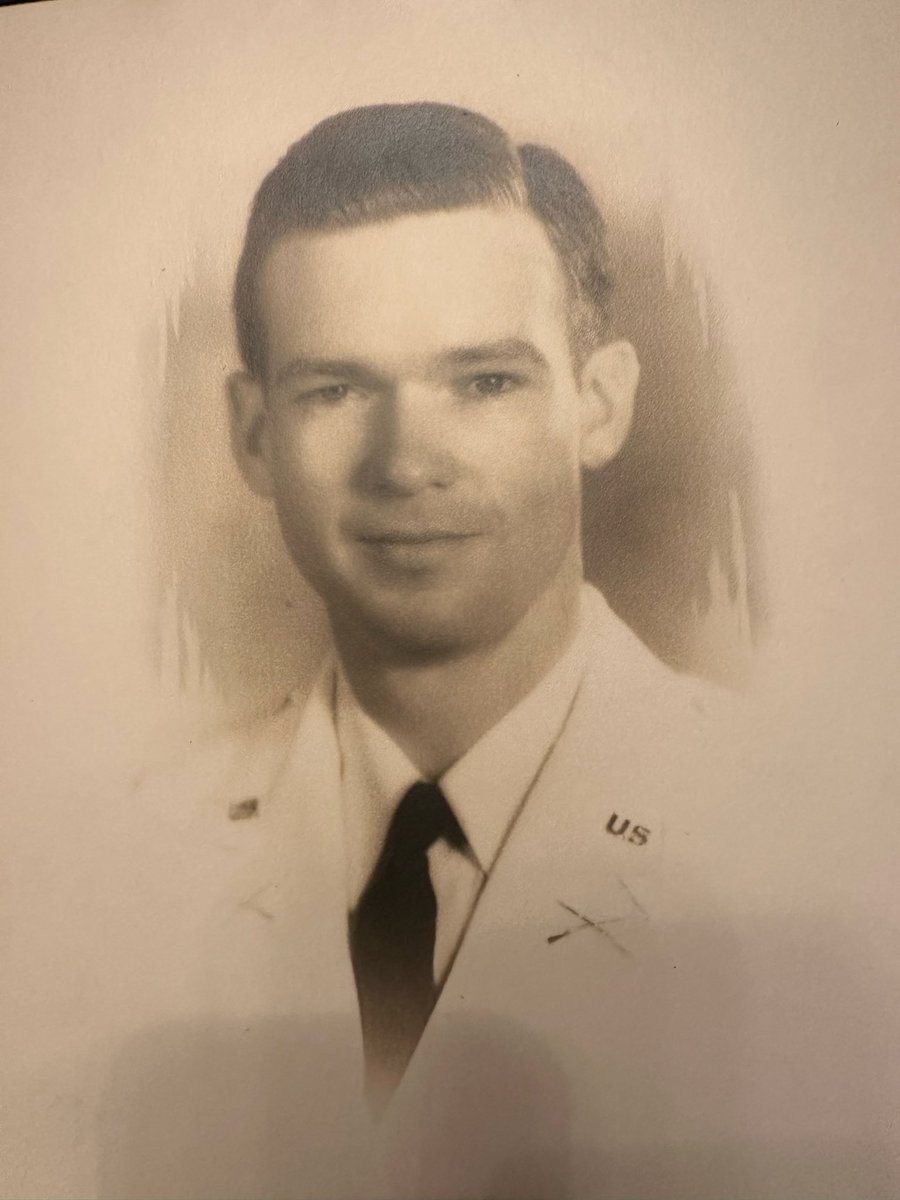
My Uncle Frances was a 1st Lt. who was shot multiple times fighting in France. Never fully recovered. Came back to Mississippi and became a civil rights lawyer.
He later taught at Antioch Law School where he had @scott_colom mom and dad as students. They met at Antioch.
I was talking to Scott’s dad the other day and he was saying how much my Uncle Francis would have loved this moment.
The Colom family story is America at its best. Scott’s grandmother was a civil rights worker in Ripley, Ms. his dad co-founded the Innocence Project with John Grisham. His mom is the first Black female Chancery court judge in Ms.
And now Scott is a US Senator.
Congratulations @scott_colom. The people of Mississippi have realized their power and there's no going back. Scott, welcome to the fight. Let's get to work.
At 16, Brian Banks was one of the best high school linebackers in America. USC had offered him a full scholarship. Pete Carroll personally called him.
One afternoon at school he made out with a classmate. Consensual. By the end of the day he was in jail, charged with kidnapping and rape.
She said he dragged her into a stairwell. It never happened.
The DNA came back negative. His mother sold her house and her car to pay for a lawyer.
He couldn’t make bail. He spent a year behind bars waiting for trial.
His lawyer told him: plead no contest, or risk 41 years in prison. He was 17. He took the deal.
He did 5 years in prison. Then 5 more on parole. Registered sex offender. GPS monitor on his ankle. Couldn’t go near schools or parks. No one would hire him.
Meanwhile, the girl and her mother sued the school district for not keeping her safe. They won $1.5 million.
In 2011, a Facebook friend request popped up on his screen.
It was her.
She wanted to “let bygones be bygones.”
Brian went to a private investigator. They hid cameras in the office and invited her to talk. She came by bus.
On tape, she admitted it. He never raped her. He never kidnapped her.
Then she said she still wouldn’t tell prosecutors the truth. Because she’d have to give back the money.
In May 2012, a judge cleared his name. The hearing took less than a minute.
10 years of his life. Gone in one lie. Erased in 60 seconds.
A few days later his phone rang. “I’m looking for a linebacker. You know where I can find one?”
It was Pete Carroll. The same coach who recruited him 10 years earlier.
He finally signed with the NFL’s Atlanta Falcons. At 27. The dream he had at 16.
She was ordered to pay $2.6 million back.
What should happen to someone who steals 10 years of your life with one lie?
We may have had to count One Mississippi, Two Mississippi, but Blue Mississippi sure has a nice ring to it! Scott, you put your heart and soul into this race because you believe in the promise of your state’s people. And they believed in you right back. I’m honored to have stood alongside you. Congratulations!