23-year-old Daniel Cressy just became the first person in Louisiana to be functionally cured of sickle cell disease through gene therapy https://t.co/snRE0wOGaP
"South Africa continues to face one of the highest SME failure rates globally, with an estimated 70 to 80% of small businesses failing within five years."
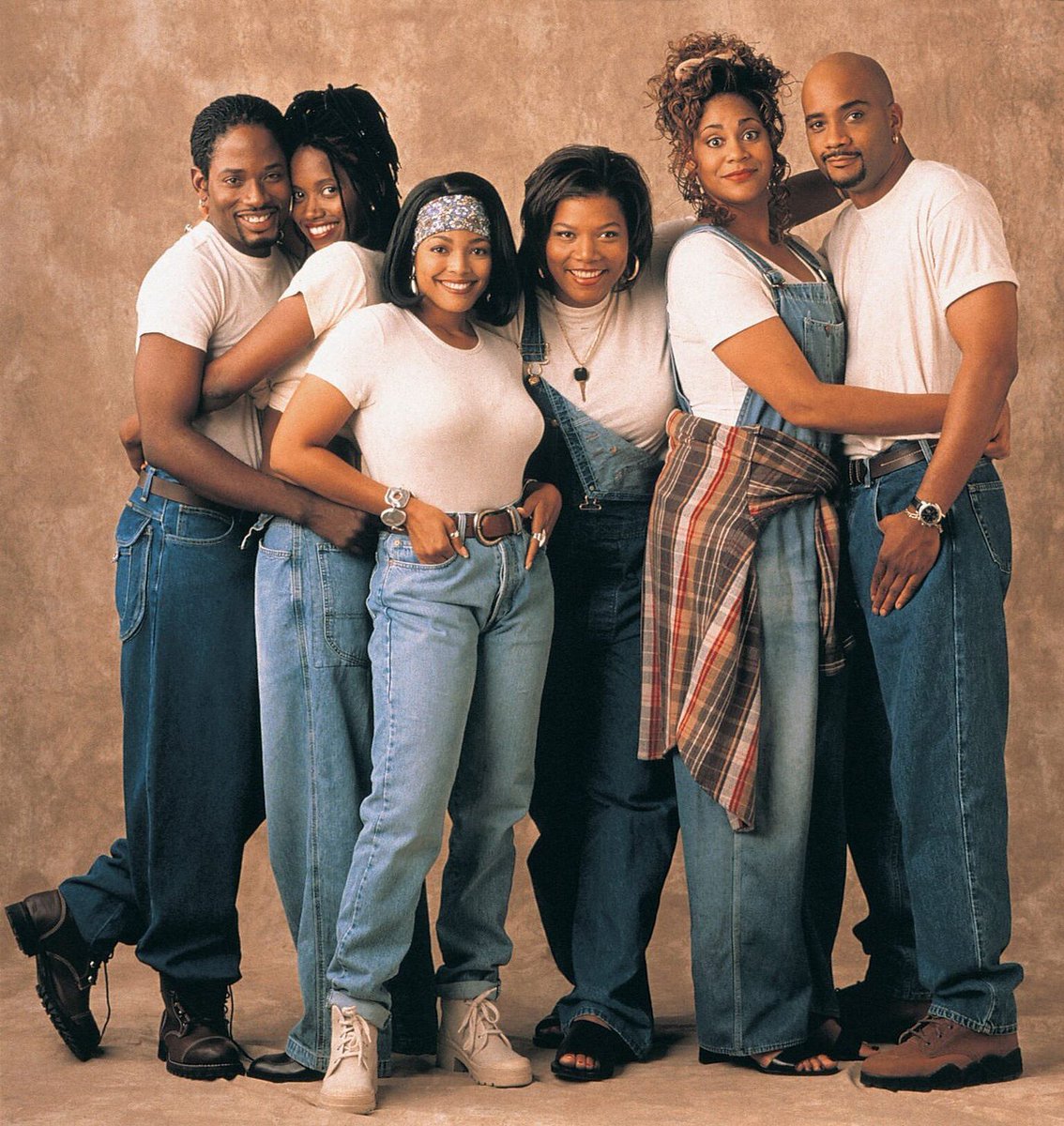
Big shoutout to the creators and cast of Living Single for setting the standard and creating the blueprint.
It doesn’t get the credit it deserves, especially when others ran with the formula *cough* FRIENDS
Gauteng health authorities raise alarm after 414 malaria cases and 11 deaths in early 2026 surge, warning returning travellers drive infections across province amid escalating public health crisis alert continues.
#GautengHealth#Malaria#SouthAfrica#HealthAlert#PublicHealth
Read more here: https://t.co/eq0csP2eqy
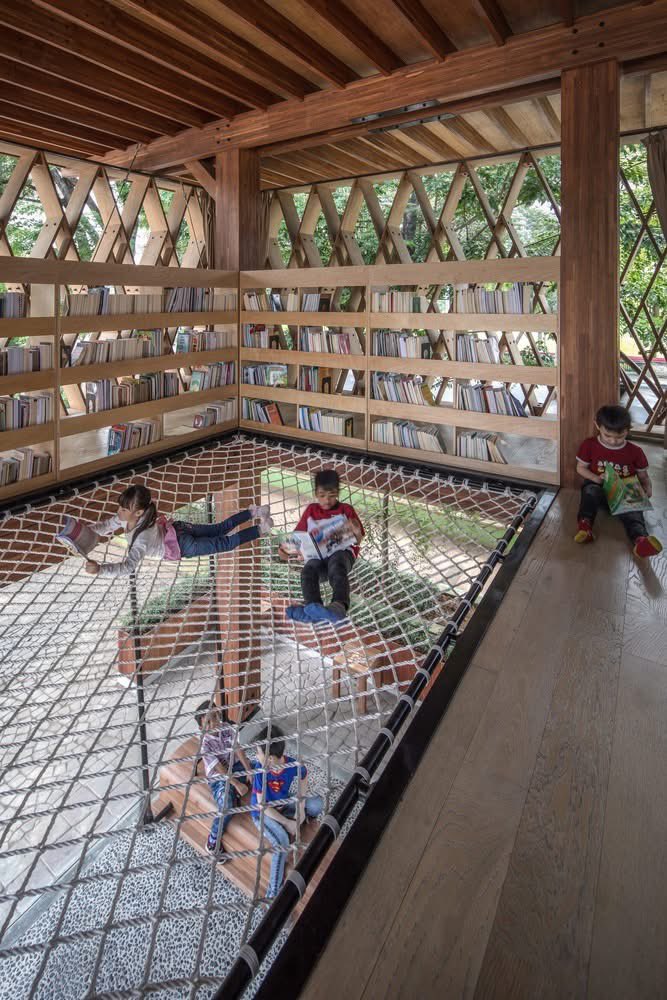
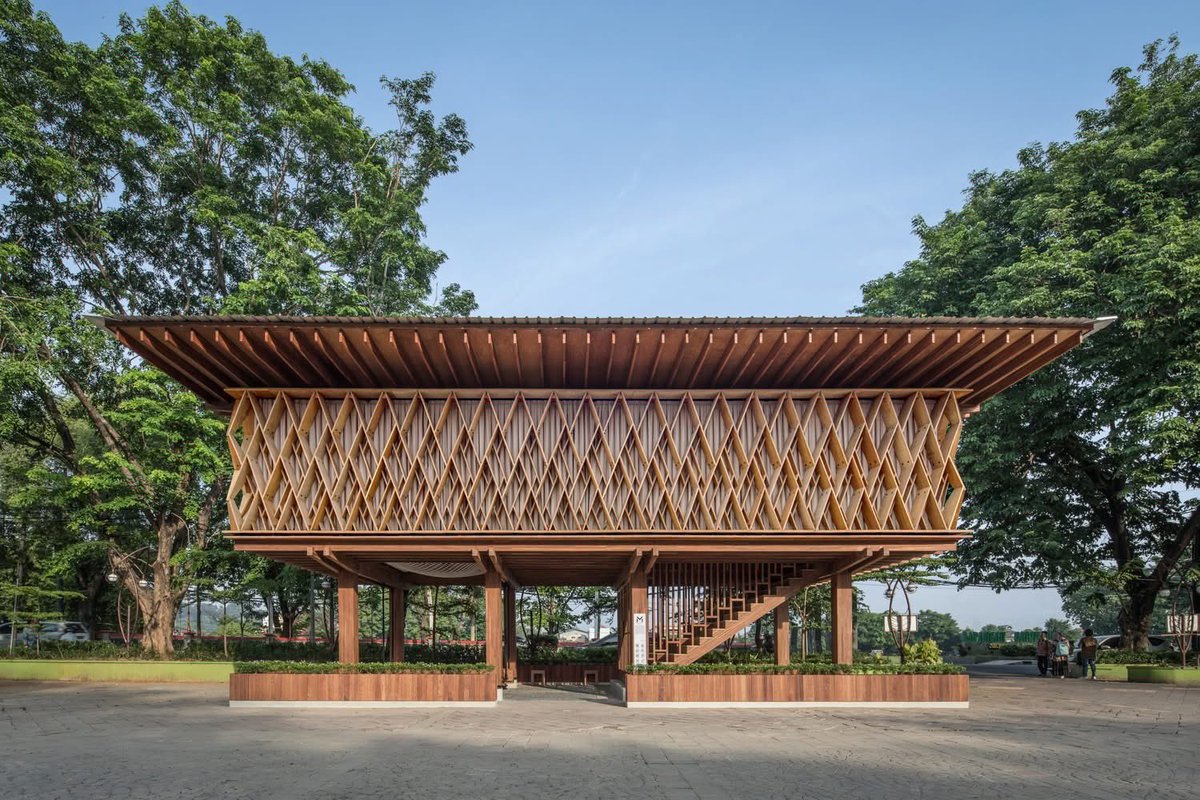
Indonesia built a free public library from engineered timber raised on stilts, a direct translation of the traditional rumah panggung. Burundi built Africa’s specialist arts library from soil dug on the same site it stands on.
Two different continents. Two different materials. The same idea, that a community deserves beautiful public infrastructure built from what the land already offers.
The Microlibrary Warak Kayu in Semarang doesn’t charge entry. It has a hammock net where children read suspended above the ground floor. The architecture is the programme.
Africa is not short of land, timber, or earth. It is short of the decision to use them.
📍 Semarang, Indonesia 🇮🇩
🏛 SHAU Indonesia
📷 KIE
Africa’s most honest architecture is increasingly coming from its women.
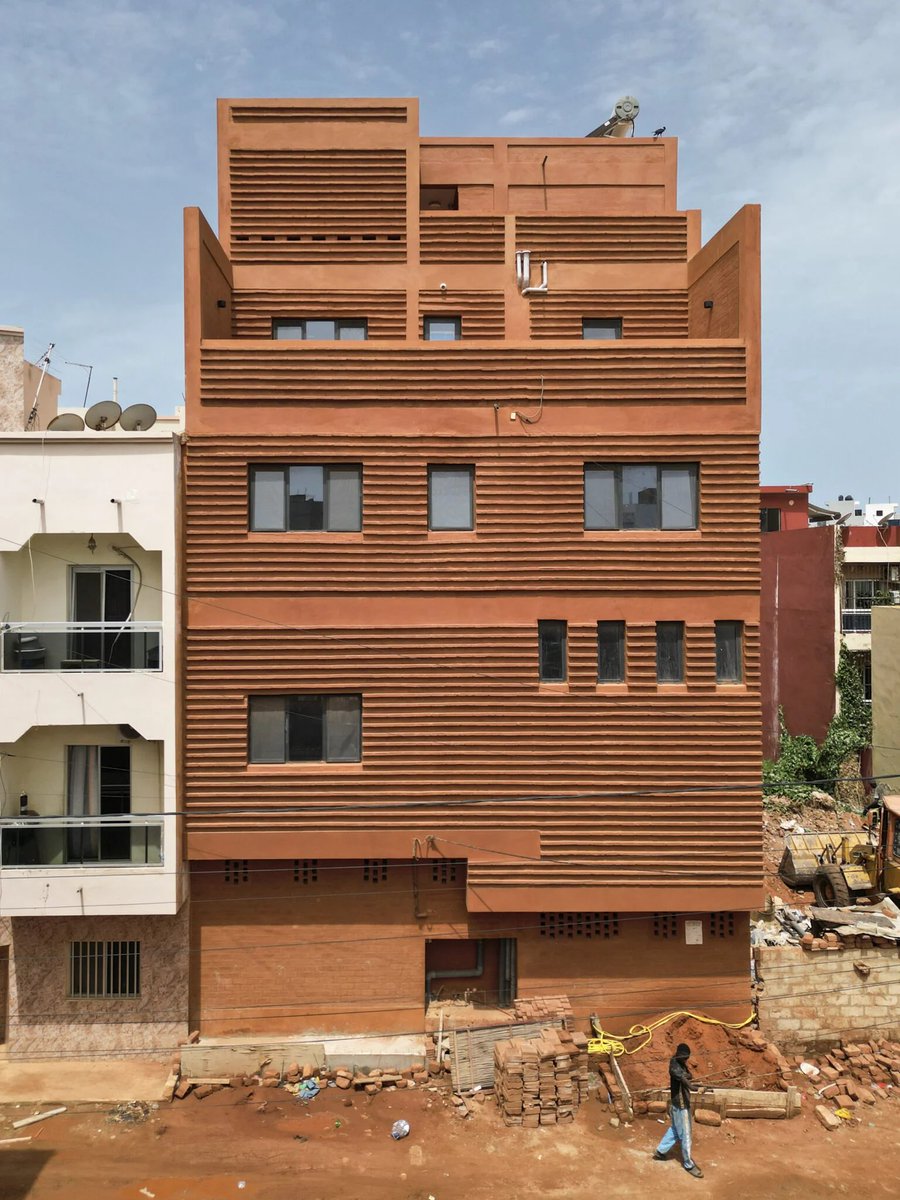
Nzinga B. Mboup grew up between Mozambique, Cameroon, South Africa and Senegal. She saw what colonial urbanism did to African cities. Then she decided to build differently.
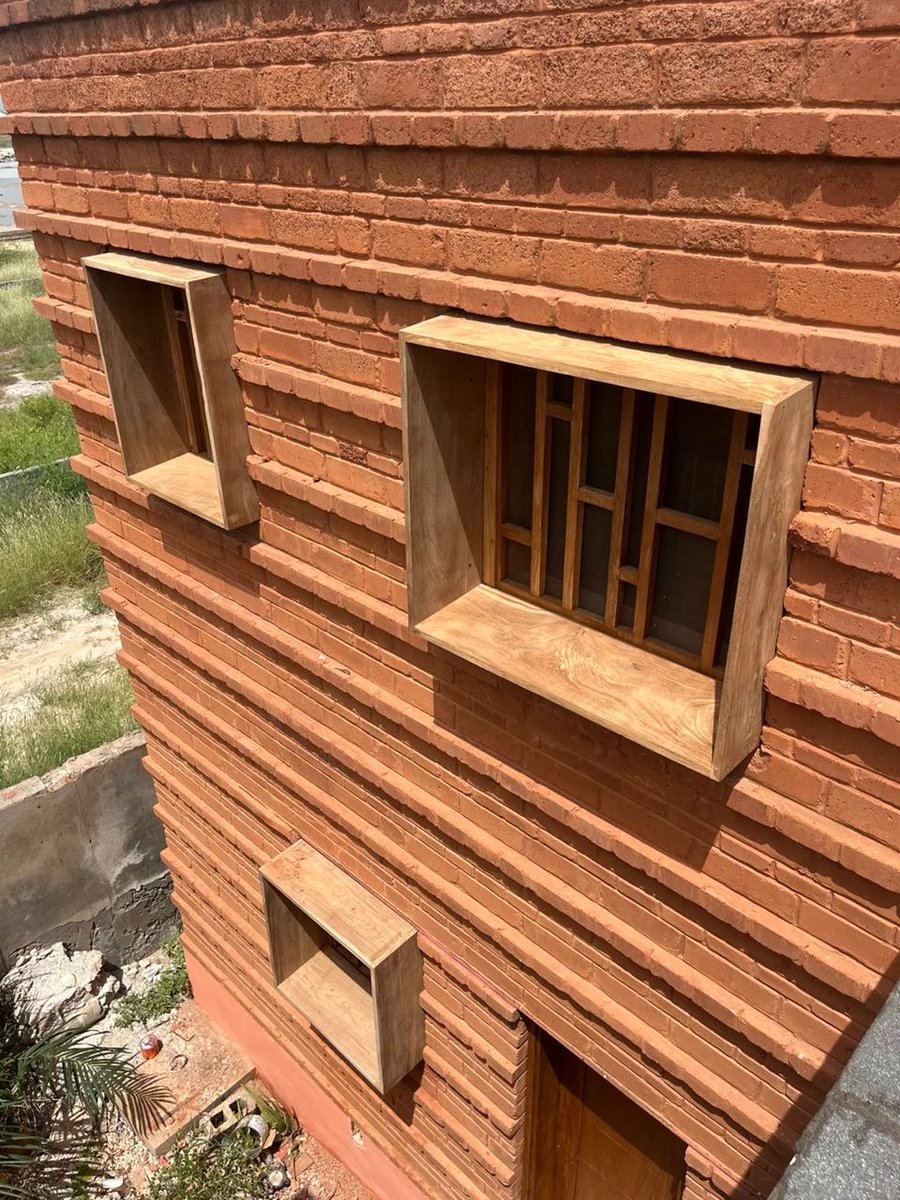
Her practice Worofila works with compressed earth bricks, typha plant fiber, and self-supporting earthen vaults, materials that have kept people cool in West Africa for centuries. In Dakar, where concrete dominates because it’s cheap and politically convenient, that is a radical act.
She puts it plainly: “Why did we ever stop building with earth?”
Nobody has a good answer.
Nzinga B. Mboup | Worofila | Dakar, Senegal 🇸🇳
Mpumalanga province is also home to the Lyndenburg Heads from the Iron Age (circa 500 CE) 🇿🇦
ANCIENT HISTORY LESSON!!! 📜🛖🌍
The story of our heritage is often told through the vast landscapes and ancient rock art, but only few artifacts capture the complexity of our early history as vividly as the Lydenburg Heads. The seven terracotta sculptures, which are dated to 500 CE (approximately 1500 years ago), represent some of the earliest known examples of Iron Age art in South Africa.
More than just pottery, they serve as silent witnesses to the sophisticated cultural and ritual lives of the Bantu-speaking farming communities that had settled in the Mpumalanga region nearly fifteen centuries ago.
The discovery of these artifacts is as remarkable as the heads themselves. In 1957, ten year old Karl-Ludwig von Bezing stumbled upon pottery fragments while playing on his family’s farm near Lydenburg. It was a discovery born of childhood curiosity that would also eventually reshape South African archaeology.
Some years later, after meticulously gathering more shards, Karl-Ludwig von Bezing brought them to the University of Cape Town. Under the care of experts, the fragmented clay was reconstructed into seven distinct heads, revealing a level of craftsmanship and symbolic depth previously unrecorded for that era in the region.
Physically, the heads are divided into two distinct sizes. The two larger sculptures are large enough to have been worn as helmet masks, likely by a child or adolescent, while the five smaller heads were designed with holes at their base, suggesting they were once mounted onto poles. Each head is hollow, crafted from local clay, and adorned with intricate "appliqué" work.
The features - eyes resembling cowrie shells, prominent ears, and lips - are formed from thin strips of clay. One of the most striking details is the presence of incised neck rings, which many historians believe may signify beauty, wealth, or even high social status within the community. While six of these heads bear human-like features, one of them possesses a more zoomorphic appearance, often interpreted as a lion, symbolizing a possible link between human leadership and animal power.
The cultural significance of the Lydenburg Heads lies in their likely role as ritual instruments. Because they were found buried in a sacrosanct pit - a common practice for "decommissioning" sacred objects - archaeologists believe they were used in initiation ceremonies or rites of passage.
These ceremonies were pivotal moments in early Iron Age societies, marking the transition from childhood to adulthood or the induction of members into secret societies. The heads were not merely decorations; they were likely imbued with spiritual authority, used to teach moral lessons or represent ancestral spirits during dance and performance.
Today, the Lydenburg Heads are celebrated as national treasures. While the originals are preserved at the Iziko South African Museum in Cape Town, their legacy remains rooted in the valleys of Mpumalanga.
They provide undeniable proof of a thriving, artistic, and socially complex society that flourished long before the modern era. Through these clay sentinels, we gain a rare and intimate glimpse into the spiritual and social foundations of South Africa’s deep past.
I read this article a while back, it mentioned : "A study of over 200 pairs of twins in whom there was an autism diagnosis revealed that environmental and lifestyle factors were
a far greater contributor to ASD diagnosis than heritability".
I don't object the age factor too.
I’ve noticed this, not sure if it has anything to do with age. Two years ago I met a lady, she’s my age, started having kids after 40 and both kids are autistic. Another gent who had kids in his 40s, all 3 kids are autistic. I think the risk factor is always there.