In honor of today’s semifinal, a look back at two iconic pieces of World Cup history.
The official posters from Spain ’82 and France ’98.
A reminder that the beautiful game has always inspired beautiful art.
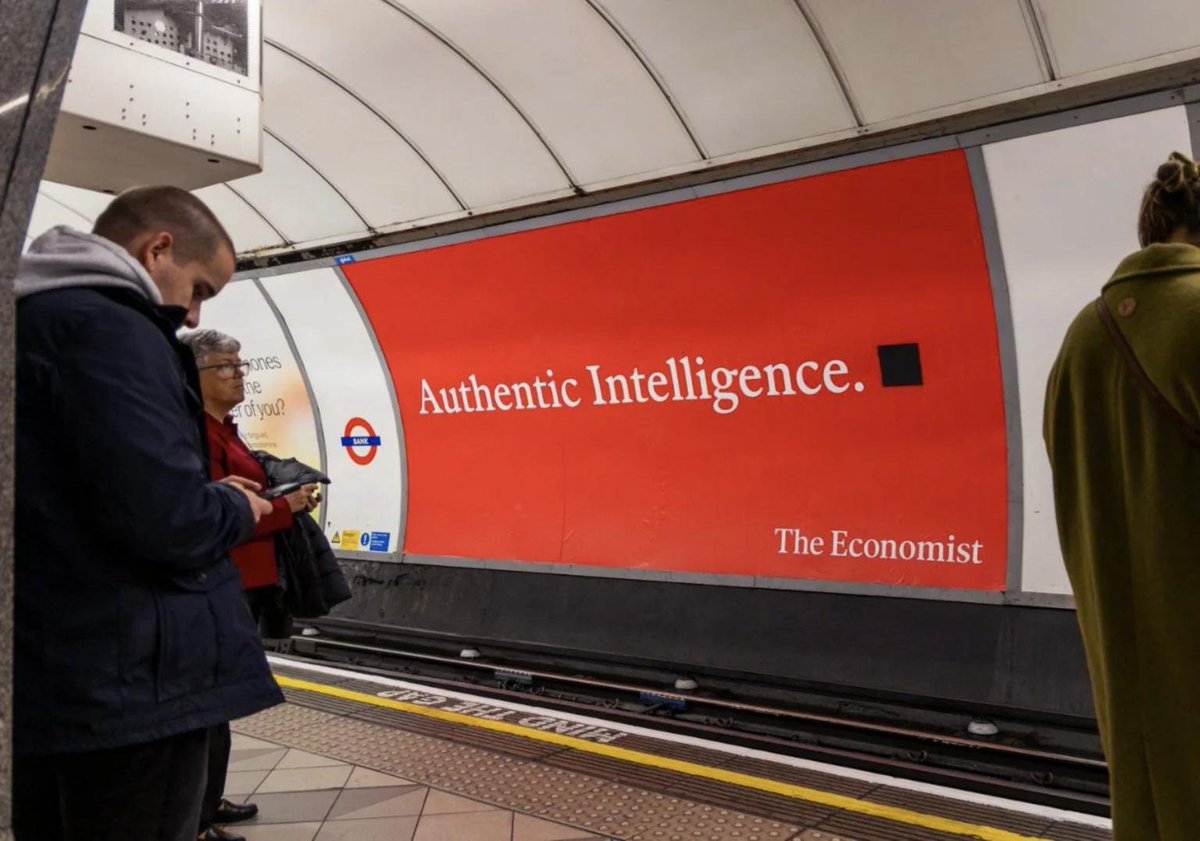
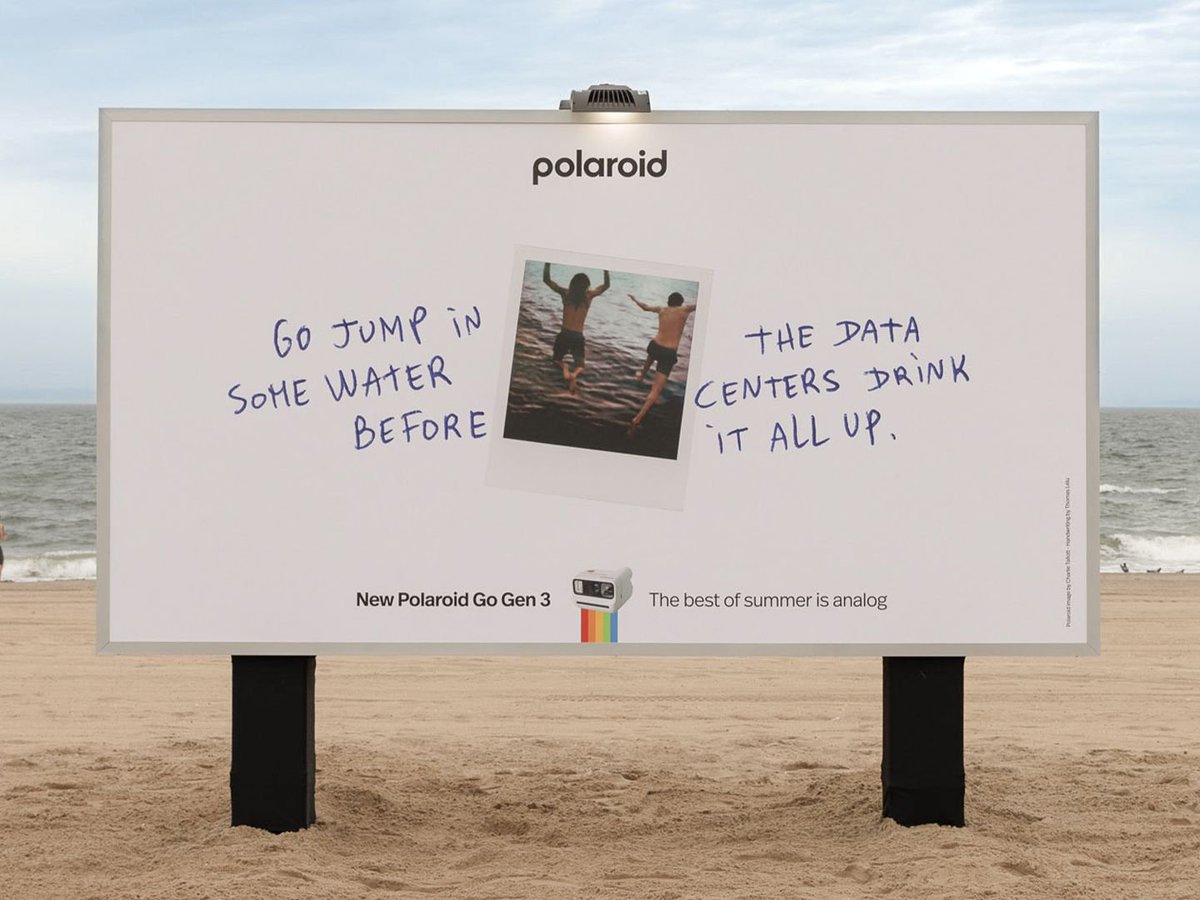
AI fatigue is becoming a brand angle.
Polaroid says go touch grass.
The Economist says go touch your brain.
Different entry points, same bet: sell trust by standing against the machine.
The biggest barrier for AI companies right now is legitimacy.
Anthropic knows its technology will shape how people work, learn, teach, care for one another, and participate in public life.
So this campaign asks for permission.
Permission to reshape how we work, learn, and live. And trust that the people building these systems understand what’s at stake.
You’re not treated like a customer, you’re treated like a stakeholder in what AI becomes.
That’s a very different kind of marketing.
World Cup advertising usually boils down to:
“Here’s a famous athlete holding our product.”
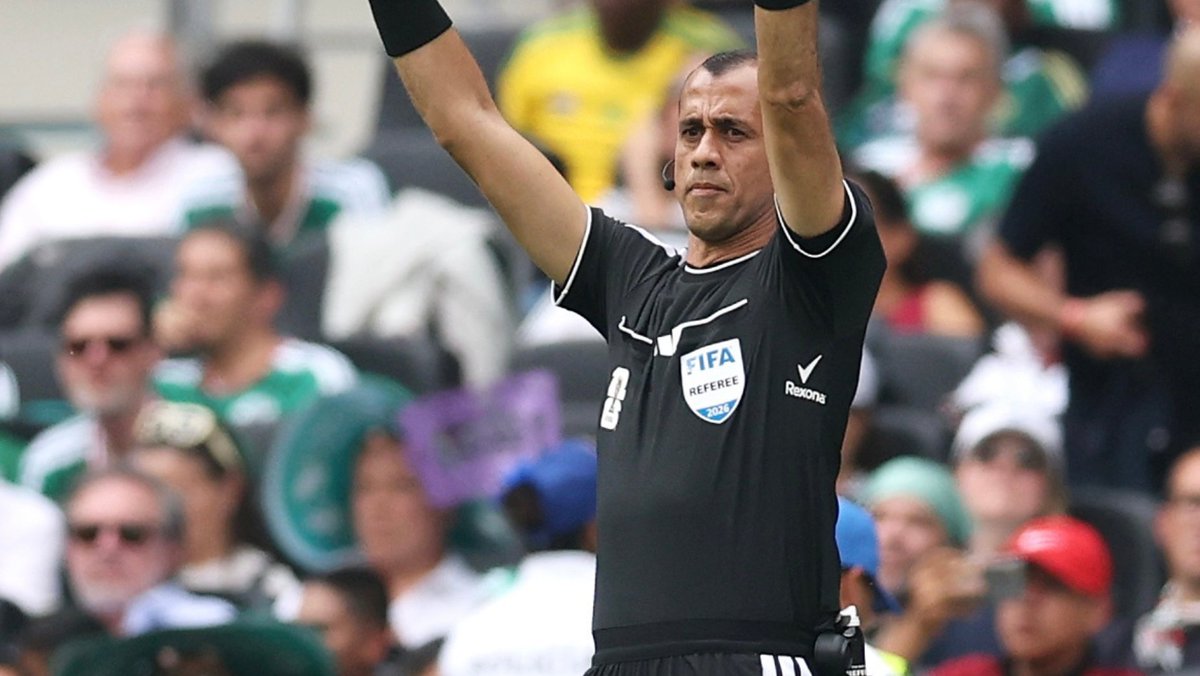
Then Rexona did this.
Instead of buying perimeter boards, Rexona bought the referee’s armpit.
The more AI fills the internet, the more valuable human signals become.
Human-made.
Human-curated.
Human-endorsed.
Reddit has been accumulating those signals for two decades.
Jersey prices keep climbing. Fans feel priced out of their own national team.
Águila solved it by letting fans choose the price. Bigger logo, bigger discount.
A smart creative hack that turned fans into willing brand partners.
From Our Feed | This week:
Italian poet and scholar Tommaso Di Dio breaks down Kendrick Lamar’s writing using the language of poetry.
He interprets Kendrick’s lyrics through a literary lens, using historical comparisons to examine his tone, rhythm, and structure.
Worth your time.
Loyalty programs have historically rewarded spending.
Now, we’re seeing brands reward consumers for their attention.
@Spotify's new Reserved feature turns listening history into early access for concert tickets.
Attention is starting to become a redeemable asset.
This makes sense if you’ve been following the recent nostalgia (and subsequent memeification) around physical media.
The developers confused in the comments probably aren’t consuming the same trends/discourse as the marketing team that came up with this.
Know your audience.
Constraint has always been one of creativity’s greatest collaborators.
It forces you to stop competing on the obvious.
Which is why sports photographer @Flo_Pernet's World Cup photographs stand out.
Unable to shoot from the pitch, she turned her camera toward the television instead.
While everyone else documented the same moments from the sidelines, she found an entirely different frame.
A lot of 2026 design language is moving toward proof of life.
Flash that feels too close.
Layouts that feel handled.
Texture that interrupts the screen.
Images that carry a point of view before the copy has to explain it.
The image is doing more of the strategy.
IKEA Canada found a clean way into World Cup attention without borrowing official World Cup assets.
National flags, all assembled from existing IKEA inventory.
The transitions snap together like an IKEA build, so even the motion feels like part of the assembly experience.
It works because the same image can be read three ways: as a flag, as a room, and as a shopping list.
The chopstick has been in continuous use for 5,000 years.
Coca-Cola knew they couldn’t compete with that, so they became it.
When a ritual is already ingrained, the opportunity isn’t to replace it.
It’s to find a role within it.
With a modest budget and limited media spend, The Dad Shift leaned on its most valuable asset: its community.
The campaign gave people a visible way to express something they already felt.
Participation became a statement.
Every sticker placed, photo taken, repost, share, and comment became a public expression of a conviction.
Smartphone Free Childhood’s latest campaign is a reminder that great creative often does less explaining than we think.
It just needs to create enough tension between two ideas, letting the audience connect the dots while the enemy reveals itself.
Most destination marketing campaigns try to answer one question: what makes this place different?
This art installation in Toronto took a different approach: what does this remind you of?
The corner store is one of the rare spaces that feels both deeply local and universally familiar.
🇺🇸 The bodega in New York
🇯🇵 The konbini in Japan
🇲🇽 The tienda in Mexico
🇦🇺 The milk bar in Australia
🇧🇷 The mercadinho in Brazil
🇵🇭 The sari-sari in the Philippines
With the World Cup bringing people from around the world to Toronto, the installation uses a local symbol to tell a universal story.
That’s what makes it so effective.
Great branding isn’t always about showing people something new. Sometimes it’s about helping them recognize something they already understand.
The most influential creative works build worlds that people want to explore, borrow from, and participate in.
That’s why Severance no longer belongs solely to television.
Its influence now extends across design, advertising, branding, and culture.
The show became a case study in what happens when storytelling, design, and branding are woven together into a single system.
Museums have historically been where culture canonizes itself.
They are how societies decide what is worth carrying forward.
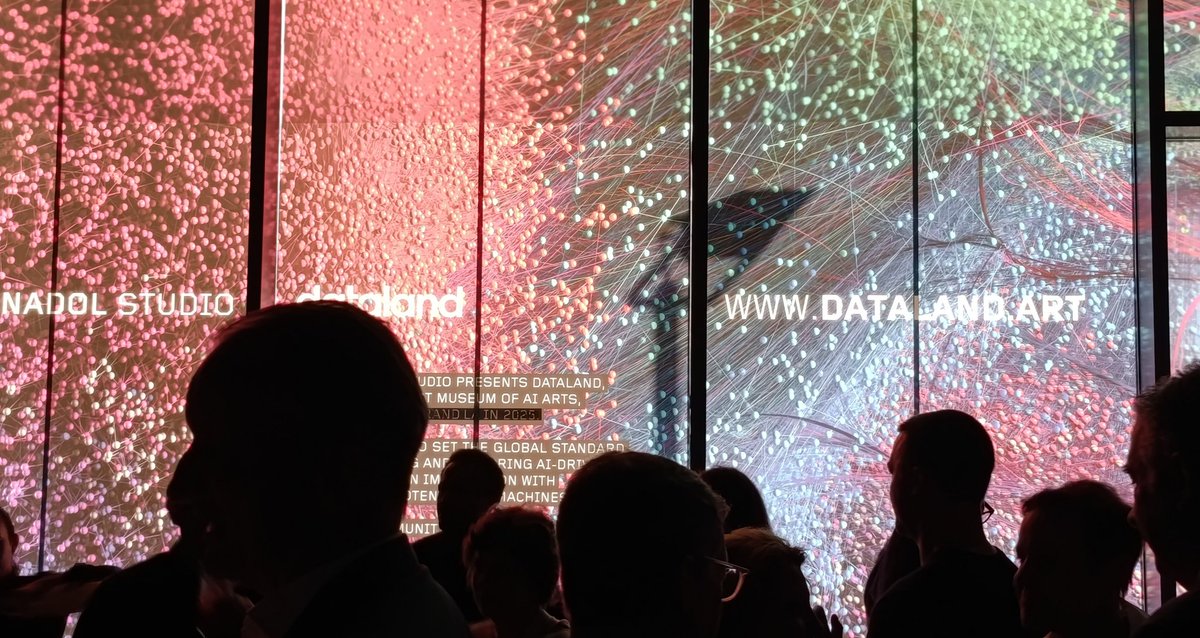
Which is why DATALAND, the world’s first AI art museum, feels less like an art story and more like a cultural one.
We’re likely at the beginning of a decade where AI art and human-made art coexist, compete, influence each other, and fight for the same cultural real estate.
Fintechs still competing on faster, cheaper, and feature parity are solving yesterday’s problem.
When every product works, people stop choosing based solely on utility and the brand becomes the differentiator.
Most payment products are designed to be invisible.
Cash App wants to be seen.