We are a 501(c)(3) nonprofit that supports organic land care practices as a solution to eliminate toxic chemicals and protect public health and the environment.
We support local advocates to create healthier communities by providing the tools and education they need to help their city adopt organic landscaping practices. You don't have to go it alone - let our experience work for you. Get started today https://t.co/ehlAevuYk9
Their 2022 answer — no, not a single one — has now been declared unlawful by a federal judge who found the data was too flawed to support that conclusion. https://t.co/UVgQ0UvPhY
For more than a decade, federal scientists worked to answer a simple question: does malathion, one of the most widely used pesticides in the United States, pose a threat to the roughly 1,800 plants and animals on the nation’s endangered species list?
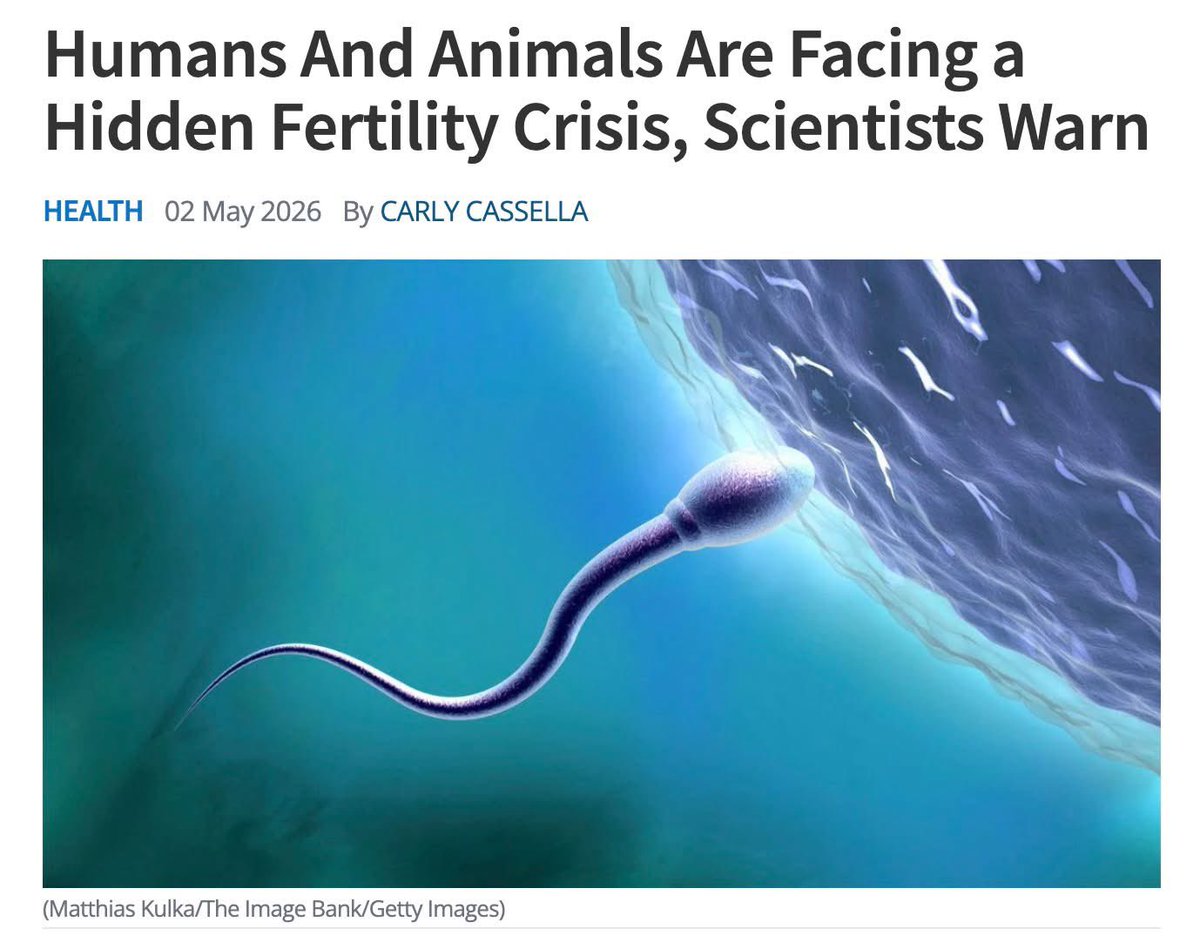
In a new review, a team of toxicologists and biologists argues that "a diverse array of pollutants, combined with increasing pressure from worsening climate change" threatens fertility, biodiversity, and health on a global scale. https://t.co/yJKZMNkgiX
Unbeknownst to most people, logging companies and the US Forest Service have been spraying massive amounts of herbicide in clear-cut and fire-ravaged forests of California—and throughout the nation.
Wayne County, Mississippi is home to a Sipcam Agro plant that processes the toxic herbicide paraquat. Within the U.S., the plant is the largest single emitter of paraquat.
Wayne County also sees high rates of Parkinson’s disease deaths, in the top 7% of all U.S. counties.
In addition, just 1.1% — 242 of 22,147 — of pesticide labels that contain ingredients with “possible” or “suggestive” links to cancer have cancer warnings from the EPA. https://t.co/S9rmLeRTjx
The US Environmental Protection Agency (EPA) is failing to put warnings on pesticides linked to cancer — even when the agency itself determined a product’s ingredients are carcinogenic, according to two new analyses of federal data.
The EPA has put cancer warnings on 1.4% — 69 of 4,919 — of pesticide labels for products that contain an active ingredient that the agency itself has designated “probable” or “likely” to cause cancer, the analyses found.
Two others, Shawn Gannon and Sean Uhl, work for Chemours, which makes products with per- and polyfluoroalkyl substances (PFAS). Zeldin also appointed Gary Minsavage, a representative from ExxonMobil’s biomedical division. https://t.co/jPcdMNISxs
One of the new appointees, Jessica LaRocca, works for pesticide giant Corteva Agriscience, and another, Matthew LeBaron, for Dow Chemical Company, which spun off its pesticide business but still produces chemicals used in pesticide formulations.
Assembly Bill 1603 would ban the use, sale and manufacture of PFAS pesticides in California beginning in 2035. More than 20 of the chemicals already banned in the European Union would be prohibited earlier, starting in 2030.
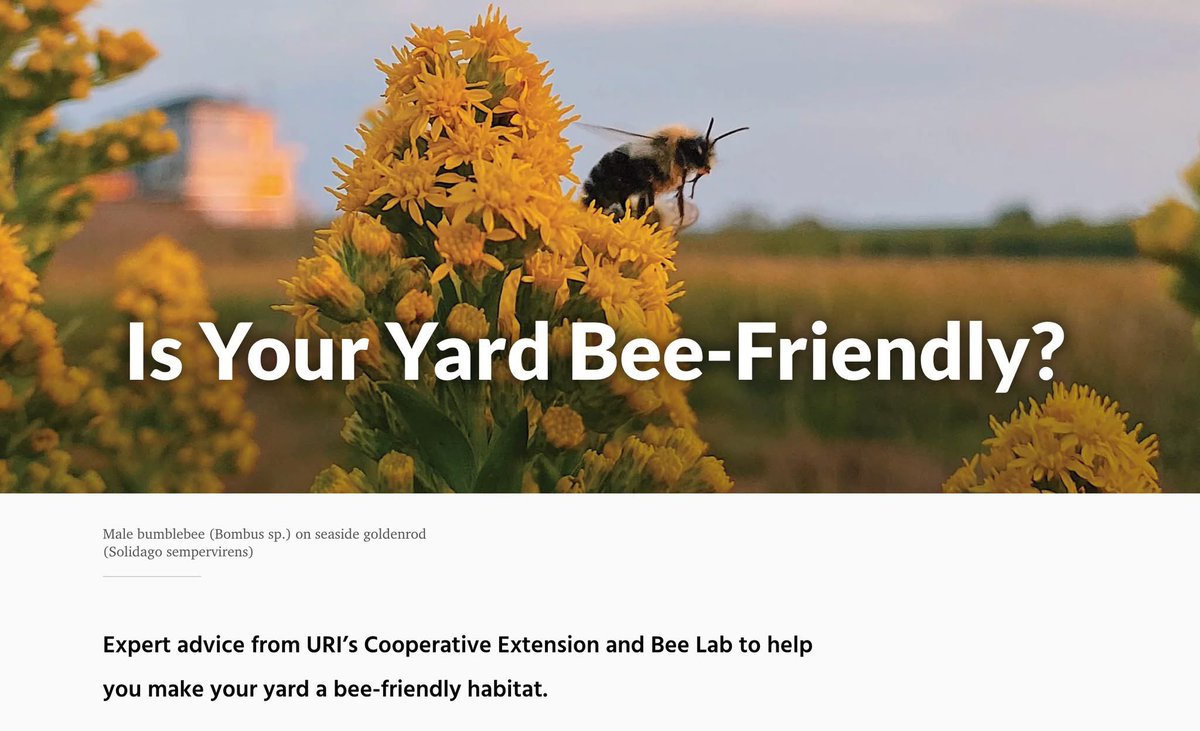
🐝 Bees and other pollinators are essential for maintaining healthy global ecosystems and productive food systems. With many species experiencing population decline, you can help by creating safe habitats in your own yard.
Research from Virginia Tech found exposure to glyphosate — a common weed killer — disrupts honeybee foraging and threatens the long-term stability of hives.