March's Editor's Choice
@Simona_Sacco_
We are pleased to announce and congratulate the authors on their paper, “Migraine and insufficient sleep: The effect of sleep restriction on nociceptive evoked potentials in migraine” which has been selected as the Editor’s Choice for the March issue of Cephalalgia.
This recognition is reserved for papers that contribute valuable insights and advance our understanding and treatment of headache disorders.
.....
This study found that insufficient sleep may increase cortical inhibitory responses to nociceptive stimulation in migraine. This finding supports the idea that migraine is associated with a vulnerability for insufficient sleep.
....
https://t.co/SbkrjyCY59
#migraine #headache #brain #pain #neurology #neuroscience
@PetterOmland@NorHeadResearch
Recent study from @PetterOmland on the impact of insufficient sleep on #migraines. Results show altered pain responses in migraine sufferers compared to controls after reduced sleep. Findings highlight a vulnerability to insufficient sleep between attacks. https://t.co/M67sGcuIOL
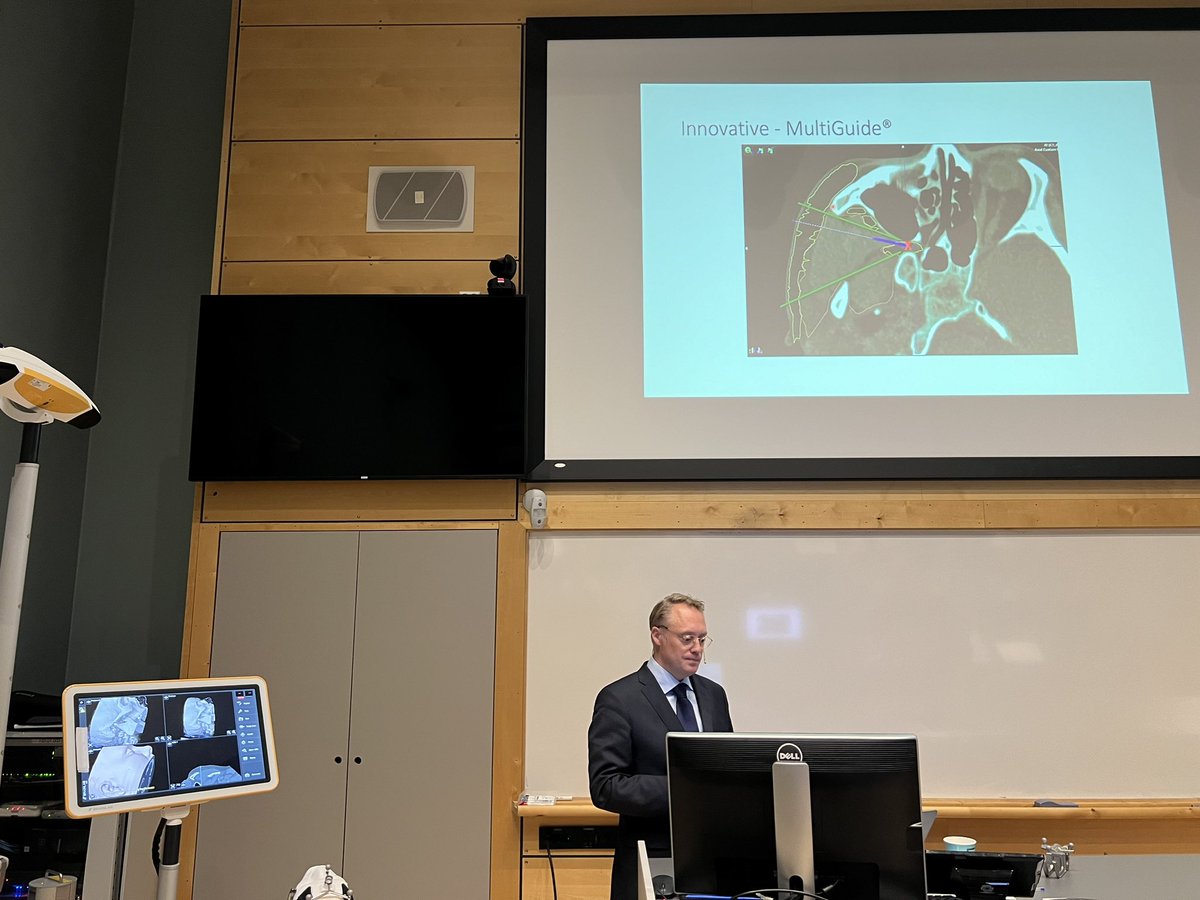
Prof. Erling Andreas Tronvik from Trondheim (NO) cordially invites you to the session on "Data science and AI" on and is already looking forward to see you there. In the video, he gives a brief outline of the main points of the session!
👉🏻 https://t.co/5IHKYffmRm
#EHC2024
Grateful for receiving the first Sjaastad Prize in the field of #headache! Honored to be picked by the Norwegian headache society and thankful for bein a part of the 2024 National Headache conference by @NorHeadResearch
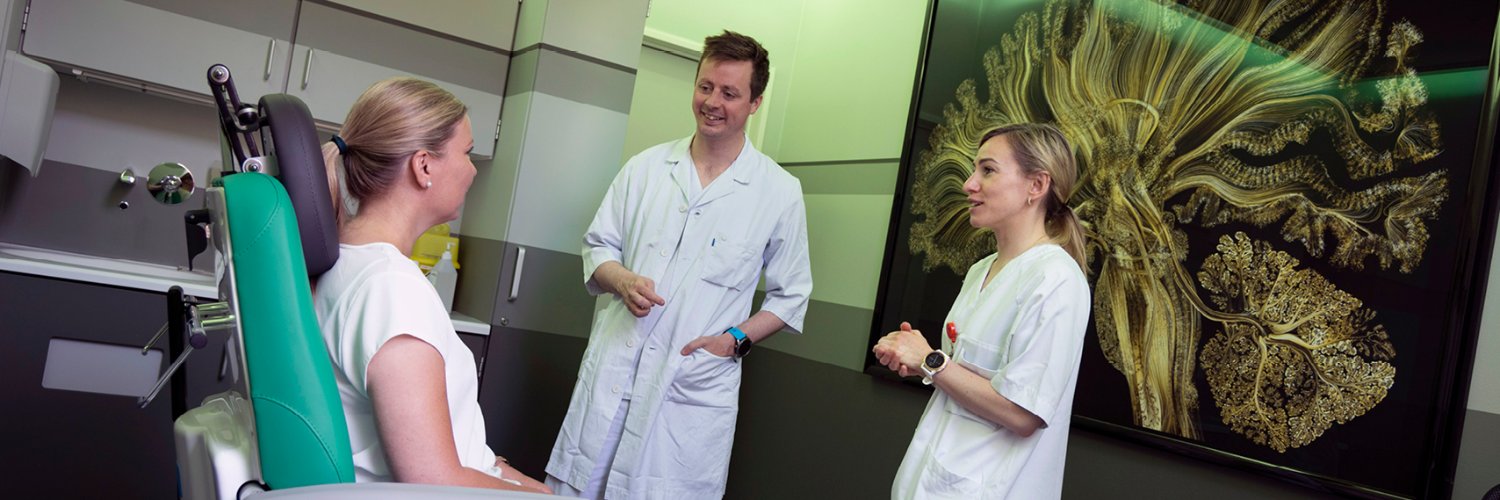
Thank you, @GMTerwindt, Nadine Pelzer and Irene de Boer for visiting us at @NorHeadResearch in Trondheim for very interesting discussions and social interactions. 😊
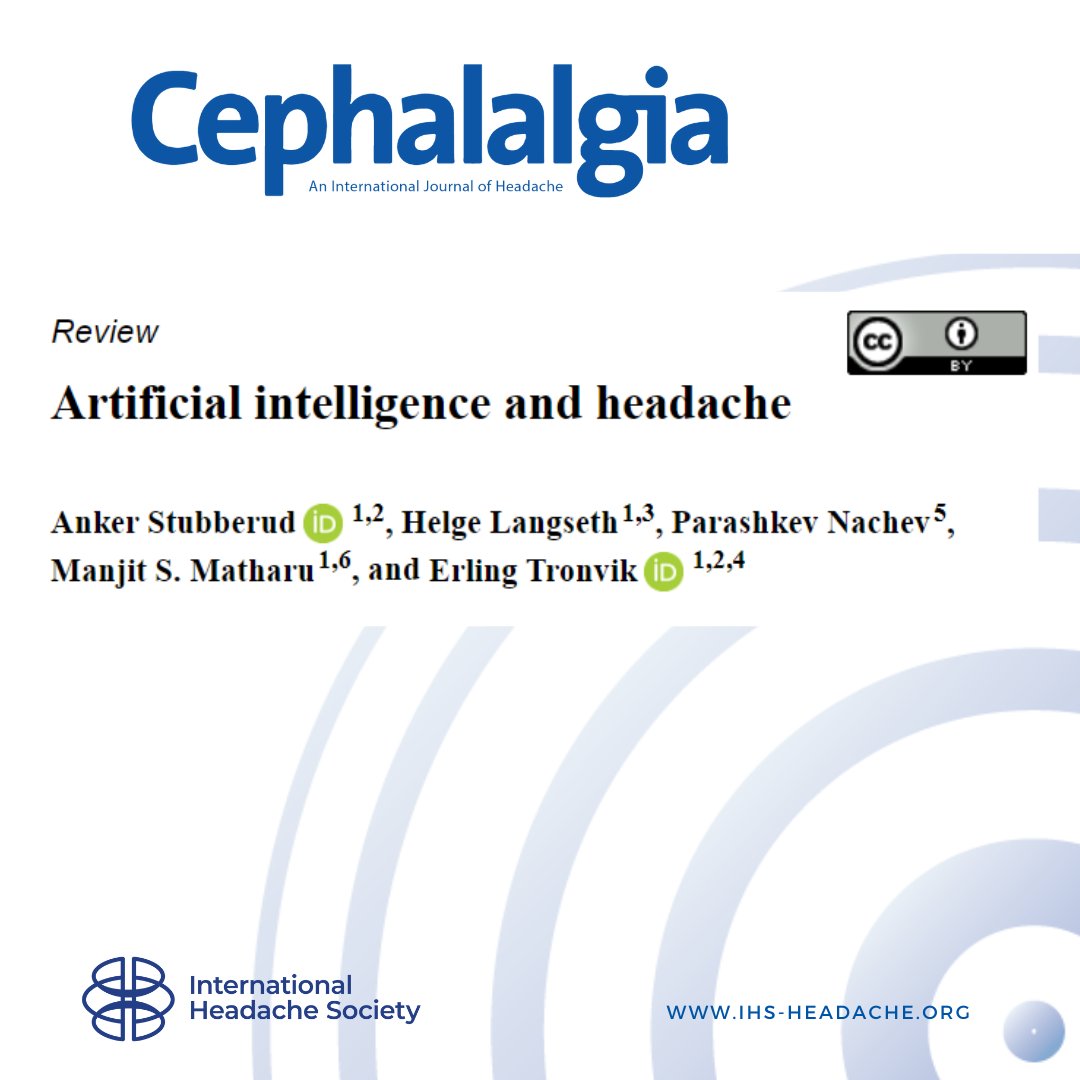
This paper is a narrative review on the use of artificial intelligence and machine learning in headache conditions. Including an introduction on how to read AI papers in this field.
https://t.co/ylxOHY4dVV
#headache#neurology@Manjit_Matharu@ErlingTronvik@NorHeadResearch
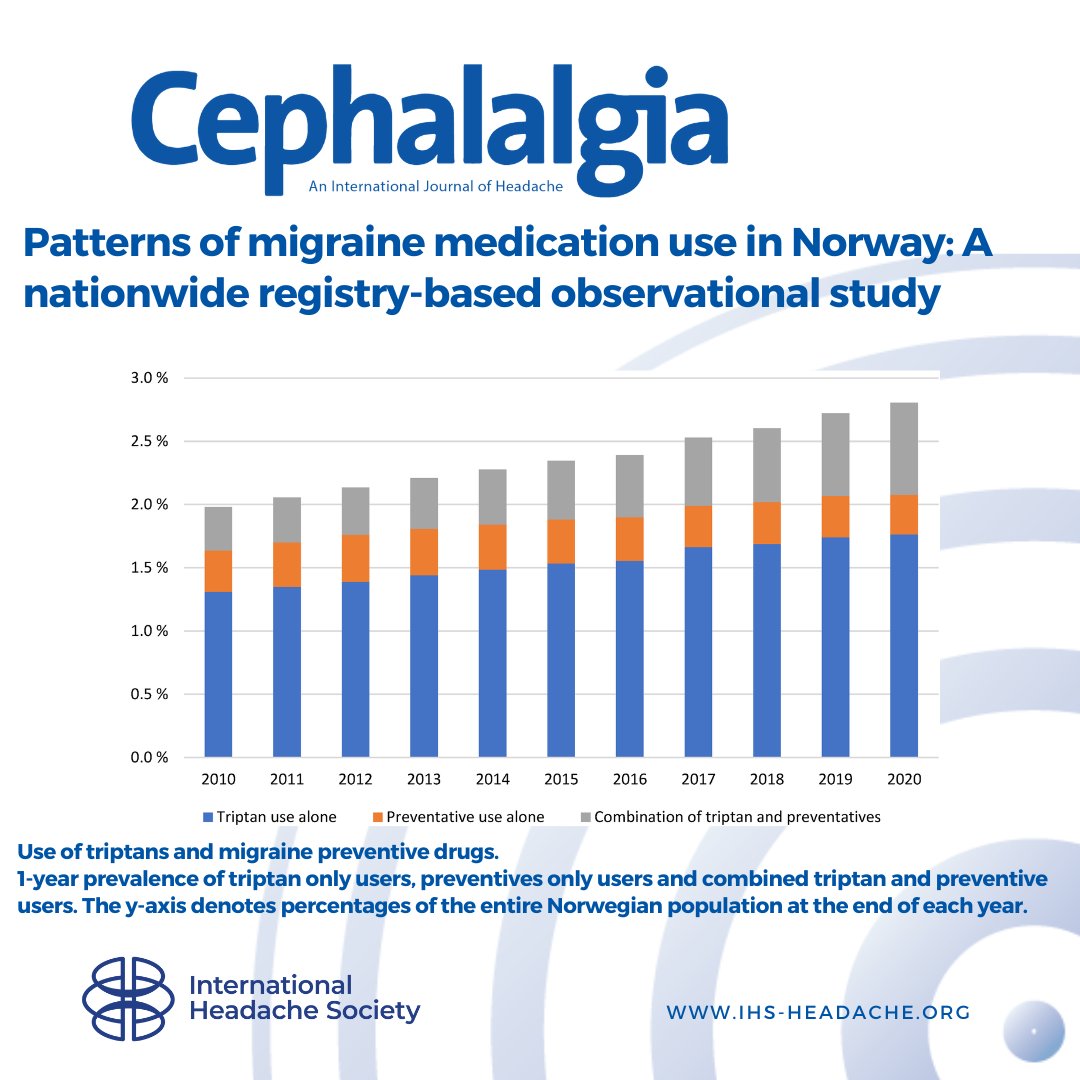
This study found that the prevalence of medically treated migraine in Norway is low, rising from 1.99% in 2010 to 2.99% in 2020. Moreover, triptans are often overused, and preventive coverage is low.
https://t.co/GJ8qHKQk89
#migraine@NorHEADresearch@martebjork@ErlingTronvik
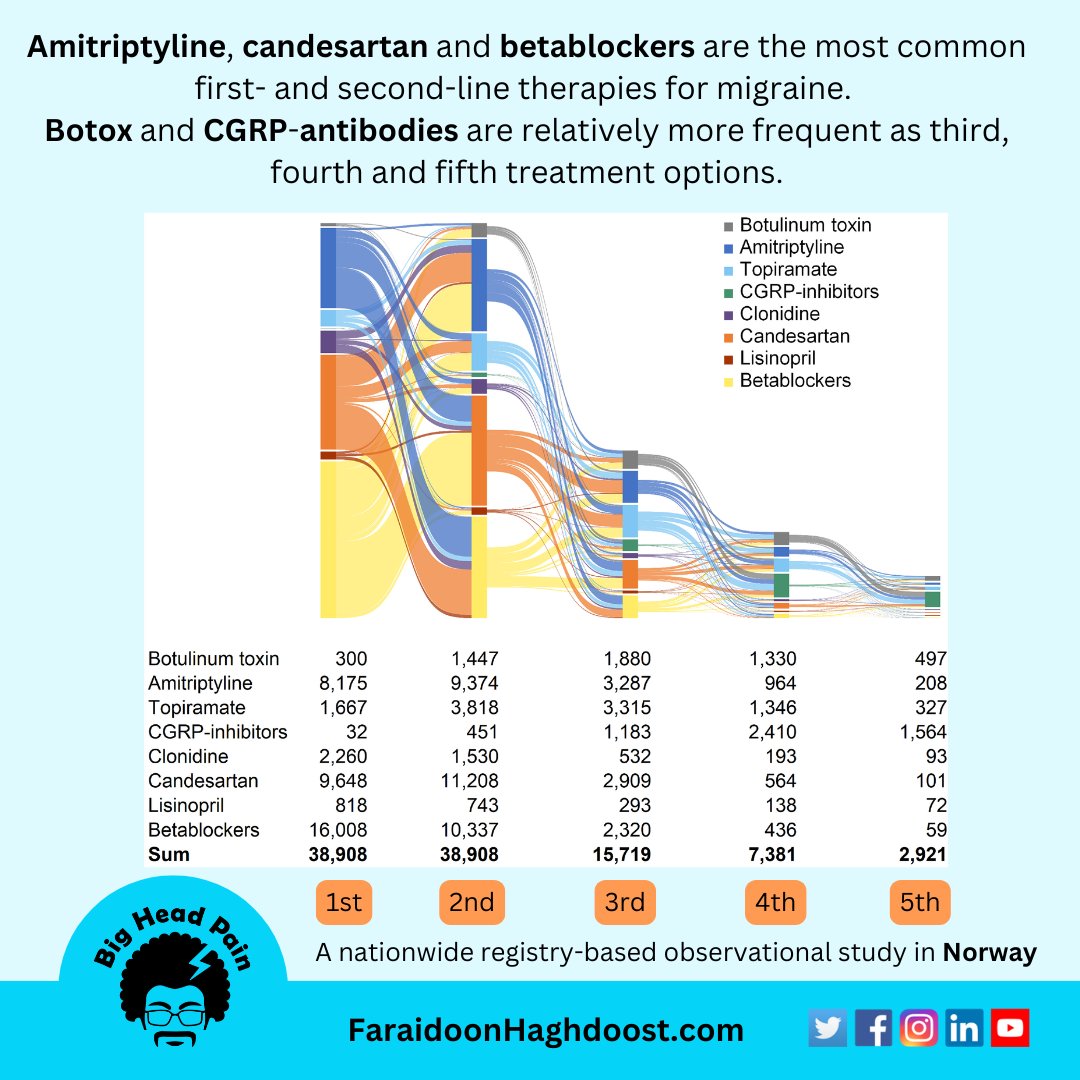
Amitriptyline, candesartan, and beta-blockers are the most common first- and second-line migraine therapies, while Botox and CGRP antibodies are more frequently used as later treatment options.
@ErlingTronvik
https://t.co/py4XFM4sL2
#headache#migraine
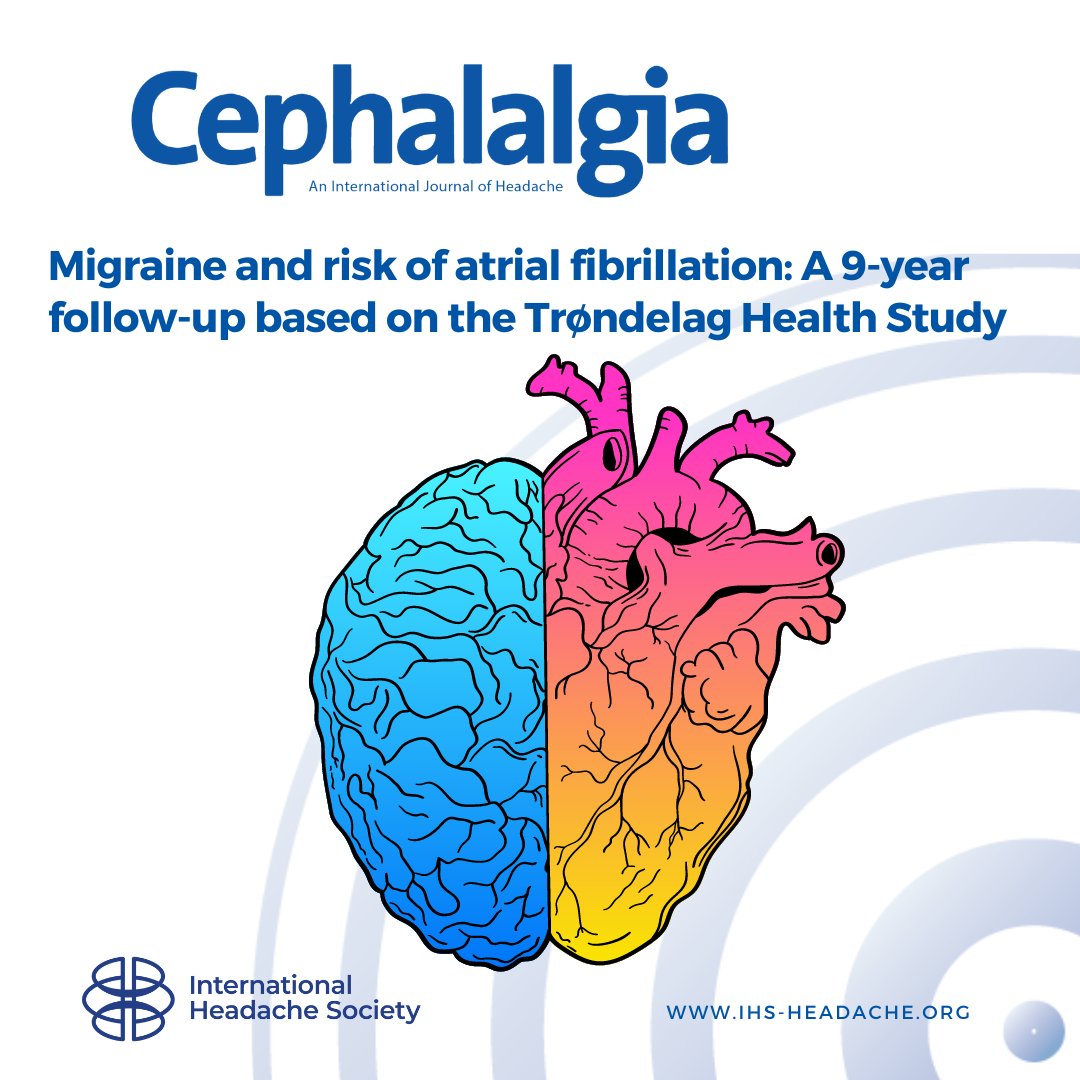
No increased risk of atrial fibrillation (AF) was found among individuals with migraine or tension-type headache. Individuals with migraine aged ≥55 years had lower risk of AF compared to headache-free people.
https://t.co/QhtTA64nJT
@NorHeadResearch@alexanol@ErlingTronvik
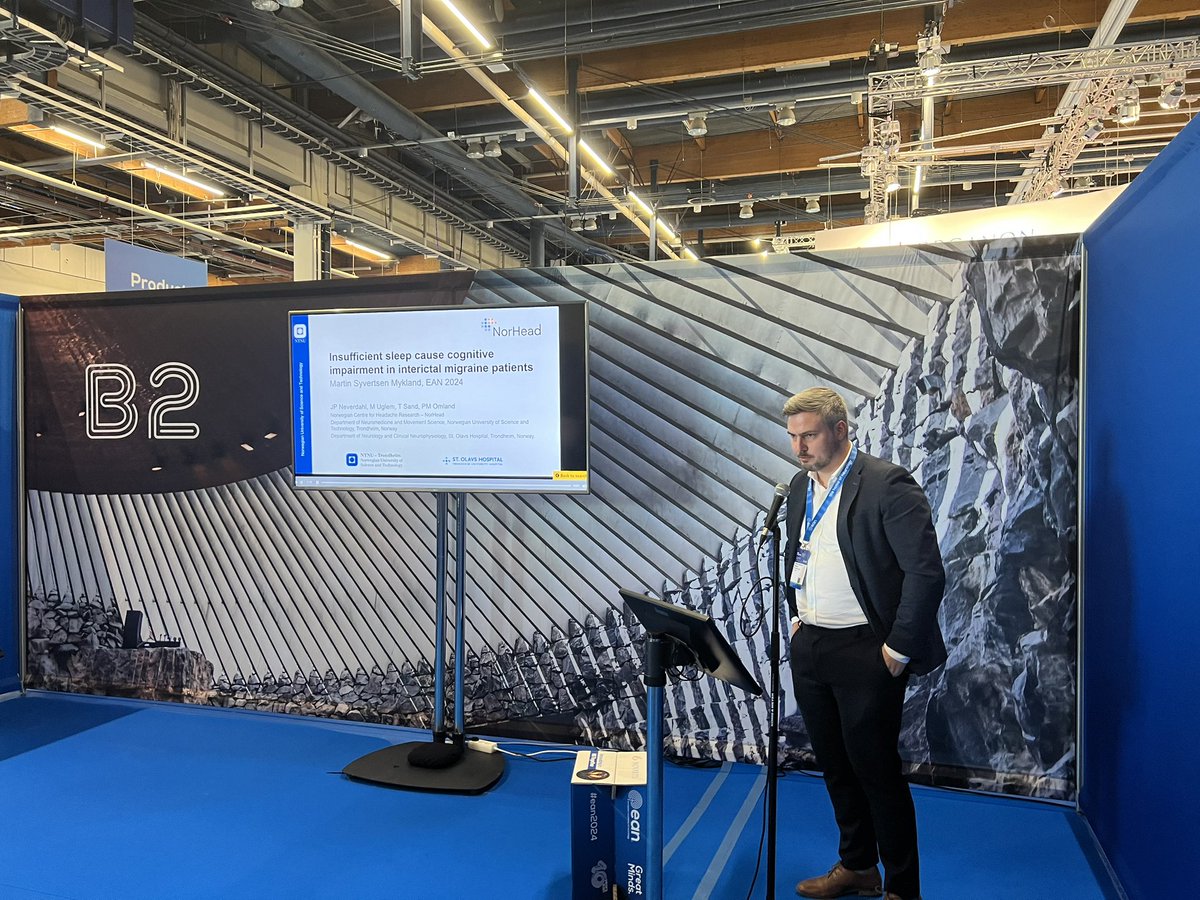
People with #migraine had a greater need for sufficient #sleep to maintain cognitice function as reaction time. We have previously reported neurophysiological effects of insufficient sleep: https://t.co/s573DUQz9w #EAN2024@EANeurology@NorHeadResearch @nevrologi @NTNUhelse