BREAKING NEWS
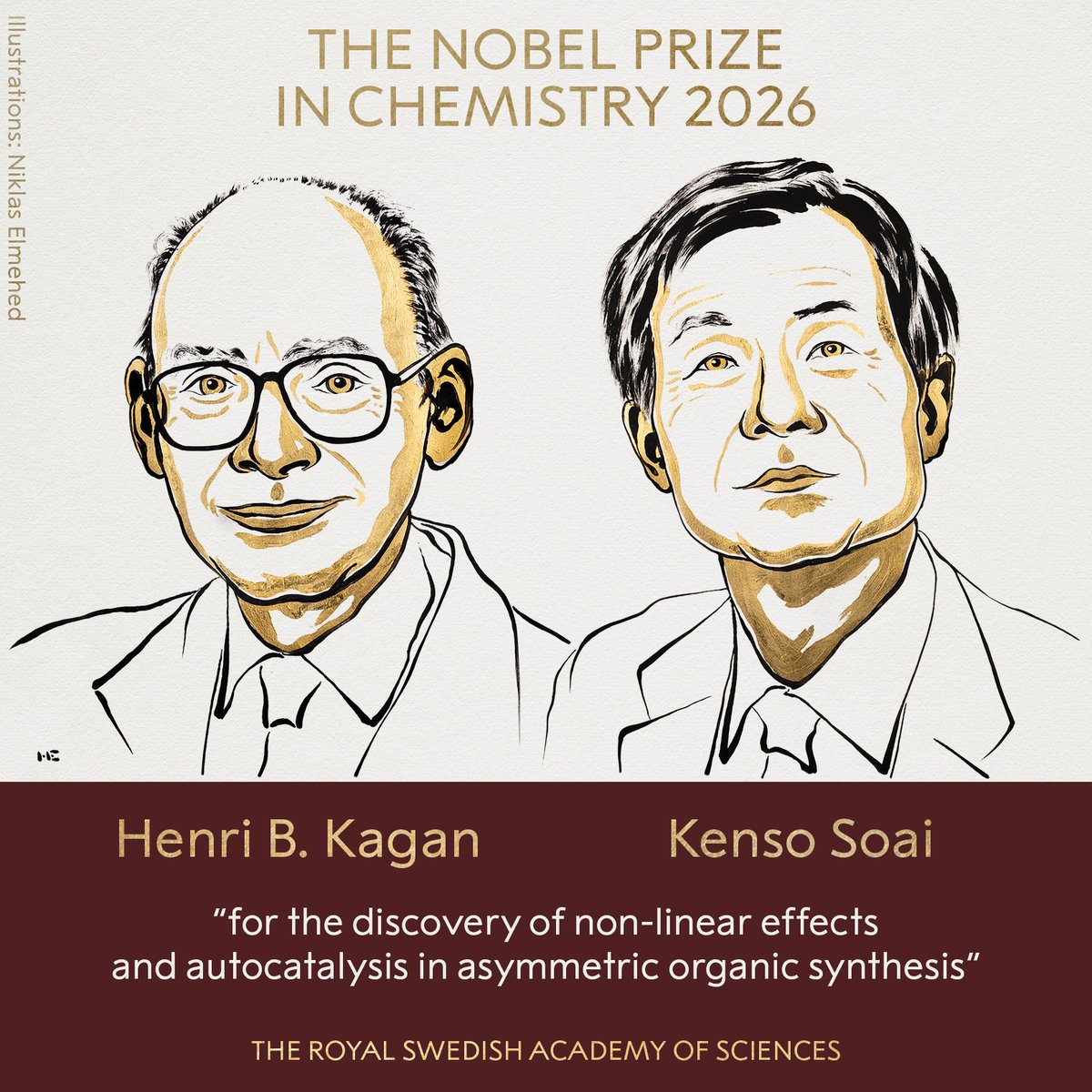
The Royal Swedish Academy of Sciences has decided to award the 2026 #NobelPrize in Chemistry to Henri B. Kagan and Kenso Soai “for the discovery of non-linear effects and autocatalysis in asymmetric organic synthesis.”
The #NobelPrize in Chemistry 2026 recognises discoveries that have enabled chemists to drive chemical reactions that lead to homochirality.
Life’s chemistry is what chemists call homochiral, after the Greek words for “same” and “hand”. Like hands, all amino acids exist as two mirrored variants, but only one of them is found in the proteins in your cells. The other is rarely found in nature.
For a long time, chemists wondered how homochirality can emerge. When they began to experiment with chemical reactions that can form two mirrored molecules, they always obtained equal proportions of both in their test tubes. However, chemists strived to produce only one of these mirror images, because in the development of molecules that will interact with living beings – such as in pharmaceuticals – only one mirror image will have the desired effect.
Thanks to laureates Henri Kagan and Kenso Soai, we now know how homochirality can emerge. Their discoveries have been decisive for chemists who design reactions for the manufacture of pharmaceuticals.
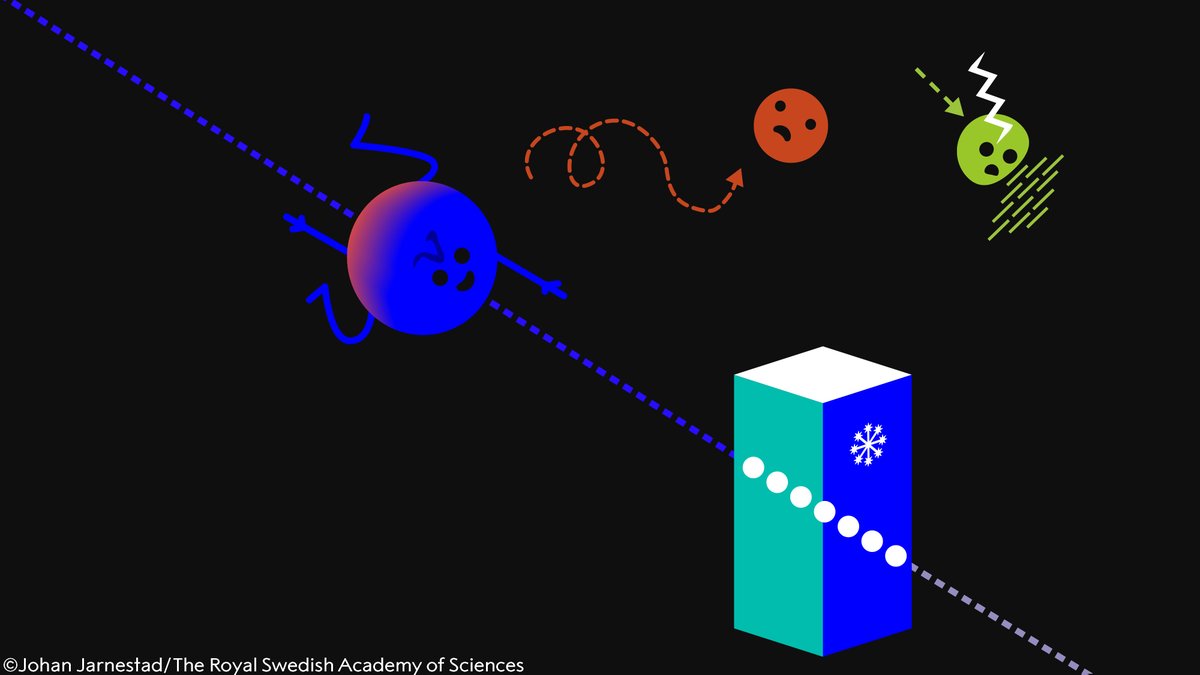
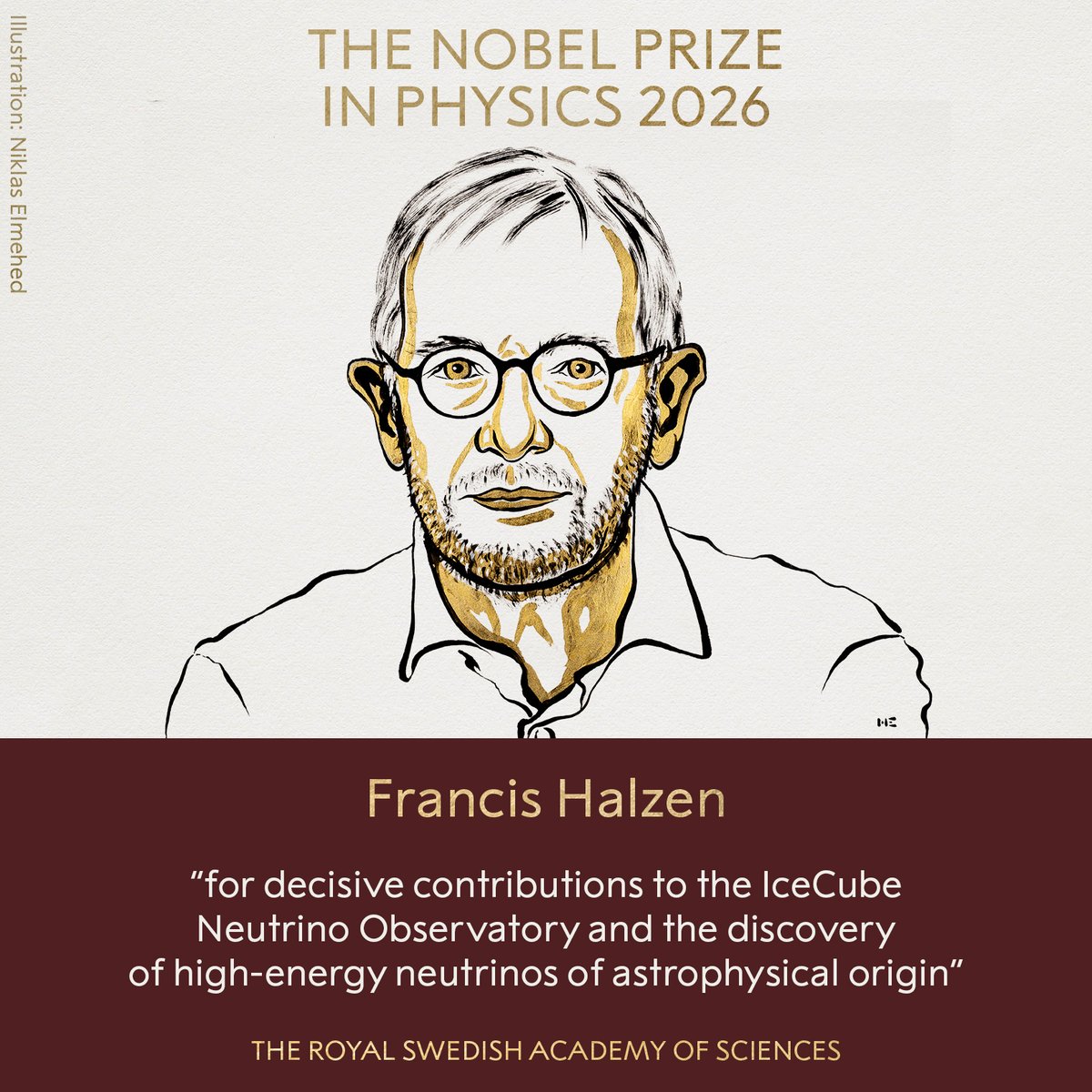
2026 physics laureate Francis Halzen realised that ice at the South Pole could be used to track particles known as neutrinos. His vision and scientific leadership have been fundamental for the IceCube Neutrino Observatory – a cubic kilometre of ice that is equipped with light sensors. Using IceCube, researchers can capture neutrinos from extremely energy-rich processes in the distant universe.
#NobelPrize
BREAKING NEWS
The Royal Swedish Academy of Sciences has decided to award the 2026 #NobelPrize in Physics to Francis Halzen “for decisive contributions to the IceCube Neutrino Observatory and the discovery of high-energy neutrinos of astrophysical origin.”
Learn more about the 2026 #NobelPrize in Physiology or Medicine
Press release: https://t.co/KXRC5GPzfO
Popular information: https://t.co/W0NGwOBIuA
Advanced information: https://t.co/NwQTZddNGj
BREAKING NEWS
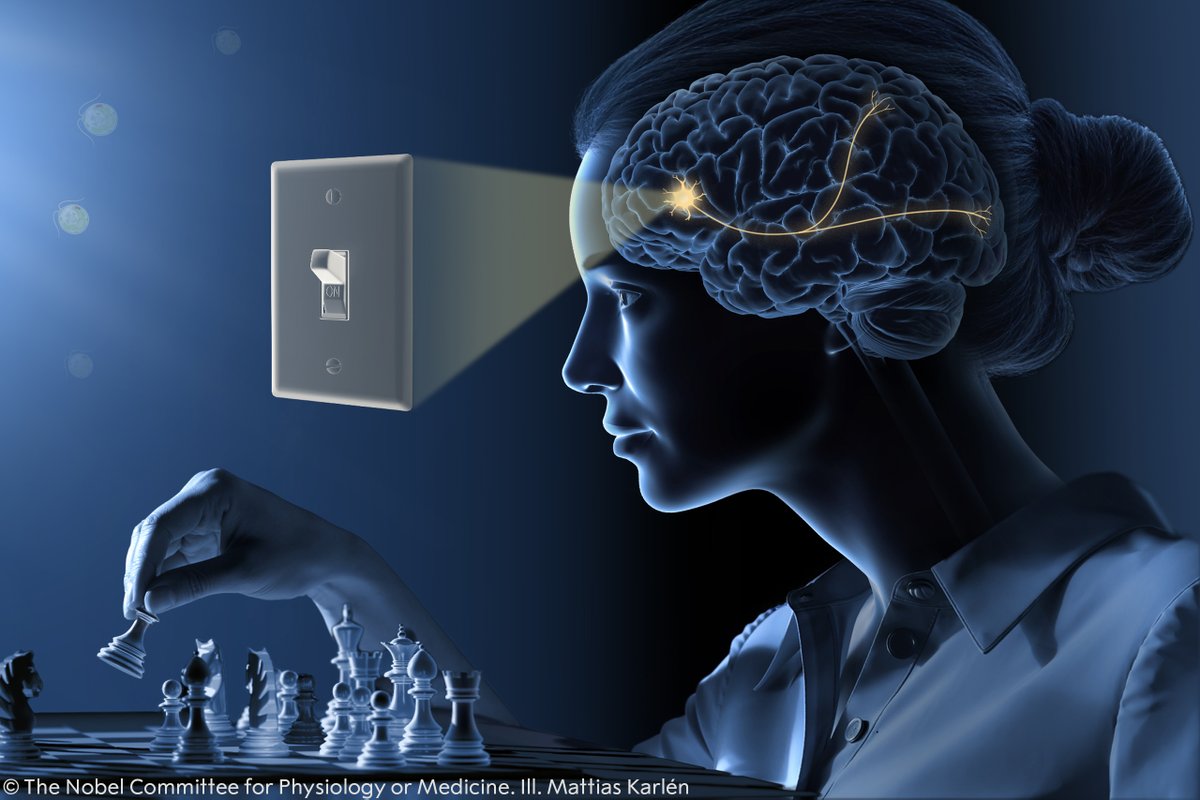
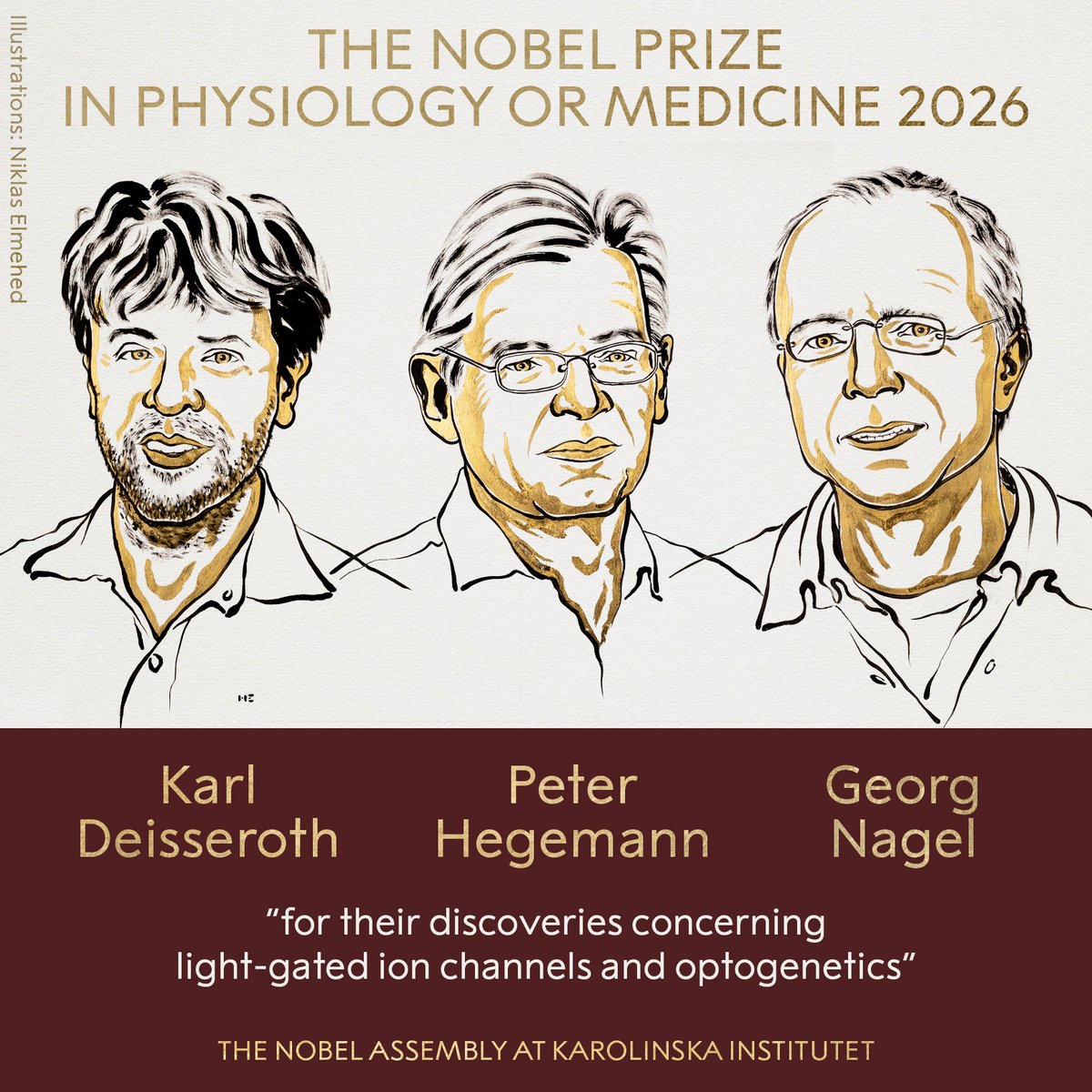
The 2026 #NobelPrize in Physiology or Medicine has been awarded to Karl Deisseroth, Peter Hegemann and Georg Nagel “for their discoveries concerning light-gated ion channels and optogenetics.”
To understand how the brain forms memories, feelings and behaviours has long been a dream for researchers.
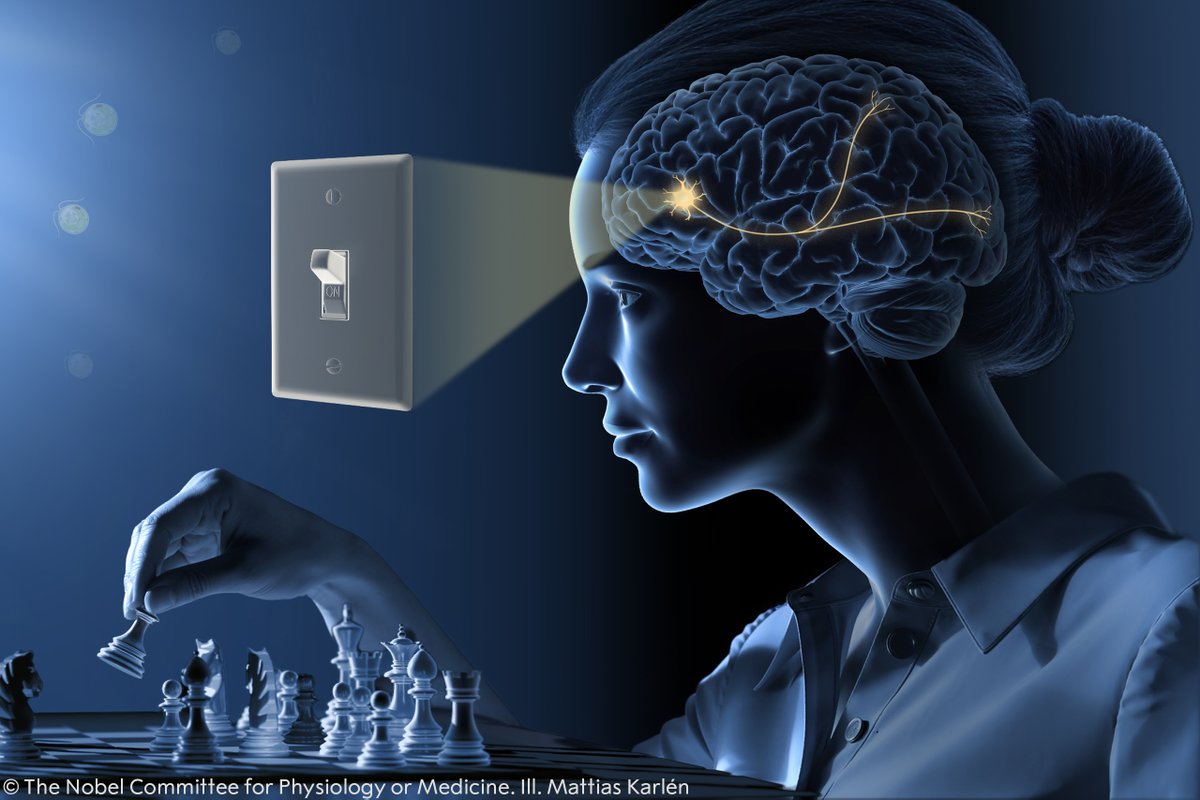
Karl Deisseroth, Peter Hegemann and Georg Nagel have been awarded the 2026 #NobelPrize in Physiology or Medicine for discoveries leading to optogenetics, which makes it possible to switch on, or off, the activity of individual nerve cells in a living brain.
This method is now being used in laboratories around the world to reveal the brain’s mysteries.
BREAKING NEWS
The Royal Swedish Academy of Sciences has decided to award the 2025 #NobelPrize in Chemistry to Susumu Kitagawa, Richard Robson and Omar M. Yaghi “for the development of metal–organic frameworks.”
BREAKING NEWS
The Royal Swedish Academy of Sciences has decided to award the 2025 #NobelPrize in Physics to John Clarke, Michel H. Devoret and John M. Martinis “for the discovery of macroscopic quantum mechanical tunnelling and energy quantisation in an electric circuit.”
BREAKING NEWS
The 2025 #NobelPrize in Physiology or Medicine has been awarded to Mary E. Brunkow, Fred Ramsdell and Shimon Sakaguchi “for their discoveries concerning peripheral immune tolerance.”
BREAKING NEWS
The Royal Swedish Academy of Sciences has decided to award the 2024 #NobelPrize in Chemistry with one half to David Baker “for computational protein design” and the other half jointly to Demis Hassabis and John M. Jumper “for protein structure prediction.”
BREAKING NEWS
The Royal Swedish Academy of Sciences has decided to award the 2024 #NobelPrize in Physics to John J. Hopfield and Geoffrey E. Hinton “for foundational discoveries and inventions that enable machine learning with artificial neural networks.”
BREAKING NEWS
The 2024 #NobelPrize in Physiology or Medicine has been awarded to Victor Ambros and Gary Ruvkun for the discovery of microRNA and its role in post-transcriptional gene regulation.
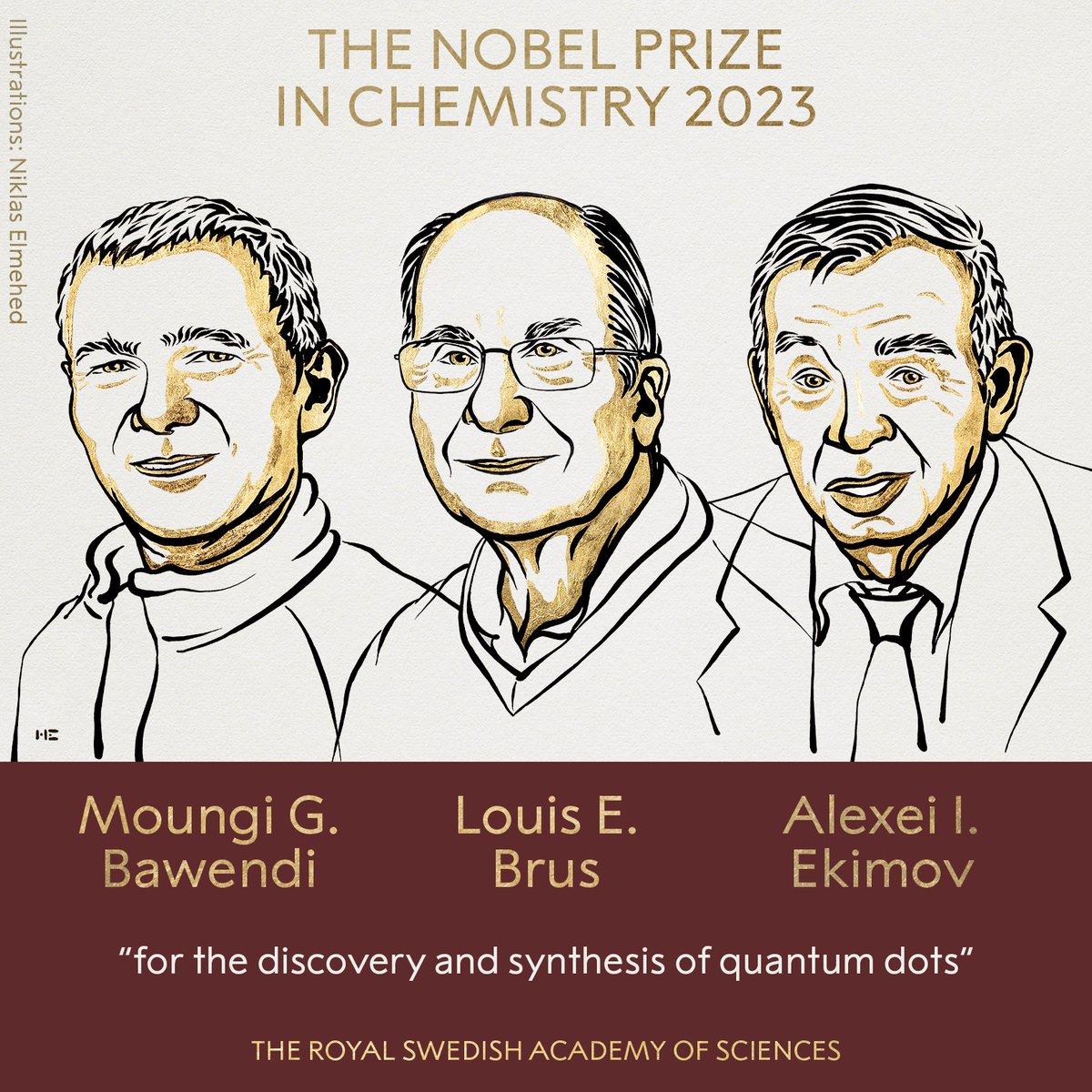
Today quantum dots are an important part of nanotechnology’s toolbox. The 2023 #NobelPrize laureates in chemistry have all been pioneers in the exploration of the nanoworld.
BREAKING NEWS
The Royal Swedish Academy of Sciences has decided to award the 2023 #NobelPrize in Chemistry to Moungi G. Bawendi, Louis E. Brus and Alexei I. Ekimov “for the discovery and synthesis of quantum dots.”
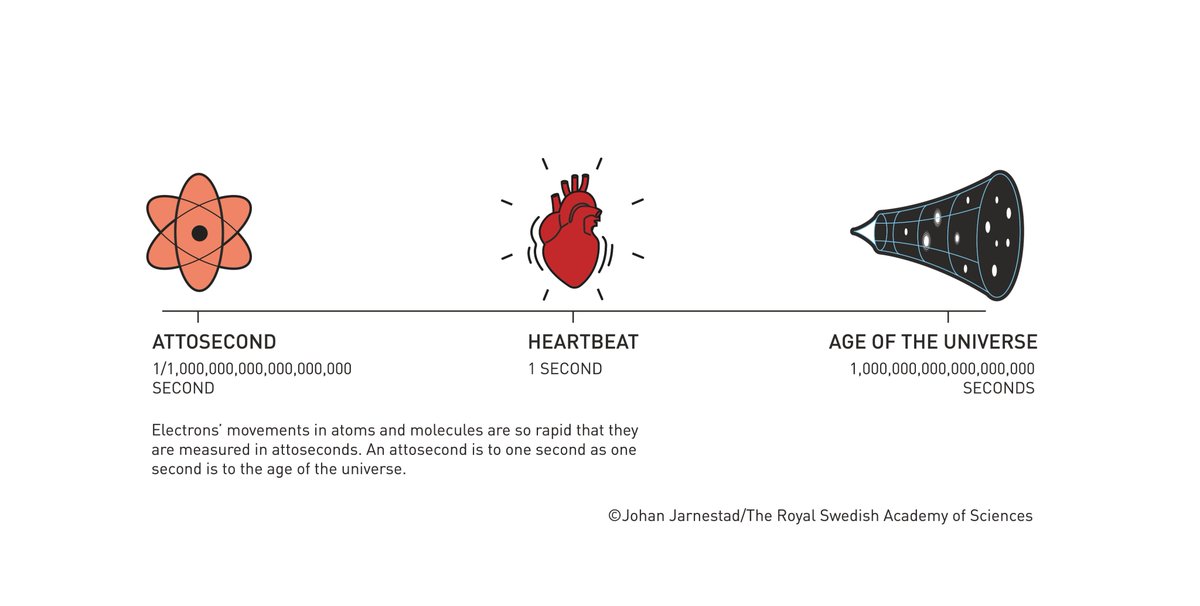
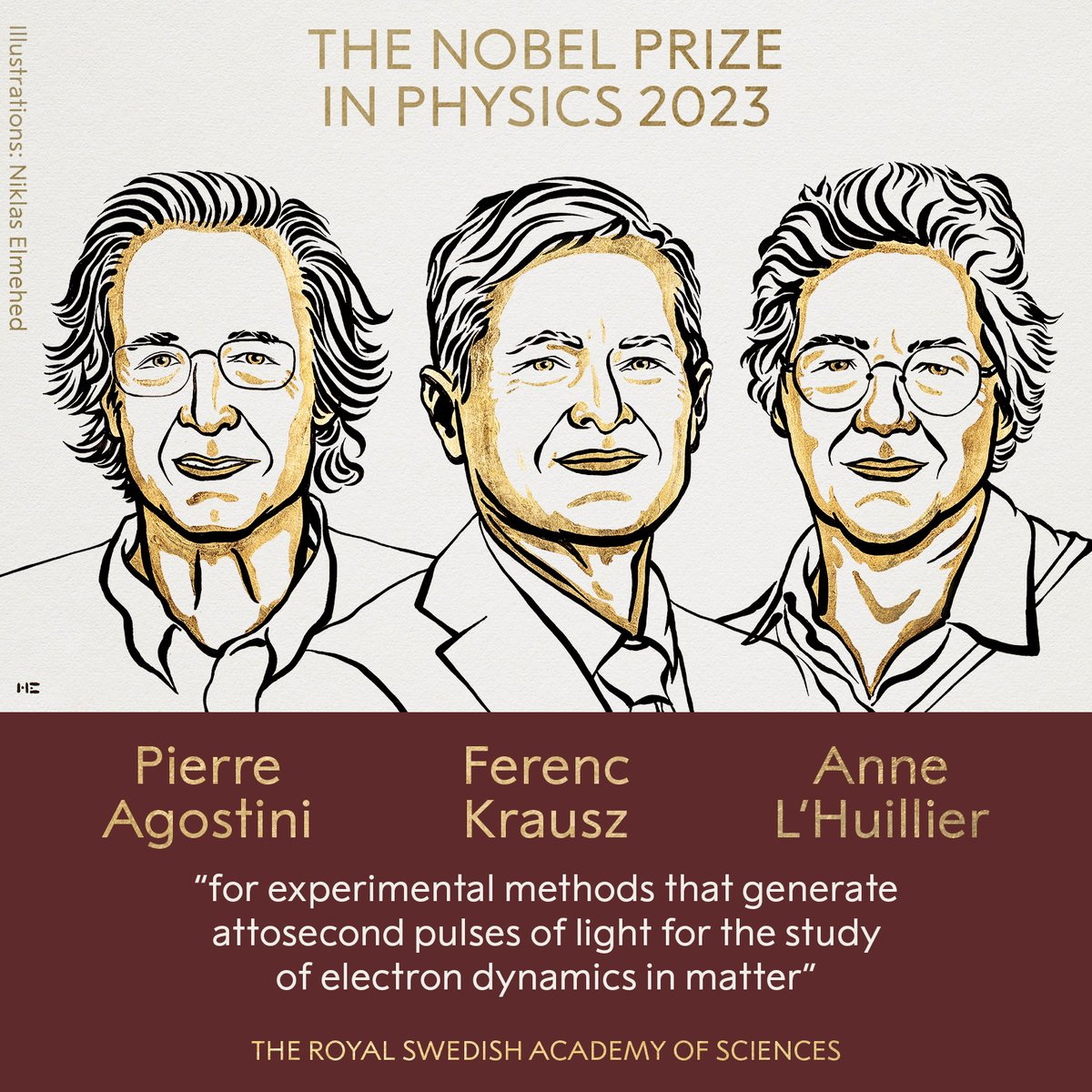
Electrons’ movements in atoms and molecules are so rapid that they are measured in attoseconds. An attosecond is to one second as one second is to the age of the universe.
#NobelPrize
BREAKING NEWS
The Royal Swedish Academy of Sciences has decided to award the 2023 #NobelPrize in Physics to Pierre Agostini, Ferenc Krausz and Anne L’Huillier “for experimental methods that generate attosecond pulses of light for the study of electron dynamics in matter.”
The findings by 2023 #NobelPrize laureates Katalin Karikó and Drew Weissman led to the approval of two highly successful mRNA-based COVID-19 vaccines in late 2020. The vaccines have saved millions of lives and prevented severe disease in many more.