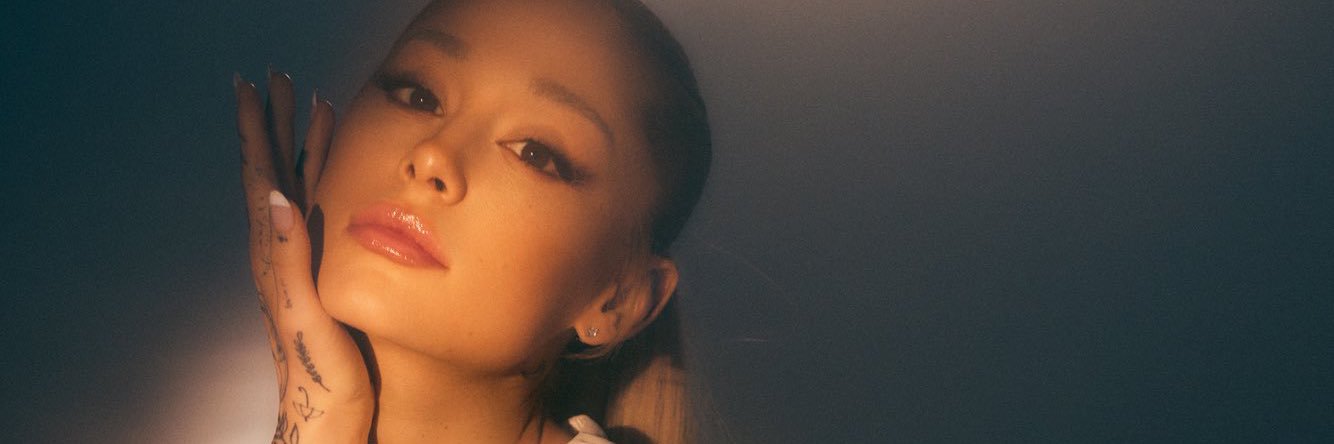
In ‘petal’, Ariana Grande plays Pepper, a woman auditioning for a role. Despite repeatedly changing her appearance and proving her talent, she keeps getting rejected.
The critics judging her tell her she’s “not good enough”, “boring”, lacks “sex appeal”, should “get some work done”, “change her hairstyle”, and that she’s “desperate”. But when she changes herself to meet those expectations, getting breast implants, wearing more makeup… they suddenly tell her she’s had “too much work done”, is “distracting”, and wears “too much makeup”. Eventually, she kills them.
This mirrors what Ariana herself has experienced throughout her career. She constantly reinvents herself, explores new artistic directions, and changes both musically and visually, yet it never seems to be enough. She’s constantly criticized and called some of the most awful things, often disguised as “humor” or “concern”. Even parts of her own fanbase, people who should support her, have turned against her multiple times.
This isn’t just Ariana’s plea to stop being dissected and scrutinized until she loses herself. It’s also a broader commentary on the impossible standards placed on women.
They’re expected to be beautiful, quiet, composed and accommodating, even while being constantly judged. And when they finally react to that pressure, they’re depicted as “crazy”, “dramatic” or “overreacting”. The reality is that very few people ever stop to consider how they actually feel.
Maybe the problem was never Ariana. Maybe it was the impossible standards we expected her to live up to.
Elle est de retour 🌸 Après de longs mois de teasing, Ariana Grande dévoile son huitième album petal : onze titres vulnérables et pop à découvrir sur Spotify.