تداوم بیخبری از سرنوشت چهار عضو پژاک و دو عضو کژار پس از بازداشت در ایران
سرنوشت ادریس فقهی، محسن قادری، سیروان حبیبی و خالد برزنجی، چهار عضو حزب حیات آزاد کوردستان (پژاک)، و زهرا پیردهقان و پروین راسق قزلباش، دو عضو جامعه زنان آزاد شرق کوردستان (کژار)، همچنان نامعلوم است.
Fate of Four PJAK and Two KJAR Members Remains Unknown After Arrest in Iran
The fate of Idris Faqehi, Mohsen Ghaderi, Sirwan Habibi and Khaled Barzanji, four members of the Kurdistan Free Life Party (PJAK), and Zahra Pirdehghan and Parvin Rasegh Ghezelbash, two members of the East Kurdistan Free Women’s Society (KJAR), remains unknown.
According to statements from the two organizations and reports by the Kurdistan Human Rights Network, their families have repeatedly sought answers but received no clear information about their loved ones’ whereabouts, health or fate.
In its latest report, the Kurdistan Human Rights Network said there was still no information about Khaled Barzanji, who was arrested by IRGC forces on 10 July 2026 in Uchtapeh village near Bukan. His family has been unable to contact or visit him since his arrest. Security and judicial authorities have also denied knowing about his detention or where he is being held.
In a statement about Barzanji, PJAK said the Iranian government was directly responsible for his life, health and safety. The party demanded the immediate disclosure of his whereabouts and legal status, saying the continued secrecy had deepened concerns about his health and detention conditions.
Idris Faqehi has been missing since 24 July 2021, when he was wounded and detained by IRGC forces near Bukan. More than five years later, his fate remains unknown. In its recent open letter, PJAK named him among its members who have been subjected to enforced disappearance following their arrest.
Mohsen Ghaderi was arrested by IRGC intelligence agents on 22 June 2025 in the Hangeh Zhale border area near Baneh. According to the Kurdistan Human Rights Network, the IRGC told his family that he had been killed in a clash. However, a man arrested alongside him and later released said there had been no clash and that both men had been taken into detention. The network reported that Ghaderi was last seen at the Shahramfar detention center in Sanandaj in late summer 2025.
Sirwan Habibi was arrested by Ministry of Intelligence agents in Kamyaran in the early hours of 9 September 2026. Citing witnesses, the Kurdistan Human Rights Network reported that agents used violence against him during his arrest. Despite his family’s visits to security offices and courts in Kamyaran and Sanandaj, they have received no clear information about his condition or where he is being held.
Zahra Pirdehghan and Parvin Rasegh Ghezelbash were arrested by IRGC intelligence agents in Urmia on 25 and 28 June 2026, respectively. KJAR confirmed that both women were its members and said they were in Urmia to carry out political activities related to women’s issues. Their families’ repeated inquiries have also failed to establish their condition or whereabouts.
In an open letter dated 13 October 2026, PJAK called on Mai Sato, the UN Special Rapporteur on human rights in Iran, and Human Rights Watch to take urgent action to clarify the fate of Idris Faqehi, Mohsen Ghaderi and Sirwan Habibi. The party said the three had been denied access to lawyers and that their families had been pressured to stop seeking answers. It called for international action to end enforced disappearances and hold those responsible accountable.
PJAK: Iran Is Responsible for Khaled Barzanji’s Life and Safety
The Kurdistan Free Life Party (PJAK) has expressed concern over the continued lack of information about Khaled Barzanji, a detained member of the party. It called on Iranian authorities to disclose his whereabouts and legal status immediately.
According to the party’s statement, Barzanji was arrested by government forces on 10 July 2026 near Bukan. PJAK said authorities have since refused to provide clear and reliable information about where he is being held or his legal situation.
The party said the continued secrecy has raised serious concerns about his health and detention conditions. It urged Iranian authorities to provide immediate answers and stressed that they are directly responsible for protecting his life, health and safety.
PJAK described the refusal to provide information as unacceptable and said the Iranian government would bear responsibility for any harm, neglect or inhumane treatment he suffers in custody.
Barzanji is the fourth PJAK member whose fate and whereabouts remain unknown following detention. The other three are Idris Faghihi, Sirwan Habibi and Hossein Qaderi.
The full text of PJAK’s statement is available at the link below:
https://t.co/EtTuNxwlG3
پژاک: جمهوری اسلامی مسئول جان و سرنوشت خالد برزنجی است
حزب حیات آزاد کوردستان با انتشار اطلاعیهای نسبت به ادامه بیخبری از وضعیت خالد برزنجی ابراز نگرانی کرد و خواستار روشنشدن فوری سرنوشت، محل نگهداری و وضعیت حقوقی او شد و جمهوری اسلامی را مسئول مستقیم حفظ جان و سلامت او دانست
PJAK: Iran Is Responsible for Khaled Barzanji’s Life and Safety
The Kurdistan Free Life Party (PJAK) has expressed concern over the continued lack of information about Khaled Barzanji, a detained member of the party. It called on Iranian authorities to disclose his whereabouts and legal status immediately.
According to the party’s statement, Barzanji was arrested by government forces on 10 July 2026 near Bukan. PJAK said authorities have since refused to provide clear and reliable information about where he is being held or his legal situation.
The party said the continued secrecy has raised serious concerns about his health and detention conditions. It urged Iranian authorities to provide immediate answers and stressed that they are directly responsible for protecting his life, health and safety.
PJAK described the refusal to provide information as unacceptable and said the Iranian government would bear responsibility for any harm, neglect or inhumane treatment he suffers in custody.
Barzanji is the fourth PJAK member whose fate and whereabouts remain unknown following detention. The other three are Idris Faghihi, Sirwan Habibi and Hossein Qaderi.
The full text of PJAK’s statement is available at the link below:
https://t.co/EtTuNxwlG3
European Parliament Member Backs Campaign to End Executions in Iran
Petras Auštrevičius (@petras_petras), a Lithuanian member of the European Parliament, has taken part in a photo campaign supporting the global call to end executions in Iran.
In an Instagram post titled “No to Executions in Iran,” he said he joined the action ahead of a vote. He explained that the campaign was started by prisoners in Iran and stressed that their voices must be heard.
According to the figures cited in his post, at least 1,000 people were executed in Iran in 2024, while 2,201 executions were reported in 2025. At least another 1,135 were reported between January and September 2026.
Auštrevičius said the scale of these figures demands sustained attention and action to stop executions in Iran.
Source: Petras Auštrevičius on Instagram
https://t.co/5Bod9gXsnF
On X:
https://t.co/5Cx9DlN1s8
European Parliament Member Backs Global Campaign to End Executions in Iran
Helmut Brandstätter, an Austrian member of the European Parliament, has shown his support for the global campaign to end executions in Iran by taking part in a photo action. He announced his participation in a post titled “No to Executions in Iran.”
European Parliament Member Backs Campaign to End Executions in Iran
Per Clausen, a Danish member of the European Parliament, has expressed solidarity with political prisoners in Iran and called for an immediate end to executions.
In a post on X, he wrote: “Today, together with several other members of the European Parliament, I showed my solidarity with political prisoners in Iran and called for an immediate stop to executions there.”
European Parliament Member Backs Campaign to End Executions in Iran
Slovenian MEP Milan Zver has expressed support for the “No to Executions” campaign and called for an end to executions and the release of political prisoners in Iran.
In a post on X, Zver accused Iran’s authorities of using executions and repression to silence the opposition. He praised prisoners holding hunger strikes every Tuesday to protest death sentences and injustice, saying their courage deserved support.
Zver also urged the European Union to remain a strong voice for human rights, freedom and democracy.
حمایت نماینده پارلمان اروپا از کارزار جهانی توقف اعدامها در ایران
هلموت براندشتتر، سیاستمدار اتریشی و نماینده در پارلمان اروپا، با انتشار پیامی با عنوان «نه به اعدام در ایران»، از مشارکت خود در یک اقدام نمادین عکاسی در حمایت از کارزار جهانی پایاندادن به اعدامها خبر داد.
Today, we joined the global campaign calling for an end to executions in Iran. I especially think of Mahvash Sabet, who is in prison only because she is Bahá’í. We stand with all political prisoners in Iran fighting against executions. #stopexecutionsiniran
European Parliament Member Backs Campaign to End Executions in Iran
Petras Auštrevičius (@petras_petras), a Lithuanian member of the European Parliament, has taken part in a photo campaign supporting the global call to end executions in Iran.
In an Instagram post titled “No to Executions in Iran,” he said he joined the action ahead of a vote. He explained that the campaign was started by prisoners in Iran and stressed that their voices must be heard.
According to the figures cited in his post, at least 1,000 people were executed in Iran in 2024, while 2,201 executions were reported in 2025. At least another 1,135 were reported between January and September 2026.
Auštrevičius said the scale of these figures demands sustained attention and action to stop executions in Iran.
Source: Petras Auštrevičius on Instagram
https://t.co/5Bod9gXsnF
On X:
https://t.co/5Cx9DlN1s8
حمایت نماینده پارلمان اروپا از کارزار جهانی توقف اعدامها در ایران
پتراس آوشتروویچیوس، نماینده لیتوانی در پارلمان اروپا، با انتشار پیامی با عنوان «نه به اعدام در ایران»، از مشارکت خود در یک اقدام نمادین عکاسی در حمایت از کارزار جهانی پایاندادن به اعدامها خبر داد.
زنان عضو جنبش «آباهلالی باسهمجوندولو» (AbM) در آفریقای جنوبی، صدور دوباره حکم اعدام برای وریشه مرادی، زندانی سیاسی کورد، را محکوم کردند و خواستار توقف اعدامها و آزادی فوری تمامی زندانیان سیاسی در ایران شدند.
زنان عضو جنبش «آباهلالی باسهمجوندولو» (AbM) در آفریقای جنوبی، صدور دوباره حکم اعدام برای وریشه مرادی، زندانی سیاسی کورد، را محکوم کردند و خواستار توقف اعدامها و آزادی فوری تمامی زندانیان سیاسی در ایران شدند.
South African Women Condemn Renewed Death Sentence for Verisheh Moradi
Women from South Africa’s Abahlali baseMjondolo (AbM) (@abahlalibM) movement have condemned the renewed death sentence against Kurdish political prisoner Verisheh Moradi.
They called for an end to executions in Iran and the immediate release of all political prisoners.
According to ANF, women from the movement, which has 150,000 members, shared a video message chanting “Jin, Jiyan, Azadî” — “Woman, Life, Freedom.”
They expressed support for Kurdish women’s struggle for freedom and called for an end to the repression of Kurds.
🔴 برای ثبت امضای خود بر روی تصویر کلیک کنید ⬇
دادخواست مادران، خانوادهها و کنشگران سیاسی و حقوق بشری درباره ناپدیدسازی قهری در ایران
ما، جمعی از مادران و خانوادههای دادخواه، کنشگران سیاسی و مدنی و مدافعان حقوق بشر، با نگرانی عمیق نسبت به سرنوشت محسن قادری ، سیروان حبیبی ، سارا رشیدی کچلانلو، زهرا پیردهقان و پروین راسخ قزلباش، خواستار روشن شدن فوری وضعیت، محل نگهداری و سرنوشت این پنج نفر هستیم.
بر اساس گزارشهای منتشر شده، پس از بازداشت یا ناپدید شدن هر پنج نفر در کردستان، خانوادهها و نزدیکان آنان از سرنوشت و محل نگهداریشان بیخبر ماندهاند و با وجود پیگیریهای مداوم، تاکنون اطلاعات روشن و قابلاتکایی درباره وضعیت آنان و وضعیت حقوقی پروندهشان ارائه نشده است.
محسن قادری، عضو حزب حیات آزاد کردستان (پژاک)، که در تاریخ ۱ تیر ۱۴۰۴ در نزدیکی شهر بانه استان کردستان توسط نیروهای سازمان اطلاعات سپاه پاسداران بازداشت شد، تاکنون هیچ اطلاعی در دست نیست. سازمان اطلاعات سپاه در هفتههای گذشته با احضار خانواده محسن قادری، از کشته شدن او در جریان یک درگیری نظامی در بانه خبر داده است. با این حال، فرد دیگری که همزمان با محسن قادری بازداشت شده بود، به خانواده وی اعلام کرده است که هر دوی آنان توسط نیروهای سپاه بازداشت و به «بازداشتگاه شهرامفر» سنندج منتقل شده بودند.
سیروان حبیبی، اهل سنندج و عضو حزب حیات آزاد کردستان (پژاک)، بنا بر گزارشهای منتشرشده، در بامداد ۱۸ شهریور ۱۴۰۵ در شهرک بعثت کامیاران توسط نیروهای منتسب به وزارت اطلاعات بازداشت شده است. شاهدان عینی از تعقیب او، برخورد خودروی ماموران با موتورسیکلتش، ضربوشتم و انتقال وی با یک خودروی سمند خبر دادهاند. خانواده او پس از آن بارها به نهادهای امنیتی و قضایی در کامیاران و سنندج مراجعه کردهاند، اما پاسخ روشنی درباره محل نگهداری او دریا��ت نکردهاند.
سارا رشیدی کچلانلو، شهروند ۳۳ ساله اهل ماکو، از زمان اعتراضات دی ۱۴۰۴ در کرمانشاه مورد ناپدیدسازی قهری قرار گرفته و تاکنون هیچ اطلاعی از سرنوشت وی به دست نیامده است. شبکه حقوق بشر کردستان مطلع شده است که این شهروند در تاریخ ۲۱ دی ۱۴۰۴ و در جریان اعتراضات دیماه، در یک خودروی سواری در نزدیکی کرمانشاه، توسط نیروهای سازمان اطلاعات سپاه بدون ارائه حکم قضایی بازداشت شد. وی پس از بازداشت به بازداشتگاه سازمان اطلاعات سپاه نبیاکرم کرمانشاه در میدان نفت منتقل شد و از آن زمان تاکنون هیچ اطلاعی از سرنوشت وی در دست نیست. خانواده این شهروند در ماههای گذش��ه بارها به نهادهای امنیتی و مراجع قضایی کرمانشاه مراجعه کردهاند، اما هیچ پاسخ روشنی به آنان داده نشده است. بیش از ۷ ماه ناپدیدسازی قهری سارا رشیدی کچلانلو، سبب افزایش شدید نگرانیها در خصوص وضعیت و سلامتی وی شده است.
زهرا پیردهقان، ۳۲ ساله، اهل چالدران و عضو جامعه زنان آزاد شرق کردستان (کژار)، با کد سازمانی «دجله ماکو»، در تیرماه ۱۴۰۵ در ارومیه ناپدید شد. بنا بر اطلاعات منتشرشده، او در جریان فعالیتهای مدنی و سازماندهی زنان در ارومیه حضور داشته و پس از بازداشت توسط نیروهای امنیتی به مکانی نامعلوم منتقل شده است. با گذشت حدود سه ماه، همچنان اطلاعات روشنی درب��ره وضعیت و محل نگهداری او در دست نیست.
پروین راسخ قزلباش، ۳۲ ساله، اهل ماکو و عضو کژار، با کد سازمانی «آدار ماکو»، نیز در همان مقطع در ارومیه ناپدید شد. بنا بر اطلاعات منتشرشده، او نیز توسط نیروهای امنیتی بازداشت و به مکانی نامعلوم منتقل شده و خانوادهاش، با وجود پیگیری، تاکنون پاسخ روشنی درباره وضعیت او دریافت نکردهاند.
آنچه درباره این پنج نفر رخ داده، نمیتواند صرفاً به عنوان پنج پرونده جداگانه و مستقل دیده شود. در سالهای اخیر، و بهویژه از زمان ناپدید شدن قهری ادریس فقیهی ، عثمان مامه و محسن قادری مواردی از بازداشت افراد و سپس خودداری از اعلام رسمی بازداشت، محل نگهداری و وضعیت قضایی آنان به الگویی نگرانکننده در رفتار نهادهای امنیتی رژیم جمهوری اسلامی ایران تبدیل شده است؛ روندی که در آن خانوادهها را برای هفتهها و ماهها در بیخبری و اضطراب نگه میدارد.
ناپدیدسازی قهری تنها محروم کردن یک فرد از آزادی نیست؛ بلکه با قطع عمدی ارتباط او با جهان خارج، خانواده و جامعه را نیز از امکان پیگیری سرنوشت او محروم میکند. هنگامی که هیچ نهاد رسمی مسئولیت نگهداری فرد را نمیپذیرد یا اطلاعات متناقض و غیررسمی درباره وضعیت او منتشر میشود، امکان نظارت قانونی بر نحوه بازداشت و رفتار با او نیز ��ز میان میرود.
ما تأکید میکنیم که حتی اگر فردی به اتهامی بازداشت شده باشد، بازداشت به معنای ناپدید شدن او نیست. نهاد بازداشتکننده میتواند و باید اصل بازداشت، محل نگهداری و وضعیت حقوقی فرد را به خانواده و مراجع قانونی اعلام کند. هیچ اتهامی، حتی در پروندههای موسوم به امنیتی، نباید بهانهای برای قرار دادن یک انسان خارج از حمایت قانون باشد.
بیخبری از سرنوشت یک انسان، خود شکلی از فشار و رنج مضاعف بر خانواده و نزدیکان اوست. بیاطلاعی از محل نگهداری، وضعیت جسمی و حقوقی فرد و دسترسی او به وکیل و خانواده، خانواده را در وضعیت دائمی اضطراب و بیاطمینانی قرار میدهد. .
ما نمیپذیریم که «امنیتی بودن» یک پرونده به معنای حذف فرد در برابر قانون و محروم کردن خانواده از ابتداییترین حق حقه خود، یعنی اطلاع از سرنوشت عزیزشان، باشد.
ما همچنین تاکید میکنیم که خانوادههای افراد ناپدیدشده یا بیخبرمانده، نباید برای دریافت ابتداییترین اطلاعات درباره عزیزان خود ناچار به مراجعه مکرر به نهادهای مختلف، انتظار طولانیمدت و تحمل پاسخهای غیررسمی و متناقض باشند. حق دانستن سرنوشت یک عضو خانواده، امتیازی ��یست که بتوان آن را بر اساس نوع اتهام یا ماهیت سیاسی پرونده از خانواده سلب کرد.
خواستههای ما
ما از مقامهای جمهوری اسلامی ایران میخواهیم:
محل نگهداری محسن قادری ، سیروان حبیبی ، سارا رشیدی كچانلو ، زهرا پیردهقان و پروین راسخ قزلباش را فوراً اعلام کنند.
وضعیت حقوقی و قضایی هر پنج نفر را بهطور رسمی و شفاف به خانوادههای آنان اطلاع دهند.
امکان دسترسی آنان به وکیل، خانواده و مراقبتهای پزشکی را فراهم کنند.
هرگونه فشار، تهدید یا محدودیت علیه خانوادههایی را که برای اطلاع از سرنوشت عزیزانشان پیگیری میکنند، متوقف کنند.
در صورت وجود اتهام یا پرونده ��ضایی، آن را بهطور رسمی به خود افراد و خانوادههایشان اعلام کنند.
درباره نحوه بازداشت، انتقال و محل نگهداری آنان تحقیقات شفاف و قابل نظارت انجام دهند.
همچنین از نهادهای حقوق بشری، سازمان ملل متحد، نهادهای مدافع حقوق زنان و سازمانهای مدنی بینالمللی میخواهیم وضعیت این پنج نفر و موارد مشابه را بهطور جدی پیگیری کنند و نسبت به عادیشدن روندی که در آن فردی بازداشت میشود اما خانوادهاش هفتهها و ماهها از سرنوشت او بیخبر میمانند، هشدار دهند.
ما از جامعه جهانی میخواهیم اجازه ندهد بیخبری، انکار و سکوت به روشی عادی برای مواجهه با بازداشتشد��ان سیاسی و مدنی تبدیل شود.
برای ما، پشت هر نام، یک انسان و پشت هر انسان، خانوادهای ایستاده است که حق دارد بداند عزیزش کجاست، در چه شرایطی نگهداری میشود و چه بر سر او آمده است.
بازداشت یک انسان، حتی اگر با اتهامی سنگین همراه باشد، به معنای ناپدید شدن او نیست.
ما خواهان روشن شدن فوری سرنوشت و محل نگهداری:
سیروان حبیبی ، محسن قادری ، سارا رشیدی کچلانلو ، زهرا پیردهقان ، پروین راسخ قزلباش هستیم.
سکوت در برابر ناپدیدسازی، نباید به عادیشدن آن منجر شود.
🔴 برای ثبت امضای خود بر روی تصویر کلیک کنید ⬇️
https://t.co/N36eGLfPkI
۳۹ گروه و سازمان، همراه با جمعی از فعالان سیاسی، مدنی و حقوق بشر، در نامهای خطاب به هیئت مستقل بینالمللی حقیقتیاب سازمان ملل درباره ایران و گزارشگر ویژه حقوق بشر این سازمان در امور ایران، خواستار اقدام فوری برای جلوگیری از اجرای حکم اعدام وریشه مرادی، زندانی سیاسی کرد، شدند.
39 Organizations Urge UN to Stop Verisheh Moradi’s Execution
Thirty-nine groups and organizations, alongside political activists, civil society members and human rights defenders, have signed a letter calling for urgent action to prevent the execution of Verisheh Moradi, a Kurdish political prisoner.
The appeal is addressed to the UN’s Independent International Fact-Finding Mission on Iran (Sara Hossain) and the UN Special Rapporteur on human rights in Iran (@drmaisato). The accompanying list includes 168 individual signatures.
The signatories expressed concern over reports that Moradi’s death sentence had been upheld. They urged UN human rights bodies to intervene to protect her life and seek a formal guarantee from Iranian authorities that the sentence will not be carried out.
According to the letter, Moradi, a Kurdish political activist and women’s rights defender, was arrested in August 2023. Her case has raised serious concerns about fair trial standards, alongside reports of torture and ill-treatment. The signatories warned that reports of her sentence being upheld made immediate action even more urgent.
“Our immediate and overriding priority is to save Verisheh Moradi’s life and prevent her execution,” the signatories wrote. They stressed that an execution cannot be reversed and that no later review could bring her back.
The signatories also warned that, in similar cases, families and lawyers have sometimes received little or no notice before an execution. They said this made any delay dangerous and called for immediate follow-up.
The signatories said they were ready to provide further information to the UN bodies. Individuals and organizations wishing to support the appeal can add their signatures through the online form.
https://t.co/KM5Az5frEM
Das iranische Regime will die Stimmen von „Jin, Jiyan, Azadî“ mit Todesurteilen zum Schweigen bringen. Die kurdische Frauenrechtlerin Varisheh Moradi wurde erneut zum Tode verurteilt.
Während die Welt über den Iran spricht, geraten die politischen Gefangenen in Vergessenheit.
Freiheit für Varisheh Moradi!
@Hengaw_English@KurdistanHRN
فراخوان جمعآوری امضا برای توقف اعدام وریشه مرادی، زندانی سیاسی کورد، منتشر شد.
این نامه از هیئت حقیقتیاب و گزارشگر ویژه سازمان ملل میخواهد برای جلوگیری از اجرای حکم و حفاظت از جان او فوراً اقدام کنند.
متن نامه و امضا
https://t.co/BnSYJkij1r
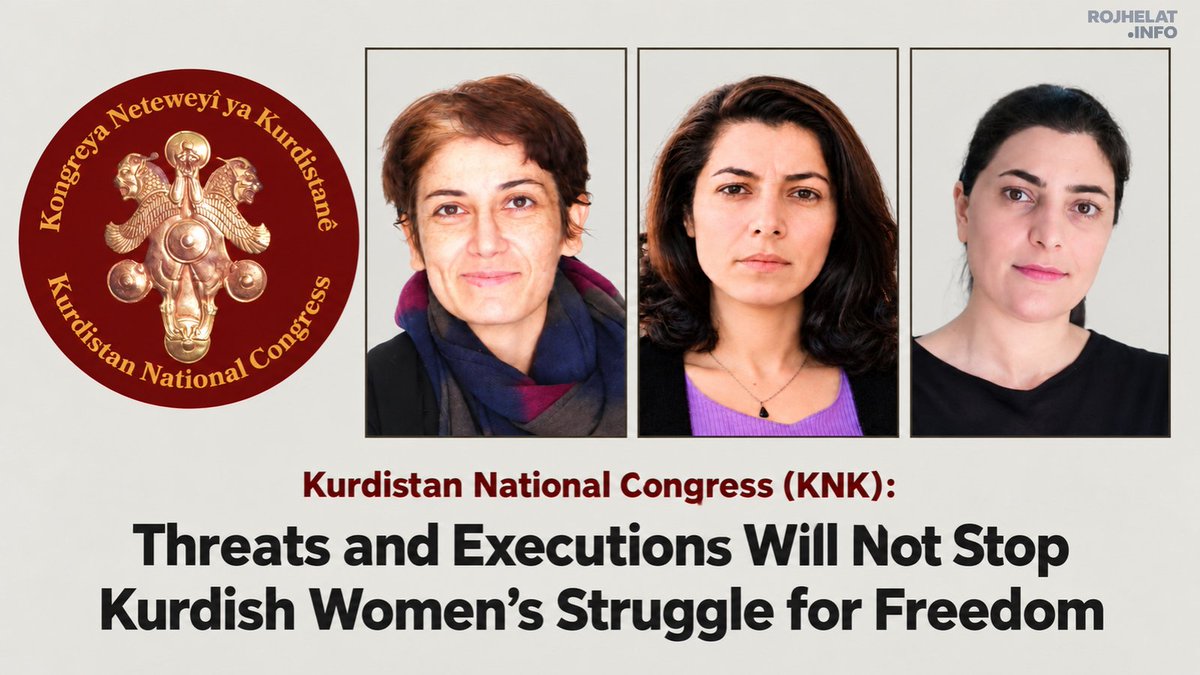
کمیسیون زنان کنگره ملی کردستان (کنک) با اعتراض به صدور دوباره حکم اعدام برای وریشه مرادی، خواستار توقف اعدامها و آزادی فوری او، پخشان عزیزی و زینب جلالیان شد.
KNK Women’s Commission Calls for an End to Executions and the Release of Political Prisoners in Iran
The Women’s Commission of the Kurdistan National Congress (KNK) (@kongrakurdistan) has condemned the renewed death sentence against Verisheh Moradi and called for an end to executions and the immediate release of Moradi, Pakhshan Azizi and Zeynab Jalalian. It said threats and repression would not stop Kurdish women from fighting for freedom.
In a statement dated 20 October 2026, the commission criticised increasing threats and attacks against Kurdish people, the growing number of executions of young people and political opponents, and the continued repression of women in Iran.
The statement described Moradi’s renewed death sentence and the punitive treatment of Jalalian as part of a deliberate policy to intimidate Kurdish women. The commission said the Iranian authorities fear women’s ability to organise communities and mobilise people, as seen during the “Woman, Life, Freedom” uprising.
The commission highlighted Kurdish women’s role in fighting ISIS in Syria and their struggles in Turkey and Iraq. It said threats and repression would not break their determination to achieve freedom.
It called for an end to executions, the release of all political prisoners and conditions that would allow a democratic transition in Iran.
It also described recognition of the right to self-determination for Kurdish people and Iran’s other peoples as an essential part of any political solution.
The statement ended by calling for the immediate release of Moradi, Azizi and Jalalian: “Threats and executions cannot stop Kurdish women from fighting for freedom.”
Read the full statement below:
https://t.co/CnSr2wzAbt
اعتراض دو نماینده پارلمان آلمان به صدور دوباره حکم اعدام وریشه مرادی
جانسو اوزدمیر و سارا میرو، دو نماینده حزب چپ در پارلمان فدرال آلمان، در پیامهایی جداگانه صدور مجدد حکم اعدام وریشه مرادی، زندانی سیاسی کورد و فعال حقوق زنان، را محکوم کردند.
Two German MPs Condemn Renewed Death Sentence Against Verisheh Moradi
Cansu Özdemir (@CansuOezdemir) and Sahra Mirow (https://t.co/jORz4L2T7e), two MPs from Germany’s Left Party, have condemned the renewed death sentence against Verisheh Moradi, a Kurdish political prisoner and women’s rights activist. Özdemir also serves as the party’s foreign policy spokesperson in parliament.
In a post on X, Özdemir said the Iranian government was trying to silence the voices of “Jin, Jiyan, Azadî” — “Woman, Life, Freedom” — through death sentences. She warned that political prisoners were being forgotten while the world discussed Iran, and called for Moradi’s release.
In an Instagram post, Mirow condemned the sentence, highlighting Moradi’s more than three years in prison and her accounts of torture, solitary confinement and forced confessions.
Mirow said the Iranian government was using violence and death sentences to silence women’s resistance. Expressing solidarity with Moradi, she wrote: “Our solidarity does not end at national borders.”
کژک خواستار مبارزه مشترک علیه اعدامها در ایران شد
شورای هماهنگی کنفدرالیسم زنان کوردستان (کژک) با همبستگی با وریشه مرادی و پخشان عزیزی، از سازمانهای زنان، مدافعان حقوق بشر و نیروهای دموکراتیک خواست با اقدامهای مشترک، برای توقف اعدامها و حمایت از زنان زندانی تلاش کنند.
KJK Calls for Joint Action Against Executions in Iran
The Kurdistan Women’s Communities (KJK) (@KJK_English) condemned the death sentence handed to Kurdish political prisoner Verisheh Moradi in a statement dated 11 November 2024. It called for the sentence to be overturned immediately and political prisoners to be released.
The group described executions and repression as attempts to break women’s resistance. It urged the Iranian authorities to respect human rights and democratic principles and listen to the demands of women and other groups in society.
Expressing solidarity with Verisheh Moradi and Pakhshan Azizi, KJK called on women’s organizations, human rights defenders and democratic groups to take joint action to stop executions and support women in prison.
The full text of KJK’s statement is available at the link below.
https://t.co/Vd4tTO8Hyf
هیئت نمایندگان کنفرانس ژنئولوژی اروپا در بیانیهای خواستار آزادی تمامی زندانیان سیاسی در ایران، بهویژه وریشه مرادی، پخشان عزیزی و زینب جلالیان شد و بر ضرورت اقدام برای توقف اعدامها تأکید کرد.
Jineology Conference in Europe Calls for Release of Political Prisoners and an End to Executions in Iran
Delegates at the Jineology Conference strongly condemned the decision to sentence Kurdish political prisoner Verisheh Moradi to death for a second time and called for collective action against executions in Iran. Their statement also demanded the release of all political prisoners, specifically naming Verisheh Moradi, Pakhshan Azizi and Zeynab Jalalian.
The statement, presented during the conference, condemned the Islamic Republic’s violence and inhumane treatment of women and young people. It called on human rights organizations to support prisoners and take action to stop executions.
“On behalf of the European Jineology Conference delegation, women seeking freedom in Europe and Asian countries, and Kurdish women, we condemn the violence and inhumane actions of the Islamic Republic of Iran, the execution of Kurdish women and young people, and all other executions,” the delegates said.
They urged human rights organizations to help bring their appeal to a wider audience and strengthen solidarity with women and young people in Iran.
“We call on all human rights organizations and institutions to help our voices reach more people, support us, stand against the Islamic Republic’s violence against women and young people, raise their voices and express their opposition,” the statement said.
The delegates also called for support in defending women’s rights in Iran and eastern Kurdistan, urging human rights groups to speak out against violence and repression.
Calls to Free Verisheh Moradi, Pakhshan Azizi and Zeynab Jalalian
Addressing the situation of political prisoners, the delegates called on the Iranian authorities to release everyone imprisoned for political reasons as soon as possible and address the plight of women and young people held in prison.
“We call on the Islamic Republic of Iran to release all political prisoners without delay, particularly to address the situation of Verisheh Moradi, Pakhshan Azizi, Zeynab Jalalian, and all innocent women and young people held in its prisons,” they said.
The statement expressed firm opposition to the death penalty and declared: “No to executions! Long live Woman, Life, Freedom!”
Following the statement, several delegates spoke in English, Persian, Italian, Spanish and German, calling for an end to executions in Iran and an immediate halt to the execution of Verisheh Moradi. This part of the conference ended with chants of “Jin, Jiyan, Azadî — Woman, Life, Freedom.”
The event was the 15th annual Jineology Conference, organized by the Jineology Academy in Europe and held over three days in the Netherlands.