🚀 Hi X community! I'm excited to launch this account, where I'll share football scouting reports, game analyses, and insights into the world of scouting and analytics. Let me introduce myself and my vision for this project! ⚽📊
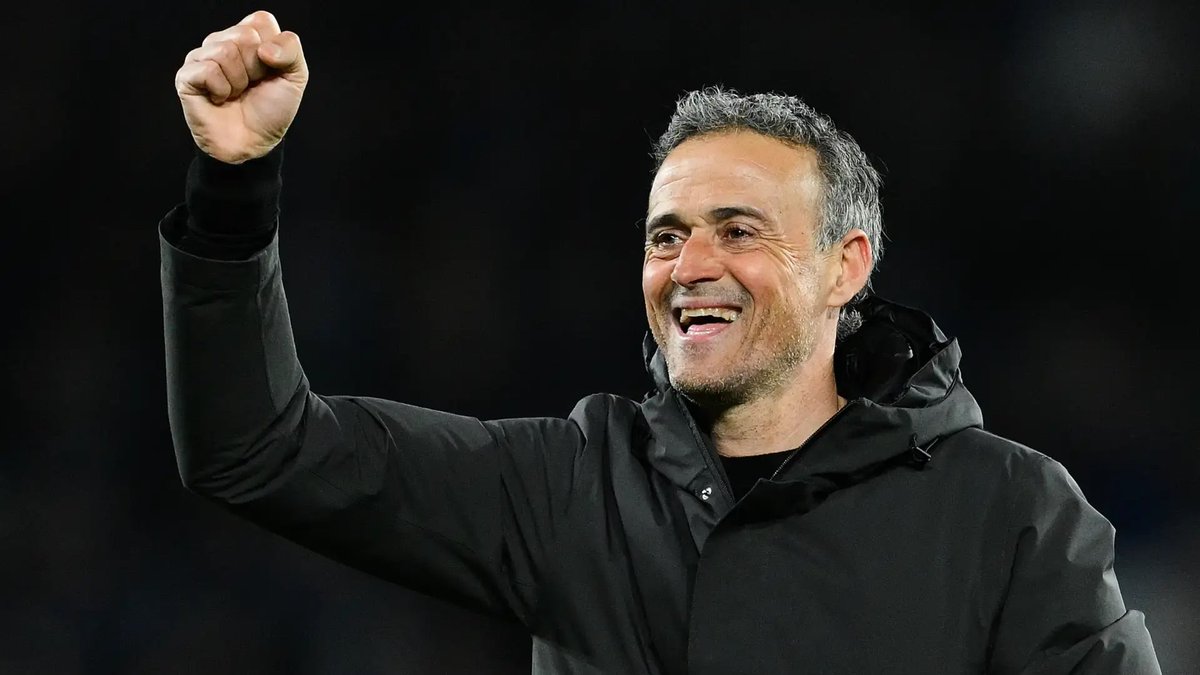
🇪🇸 Luis Enrique Martínez (🇫🇷)
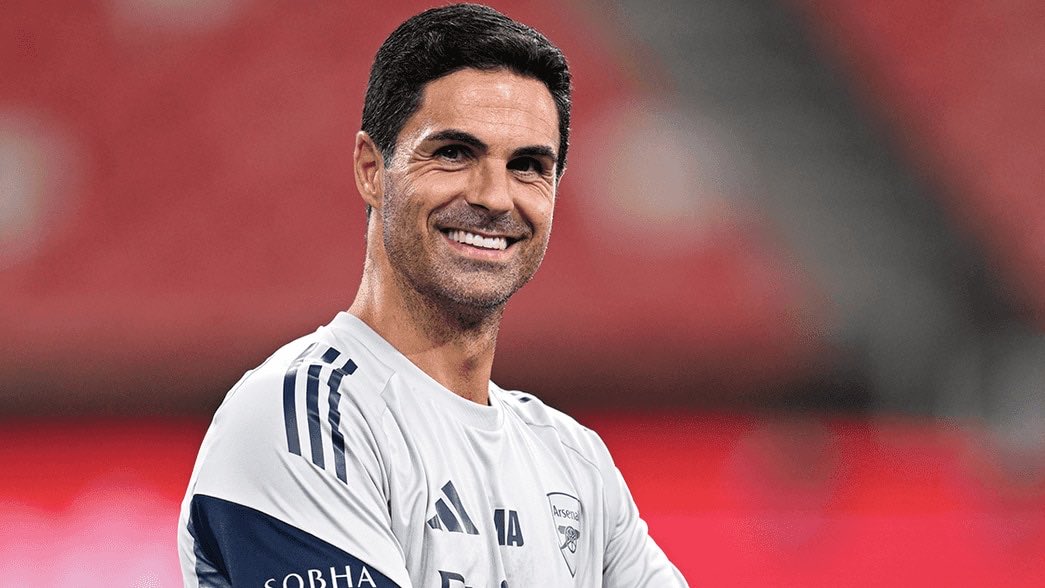
🇪🇸 Mikel Arteta (🏴)
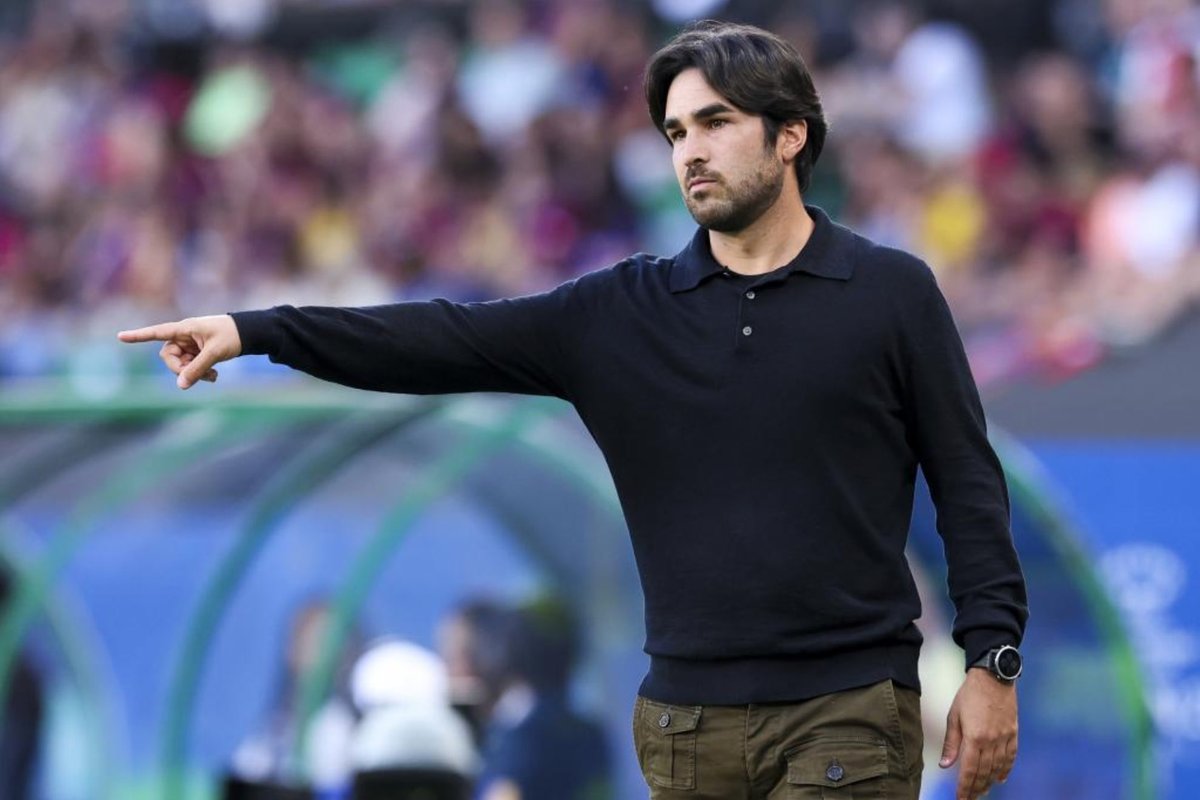
🇪🇸 Pere Romeu (🇪🇸)
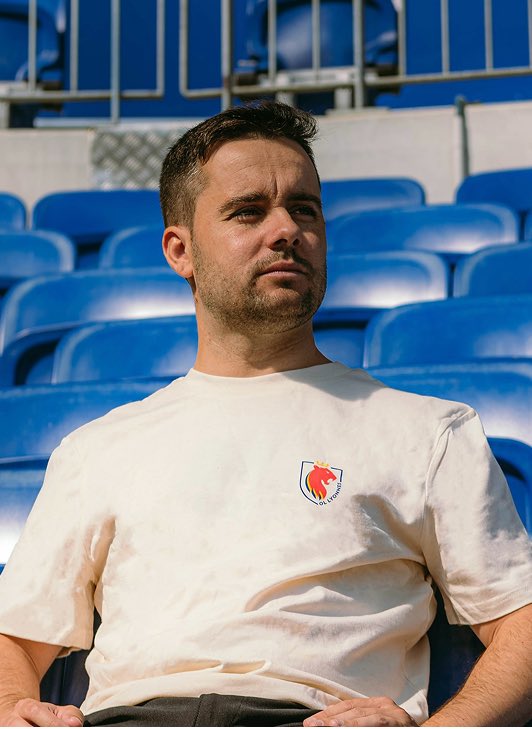
🇪🇸 Jonatan Giráldez (🇫🇷)
Los entrenadores de los finalistas de la Champions masculina y femenina son TODOS españoles por primera vez en la historia.
Quieres algo diferente😉
Sorprende a tu Cuerpo Técnico con informes muy profesionales❤️❤️
Entonces lo que buscas se llama ☑️GENIALLY😉
Como conseguirlo❓
1-RT🔄
2-MG❤️
3-Sigueme @jvika23
4-Email📩
Totalmente editable y fácil de usar💪💪
A qué esperas🎁🎁
https://t.co/NpF5LVlf9Y
El profe Ortega uno de los mejores Preparadores Físicos del mundo,estuvo 13 temporadas en el Atlético de Madrid💪💪
Te gustaría tener 30 circuitos de la ELITE👏👏
Como conseguirlo❓
1-RT🔄
2-MG❤️
3-Sígueme @jvika23
4-Email📩
No lo dejes escapar💪💪
https://t.co/gIpwkaA8KP
📢Atención: ¡SORTEO licencia prémium de Tacticalpad! La mejor app de diseño de tareas de fútbol en 3D. Para participar es muy sencillo:
🔃RT este mensaje.
✅Seguir @coachingfutbol
El ganador saldrá el próximo martes 10 de marzo. Pronto más sorteos. ¡Mucha suerte! 📌
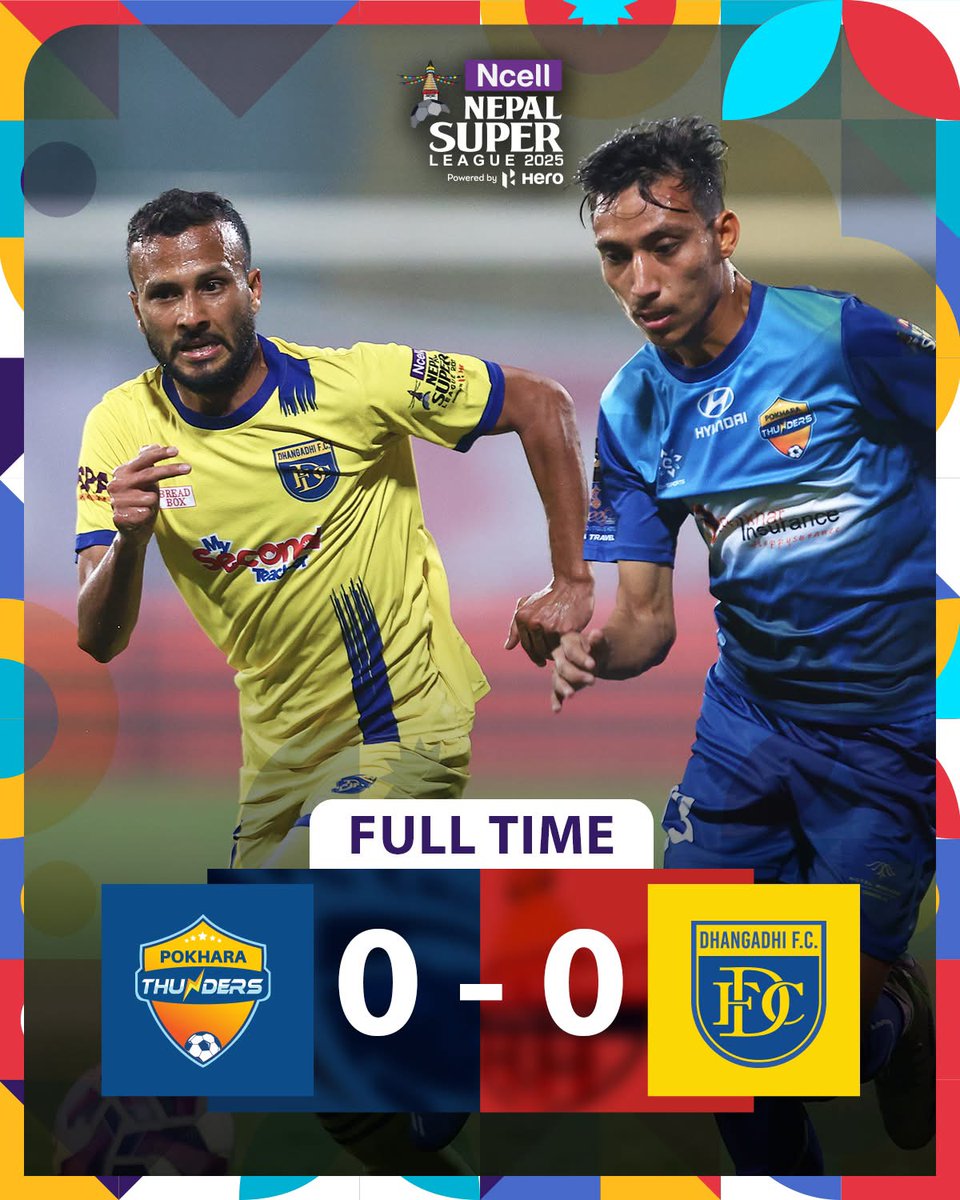
Dhangadhi adopted a fresh approach for this match, implementing a new system—3-1-4-2 in possession and 5-1-2-1-1 out of possession—along with several lineup changes from their previous game, likely influenced by a demanding upcoming schedule. While they enjoyed a numerical advantage during buildup, their three center-backs struggled to connect passes with the midfield. Coupled with limited movement from their attacking players, Dhangadhi found it challenging to create through central areas. Their two wing-backs, however, played with an attacking mindset and generated a handful of scoring opportunities. A recurring theme across recent matches in the tournament is the noticeable lack of energy among players, a natural consequence of the high volume of games played in a condensed timeframe.
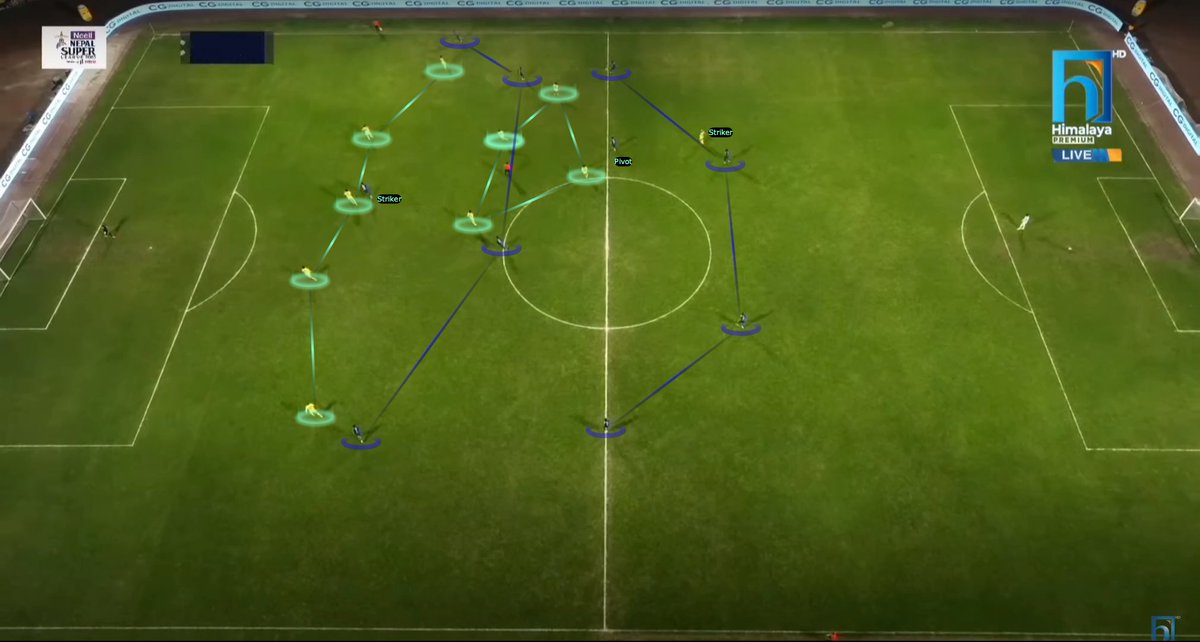
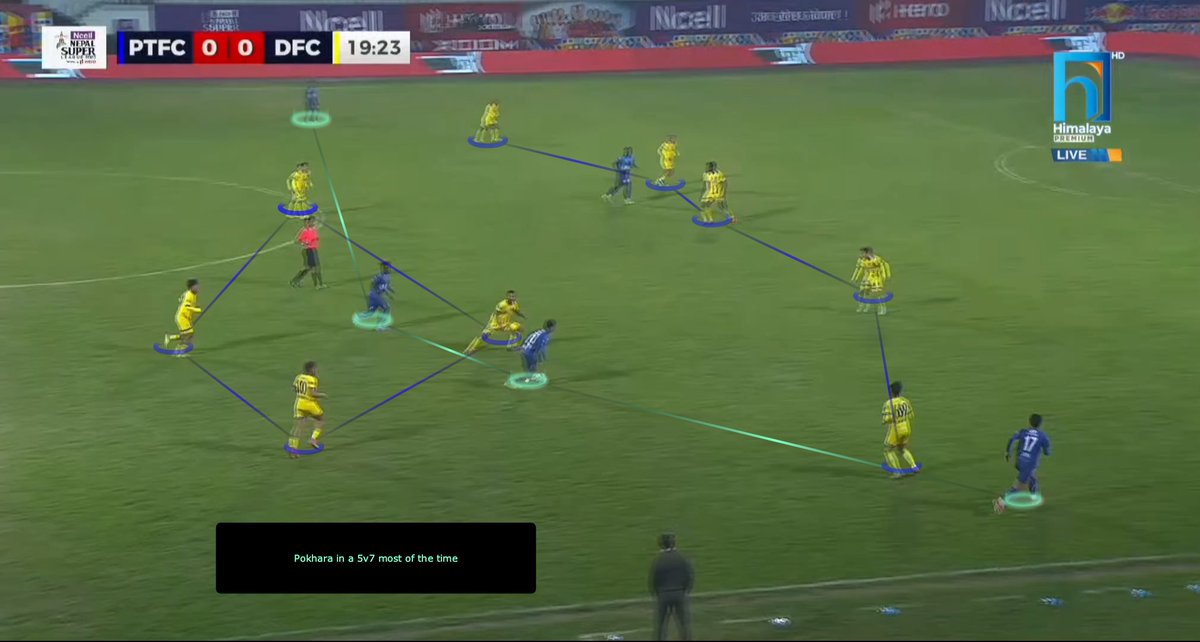
Pokhara Thunders stuck to the same approach they’ve employed throughout the tournament, deploying a 4-1-4-1 system. However, they struggled to generate scoring opportunities due to limited movement in the attacking third and a significant numerical disadvantage against Dhangadhi’s 5-1-2-1-1 defensive setup. Despite a strong showing from their pivot, Suraj Thakuri (#23), Pokhara found it challenging to advance the ball to their 8s (#10 and #13), who were frequently outnumbered in 3v2 situations, with Dhangadhi’s #39 closely marking Thakuri. As a result, Pokhara Thunders faced considerable difficulty creating chances, managing only a handful of shots throughout the match.
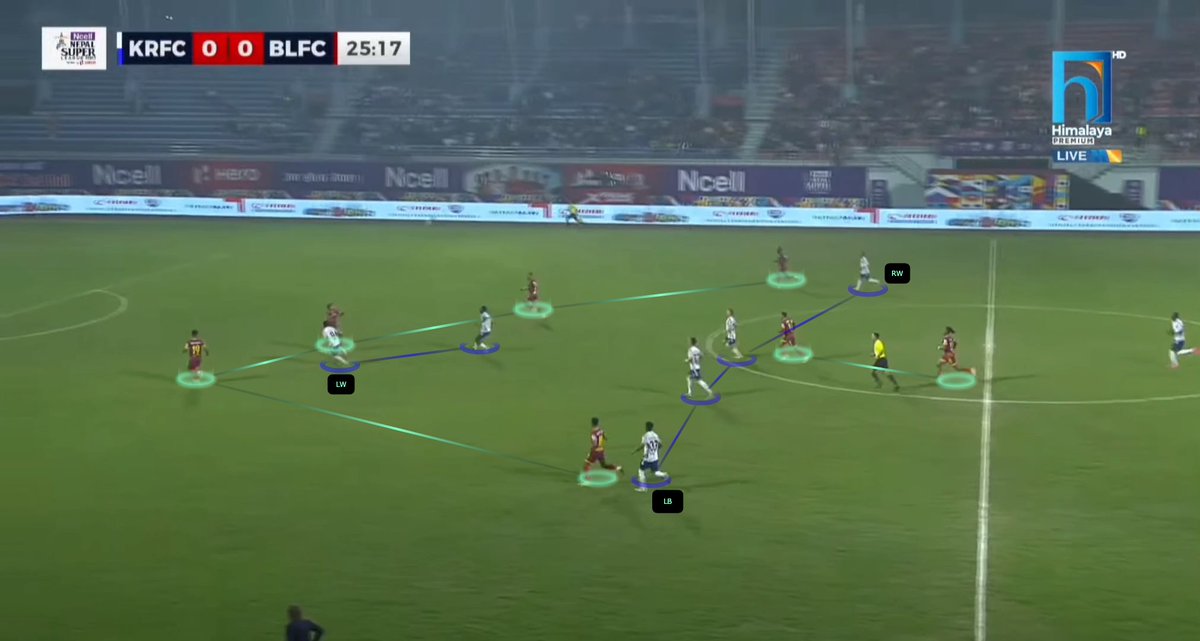
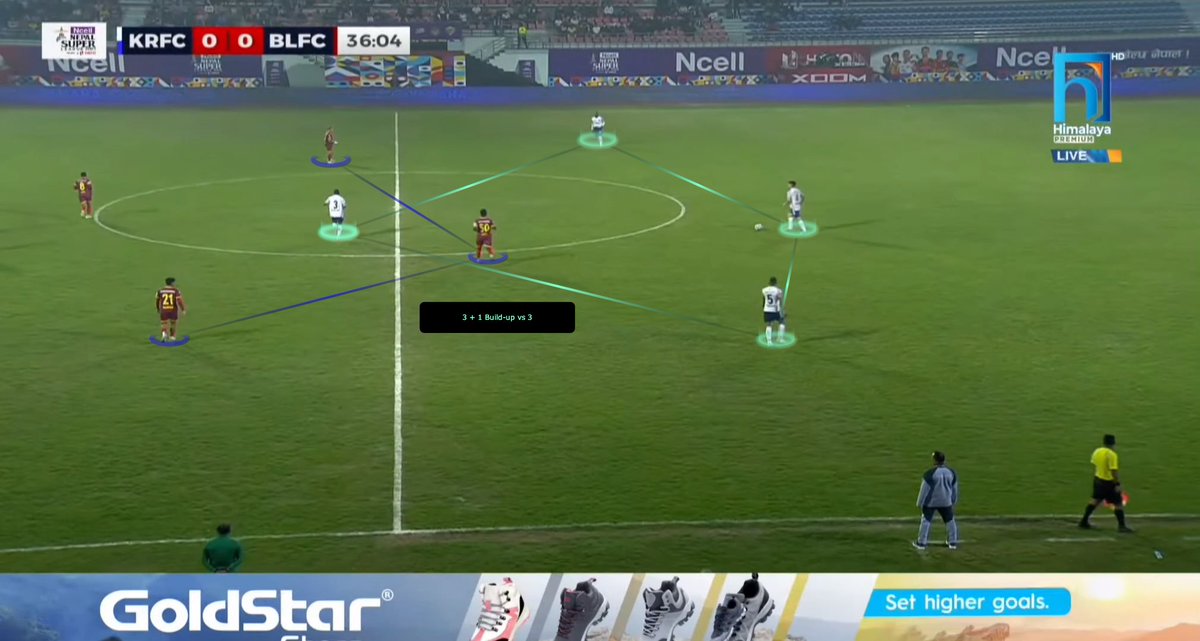
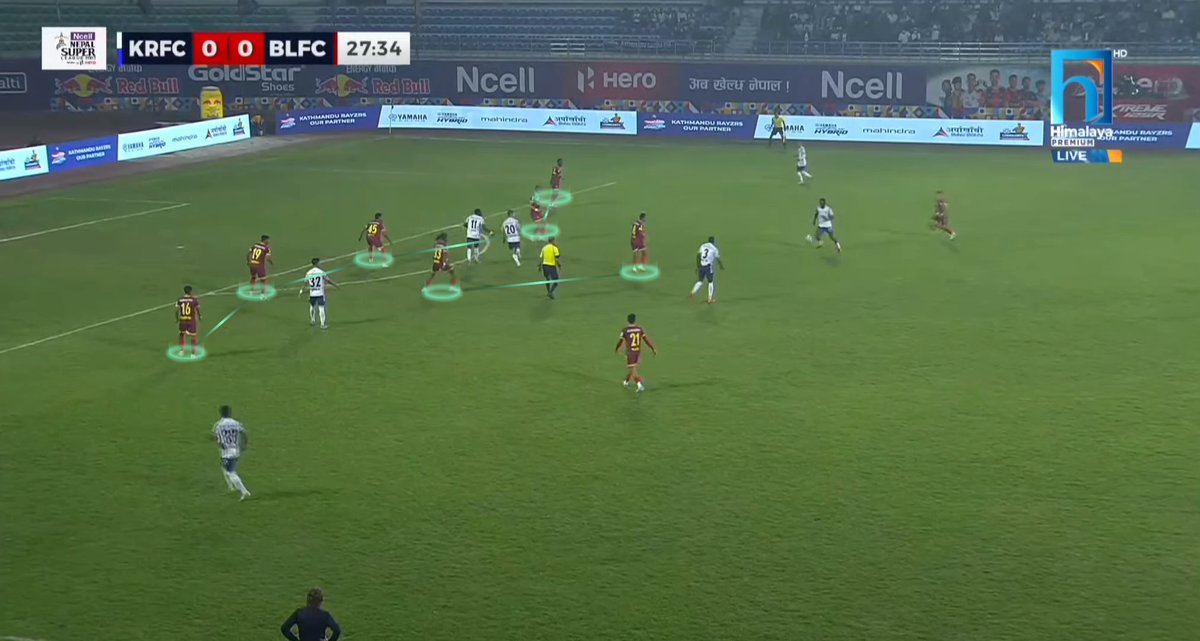
Butwal Lumbini began the match in a 5-2-3 formation, showcasing defensive solidity in the first half with a low block anchored by five defenders and two midfielders. Their primary challenge was a shortage of players when transitioning to attack. Kathmandu consistently held a significant numerical edge whenever Butwal Lumbini managed to string passes together and advance into offensive areas, resulting in only a handful of chances in the opening period. At halftime, Butwal Lumbini shifted to a 4-2-3-1 system, aiming to press man-to-man against Kathmandu’s 3+1 buildup. This adjustment provided more players to capitalize on possession but exposed greater space at the back. In the second half, Butwal Lumbini created more scoring opportunities, but a red card in the 70th minute extinguished their hopes of securing points from the game.
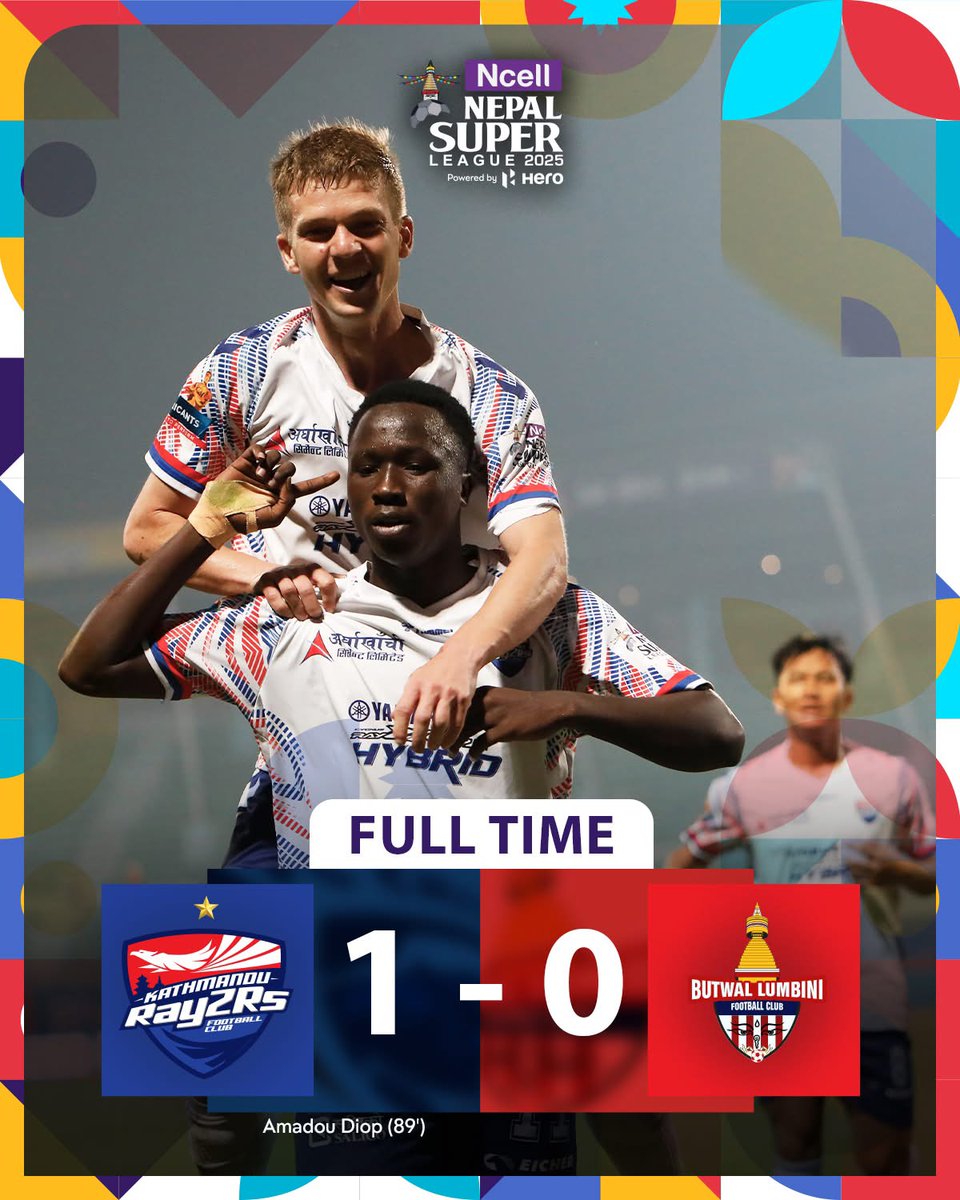
-NSL 2025 Match 11: Kathmandu Rayzrs 1-0 Butwal Lumbini
-3-1-4-2 IP vs 5-2-3 (4-2-3-1 2nd Half)
-Amadou Diop (#11) vs Deep Karki (#22)
#NSL2025#NepalSuperLeague#NepalFootball
Kathmandu Rayzrs adopted a more assertive approach compared to their previous 2-0 defeat against Pokhara Thunders. Their strategy was well-defined, utilizing a 3-1-4-2 formation in possession to facilitate a short buildup with three defenders (right-back and two center-backs) alongside the pivot (#3), giving them numerical superiority against Butwal Lumbini’s front three. The left-back and right winger maintained width, forming a box midfield with two attacking midfielders and two forwards (the striker and right winger). In the first half, Kathmandu’s buildup functioned effectively, though they failed to score due to Butwal Lumbini’s resolute defending. Butwal Lumbini employed a 5-2-3 defensive system with a low block, patiently absorbing pressure and limiting Kathmandu’s space to complete attacks. In the second half, Butwal Lumbini shifted to a 4-2-3-1, which allowed Kathmandu more room to create and generate chances. Following a red card to Butwal Lumbini in the 70th minute, Kathmandu intensified their pressure and secured a late goal through Amadou Diop in the closing moments of the match.
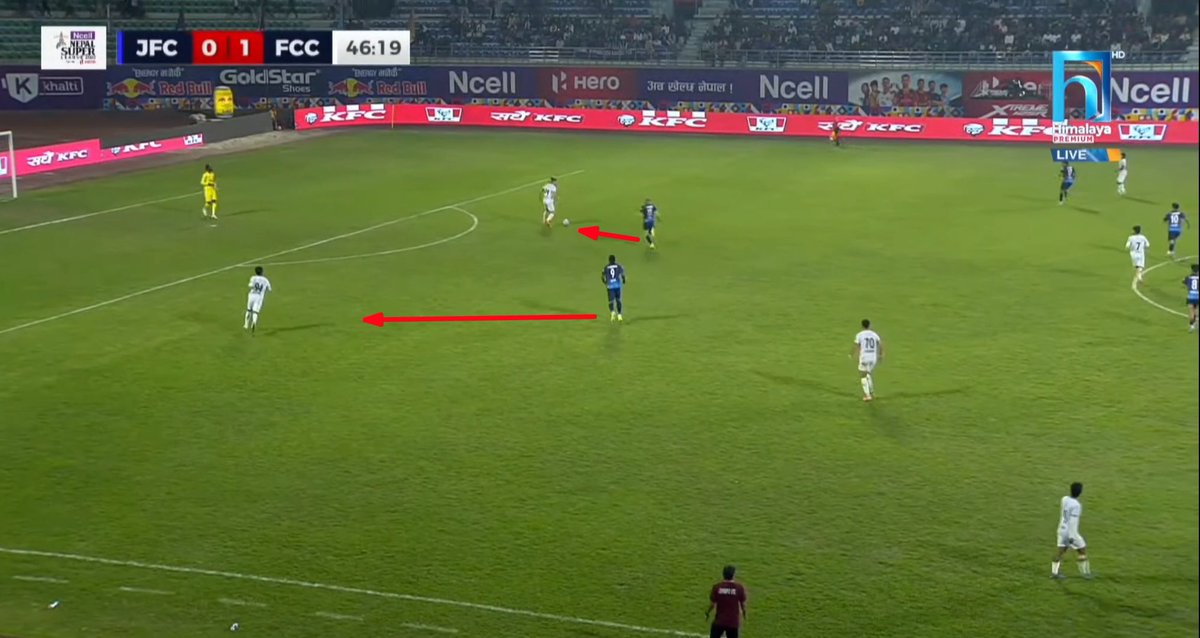
Chitwan fielded the same lineup and system as in their previous two matches. Employing their trademark 4-1-4-1, they controlled the first half, leveraging midfield dominance to shift toward a shorter passing game compared to their earlier outings. Their primary focus was to locate Torric Jerbin (#19), a task made straightforward by Jhapa’s defensive setup. Jhapa, defending in a 4-2-3-1 during the first half, allowed Chitwan’s center-backs to initiate buildup and connect with one of their midfielders. In the second half, however, the toll of accumulated minutes became evident as Chitwan’s performance waned. Jhapa’s switch to a high-pressing 4-4-2 system disrupted Chitwan’s center-backs, who struggled to build play and find an open midfielder—a weakness Jhapa exploited effectively throughout the second period.
Jhapa opened the match in a 4-2-3-1 system, granting #11 a free role to generate overloads alongside the fullback and winger. During the first half, Jhapa found it difficult to retain possession and largely adopted a defensive posture. Chitwan’s 4-4-2 defensive setup prevented Jhapa from playing short passes, and the significant gaps between Jhapa’s lines hindered their ability to win second balls and dictate the game. In the second half, the introduction of two fresh wingers and a midfield reshuffle—positioning #11 as a lone pivot with #10 and #8 ahead of him—transformed Jhapa’s performance. They dominated the second period, creating numerous chances and securing a 1-1 draw with a goal in stoppage time.
Lalitpur City kicked off the match in a 4-1-2-3 formation in possession. Featuring 10 of the same starters from their previous encounter with Pokhara Thunders, they opted to rest their key offensive player (#8). Now in their third game of the season, their distinct identity on the pitch is unmistakable. With two attack-minded fullbacks, a steady pivot, an 8 and a 10 frequently swapping roles, and three forwards constantly interchanging positions, Lalitpur City pose a significant threat in possession. Their primary objective is to create a substantial overload on one flank, typically amassing around five players near the ball, while the opposite winger remains wide to cap the move with a diagonal run into the box. This system, paired with a straightforward and solid defensive approach, enables Lalitpur City to generate numerous scoring opportunities throughout the match. Pokhara Thunders countered with a 4-4-2 mid-block, a defensive shape that has become a recurring theme among many teams in recent days of the competition.
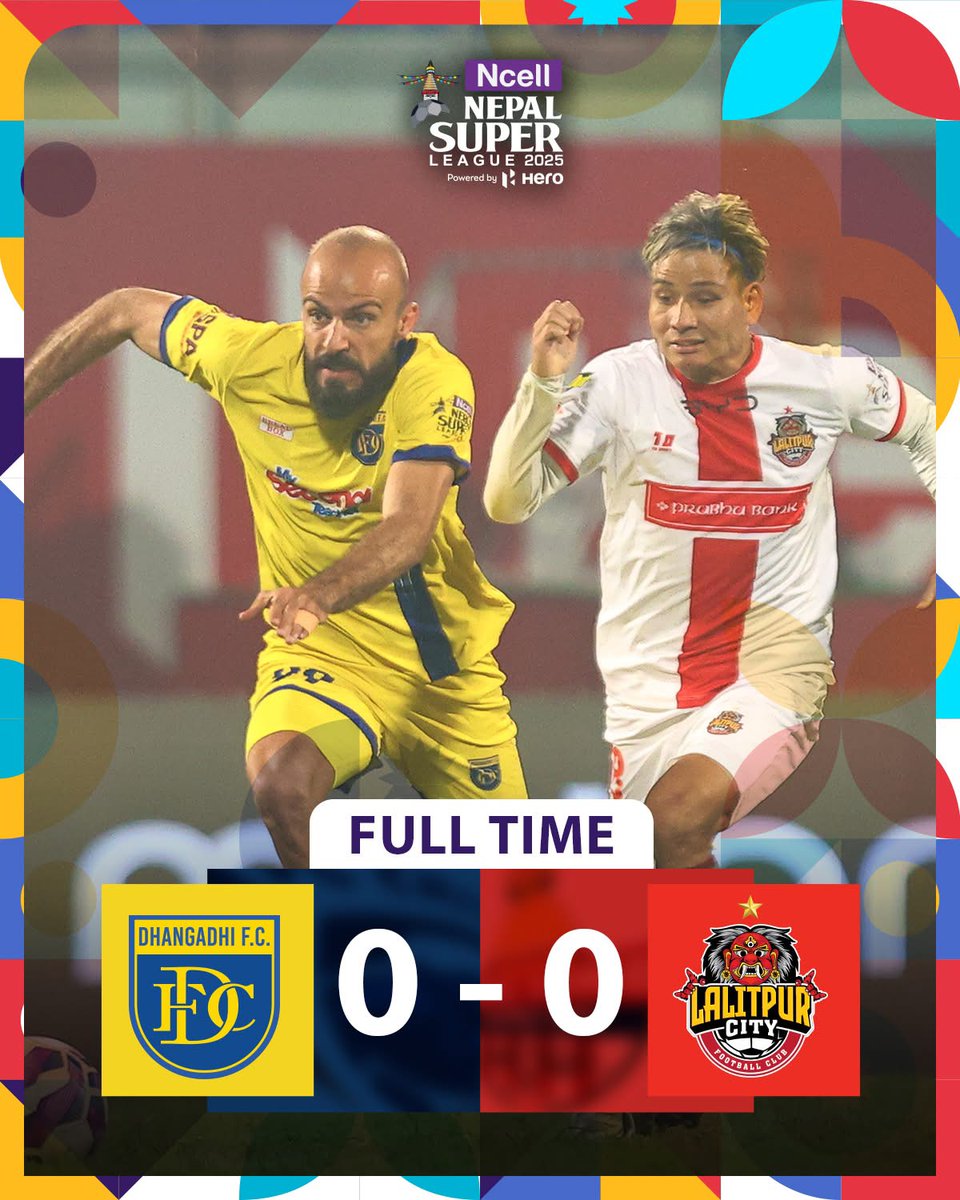
Dhangadhi kicked off their second NSL match with the same starting lineup as their opener against Butwal Lumbini, though they introduced tactical adjustments. Facing Lalitpur City’s 4-4-2 mid-block defensive setup, Dhangadhi adopted a 3-4-3 buildup structure. Their pivot (#94) dropped into one of the three defensive roles, freeing the fullbacks to advance. The next phase involved seeking a long ball—typically from #94 to a winger—aiming to create an overload and win the second ball with the support of the fullback, the striker, and one of the two nearby midfielders. Dhangadhi generated several clear scoring opportunities but failed to capitalize due to misfortune. The game’s intensity waned in the final 25 minutes, as the players’ fitness levels visibly declined.