built a thing i've been using every day for my own teams
it's called Corda
tasks, teams, progress, and everything in one place
also works surprisingly well for managing your own work
it's live & free at https://t.co/piHrHN0O0b
give it a try and let me know what you think
networking from scratch, day 6: tcp half open
how does nmap check which ports are open? it sends a syn, the server replies syn-ack if the port’s open, and then nmap just walks away without the final ack. the server is left waiting on a handshake that never finishes
this is how admins audit their own servers, like catching a forgotten ssh port open to the world. it’s quieter than a full connection too. if you do it thousands of times though, the server runs out of room holding half open connections
you don’t hear about it much now because http2 keeps one long connection open, so the handshake cost only hits once, and http3 moved to quic on udp, so it skips the tcp handshake entirely
networking from scratch, day 5: tcp fast open
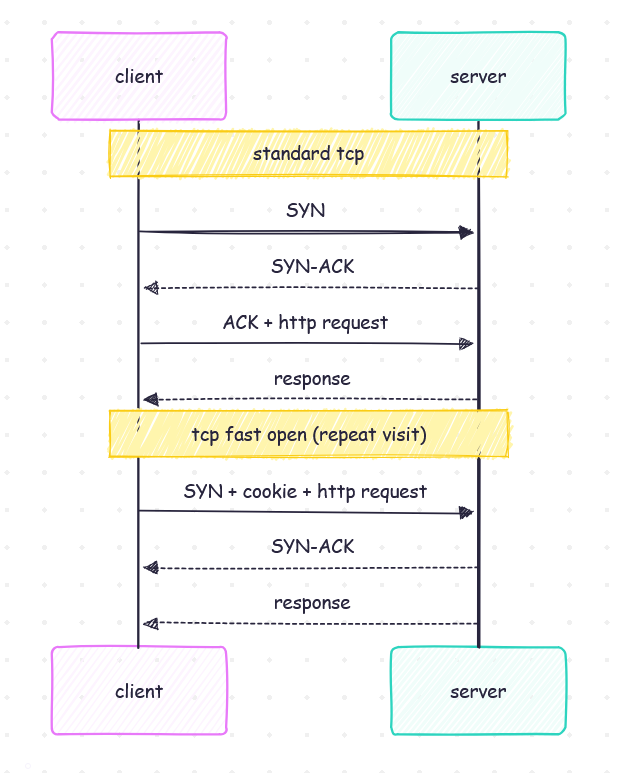
remember the handshake from day 1? tcp fast open skips the wait. the server hands your device a cookie on the first visit, next time you send data with it in the very first packet. repeat visits save a full round trip
one common cause is an mtu (max transmission unit) mismatch. a packet is bigger than some router on the path can handle, so it gets dropped, and the sender keeps retrying until it shrinks the segment size, sometimes all the way down to 536 bytes as a last resort
networking from scratch, day 4: tcp retransmissions
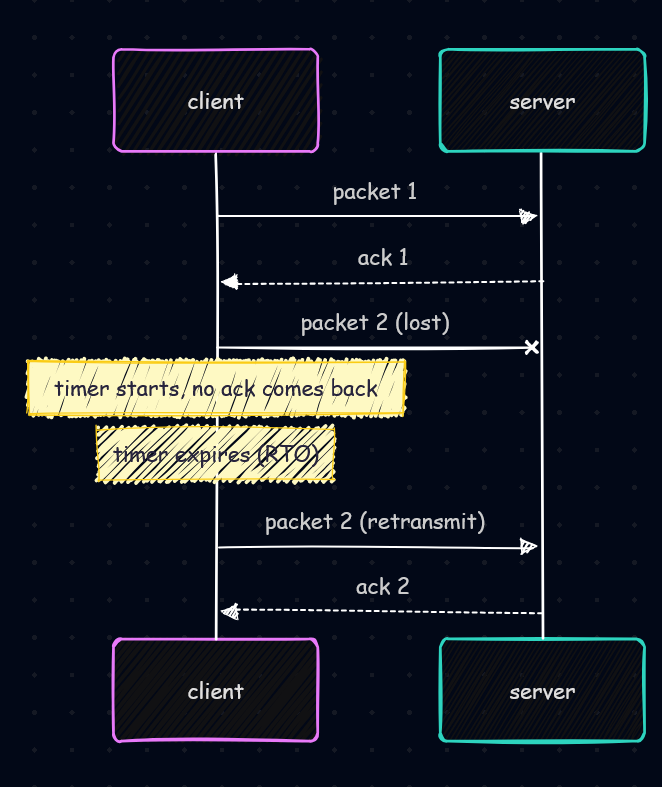
ever had a page hang on bad wifi and then just load? that pause is often tcp waiting. the sender starts a timer when it sends data, and if no ack comes back in time, it assumes the packet is lost and sends it again
networking from scratch, day 3: tcp slow start
ever notice a site’s first load is slower than the later ones? part of it is tcp starting slow on a new connection, a tiny window of packets that grows as acks come back, until something drops
also built an interactive representation with radar comparisons, scatter plots and full scorecards
live: https://t.co/CUsJlAjYYJ
earlier project on reddit: https://t.co/K2TUBFBm0B
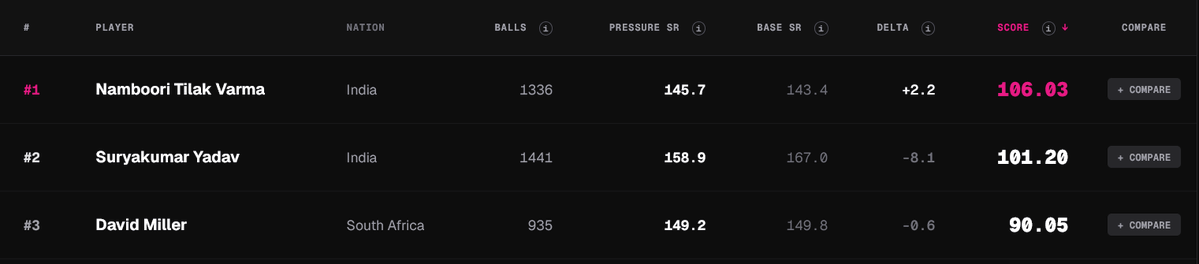
4/5: one result i liked was tilak varma at #1. he’s the only top batter whose strike rate goes up under pressure (+2.22 lift) while averaging 38.9
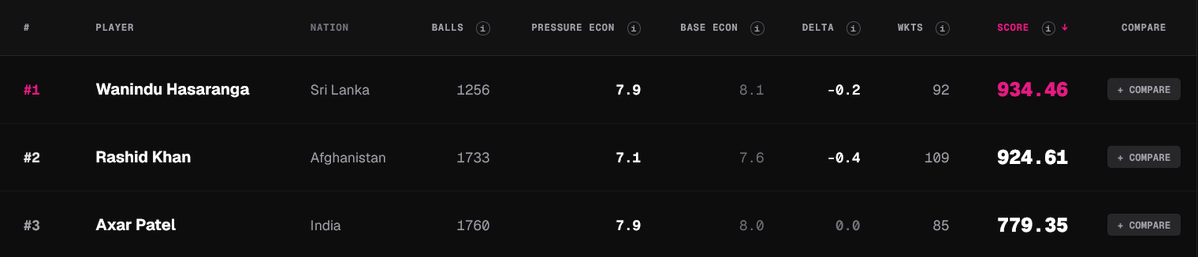
hasaranga edged rashid khan as top bowler on low total defense, and muzarabani stood out defending sub par totals
basically its like warming up an engine. it’s on purpose, so the internet doesn’t get flooded. it’s also why proxies keep connections warm, and why backend services open connections to each other early instead of on the first request
networking from scratch, day 3: tcp slow start
ever notice a site’s first load is slower than the later ones? part of it is tcp starting slow on a new connection, a tiny window of packets that grows as acks come back, until something drops
networking from scratch, day 2: tcp vs udp
tcp makes sure everything arrives, in order. slower, but nothing is lost. databases, chat apps, most of the web
udp just sends it and moves on. faster, but if a packet drops, too bad. video calls, games, dns
was reading @Harry_The_Nerd's blogs on distributed systems and understood the cap theorem through them
cricbuzz can show a slightly old score and stay up, a banking app would rather show an error than a wrong balance
availability v consistency, pick one if the network splits