I've spent an embarrassing amount of time thinking about food, drinks, and weather forecasts for this thing.
Looking forward to seeing everyone at the CHQ Summer Party.
If it rains, we're blaming Ken.
The countdown is on ☀️
We're looking forward to seeing clients, friends, and the CHQ team at our Summer Party.
Good food, cold drinks, and a chance to catch up outside of calls, texts, and campaign deadlines. RSVP here https://t.co/liP1Hry7vJ
A lot of campaigns think they need to send a text but what they actually need is a texting program.
The difference matters.
Watch Ken explain why compliance, consistency, and strategy are just as important as hitting "send.
We know campaign season is stressful 😵💫 and you've had more coffee than any human should legally consume.
That's exactly why you should join us for the CHQ Summer Party.
Good people, cold drinks, and absolutely no voter universes discussed... unless you bring them up first. 🤓
https://t.co/ZfcTp4Dvh0
Tomorrow's primary is coming whether you're ready or not. If you've suddenly realized you need one more round of calls, a quick text program, or a last-minute GOTV push, we still have a little room left.
Primary campaigns don't have unlimited budgets. Every voter contact decision matters.
The campaigns winning aren't always making more calls. They're making smarter ones. Check out what our Ken Tracy had to say about this issue. ⬇️
Your message isn't just competing for attention anymore. It's competing with filters, algorithms, spam screens, AI detection tools, inbox sorting, and whatever new gatekeeper got added this week.
There are a lot of things to worry about in campaigns and public affairs.
Wondering whether your message actually got in front of a real human probably shouldn't be one of them.
This is one reason phones still matter.
Curious what people are actually seeing on the ground right now, especially in lower-turnout environments, so let's take a vote!
What voter contact tactic is the most UNDERVALUED in politics?
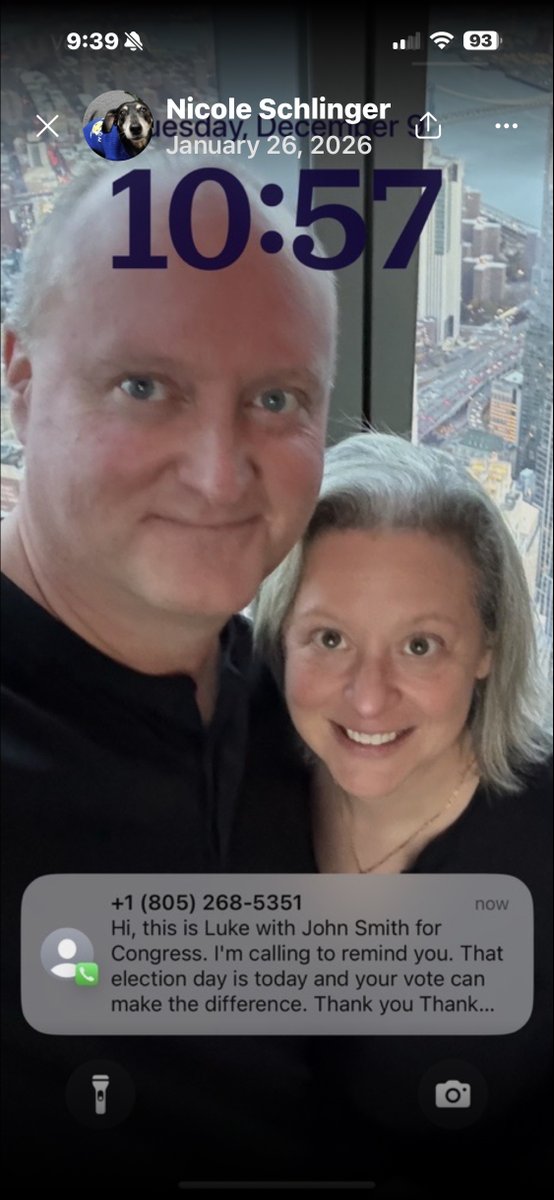
A lot of people heard "iOS26" and immediately jumped to "phones are dead."
The data said otherwise.
Thanks to @C_and_E for sharing what we're actually seeing in the field. https://t.co/cOt8P3YInP
“Session’s over.”
I mean, technically, yes. But if your bill is sitting on the Governor’s desk right now, you know the panic just changed forms.
We’ve already had conversations this week about spinning up quick patch through calls and text programs to drive constituent and member outreach before final decisions get made.
If you missed our webinar last week, we turned it into a blog because apparently some people still like “reading.”
We broke down what’s actually working right now in campaign voter contact, including live calls, telephone town halls, texting strategy, GOTV, and live ringless voicemail.
Spoiler: phones still work.
Read it here: https://t.co/VngR8Isb1I
Blind ID calls are still one of the best ways to figure out who’s actually with you before you waste money talking to the wrong voters.
Especially useful in primaries, local races, ballot fights, and low-information elections where the file only tells you so much.
If you've never used them before, or aren't sure if they're right for you, I"m breaking them down a bit ⤵️
https://t.co/tgnJZI7WiK
Giddy up! 🐎
We’ll be at the Music City Happy Hour on May 11. It's going to be an awesome crowd, stacked with the best.
We're proud to be teaming up with a great group for this one:
BHA Strategy, Fulcrum Intel, @JLKPolitical Strategies, @Republican_Jobs, @DirectEdgeGOP Campaigns, LLC and RYE Digital Strategies.
You better get here.
👉 https://t.co/wY9hLJa1fG
Had a conversation this week where I said: campaigns spend way too much time on messaging and not enough time on whether the right voter is hearing it the right way at the right time.
Got me thinking… what are everyone else’s campaign hot takes? 🔥
You’re probably spending a lot of time on messaging right now.
Fair.
But… are the right voters actually hearing it?
That’s the gap we’re talking about. What works. What doesn’t. What actually moves votes.
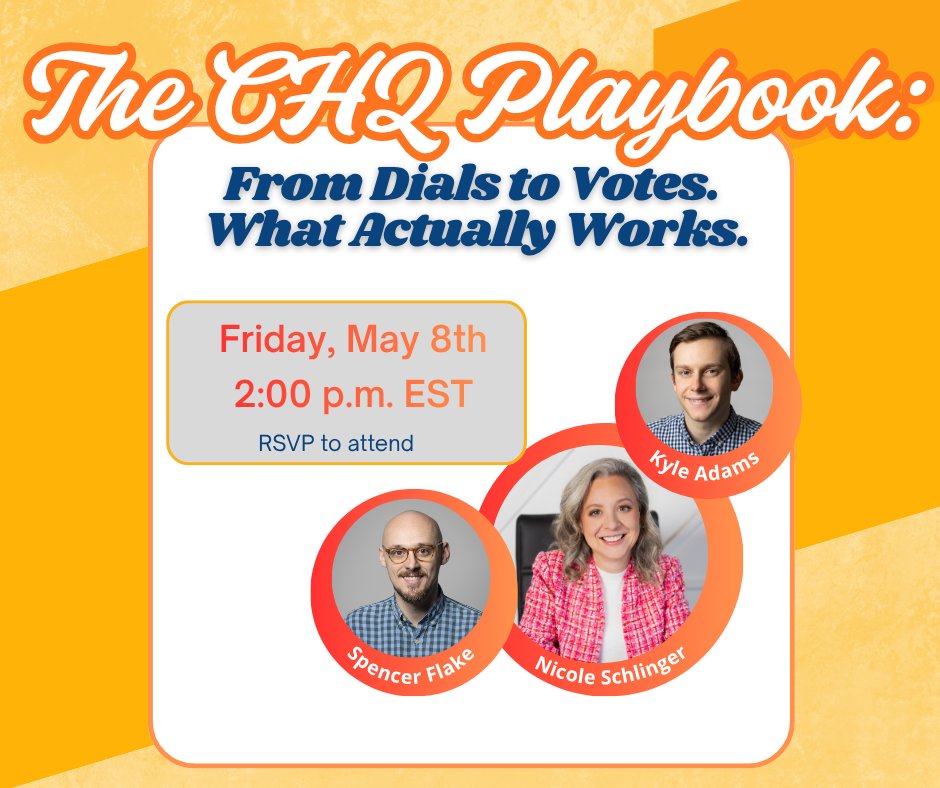
Join us: The CHQ Playbook: From Dials to Votes
May 8 | 2pm ET
RSVP → https://t.co/GMBZwQiudj
If a voter can’t explain your issue in 10 seconds, it’s not going anywhere.
That’s why patch-through calls work. You meet people where they are, help them understand your issue, and then you connect them directly to the office that matters.
This is why I talk about live ringless voicemail so much.
➡️ It shows up front and center.
➡️ On their phone.
➡️ With an actual human voice.
You can’t scroll past it and it's hard to ignore. We’re seeing more campaigns lean into this already this cycle.
Here’s one we ran recently:
https://t.co/miQdFfj4ca.
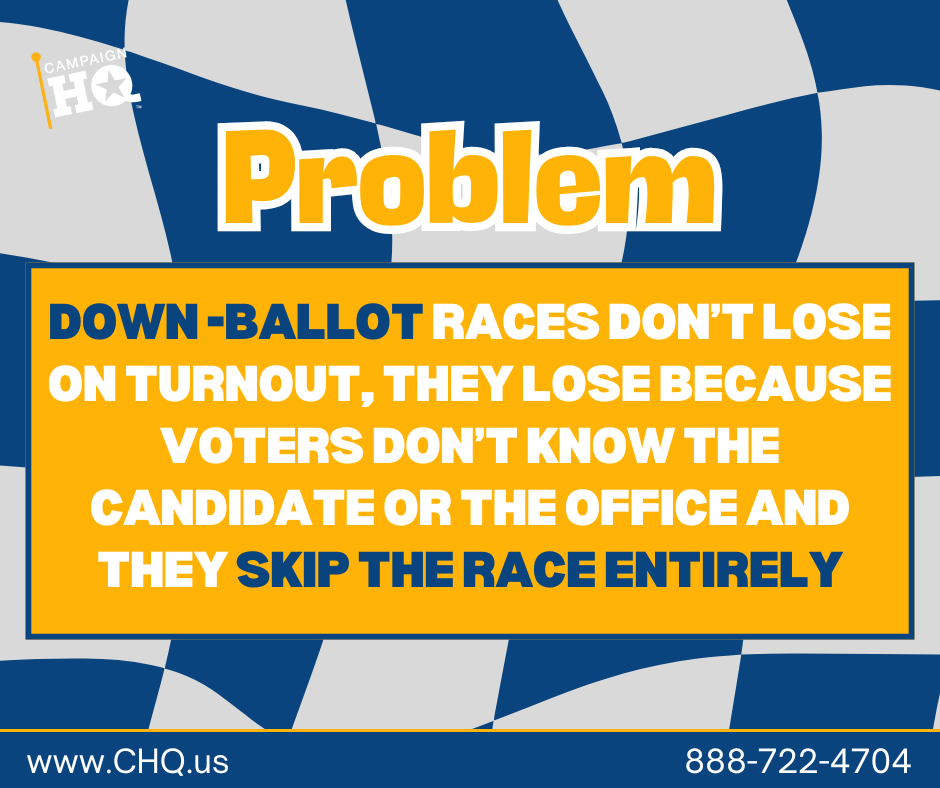
Quick reality check for down-ballot races:
If voters don’t know you…they don’t vote for you.
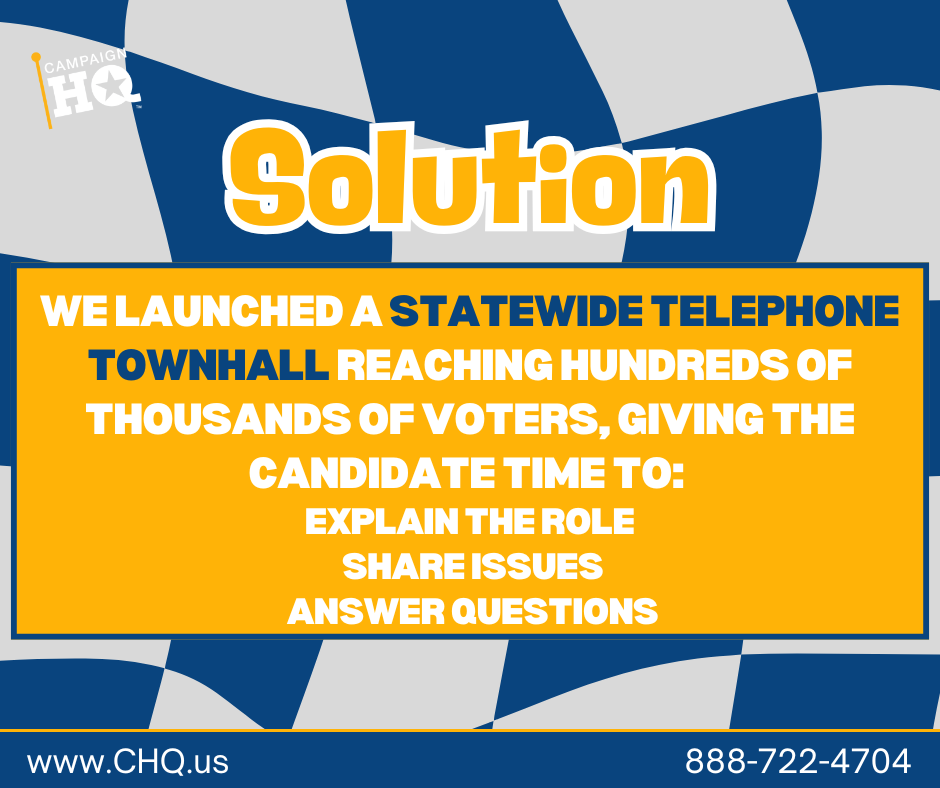
This campaign used a telephone townhall to change that fast.
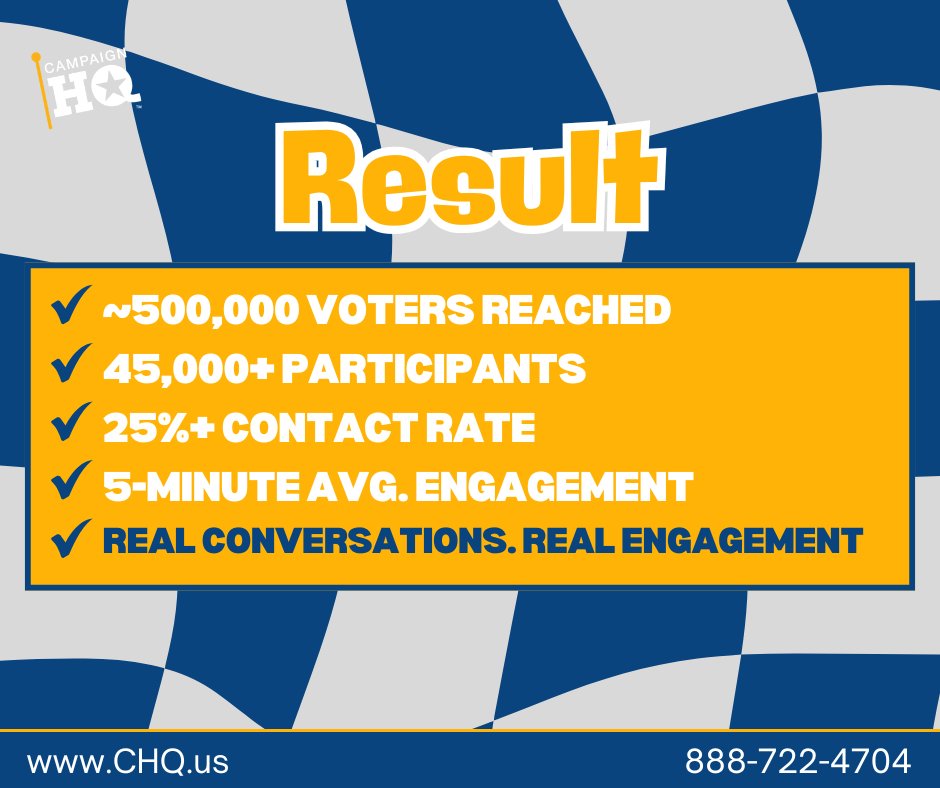
Reached 45,000+ voters in one night and actually had them engaged, asking questions, and paying attention.
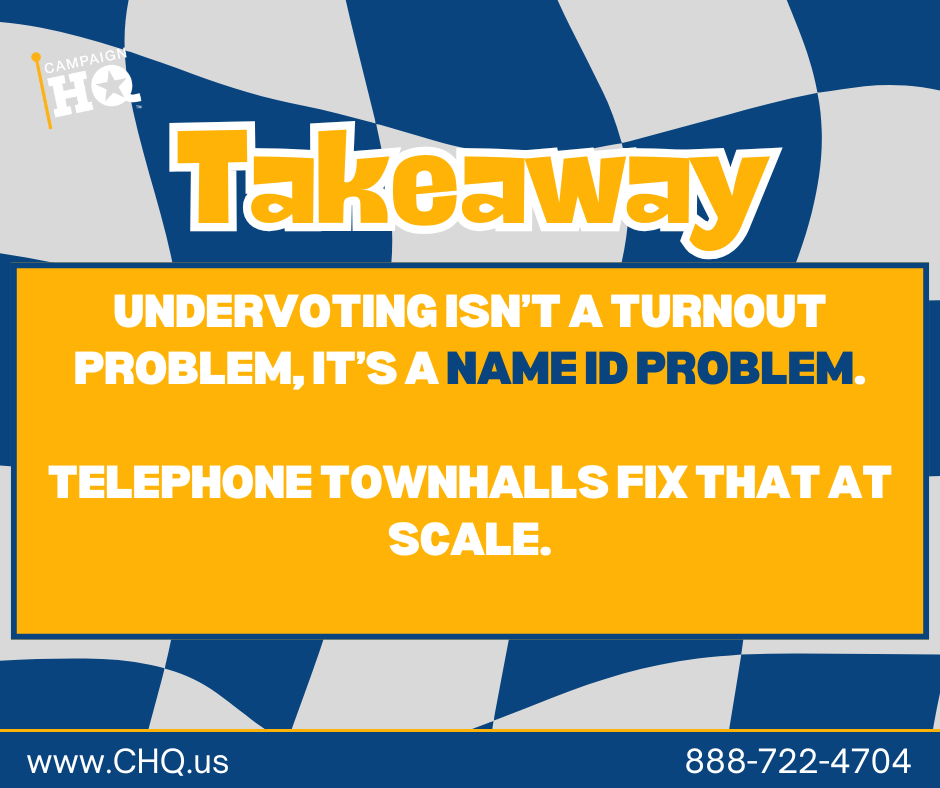
That’s how you reduce undervoting.
Love the advice that Sen. Scott is offering on the best message to talk to low propensity voters this cycle.
I would argue that none of it matters if those voters never actually hear it.
These types of voters are going to scroll right by a digital ad, and they’ve probably already pitched the mail. If campaigns really want to move low prop voters with their message, the best way to reach them is on that thing they carry around with them everywhere they go, and actually have a conversation with them.
Also a shoutout in here to prohibiting institutional investors from purchasing single family housing… which the House is actively trying to overhaul, as we reported this afternoon