A new #publication co-authored by Edith L. Graham, MD, and Hrayr P. Attarian, MD, highlights the investigation of the relationship between insufficient sleep and #MultipleSclerosis. Read now: https://t.co/nAsRMcBZHM
A first of its kind study by CCSM Faculty @JenMundtPhD demonstrates a new way to treat narcolepsy-related nightmares. @NMNeurology https://t.co/Sdi11US1Yr
CCSM Director @PhyllisZee is featured in this AP story on the health effects of changing the clocks twice a year due to Daylight Saving Time.
@NMNeurology
https://t.co/Jhj1iw7Ufz
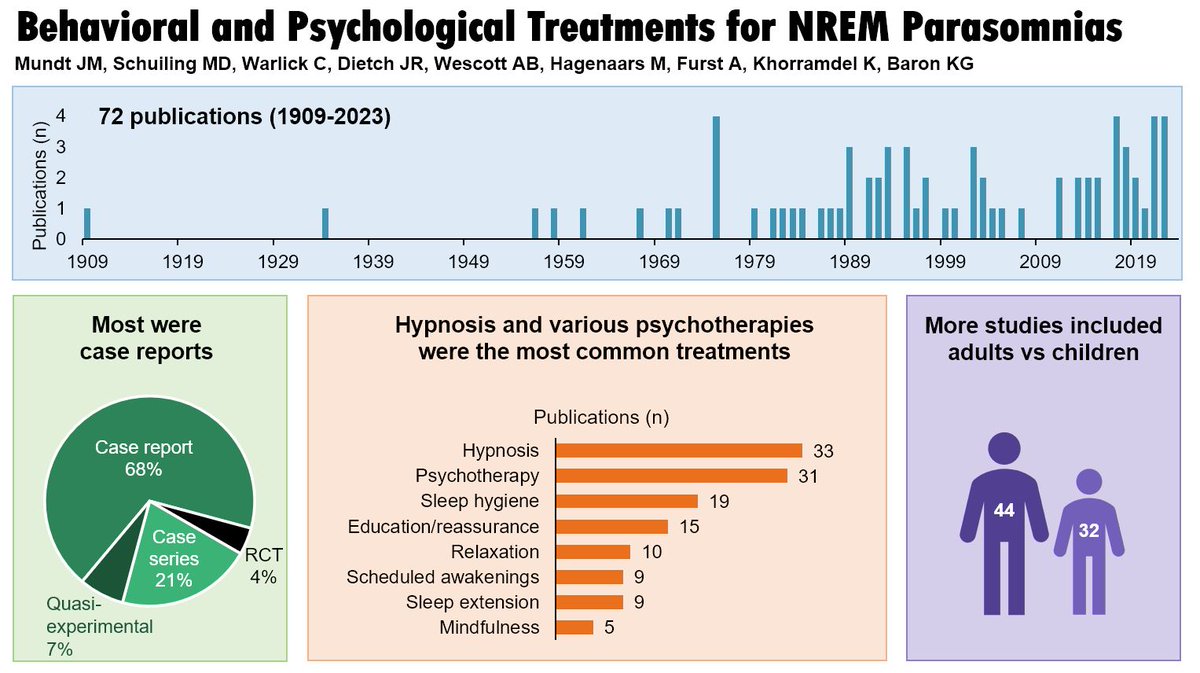
New paper out now in Sleep Medicine. We conducted the first systematic review on treatment for NREM parasomnias (sleepwalking, sleep terrors, confusional arousals, sexsomnia, sleep related eating)
@kellybaronphd@NU_CCSM@NMNeurology
https://t.co/ksARLxcA0T
Latest VISA Updates:
The Brazilian government has announced a postponement in the requirement for travelers from the United States, Canada, and Australia to obtain a visa to travel to Brazil.
https://t.co/9oQXx4SWiF
Wake up before your alarm this morning? ⏰
Your biological clock is to blame. @NUneurobio's Dr. Ravi Allada tells @nytimes that if we go to bed knowing we must be up in four hours, something in our bodies may help to ensure that we wake up at that time. https://t.co/Ubd6jxmyln
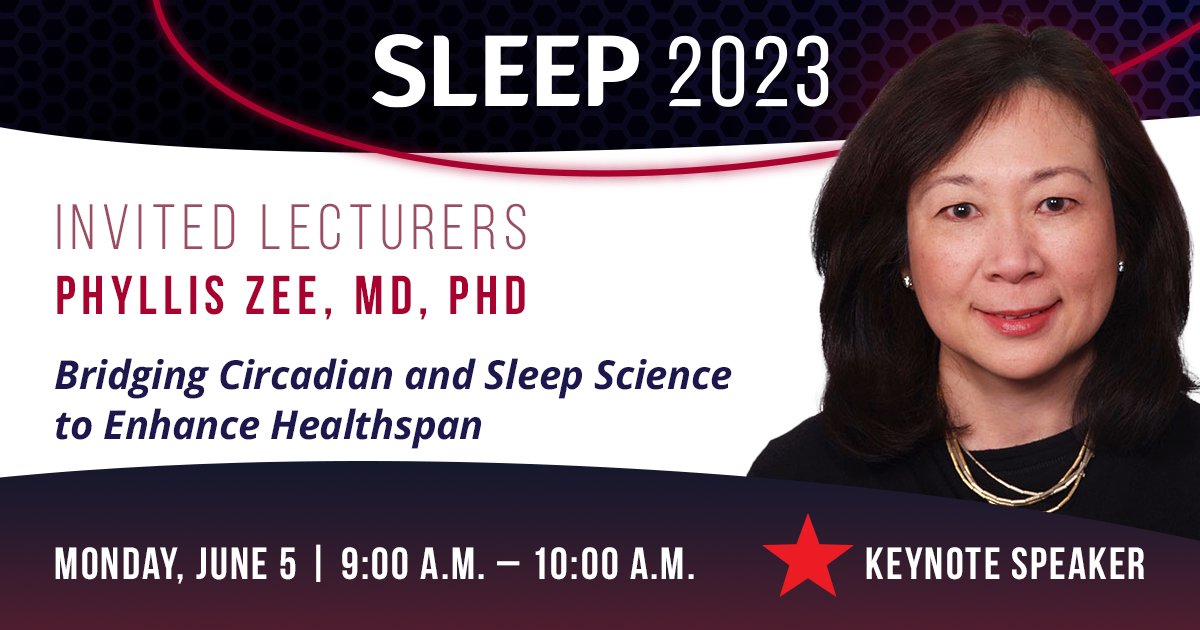
At #SLEEP2023, you’ll have the opportunity to hear from keynote speaker Phyllis Zee, MD, PhD (@PhyllisZee). Her research focuses on understanding the mechanisms that link alterations in sleep, circadian rhythms, and sleep disorders with neurological and cardiometabolic disorders.
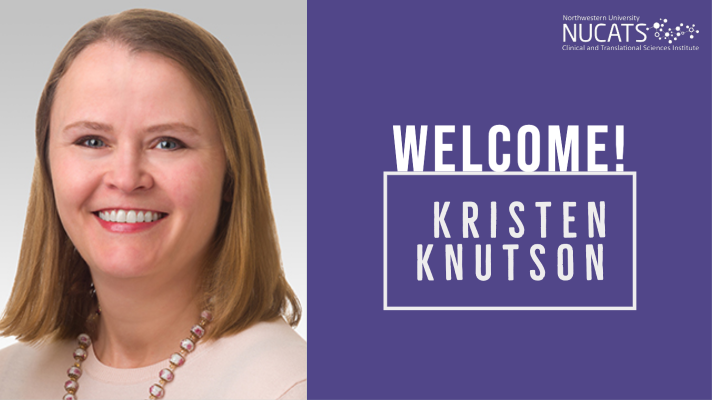
Congratulations to @klknut, who was was recently named director of the @NUCATSInstitute's Succeeding with Your K Award seminar series — https://t.co/17mCoQ410H
“Obstructive sleep apnea results in intermittent low oxygen levels and fragmented sleep, both of which can affect immune function and chronic inflammation, which may increase the risk for long COVID,” says Phyllis C. Zee, MD, PhD.
Light exposure before bedtime could increase pregnant women's risk of developing gestational #diabetes, according to new research led by Minjee Kim, MD.
https://t.co/vmGIpi3AaN
#Pregnant women who had greater light exposure three hours before #sleep were more likely to develop gestational diabetes, a new @NorthwesternMed study shows. https://t.co/xt7CUO98PE
“Improving Sleep Health Among Refugees: A Systematic Review”
▫️ Journal: Neurology Clinical Practice
▫️ Featured authors: Hrayr Attarian
▫️ Find online: https://t.co/uu9K0xxN9s
Learn about the various World Sleep Society programs, including World Sleep Day from our World Sleep Society President Phyllis Zee!
Learn more:
https://t.co/osr0aTosaa
https://t.co/FhEevRZlTH
New research led by Minjee Kim, MD, found an association between light exposure before bedtime in #pregnancy and increased risk of developing gestational #diabetes mellitus.
https://t.co/06ic85a9LC
#Sleepdeserts, akin to food deserts and exercise deserts, are areas or environments that are not conducive to quality #sleep. Hrayr Attarian, MD, of @NorthwesternMed shares a few potential solutions for addressing them.
Happy World Sleep Day 2023! Join us today to help raise awareness of sleep health worldwide. Watch for news and activities from World Sleep Day delegates and organizers around the world!
#WorldSleepDay@_WorldSleep
Keep your bedroom dark to protect your heart! Light exposure at night can lead to negative cardiovascular health effects, explains Phyllis Zee, MD, PhD, of the Center for Circadian and #Sleep Medicine at @NorthwesternMed and president of @_WorldSleep.
Still feeling groggy from the time change? @PhyllisZee, MD, PhD, chief of #SleepMedicine@NMNeurology@NorthwesternMed, tells @CNN get morning-bright light for 20 to 30 minutes after waking up and increase bright light exposure the rest of the morning.
https://t.co/ZihZwp9EBa