Strengthening partnerships for inclusive climate adaptation.
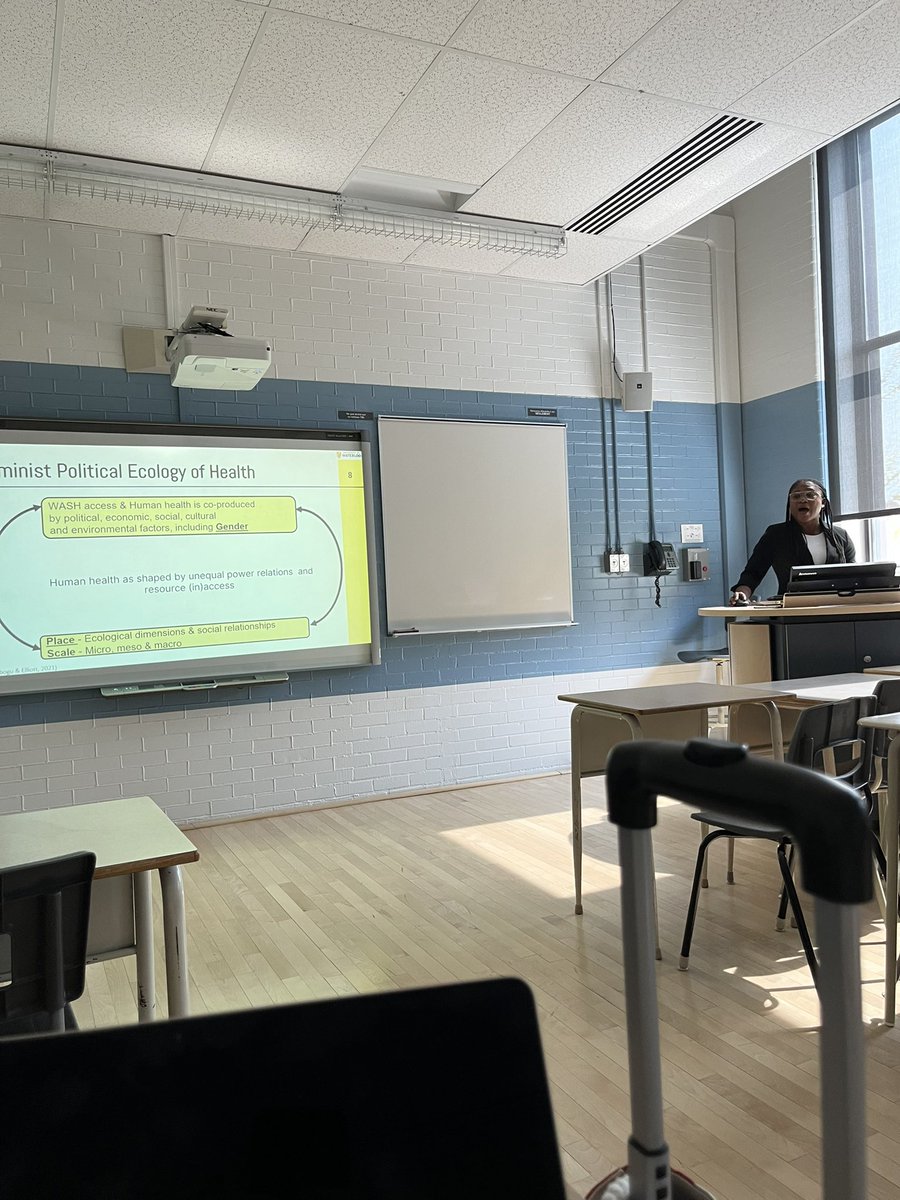
Researcher Dr. Abraham Nunbogu joined the CLARE Hub Policy Influencing Workshop in Bangkok, facilitating discussions on the factors that shape evidence-informed policymaking.
#CLAREHUB#Education#Partnership
Today at London Climate Action Week, UN Secretary-General @antonioguterres cited findings from UNU-INWEH's report, "Environmental Cost of Artificial Intelligence: Carbon, Water and Land Footprints", during the launch of the AI Environmental Transparency Initiative.
The environmental toll of the artificial intelligence boom continues to mount as tech companies use ever more power to run their data centers and use enormous amounts of water for cooling. A new investigation by U.N. scientists warns that AI's water use in 2030 will match the needs of 1.3 billion people, while its power use will be triple that of Pakistan, Bangladesh and Nigeria combined — countries with a total population of 650 million.
"Most people understand AI as a digital technology, as a virtual thing, as something that is in the clouds," says Iranian environmental scientist Kaveh Madani, director of the United Nations University Institute for Water, Environment and Health. "What we tried to do in this report was to remind people that there's some physics to all of this."
https://t.co/F2wjxGWhjA
The climate crisis explained in 7 graphs.
New data shows rising emissions are intensifying floods, droughts and water insecurity — but also highlights signs of hope as some countries reduce emissions.
https://t.co/0FarrBo1Jm
#WaterAction = #ClimateAction#WorldEnvironmentDay
Rising Emissions, Depleting Water and Vanishing Land: AI Is Threatening Natural Resources for Billions
The solution is not to stop using AI, but to use it responsibly.
Read our latest report: https://t.co/vJgM2AqF5r
A new UNU-INWEH report highlights the hidden water costs of the energy transition.
▪️ Lithium production consumed an estimated 456 billion litres of water in 2024
▪️ 16% of critical mineral extraction occurs in water-stressed areas
Read more ➡️ https://t.co/t2bLQqy5XR
🚨 New report by @UNUINWEH reveals how the extraction of critical minerals for ‘green’ energy transition contributes directly to water insecurity, livelihood disruptions and health risks in the world’s most vulnerable regions, such as the DRC.
Read more: https://t.co/JAcwMskGJP
Hear from UNU scientists on why the green energy transition demands a fundamental rethinking, one that protects people, respects ecosystems, and is built on transparent data.
Download our latest report on critical minerals: https://t.co/aMv9O824Gk
After airstrikes on oil refineries in Iran, residents reported "black rain."
@UNUINWEH's @nunbogu, @DrRRamchandani, @mehreenshami, Wania Khan, and @kavehmadani explain why the environmental and human health threats of oil warfare will linger.
https://t.co/Hk4mqZqbI1