This story gets so much worse. Apparently this all started because police were called out for a disturbance after her husband broke their tv out of anger after finding out his brother was killed by Israel in Gaza. The husband is Palestinian. When the police were taking him into custody his wife stopped them because she wanted to accompany him and that is when the officer threw her on the ground for “interference.” The couple was cooperative with the police the entire time and yet this is how they were treated.
She delivered the baby prematurely because of the physical trauma on her body but thankfully both she and the baby survived and are in good health. She easily could have miscarried.
This entire police department should be investigated and that officer should be arrested and charged with aggravated assault.
One of the most horrific scenes in human history has been revealed.
The moment a small child carrying a water jug to her besieged and thirsty family was bombed, killing her and shattering her body.
A video the world must never forget.
Amin Abdullah was the guard at the mosque in San Diego for years.
He was key in stopping the shooters from reaching the children today.
This was his final post on Facebook.
Losing a parent is a heavy burden to carry, and as children, it is natural to want to do something special when the date which they died comes back around. You feel like you owe them that moment of focus.
However, if we look at how the Prophet (peace be upon him) and his companions handled grief, they never marked the calendar for a one year memorial.
Even though your heart is in the right place by wanting to read the Quran for them, turning a specific day into a ritual is not how we were taught to honor those who passed.
If a yearly ceremony helped the dead, the Prophet (peace be upon him) would have done it for his children or his wife Khadija, but he didn't.
If we say: wait for a specific date, we might unintentionally treat it like a chore we do once a year when in reality, they really need us every single day.
A parent in the grave does not need a formal anniversary. They need a child who mentions them in every prostration.
The best thing you can do is give some charity in their name. Sadaqah Jaariyah. Give water, help a student, or feed the poor in their name. This is a gift that reaches them immediately and keeps their scales moving.
Or, you can strive to be the kind of good person they raised you to be. Every good deed you do reflects on them because they were the ones who taught you.
Finally, keep their memory alive through your own actions today and tomorrow instead of waiting for a date on the calendar. Continue praying for them. May the Almighty accept it.
Allah knows best.
That crying is the sound of a growing ummah. And it is a test of our own concentration. Instead of getting annoyed, we should be offering a smile or a bit of help to the mother who is likely more stressed than anyone else in the room.
Your "not compulsory" argument is technically true, however, it is often used to exclude women. Just because you don't have to be there doesn't mean you shouldn't be allowed to be there.
A mosque that is perfectly quiet is a mosque that is dying out. We should be grateful for the noise because it means there is a next generation coming up behind us.
Isreal is doing to Lebanon as they did to Gaza…
FATHER AND SON KILLED FOR WALKING HOME.
They didn't carry weapons; they carried memories and a simple dream of going home.
We are back to answering questions on the anonymous link. I am sorry this is coming late. The questions that are answered were mostly from 5 days ago before I went on the mathematical mountain. I am back on the ground to serve my people.
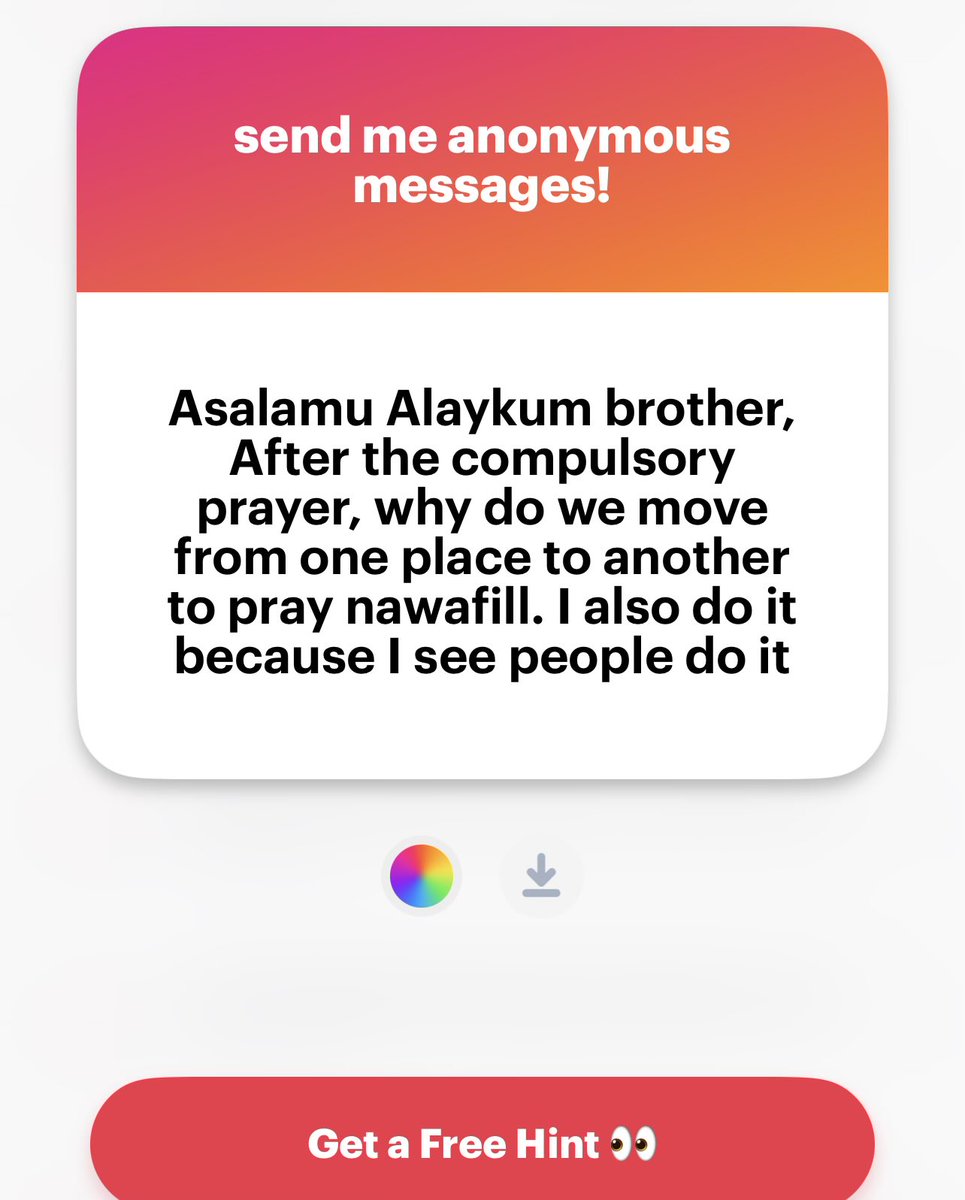
Walaikum Salam Brother…
Moving your spot after the Fard prayer is about gathering witnesses for the Day of Judgment. The Quran tells us that the earth will speak its news on that day. Every patch of land you put your forehead on becomes a witness for your worship.
When you shift a bit to the right or left to pray your Nawafil, you are giving more pieces of the earth a reason to speak up for you. It is a way to mark the ground with your prostration in as many places as possible.
More than that, there is also a clear instruction to make a break between the obligatory prayer and the voluntary one so they do not get mixed up. The Prophet (peace be upon him) did not want people joining one prayer to another without a gap.
He commanded us not to join one prayer with another until we have spoken or moved. The Hadith in Sahih Muslim says:
أَمَرَنَا أَنْ لَا تُوصَلَ صَلَاةٌ بِصَلَاةٍ حَتَّى نَتَكَلَّمَ أَوْ نَخْرُجَ
"He commanded us not to join one prayer with another until we had spoken or moved."
By just moving a few inches or even saying your Adhkar, you are keeping your worship distinct and following his way.
Allah knows best.
Walaikum Salam brother.
What you are doing is a beautiful act of service to your father and it is fully supported by the Sunnah. The companion Mu’adh ibn Jabal used to pray Isha behind the Prophet (peace be upon him) in his masjid and then walk back to his tribe, the Banu Salimah, to lead them in that same prayer.
For Mu’adh, it was a voluntary act (Nafl), but for his people, it was their obligatory (Fard) prayer. The Prophet (peace be upon him) was aware of this and gave his approval. This confirms that it is fine for the Imam to have a voluntary intention while the person behind him is praying their obligatory prayer.
In Sahih Bukhari:
كَانَ مُعَاذُ بْنُ جَبَلٍ يُصَلِّي مَعَ النَّبِيِّ صَلَّى اللهُ عَلَيْهِ وَسَلَّمَ، ثُمَّ يَرْجِعُ فَيَؤُمُّ قَوْمَهُ
"Mu'adh ibn Jabal used to pray with the Prophet (PBUH), then he would return and lead his people in prayer."
You are gaining the reward of two congregations while ensuring your father does not miss out on his duty due to his old age. It is a victory for both of you. You have your first prayer as your Fard and the second one as a gift of mercy for your father. May Allah accept this effort from you and grant your father ease in his old age.
Allah knows best.
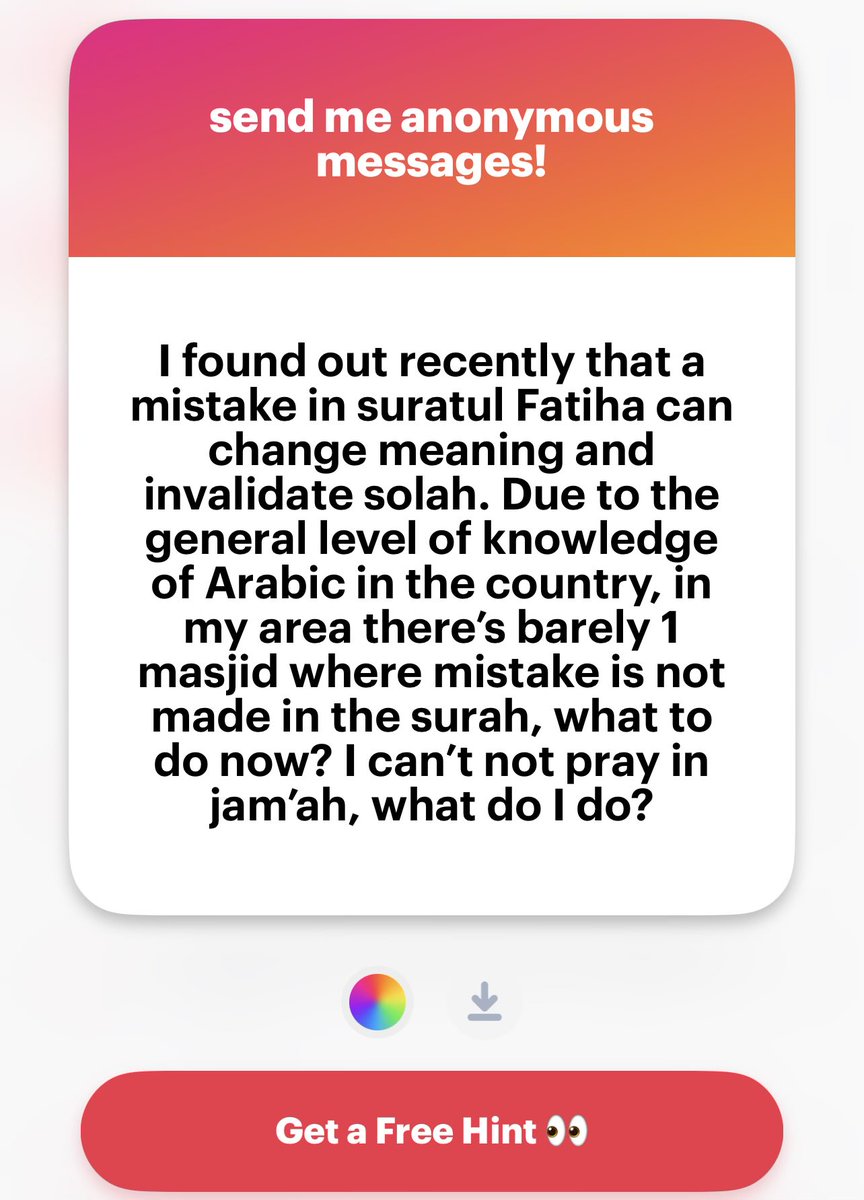
You are facing a very real dilemma that many people who study Tajweed struggle with. It is easy to feel isolated when your ears can hear the mistakes that others are missing. But you should not let this knowledge drive you away from the masjid. That is exactly what the devil wants.
He wants to use your knowledge to make you feel superior and keep you at home.
Here is how we should look at this using the proper principles.
We have to distinguish between what breaks the prayer and what is just a lack of beauty.
1. لحن الجهل(Lahn al-Jahl)
This is the Mistake of Ignorance. It refers to errors made by someone who has not learned the correct way to recite. This often leads to the more dangerous category below.
2. اللحن الجلي (Lahn al-Jali)
This is the Clear Mistake. It is a major error that involves changing a letter or a vowel in a way that alters the meaning of the verse. For example, if the Imam changes the "Taa" in An'amta (You bestowed favor) to a "Too" (An'amtu), he is saying "I bestowed favor."
Because Suratul Fatiha is a pillar of the prayer, a major mistake that ruins the meaning can invalidate the prayer.
3. اللحن الخفي (Lahn al-Khafi)
This is the Hidden Mistake. These are minor errors in Tajweed, such as not holding a sound long enough or missing a rule of Idgham. While we should aim for perfection, these mistakes do not invalidate the prayer. Most Imams in local masjids fall into this category, and you should still pray behind them.
As a knowledgeable person, if you are the only one in the area who knows the difference, you cannot just complain or stay away. Knowledge in Islam comes with a duty to serve the community. The Prophet (peace be upon him) said:
يَؤُمُّ الْقَوْمَ أَقْرَؤُهُمْ لِكِتَابِ اللَّهِ
"The one who should lead the people is the one who is most well-versed in the Book of Allah."
If you are certain that the mistakes are Lahn al-Jali (Clear Mistakes) that invalidate the prayer, you have two practical paths:
1. Approach the masjid committee with humility. Do not say: The Imam is wrong. Say: "I have spent some time studying the Quran and I would love to serve the masjid by leading the prayer or helping with the recitation."
2. Most people making these mistakes are not doing it on purpose. They just don't know. Start a small, informal class after Maghrib to help people with their Fatiha. You save the whole community's prayer by fixing the recitation at the root.
And then, you can also take a middle position.
If the mistakes are just Hidden Mistakes (Lahn al-Khafi), then you must pray in Jam'ah. The unity of the Muslims is a great goal, and you should not cause a split over minor Tajweed issues.
However, if the Imam is truly destroying the meaning of the Fatiha and refuses to be corrected, you should pray in that one masjid where it is done right, even if it is a bit farther. If you cannot reach it, and you have to pray behind someone who makes major mistakes, some scholars suggest you recite the Fatiha quietly to yourself to ensure your own prayer is valid.
Do not let your knowledge become a wall between you and the house of Allah. Use it to be the light that fixes the problem. If you stay home, the community continues to pray incorrectly. If you step forward, you solve the problem for everyone.
Allah knows best.