never liked trading shitcoins.
grew my LP capital 3–4x in 2 weeks on Robinhood.
just providing liquidity.
built Yield-P for this. a free, non-custodial EVM LP terminal.
public beta is open. 🧵
losses happen too
24h in bid-ask:
deposit: $3,000
pnl: -$300
return: -10.1%
not exactly the screenshot you flex on the timeline.
but with musebook dumping this hard, simply holding the token would've hurt a lot more.
bid-ask didn't remove the downside
it just made the loss way less painful.
sometimes -10% is actually the better outcome.
34 minutes in LP
deposit: $3,009
pnl: +$770
return: +25.6%
$GPU/USDT on Uniswap v4
not a bad result for basically drawing a range and waiting for the market to do the rest.
closed before it even had time to get boring
16 NFT positions.
all on one side of the price.
why?
say you want to accumulate token musebook lower.
instead of one big LP range, YieldP Bid-Ask splits it into 16 levels below spot.
less liquidity near price.
more liquidity deeper down.
musebook drops through the ladder → USDG gradually turns into musebook.
not one entry.
not one price.
16 levels.
and if deeper ranges have less competing liquidity, your share of active liquidity can be higher - meaning a bigger share of fees when volume trades through them.
want to sell into strength instead?
flip it.
16 levels above spot, gradually selling as price moves up.
accumulate lower or sell higher.
which side are you taking?
hood volumes are definitely cooling off
but there’s still enough flow to keep catching these pretty consistently
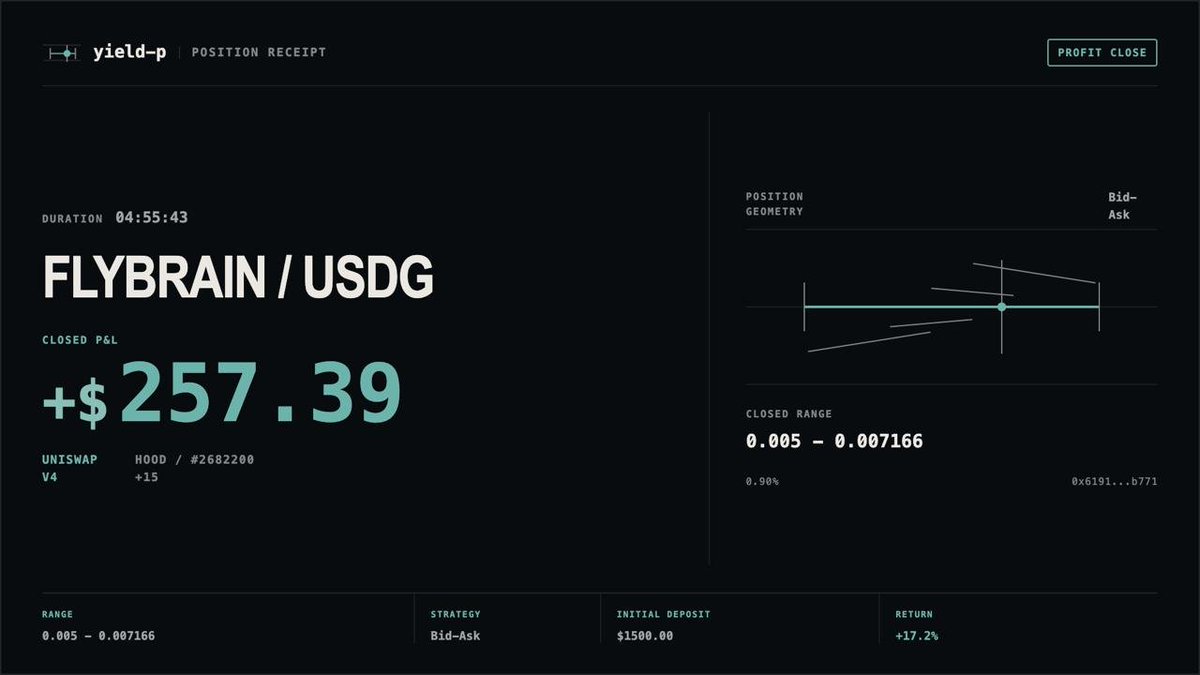
Nautilo / USDG
deposit: $2k
pnl: +$221
return: +11.1%
less volume, same game
free. lfg
My Delta alternative for LP farm on RH
One update to my LP farming guide. I now use Yield-P, built by @nvggnvg, as my main alternative to Delta for opening and managing positions on Robinhood Chain.
It covers the full LP workflow in one place with a cleaner UI and less overhead.
› discover pools by chain, pair, fee tier, TVL, volume and Fee APR
› build Spot, Curve and Bid-Ask setups with custom ranges
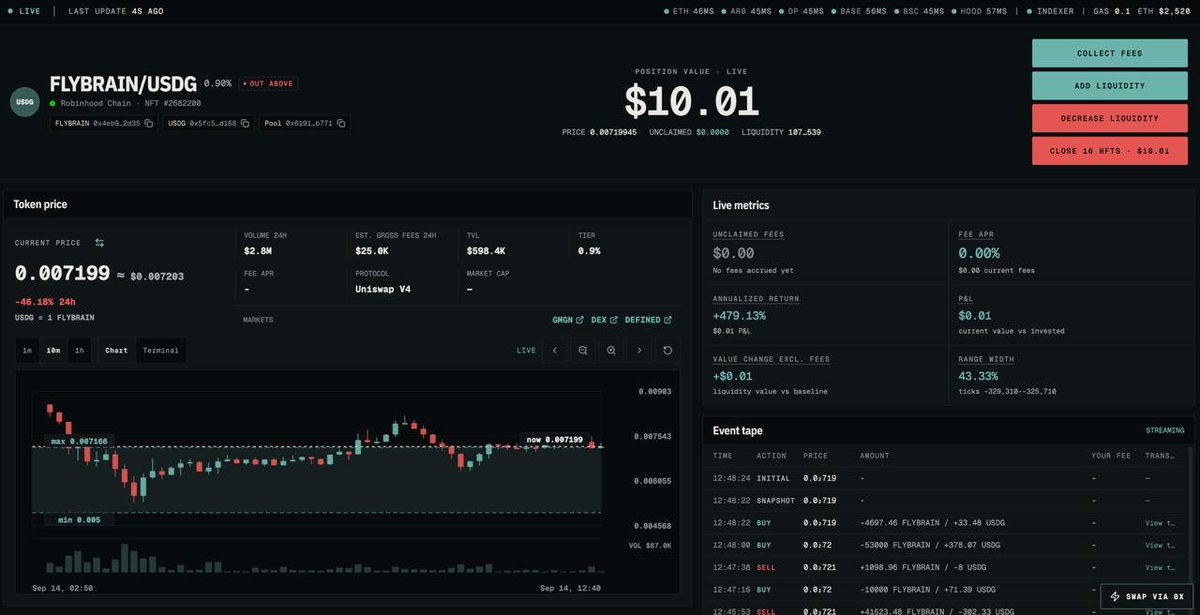
› track position value, unclaimed fees, IL versus holding, daily P&L and range status separately
› collect fees, add or remove liquidity, or close directly from the dashboard
› optionally swap through 0x when entering or exiting
› review the final P&L and generate a shareable result card
I also prefer how positions are opened on Yield-P. The builder makes it easier to see the actual ranges around the current price and understand where each bin will sit before signing.
The fee difference is meaningful too. Delta latest manager contract sets the cut at 7.5% of collected LP fees, up from 1%. Yield-P is currently free to use, apart from gas and swap costs.
It is non-custodial and does not add another contract layer. LP actions go directly through Uniswap or PancakeSwap, swaps go through 0x and every transaction is signed from your own wallet.
It is still a public beta, so bugs and UI risk are part of the deal. But for finding a pool, opening a range, tracking real P&L after IL and closing the position, this is the cleaner setup I use now.
9/9
public beta. expect some bugs.
start with the P&L view or explore a Bid-Ask setup.
what's the most painful part of your current EVM LP workflow?
reply here or DM
Welcome
https://t.co/IPqbwuSRjq
never liked trading shitcoins.
grew my LP capital 3–4x in 2 weeks on Robinhood.
just providing liquidity.
built Yield-P for this. a free, non-custodial EVM LP terminal.
public beta is open. 🧵
8/9
that 3–4x was one two-week run, not a promise.
the pools got tasty. then came a weekend full of rugs.
LPing still carries token exposure, IL and protocol risk.
non-custodial doesn't remove UI risk.
fees don't make you immune.
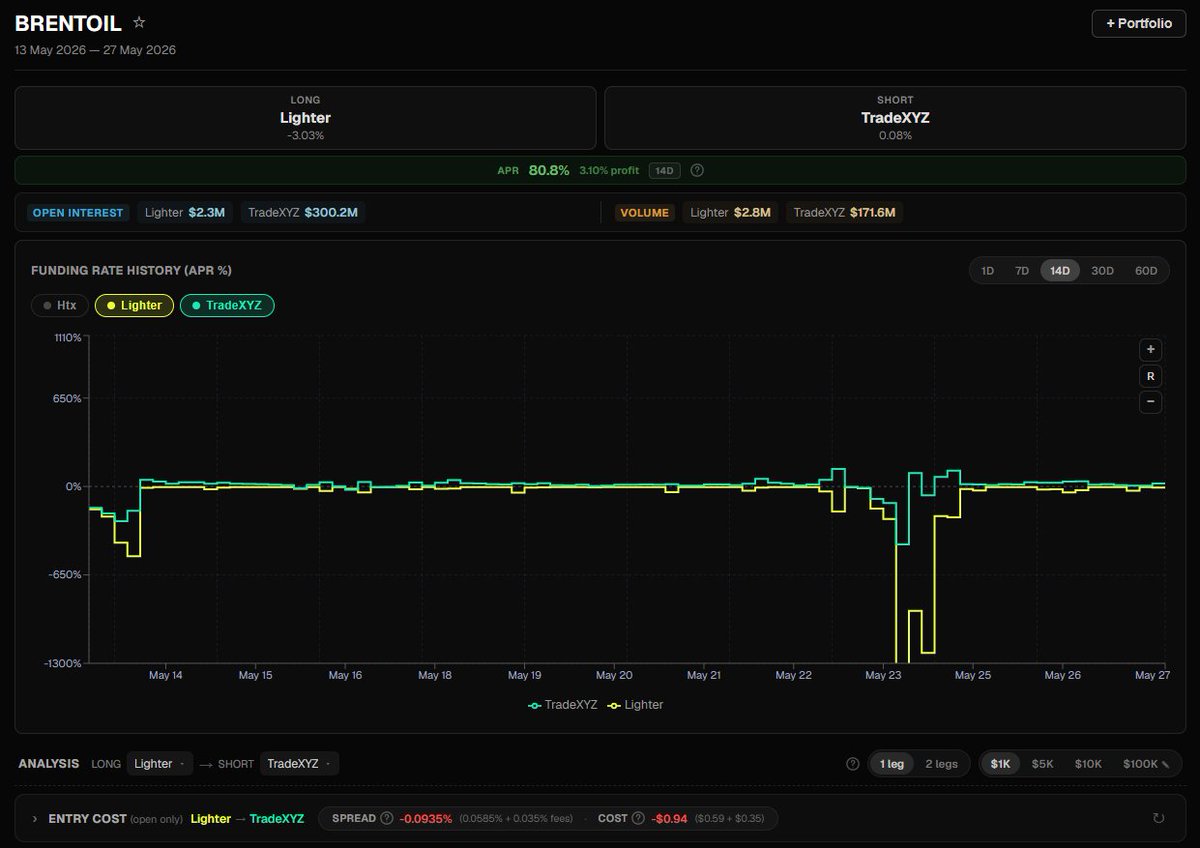
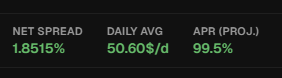
50%+ APR on oil ticker sounds fake until you realize the setup is actually clean.
ticker: BRENTOIL
exchanges: Lighter / TradeXYZ (hyperliquid)
you’re getting paid on funding while also farming potential retrodrop rewards from TradeXYZ - the top HIP-3 protocols on Unit.
this is the kind of setup i like:
- real yield today
- possible upside tomorrow
- no need to pray for “points” with zero liquidity
current funding is income.
retrodrop is the free option on top.
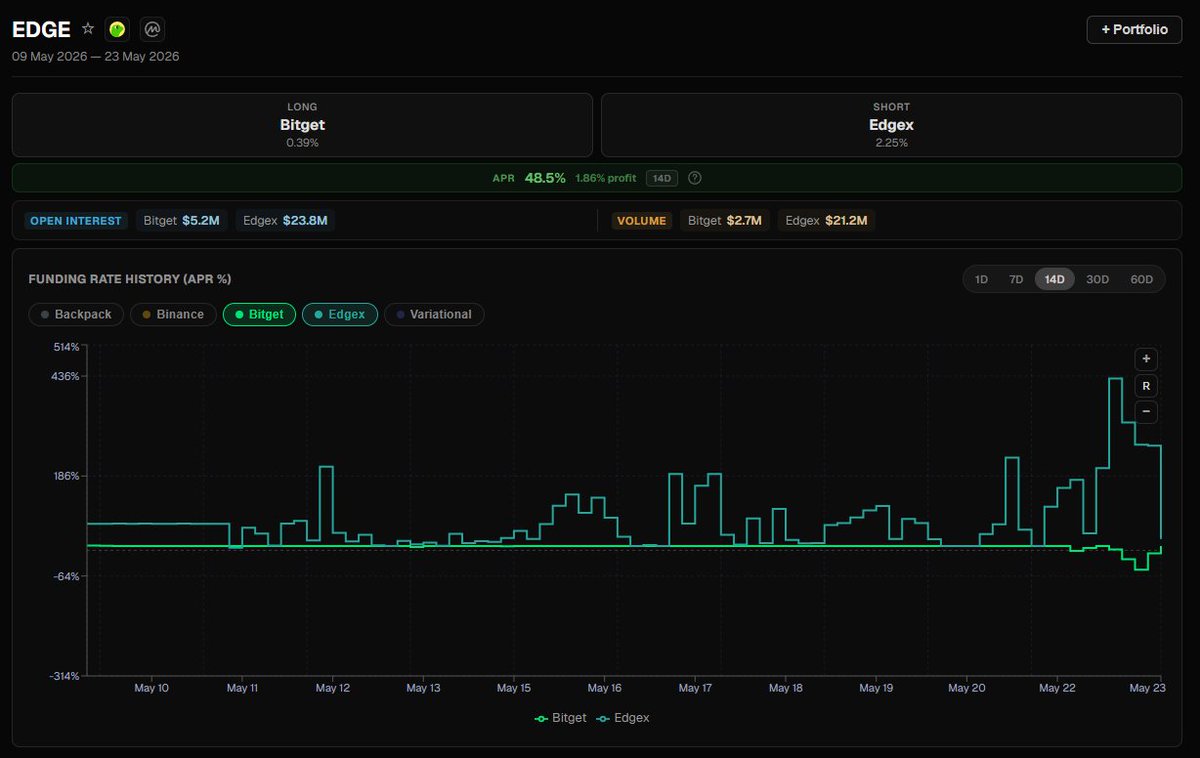
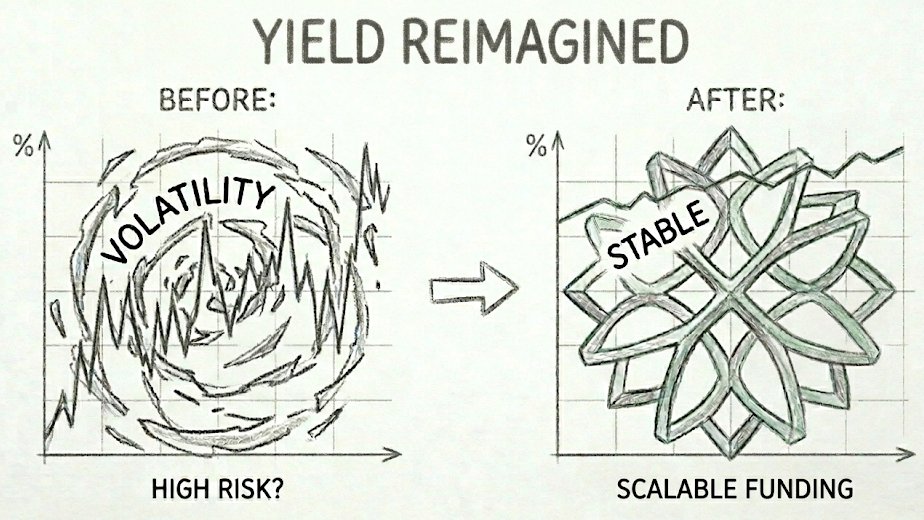
funding arbitrage is not the “stable strategy” people like to sell. it’s usually just a fancy way to slowly lose money while thinking you’re being market-neutral.
here’s why:
funding spreads mostly exist on highly volatile tokens
and that’s the first problem — they are extremely hard to manage. price can easily move 2–3x against you, and suddenly your “delta-neutral” position is just a poorly structured directional bet
max OI capacity on low liquidity tokens is another constraint
you simply can’t scale even if the setup looks good on paper
in reality, most of these “arb opportunities” don’t even cover basic entry costs
fees, slippage, order book spreads — all of it eats the edge completely
then add ADL risk on abnormal tokens
and you can get forcibly reduced at the worst possible price exactly when things go wrong
and SL/TP? often they don’t work the way you expect in thin liquidity
gaps, illiquid books, and execution delays break the model fast
so the real question is simple:
you’re risking 50% position exposure in a volatile token to make 1–2%?
don’t be ridiculous.
just farm historical funding instead.