O favelismo cultural é uma estratégia social propositalmente elaborada, fartamente financiada e levada a cabo pela elite global há décadas.
Acontece nos EUA com os gangsta rappers e trappers, que se tornaram um ideal social para os jovens brancos de classe média, assim como acontece no Brasil, com a cultura dos “crias” da favela e dos bailes funk.
No Brasil, o pioneiro foi o programa “Esquenta!”, com a Regina Casé, depois o cinema e as novelas, como a famigerada “I love Paraisópolis”.
Repare no gesto do bilionário Huck, abrindo os braços no apogeu do vídeo, como que demonstrando orgulho por estar imerso na miséria.
Essa trend é a PsyOp mais nociva da atualidade.
travis scott is actually boobie ike and his voice is too recognizable so that’s why he isn’t in any trailer and that’s why travis scott posted
J… O. H…..
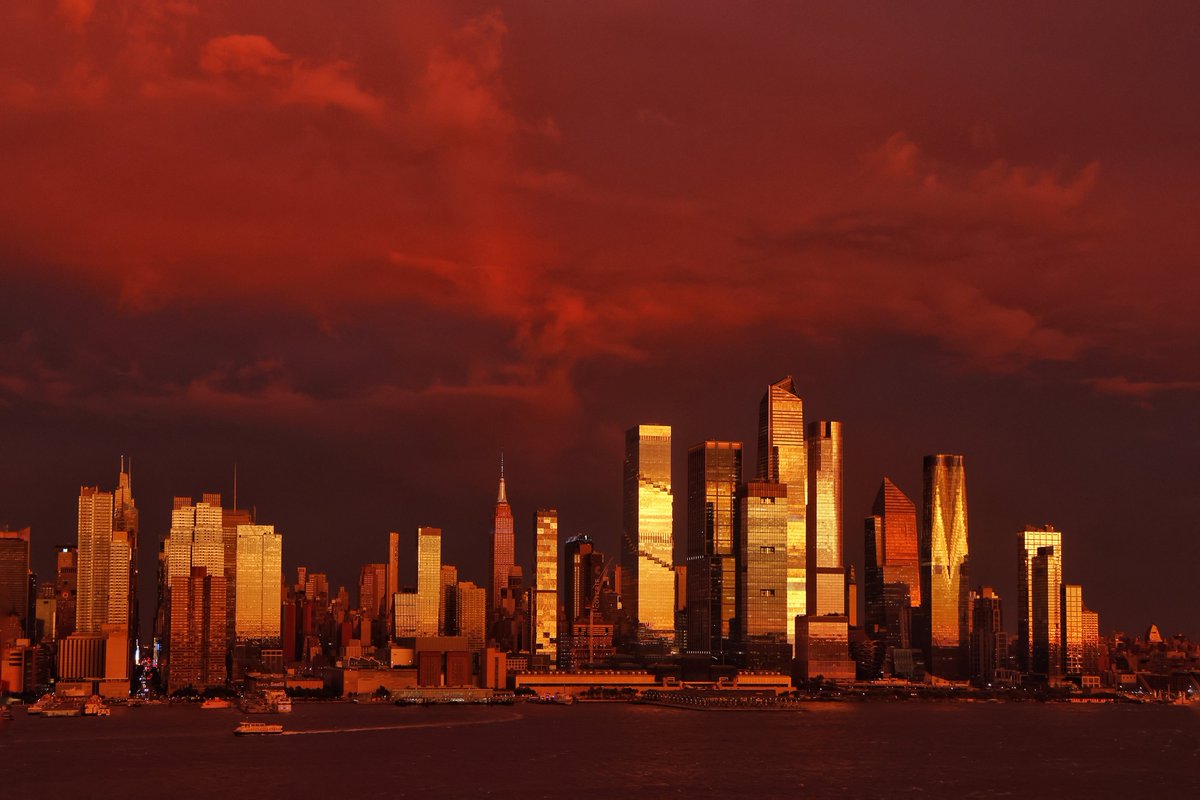
People who move to America from the tropics keep saying the sky looks huge, and they're right in a way you can actually calculate. The clouds over the American interior float about 2,000 meters higher than the clouds over Jakarta.
A cumulus cloud forms where rising air cools enough to hit its dew point. The rule of thumb is 125 meters of altitude for every degree of gap between air temperature and dew point. In humid Southeast Asia that gap is small, so cloud bases hang around 500 or 600 meters overhead. On a dry summer afternoon in Kansas the gap stretches to 15 or 20 degrees, which lifts the cloud base past 2,500 meters.
The ceiling of the sky really is four times higher.
Humidity does a second thing. Water vapor and haze scatter sunlight in every direction, which turns the tropical horizon milky and makes the sky feel low and close. Dry continental air is optically clean, visibility runs 100 miles or more, and the blue stays saturated all the way down to the horizon.
Then the land finishes the effect. In a dense city your horizon is usually a building a block away, and the sky is a strip between rooftops. On an open American highway the horizon sits several kilometers out, so the sky fills most of what your eyes can take in.
Montana calls itself Big Sky Country because settlers noticed the same thing she did. They had none of the meteorology, but the dry air, the high cloud bases, and the long sightlines were doing the work the whole time.