I publish the blog New York City Weather Archive, a daily review of interesting weather events that have occurred in NYC as well as analyses on weather topics.
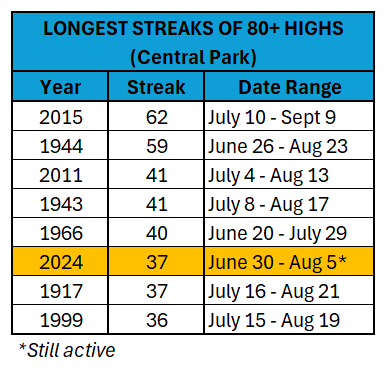
Central Park's streak of high temperatures of 80+ reached 37 days today, now ranked 6th longest (tied with a 1917 streak). It still has a long way to go to challenge the two longest streaks of 62 days and 59 days in 2015 & 1944, respectively. #weather
July 2024 is just the fourth month to have no high temperatures below 80° in Central Park. The other months were: July 2022, August 2015, and July 1944. #summer#Weather https://t.co/EfqcFwbTi0
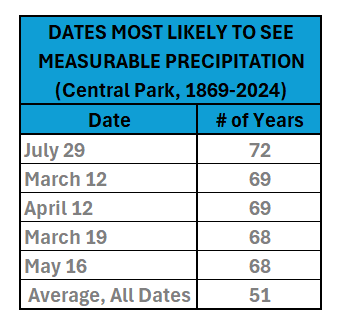
July 29 is the date most likely to see measurable precipitation in Central Park. (And there was some rain earlier this AM.) Sept. 5 is the date the least likely to have measurable precipitation (in 30 years). #weather
Yesterday had the 10th high of 90+ in CPK this year, joining 18 other summers (going back to 1869) with at least 10 such days by July 8. The most by this date was in 1966 and 1991, when there were 16.
June 25 is the day most likely to have a high of 90+ in June in Central Park, and today was the 31st year it happened (since 1869). 6/27 is ranked second (28 times), 6/26 is ranked third (27 times). #weather#hot
Although today had the year's first reading in the 90s in Central Park, yesterday, with a high of 89°, was noticeably more humid and had a scorching heat index of 99°, compared to today's heat index of 92°. #heat
Today's rainfall of 3.66" in Central Park was the biggest March rainstorm since 2010, when there were two that each produced slightly more than 4 inches (March 2010 is the wettest March on record). #Weather https://t.co/rf0zC0xQ79
Today is the 5th day this year to have an inch or more of rain in Central Park (4 of the days have been this month). By contrast, last year didn't see its first day with an inch or more of rain until 4/23. #Weather
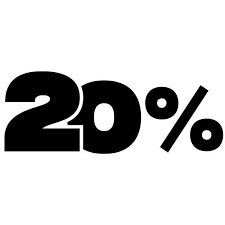
It's ironic that in the midst of the rainiest start to March on record in NYC, the humidity dropped to 20% on Friday afternoon - the lowest this year. #Weather
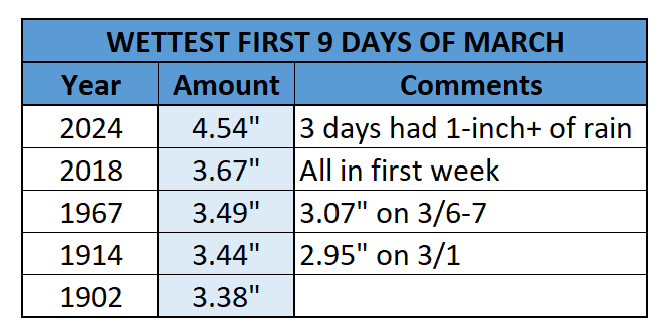
The 4.54" of rain that has fallen in Central Park so far this month is the most to fall in the first nine days of March on record. And it's more than double the amount
of precipitation that fell in all of February (2.05"). #Weather
Why has the NWS already sprung ahead at 10 PM? It moved the 8:51 PM report, which showed 031" of rain in the previous 60 minutes, to 9:51 PM. And the 10:51 PM report was posted at 10:25 PM. #SpringForward#weather
NYC's 22-day streak w/above average mean temperatures was snapped today. In this century, only the winters of 2023, 2016 & 2007 have had longer streaks (36, 34, and 32 days, respectively). The streak was 8 degrees above average, with an average high/low of 47°/37°.
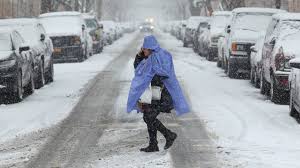
Yesterday's snowfall of 3.2" in Central Park was NYC's biggest accumulation in temperatures above freezing since April 2, 2018 when 5.5" fell (high/low was 43°/33°; yesterday's was 41°/33°). #Weather
@johndavittontv Typical CPK, LGA snowfalls as 0.04" of liquid precipitation in CPK amounts to just 0.1", while, LGA gets 0.6" from 0.03" liquid. Both locations had sub-freezing temperatures.
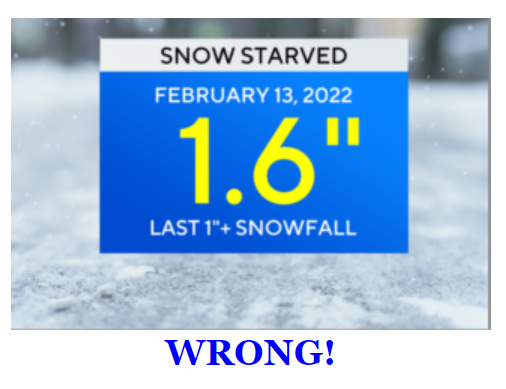
Despite @NWSNewYorkNY reporting that CPK's last 1"+ snowfall was nearly 2 years ago, 1.8" of snow fell last year on Feb 27-28 (0.9" fell on each day). NWS's observation is based on a daily amount, which seems flawed since half of snowfalls cross into a 2nd day.
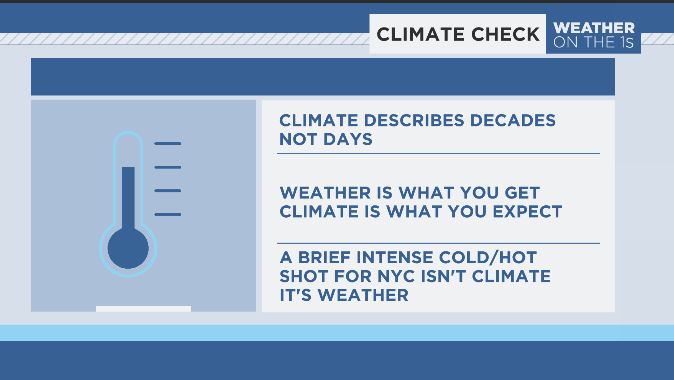
NYC swamped by storms ! Climate change ? Well, not quite. One storm isn't climate change. Climate change is 6 of the 10 wettest years for NYC since 1990. Climate change is the doubling of the 2"+ rain events in NYC since 1950. Warmer air holds more moisture.
This is the 3rd month this year in which Central Park has had more than 6 inches of rain (2 of them, September being one of them, have had more than 7 inches). By contrast, last year's rainiest month saw 5.83" (December). #Weather https://t.co/EfqcFwbTi0
Five tropical systems affected NYC on this date in: 1935 (remnants of the Great Labor Day Hurricane); 1979 (David, which devastated the DR); 2008 (Hanna); 2011 (Lee, which produced more than 5" of rain); and 2019 (Dorian). #Weather https://t.co/EfqcFwbTi0