BIG NEWS 🎉 We're proud to join the next @GoogleStartups Founders Academy class! Over the next 6 months, we’ll join other incredible #startups in the now fully digital program, where we’ll have access to the best of @Google resources. Stay tuned to hear more!
Most DevOps teams don’t have a tooling problem. They have a scale problem disguised as a tooling problem.
We ran into this at @OatfinHQ. Early on, spinning up infrastructure was manageable. A few services, a few environments, some scripts holding things together.
Then things started to break.
Not because the tools were bad — but because the system didn’t scale with the complexity.
Here’s what actually happens as you grow:
More services → more dependencies
More environments → more drift
More engineers → more inconsistency
At some point, “just follow this runbook” stops working.
So we stepped back and asked a different question:
What would this look like if it were self-service from day one?
That shift changed everything.
Instead of:
→ Engineers manually stitching infrastructure together
We moved to:
→ Declarative templates + automated provisioning
→ Standardized environments across teams
→ Infrastructure that behaves predictably, every time
We saw fewer production incidents, dramatically lower cognitive load for engineers, and almost zero time wasted debugging “works on my machine / staging but not prod” issues.
The biggest lesson:
Scaling infrastructure isn’t about adding more tools. It’s about removing variability.
Building @oatfinhq has been THE hardest thing I’ve ever done in my life.
But for the first time, it feels like we’re not just pushing…
...we’re compounding.
For the first two years, it was just belief. No revenue. No validation. Just building, questioning, and figuring out if we were even solving the right problem.
What changed wasn’t some big breakthrough moment.
It was clarity.
Getting clear on who we’re building for
Getting clear on the problem we actually solve
And staying stubborn about doing it the right way
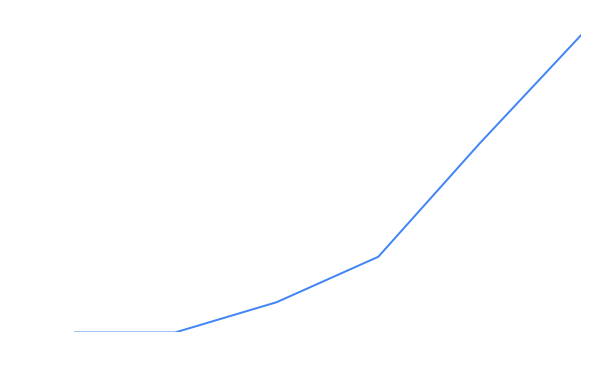
The growth we’re seeing now is just the output of that clarity. It’s the sound of the flywheel finally starting to catch. We spent years laying the track, and now the train is actually moving.
There’s still a long way to go.
But this part of the journey feels different. We aren't just fighting for survival anymore; we’re building for the future.
One of the things I look forward to every year is sharing our progress - covering product, sales, marketing, and fundraising.
This week, I'm covering marketing and next week, I'll cover sales.
https://t.co/5StFizSYW1
The reality of building a startup is that it takes time—often much longer than you anticipate. Most founders give up before they see any signs of hope, and honestly, I get it. The journey is hard, unpredictable, and often feels like a long, lonely road.
I can't wait to share more about some of the products we've been building at @oatfinhq.
We’ve been integrating some cutting-edge AI, specifically, we’ve been leveraging generative AI for observability data analysis.
🎉 Milestone Moment for @oatfinhq! 🎉
I’m excited to announce that we’ve closed our first angel investor for Oatfin! 🚀 This is a huge step forward as we continue on our journey to transform cloud infrastructure with automation and efficiency.
Wishing everyone a joyful holiday season and a prosperous New Year!
We extend our heartfelt gratitude to our loyal customers, partners, and stakeholders. It's been a year filled with growth, challenges, and unwavering commitment to our mission.
https://t.co/I8BV43g60j
Super excited about what we've been working on at Oatfin. Today, we're launching Oatfin Cloud Cost Intelligence in beta, which uses AI to simplify cloud cost management on AWS. We would love any feedback.
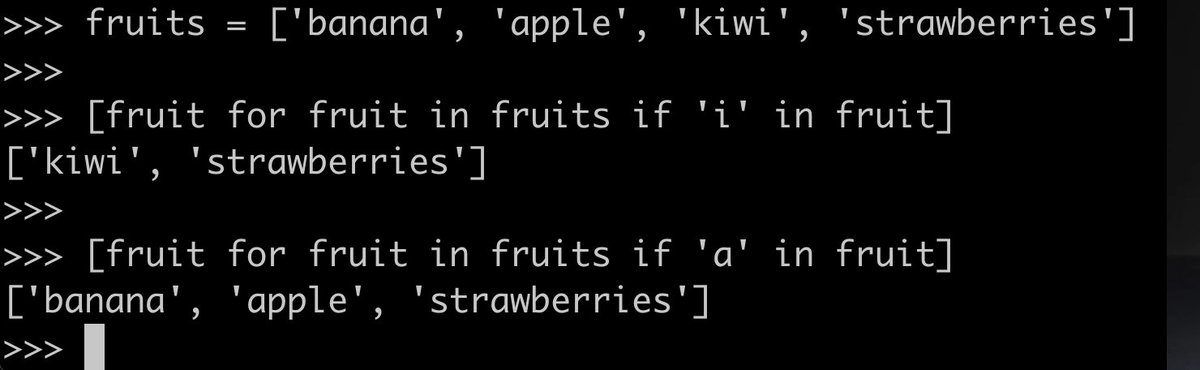
Python tips # 4:
One of my favorite features in Python is list comprehension, something I use consistently.
What is list comprehension?
Instead of writing a verbose for loop you can write a compact list based on certain criteria. Here is an example:
In this edition of Cloud Musings, I do a deep dive with code on how we solve the scheduled deployments challenge. Thanks for reading!
https://t.co/A7jXt7tjSa
Looking at our customers, it's fascinating that it's mostly cloud solutions architects. These people are experts in the cloud, and yet they are using our product to automate their customers' cloud infrastructure.
Got the task queue and scheduler to work and it's a huge relief! It took me the better part of the weekend! Blog incoming!
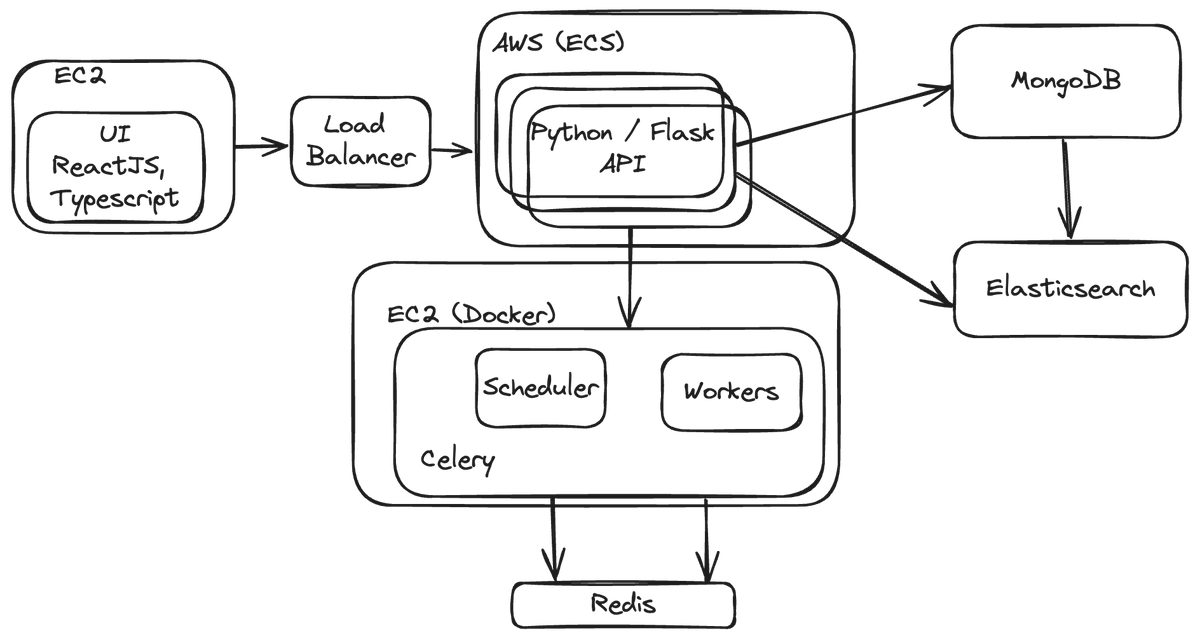
Pretty solid architecture for Oatfin:
- Python, Flask API
- MongoDB database
- Celery, Redis Task Queue
- React, Typescript frontend
- Docker on AWS ECS