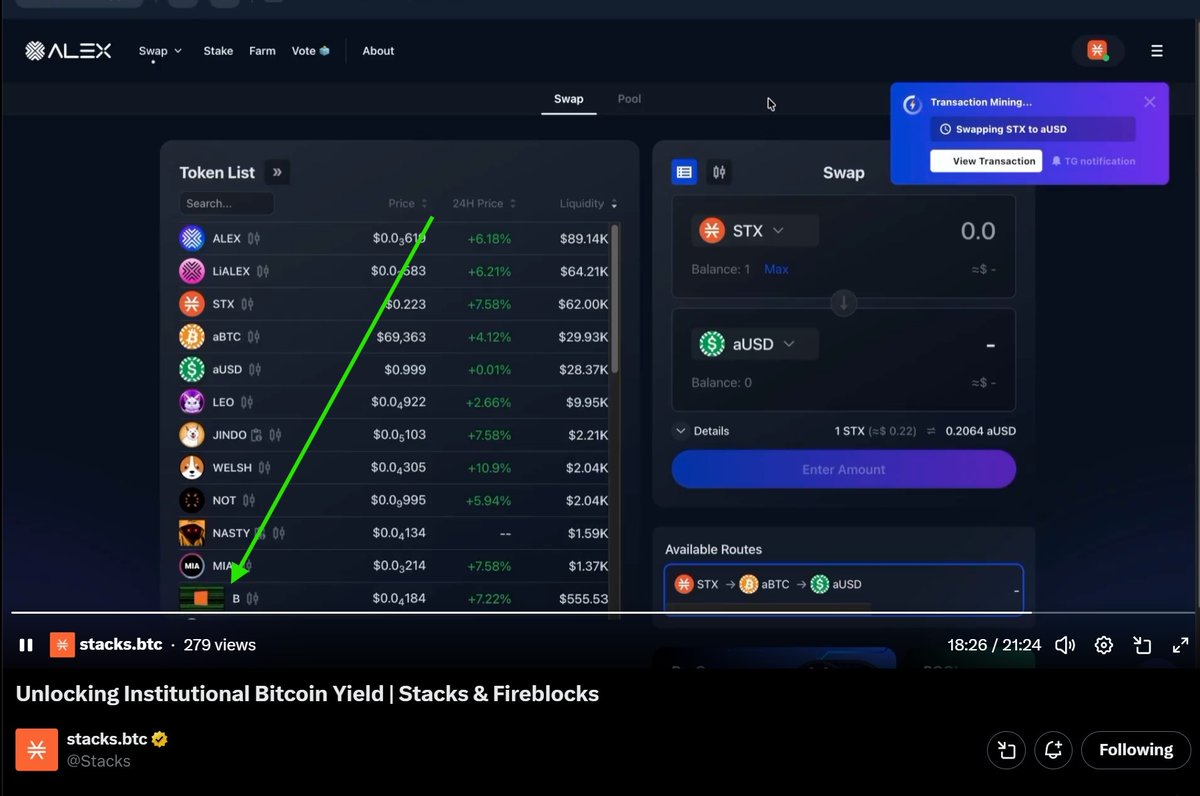
Maybe it's a dumb question, but why don't we emit an L1 $STX representation like $bSTX using Taproot Assets?
People could then lock that 5% $bSTX right alongside their Bitcoin within the same wallet address to trustlessly capture the protocol yield.
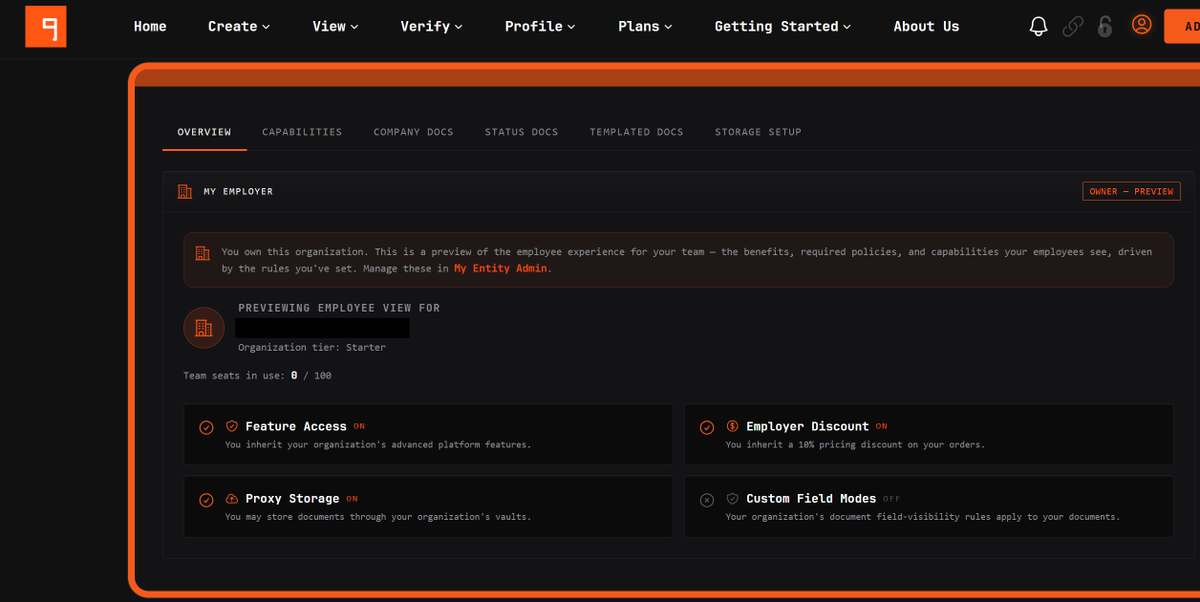
Block9's (@block9app) ⛓️ upcoming on-chain tokenized doc dapp is built quantum-ready from the ground up — and our core innovation is patent pending.
The June 2026 executive orders are now pushing federal agencies to begin their post-quantum migration by 2030. Block9's platform already clears that bar. Every document is sealed with AES-256-GCM and anchored by SHA-512 hashing, with keys derived through memory-hard Argon2id — primitives that quantum computers don't break. We're not scrambling to meet a mandate; we built ahead of it.
Where quantum genuinely threatens any blockchain platform is the asymmetric signature layer — and that's where our positioning is strongest. That exposure lives in the underlying @Stacks / #Bitcoin signing scheme: shared by every dapp in the ecosystem, solved at the protocol level, and not unique to us. On our own side of the line, the single asymmetric touchpoint is how we wrap keys when documents are shared or escrowed — and we engineered that with versioned envelopes from day one. The moment a post-quantum standard ships, we drop in a new version and migrate forward. No broken data, no emergency rebuild — the exit ramp is already poured.
Stacks going live on @FireblocksHQ is the kind of announcement that flies under the radar for most degens
But it's huge!
2,400+ institutional clients can now access Bitcoin DeFi on @Stacks using custody infrastructure they already trust
Lending & borrowing on @ZestProtocol, trading & liquidity on @bitflow, and soon self-custodial BTC staking via Protocol Bonds
Stacks is quietly assembling the building blocks for BTCFi and the rails are falling into place, one by one
Send $STX