"I know less and less about who I am, or who anybody else is." Managing Editor, Eighteenth-Century Studies; Ph.D. Candidate, UBC; Romanticism and the Gothic
Patricia Highsmith 1/19/1921-2/4/1995
Died 25 years ago.
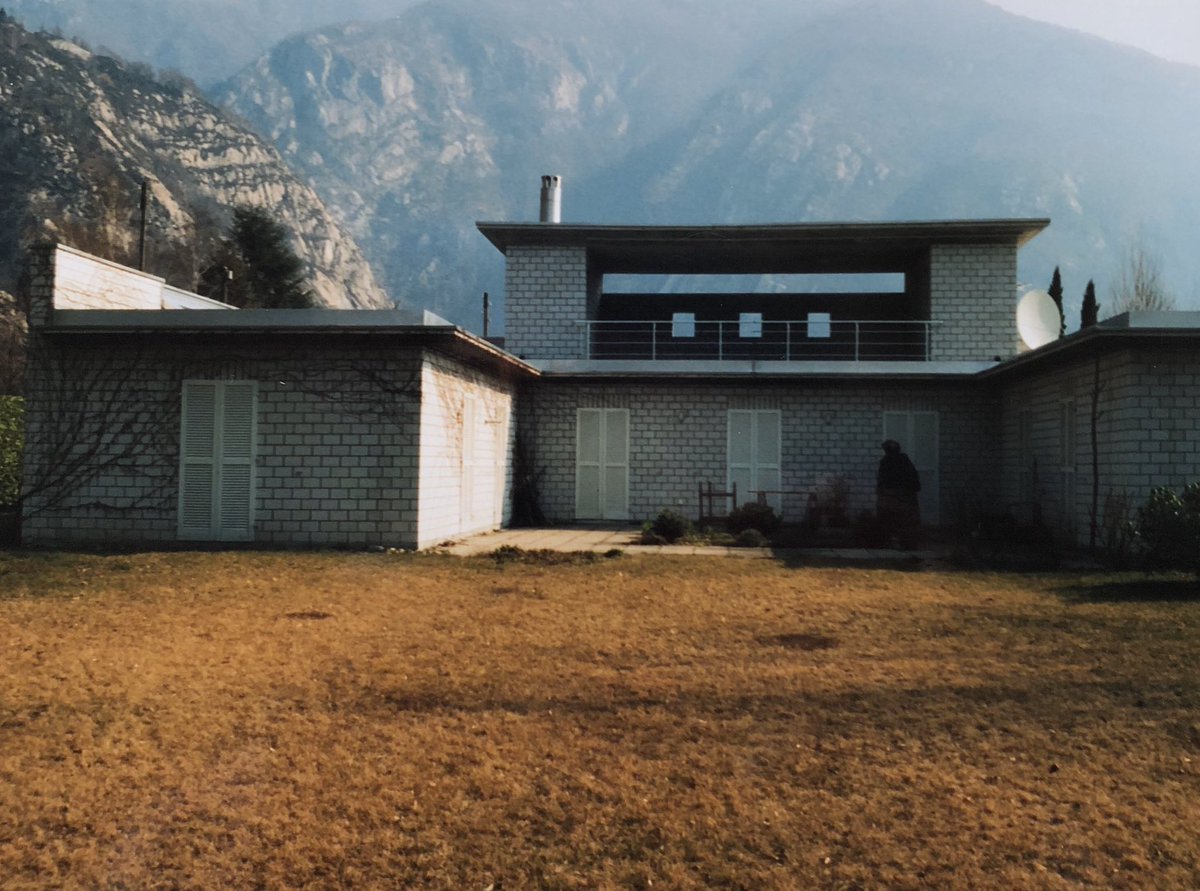
Casa Highsmith, Tegna/Switzerland, on 3/11/1995, the day of the funeral.
Gone, but not forgotten.
#OTD
Pleased to announce the publication of my article, "'Whichever Way You Move . . . It is Ready to Swallow You': The Gothic Atlantic and the Mobile Oubliette," in the current issue of Studies in Romanticism! Open Access: https://t.co/y9YXB6iKOg
Announcing "Christopher Smart Now"
Guest edited by @fraser_easton and Ian Balfour, this roundtable (in Eighteenth-Century Studies 57.4 Summer 2024), includes a new essay on Smart by Geoffrey Hartman and contributions from Jayne Lewis, Kevis Goodman, & Ian Balfour, among others:
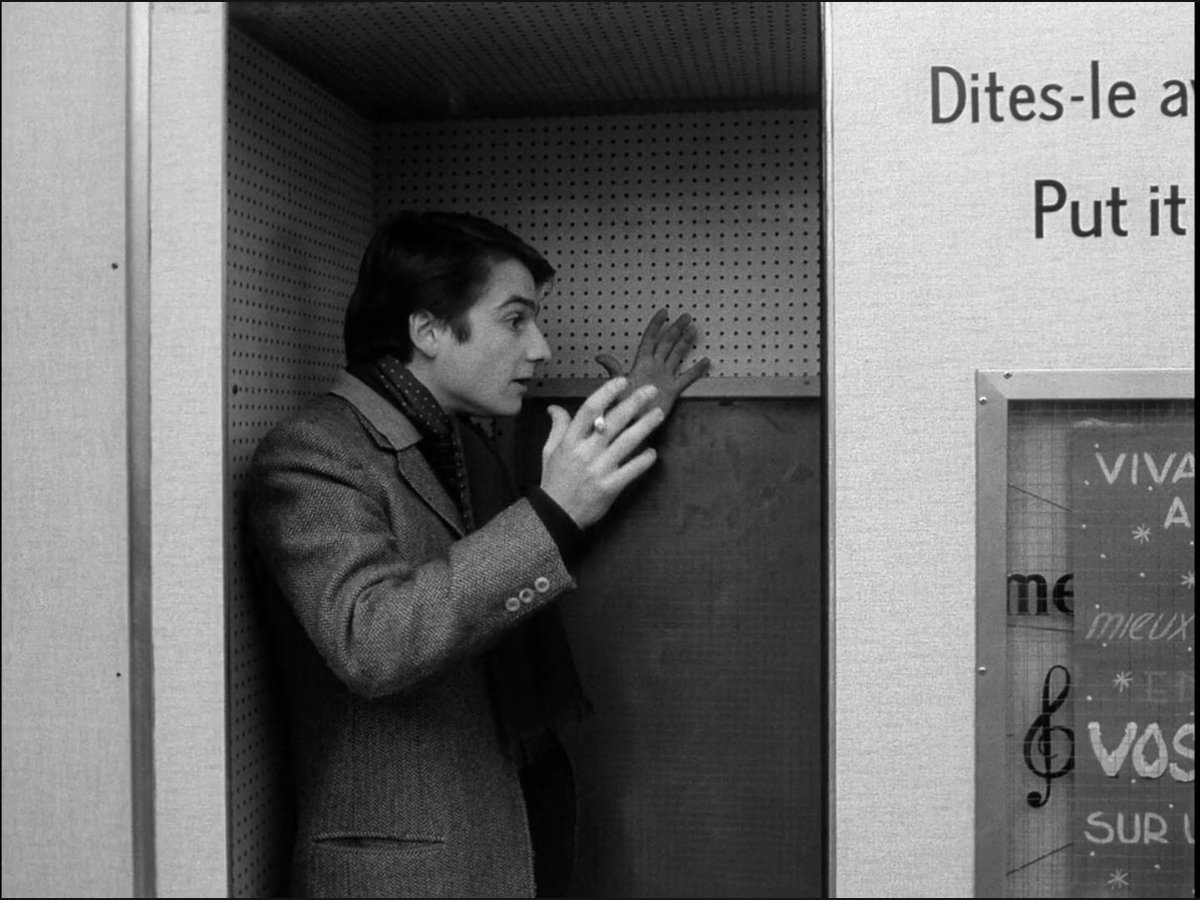
Alice in the Cities, founding a style and finding himself in it; three great films resulted; at @Metrograph at 6:45
https://t.co/uuq9CMiigh
https://t.co/6gUl69OwIT
People have strong, divergent opinions about the continuity of their own selves. Are you the same person you used to be? Or have you changed? https://t.co/XcHQZ5c8Sd
@JoyceCarolOates Moby-Dick and Pierre have many affinities, too, and I like them as companion novels: both concern sublime masculine failure + the ramifications of impossible ideals, but while the former is deep blue oceanic (of course), the latter is earthy, obsessed with land and decay.
@JoyceCarolOates I love Pierre for its outré Gothic characterization + psychologically embedded anti-colonialism through the corruption of the protagonist’s patriarchal genealogy.
I wish I never had cause to write in memory of Jean-Luc Godard, whose work is the most crucial in the modern cinema—past, present, and, yes, future—and to me:
https://t.co/hmrz52zzPj
In Opinion
"We should not romanticize her era," writes Maya Jasanoff, a professor of history at Harvard, in a guest essay. "The queen helped obscure a bloody history of decolonization whose proportions and legacies have yet to be adequately acknowledged." https://t.co/3UIf76SriF
Frantz Fanon was a movie lover—“cinephile” is too fastidious a term for someone who loved popular films and complaining about them. A friend recalled feeling tricked into seeing a terrible movie after Fanon assured him it was a “wonderful American musical” https://t.co/MI79dGMuZG