It's time for us to make a move to new waters - we will no longer be posting on X/Twitter and will be moving over to BlueSky.
To continue to receive our updates, follow us on BlueSky: https://t.co/bX3QUifjZC
Research continues to support that connecting protected areas improves how effectively we conserve the natural environment. In the marine space, combining the knowledge of small-scale fisheries on fish movement with Western science can be used as a key conservation tool in order to achieve this and inform the establishment of new protected areas.
However, this is easier said than done. Bridging the gap between science and real-world action requires a collaborative approach in small-scale fisheries management.
Read the highlights of a recently published paper which offers a practical framework on mainstreaming connectivity in fisheries co-management on:
https://t.co/kvlGqMtiJF
FIVE TRUTHS ABOUT THE OCEAN - #1. The Ocean Can’t Absorb All Our Waste.
For too long, we’ve treated the ocean like a limitless dumping ground. But the truth is, it can’t absorb all our waste.
Plastic pollution is one of the most pressing threats, with 89% of waste collected in global cleanups being single-use items like straws, bags, and wrappers. This pollution has even reached remote places like the Arctic and the Mariana Trench—nearly 8 kilometers deep.
The ocean provides over 50% of the oxygen we breathe, absorbs carbon dioxide, and sustains millions of livelihoods. Yet, our carelessness puts it—and us—at risk.
Access the full list compiled by Two Oceans Aquarium here: https://t.co/VNdr52jLHI
As of now, 106 countries have signed the High Seas Treaty, signaling their commitment to ratify it.
The treaty will enter into force 120 days after at least 60 countries have ratified it. To date, only 15 countries have ratified the treaty - 45 more countries to go!
The High Seas Treaty will ensure that international waters are protected, which is critical in ensuring ocean health globally.
To learn more about the High Seas Treaty, visit: https://t.co/GcteXHFEuD
As we welcome in the new year, we’re filled with excitement for the journey ahead.
With exciting new projects on the horizon, we hope that 2025 brings with it bigger, positive change for our oceans.
Happy New Year!
This year has been full of meaningful change and growing awareness for our oceans.
Thank you to everyone who supported us along the way. Here’s to making an even bigger impact in 2025!
Season’s greetings from all of us at Ocean Impact!
As we celebrate, let’s remember the importance of protecting our oceans and respecting our beaches over this festive season.
Best wishes,
The Ocean Impact Team 🌊💙
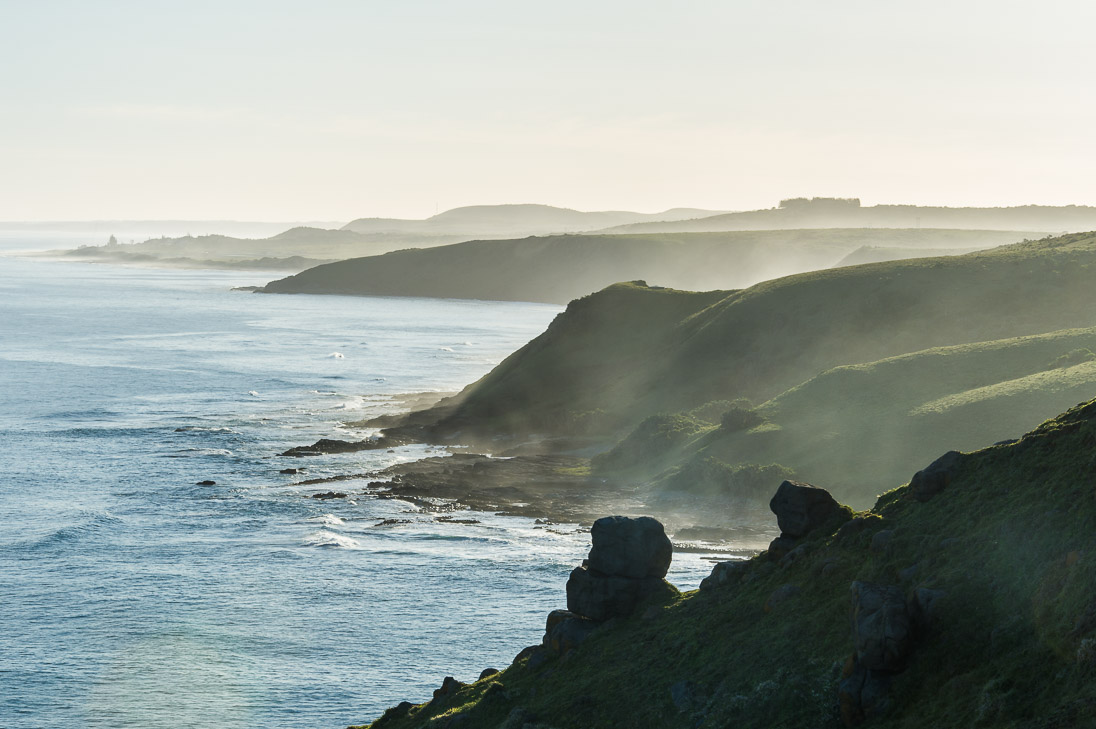
💙 MPAs to Visit - Amathole Marine Protected Area (MPA) 💙
📍 Eastern Cape, South Africa
🤿 Activities allowed: Shore angling in designated areas (permit required); Snorkeling; Kayaking; Beachcombing.
Stretching along the Eastern Cape coast, Amathole MPA protects vital marine habitats, including rocky reefs, sandy shores, and estuaries that support a diverse range of marine life. This MPA is also crucial for conserving endangered fish species like the iconic seventy-four seabream, ensuring their survival for future generations.
When visiting the Amathole MPA this festive season, remember to respect the area and take note:
- Stick to designated areas and avoid disturbing sensitive habitats.
- Dispose of all waste responsibly to preserve this unique environment.
- Follow all fishing regulations to protect marine ecosystems and species.
Your visit supports conservation efforts—thank you for exploring responsibly!
To learn more about Marine Protected Areas within South Africa, visit: https://t.co/d8tNha17c3
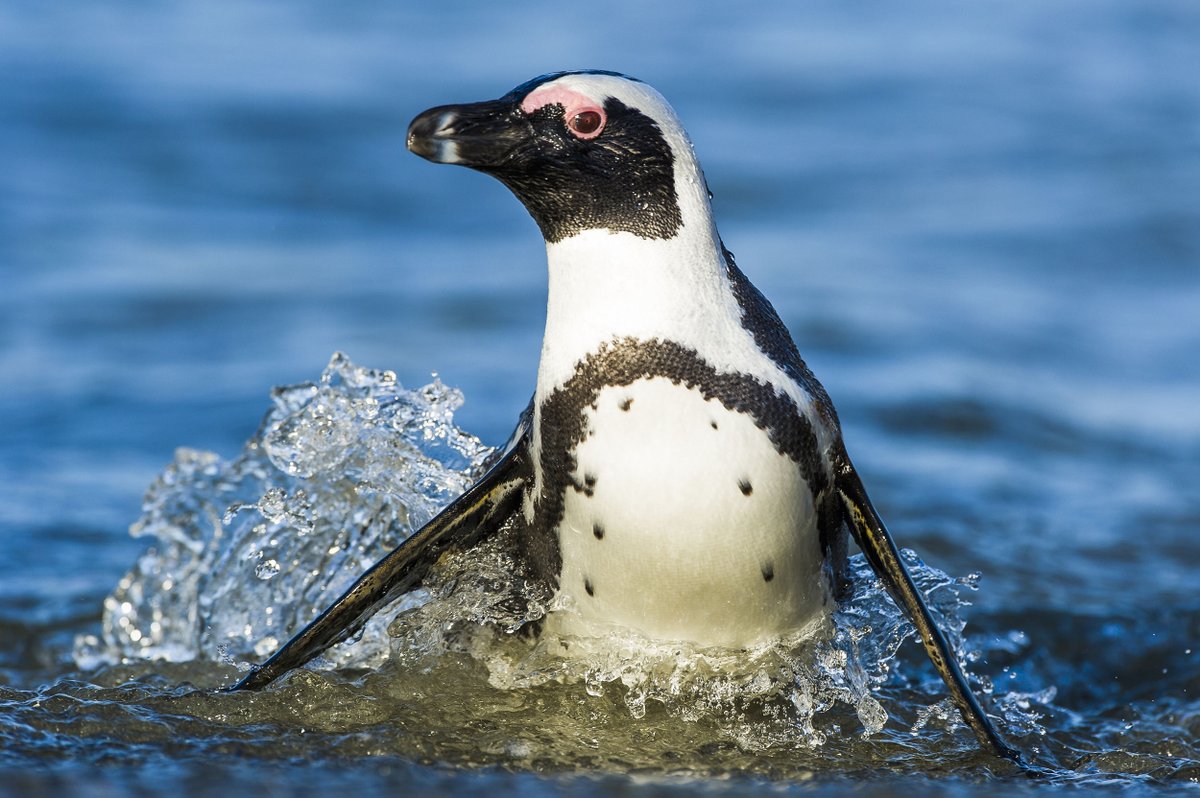
💙 MPAs to Visit - Robben Island Marine Protected Area (MPA) 💙
📍 Western Cape, South Africa
🤿 Activities allowed: Shore angling in designated areas (permit required); Birdwatching; Educational tours; Exploring historical and natural heritage.
Encircling the historic Robben Island, this MPA protects vital marine habitats, including kelp forests and rocky reefs teeming with marine life. It also serves as a critical refuge for seabirds such as African penguins and cormorants, highlighting the interconnectedness of the island's natural and cultural heritage.
When visiting the Robben Island MPA this festive season, remember to respect the area and take note:
- Stick to designated pathways and avoid disturbing wildlife.
- Dispose of all waste responsibly to preserve this UNESCO World Heritage Site.
- Follow all fishing regulations to protect the marine ecosystem.
Your visit supports conservation efforts—enjoy responsibly!
To learn more about Marine Protected Areas within South Africa, visit: https://t.co/d8tNha17c3
💙 MPAs to Visit - Goukamma Marine Protected Area (MPA) 💙
📍 Western Cape, South Africa
🤿 Activities allowed: Scuba diving; Shorebased angling in designated areas (permit required); Hiking along the coastal trails.
Situated near Knysna, Goukamma MPA protects a stretch of coastline, estuarine habitats, and offshore reefs. This area is known for its sandy beaches, coastal dunes, and estuary, which are vital for the survival of numerous marine and bird species.
When visiting the Goukamma MPA this festive season, remember to respect the area and take note:
- Stick to designated trails and avoid disturbing sensitive dune systems.
- Dispose of all waste responsibly to help preserve this pristine environment.
- Follow fishing regulations to protect marine life and habitats.
Your visit supports conservation efforts—thank you for exploring responsibly!
To learn more about Marine Protected Areas within South Africa, visit: https://t.co/d8tNha17c3
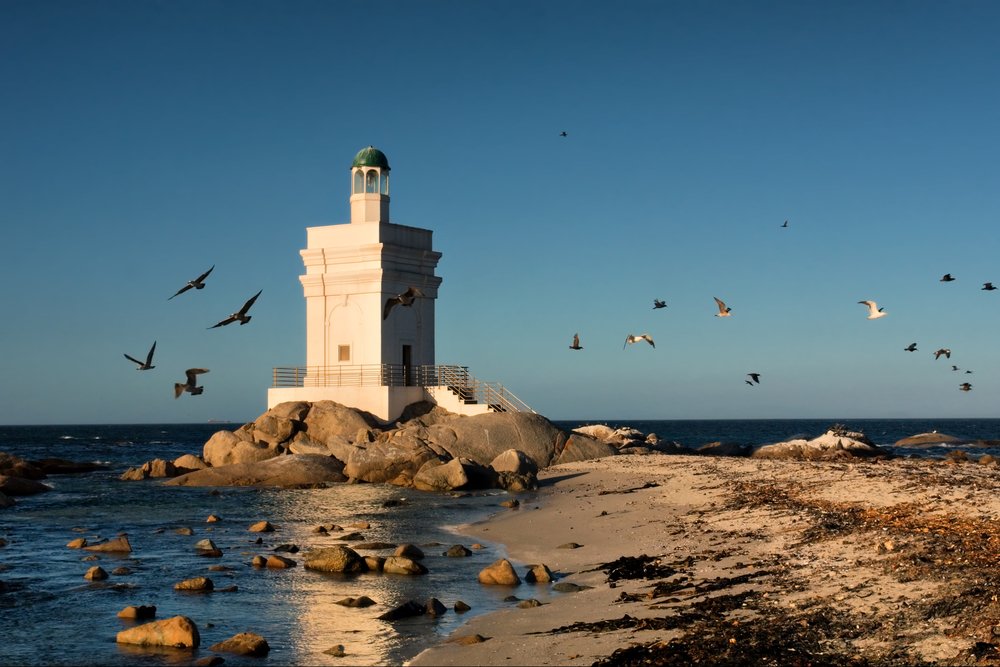
Image Credits: Peter Chadwick
💙 MPAs to visit - Table Mountain National Park (MPA) 💙
📍 Cape Town, Western Cape
🤿 Activities allowed: kayaking and stand-up paddleboarding; snorkeling and diving (including kelp forest dives); recreational fishing (with permits in specified zones); beach activities like picnicking and swimming.
Table Mountain MPA protects iconic kelp forests vibrant reefs, seals, penguins along Cape Town’s coast. These waters play a critical role in sustaining biodiversity and regulating the local ecosystem.
When visiting the Table Mountain National Park MPA this festive season, remember to respect the area and take note:
- Avoid harvesting or damaging kelp forests.
- Participate in eco-friendly activities like guided kayaking and diving.
- Follow all fishing regulations to ensure sustainable practices.
Your visit supports conservation efforts—enjoy responsibly!
To learn more about Marine Protected Areas within South Africa, visit: https://t.co/d8tNha1F1B
Image Credits: Peter Chadwick
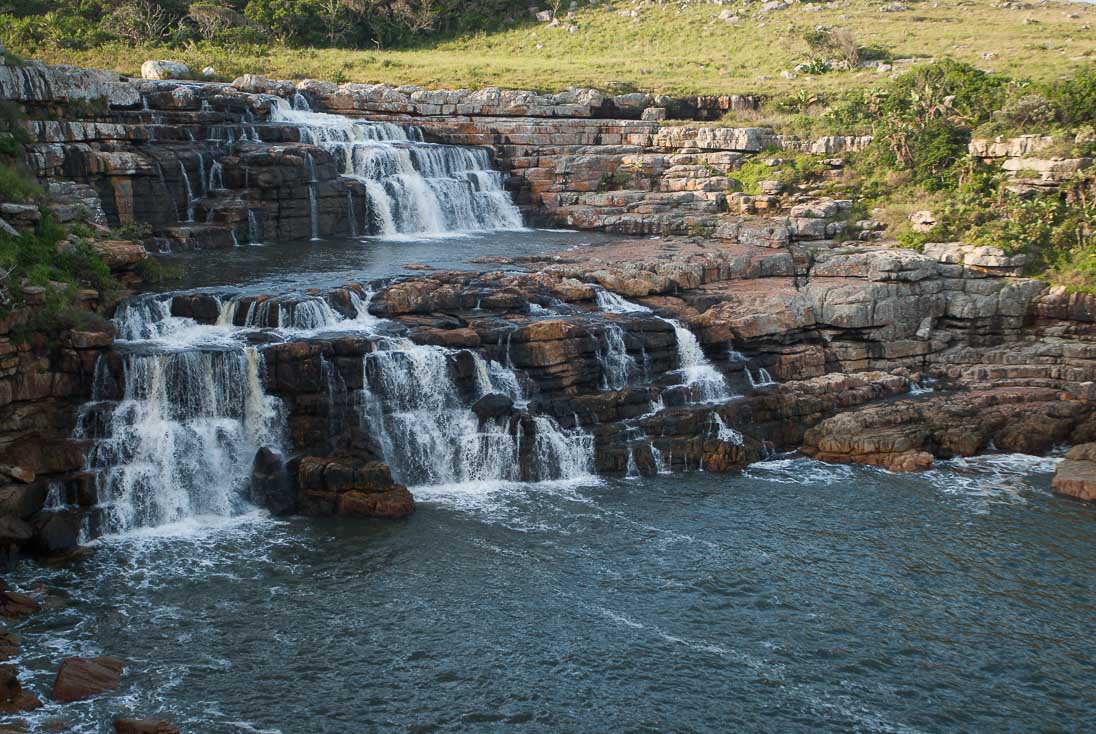
💙 MPAs to visit - Pondoland Protected Area (MPA) 💙
📍 Eastern Cape, Wild Coast
🤿 Activities allowed: Snorkeling and diving: Fishing in designated areas (with permits); Hiking along coastal trails; Exploring estuaries by kayak
This unique stretch of the Wild Coast is one of South Africa’s largest coastal MPA's and is home to an incredible diversity of marine life, including many threatened fishes. Protecting these waters ensures the survival of countless species and the livelihoods of local communities.
When visiting Pondoland MPA this festive season, remember to respect the area and take note:
- Do not anchor boats on reefs—this damages fragile ecosystems, or in the restricted zone.
- Fish only in designated areas and adhere to quotas.
- Support local guides who follow conservation-friendly practices.
Your visit supports conservation efforts—enjoy responsibly!
To learn more about Marine Protected Areas within South Africa, visit: https://t.co/d8tNha17c3
💙 MPAs to visit - De Hoop Marine Protected Area (MPA) 💙
📍Western Cape, near Bredasdorp
🤿 Activities allowed: Whale Watching; Hiking and Walking Trails; and bird watching.
De Hoop MPA protects breeding grounds for Southern Right Whales and provides a safe haven for marine biodiversity and is known as one of the best land-based whale-watching spots in the world. Its pristine beaches and calm waters are vital to wildlife and local ecosystems.
When visiting De Hoop MPA this festive season, remember to respect the area and take note:
- Driving on beaches is prohibited to protect nesting birds and turtles.
- Leave only footprints; take all waste with you.
Your visit supports conservation efforts—enjoy responsibly!
To learn more about Marine Protected Areas within South Africa, visit: https://t.co/d8tNha17c3
Image Credits: Peter Chadwick
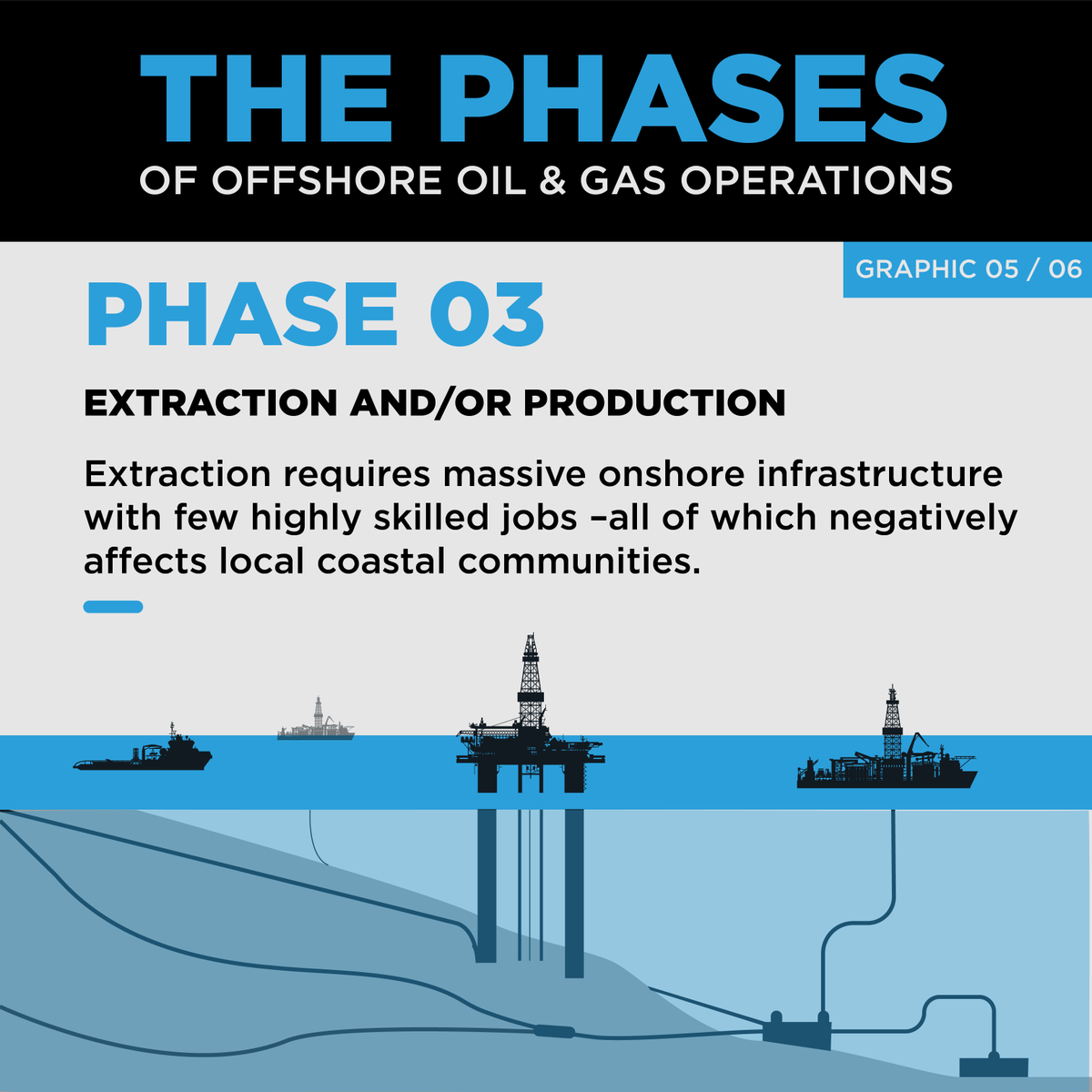
Offshore Oil and Gas Phase 3: Extraction and/or Production
The oil and gas extraction phase is where companies will generally recover their exploration costs – a phase which lasts anywhere between 20 and 50 years.
Extraction involves a small number of highly skilled jobs, with limited opportunities for local companies and local technical skills.
Oil production also requires massive onshore infrastructure for transportation, storage, processing, and delivery.
To learn more and take action, visit: https://t.co/RoOm0gigTb
Offshore Oil and Gas Phase 2: Exploration / Test Wells
Offshore well drilling is a high-risk, expensive form of assessment of the quantity & quality of the find, as well as its ease of extraction of commercially viable oil or gas reserves. The drilling depths, geology, weather conditions & distance of the site can all affect the drilling duration which can be anywhere between 4 to 10 years.
If offshore oil and gas is this destructive to our marine habitats, why is South Africa leasing approximately 90% of its oceans to this industry?
Learn more and take action here: https://t.co/RoOm0gigTb
Seismic airgun reconnaissance poses a risk of serious harm to marine life, the full extent of which is often not understood at species and population levels until long after the harm occurs.
There is specific conservation concern for beaked whales that are particularly sensitive to seismic surveys.
It has been demonstrated that even minor, non-lethal disturbances, resulting in changes in behaviour such as displacement from preferred habitats, could impact a population.
To learn more, visit https://t.co/RoOm0gigTb.
📢 ANNOUNCEMENT – WEST COAST:
Searcher Geodata UK Pty Ltd received environmental authorisation to begin 3D Seismic Surveys offshore off St Helena Bay and Hondeklip Bay, along the West Coast of SA.
What does this mean for our coastline and our people?
How do I submit an appeal to the environmental authorisation?
Find out more about the project and how to appeal in this community information pamphlet developed by Natural Justice and Green Connection.
Deadline: Appeals must be submitted before 13 November 2024
📢 Raise your voice by submitting an appeal and sharing the pamphlet with others: https://t.co/oUl4UOpQIg
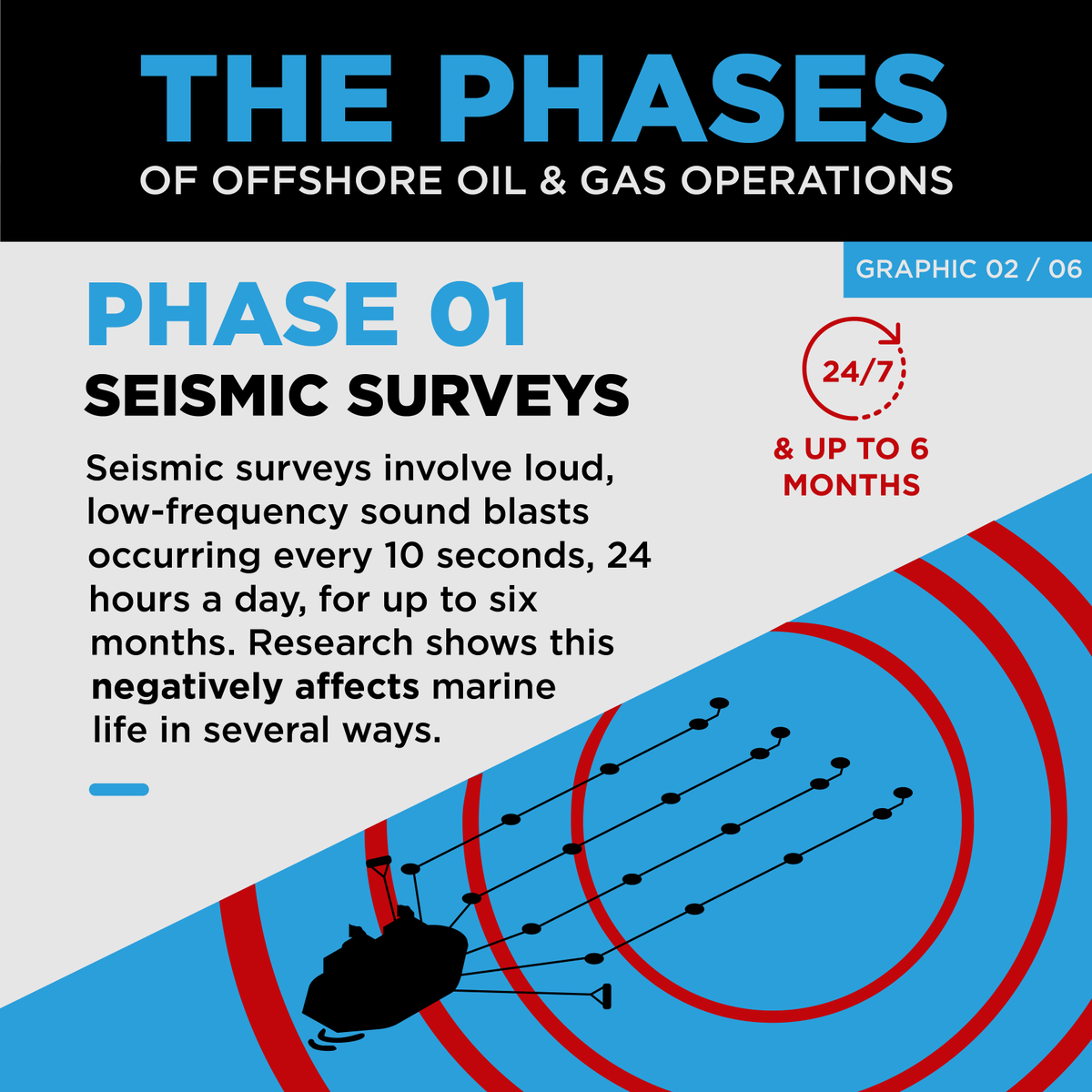
Offshore Oil & Gas Phase 1
Seismic surveys, the first step in oil & gas exploration, use extremely loud shock waves to detect subsea deposits.
These intense sounds harm marine life, causing physical trauma, disorientation & disrupting crucial behaviors like feeding & breeding.
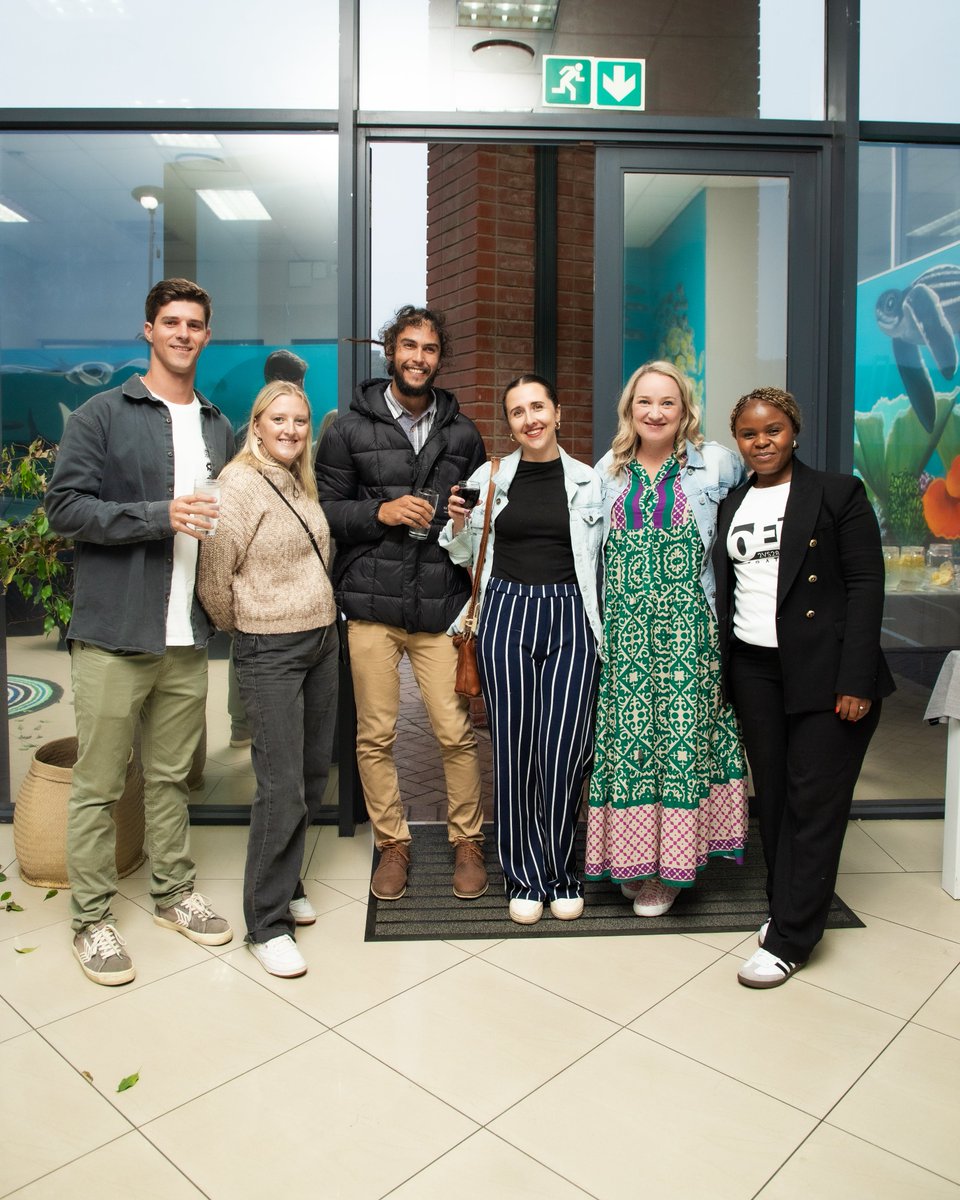
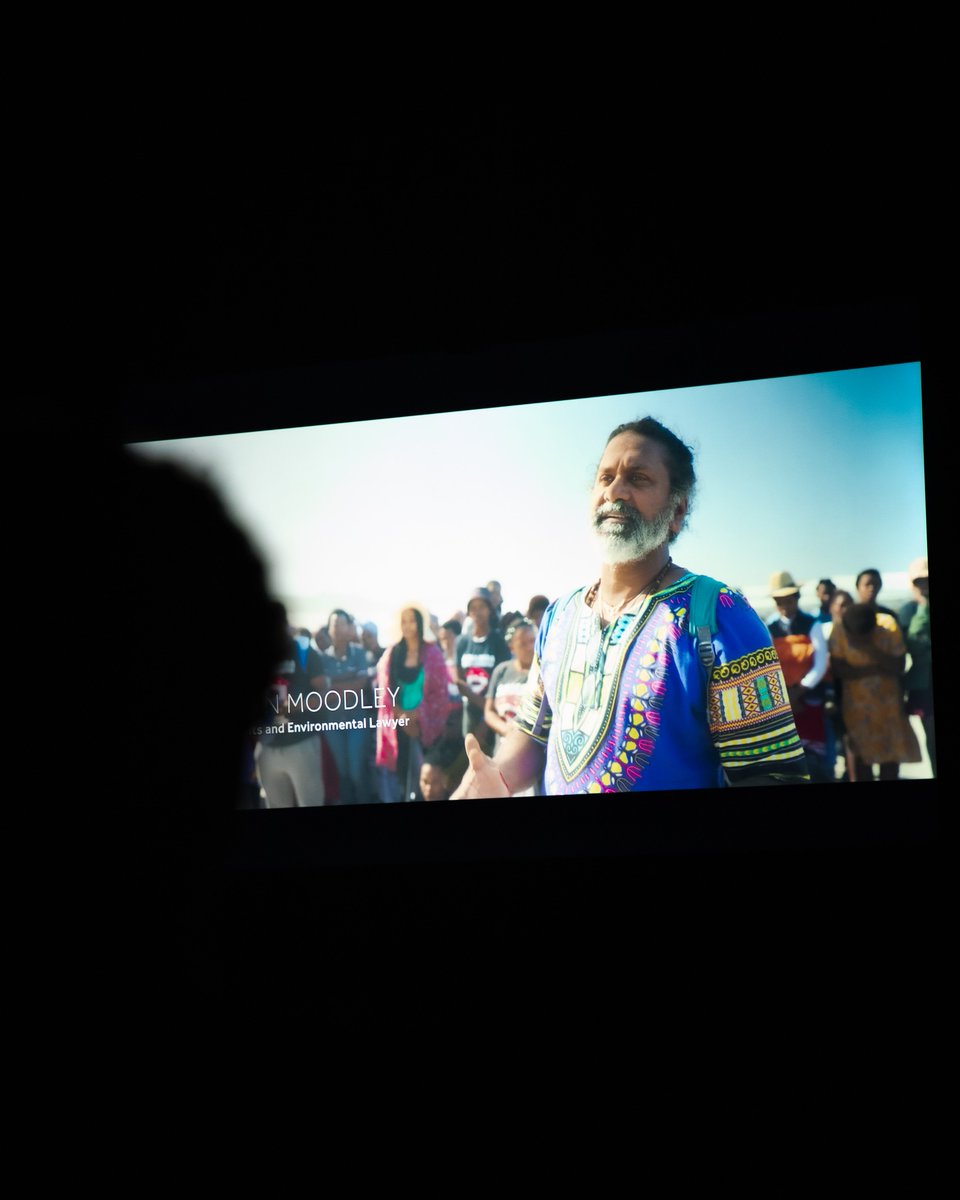
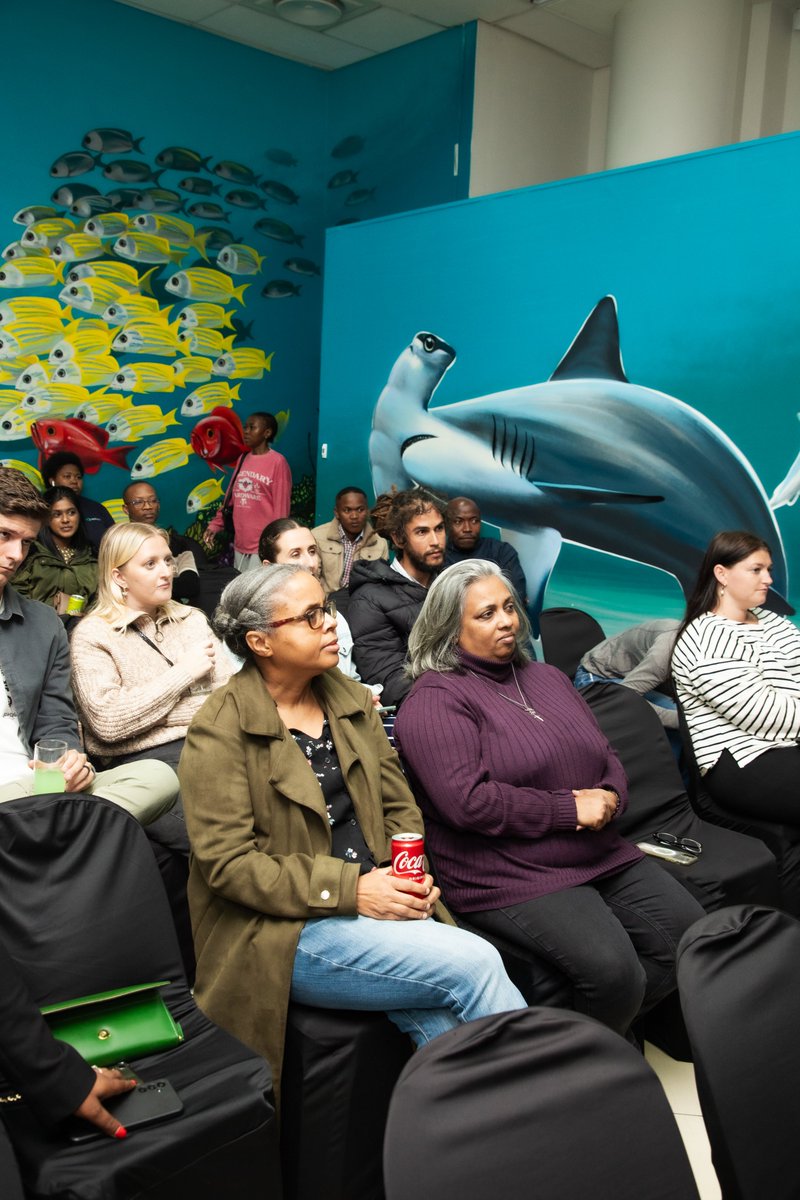
Last night our team attended the screening of 'Wild Coast Warriors' held at the WILDOCEANS offices in Durban.
An inspiring film that showcases the power of collaboration across South Africa.
Watch the 'Wild Coast Warriors' trailer here: https://t.co/mvcql4IqAC
Various stages of offshore oil & gas development face unique risks: harsh weather, deep waters, & distance complicate rescue efforts, while threats to ecosystems, lives, & economies remain high.
Follow along as we unpack the different phases of offshore oil and gas.