Arsenal's financial position heading into November 2026 is much stronger than many people realise, and that's exactly why waiting until January to sign a winger makes sense.
Let's address the biggest concern first: the suggestion that Arsenal are close to breaching UEFA's squad cost rules.
The numbers suggest otherwise.
Arsenal's estimated squad cost ratio stands at around 58.4%, comfortably below UEFA's 70% limit. That leaves approximately £95.8 million in annual spending headroom. Under the previous financial sustainability rules, estimates also suggest Arsenal have substantial room within their permitted three-year losses.
So why wait until January?
It wasn't because Arsenal couldn't afford a winger. It was about timing, value and making the right decision.
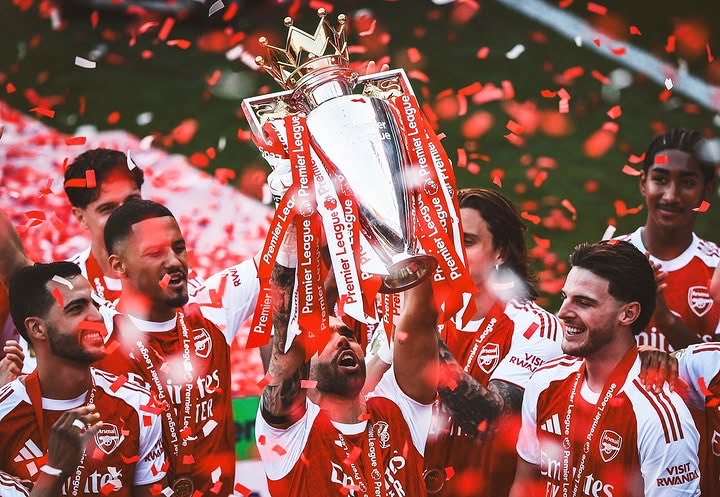
Arsenal recorded a club-record £691 million in revenue for the year ending May 2025, with losses falling to just £1.4 million. Following their 2025/26 Premier League title-winning campaign, revenue is projected to approach £793 million.
That growth creates greater spending capacity, giving Arsenal more flexibility to invest in transfer fees, wages and agent costs.
Of course, the club must still manage its finances carefully. The Premier League's 85% squad cost threshold and UEFA's stricter 70% limit remain important considerations. However, an estimated 58.4% ratio suggests Arsenal still have considerable breathing room.
There is also an opportunity to sell a midfielder to help finance a winger. With options such as Lewis-Skelly, Zubimendi and Merino, Arsenal have considerable midfield depth.
Selling one could free up wages, create a squad space and generate additional transfer funds. Merino is now 30, while Zubimendi could potentially command a significant fee depending on market demand.
That money could be reinvested in a young attacking talent like Said El Mala.
Young, quick, direct and capable of playing on either flank, he offers the kind of profile Arsenal could benefit from.
A £60 million transfer spread across five years would mean approximately £12 million in annual amortisation, excluding wages and other costs. Against projected revenues approaching £800 million, that is a manageable commitment if overall squad costs remain under control.
The strategy is simple: sell from a position of strength, invest in younger attacking talent and spread the transfer cost over several years.
Arsenal don't have to choose between financial stability and improving the squad. They can achieve both with the right planning.
The real danger was never an imminent breach of financial regulations. It was spending heavily on the wrong player simply because the squad needed another winger.
Arsenal have the financial strength to invest. January presents another opportunity to assess the market, avoid panic buying and identify someone who genuinely improves the team.
That's the difference between spending money and building a squad intelligently. 🔴⚪