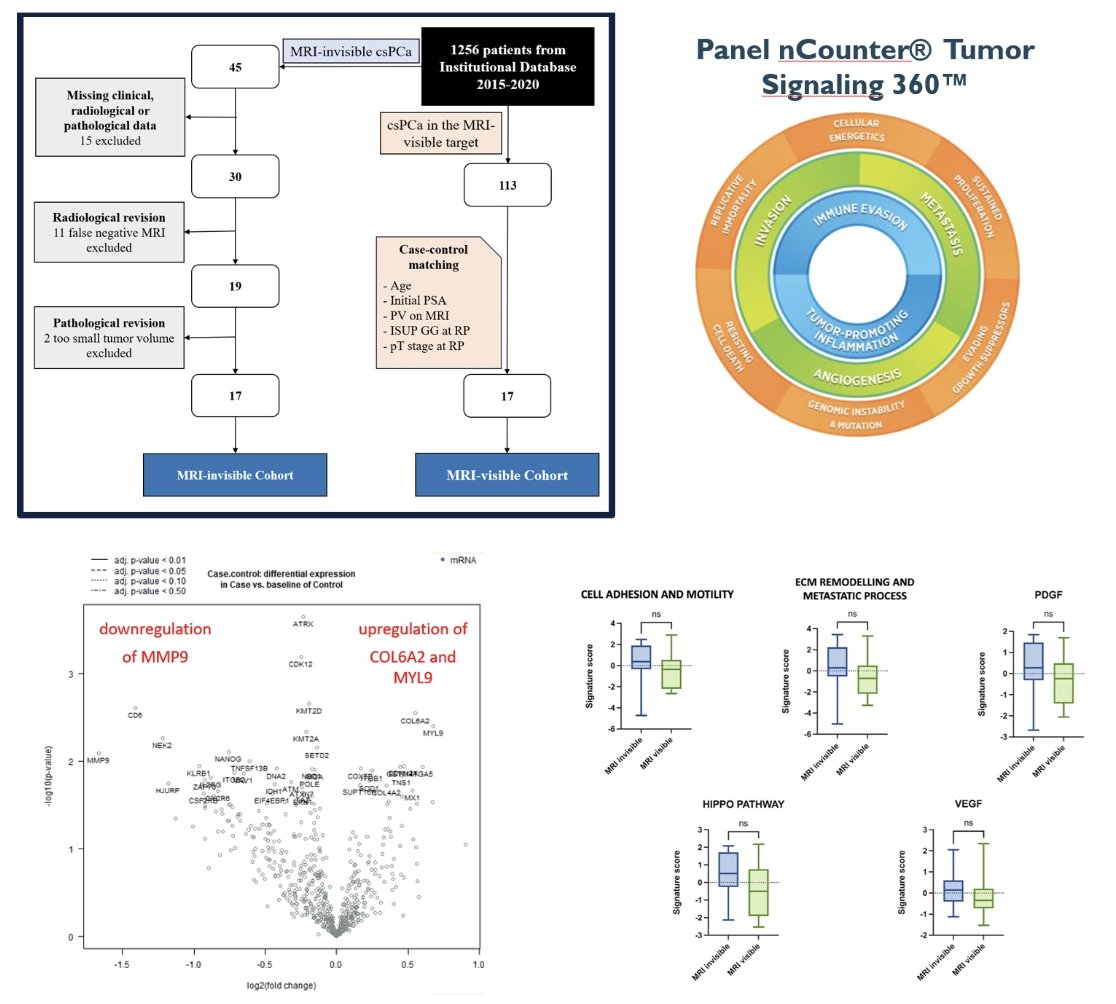
Histopathologic features and transcriptomic signatures do not solve the issue of magnetic resonance imaging-invisible #ProstateCancers: a matched-pair analysis. #ProstateCancer invisibility on mpMRI ≠ indolence! A matched-pair study found no histopathologic or transcriptomic differences explaining MRI-invisible tumors—some still show aggressive features. #ReadNow > https://t.co/72KsSy5sLa @oderdam
Histopathologic features and transcriptomic signatures do not solve the issue of magnetic resonance imaging-invisible #ProstateCancers: a matched-pair analysis. #ProstateCancer invisibility on mpMRI ≠ indolence! A matched-pair study found no histopathologic or transcriptomic differences explaining MRI-invisible tumors—some still show aggressive features. #ReadNow > https://t.co/72KsSy5sLa @oderdam
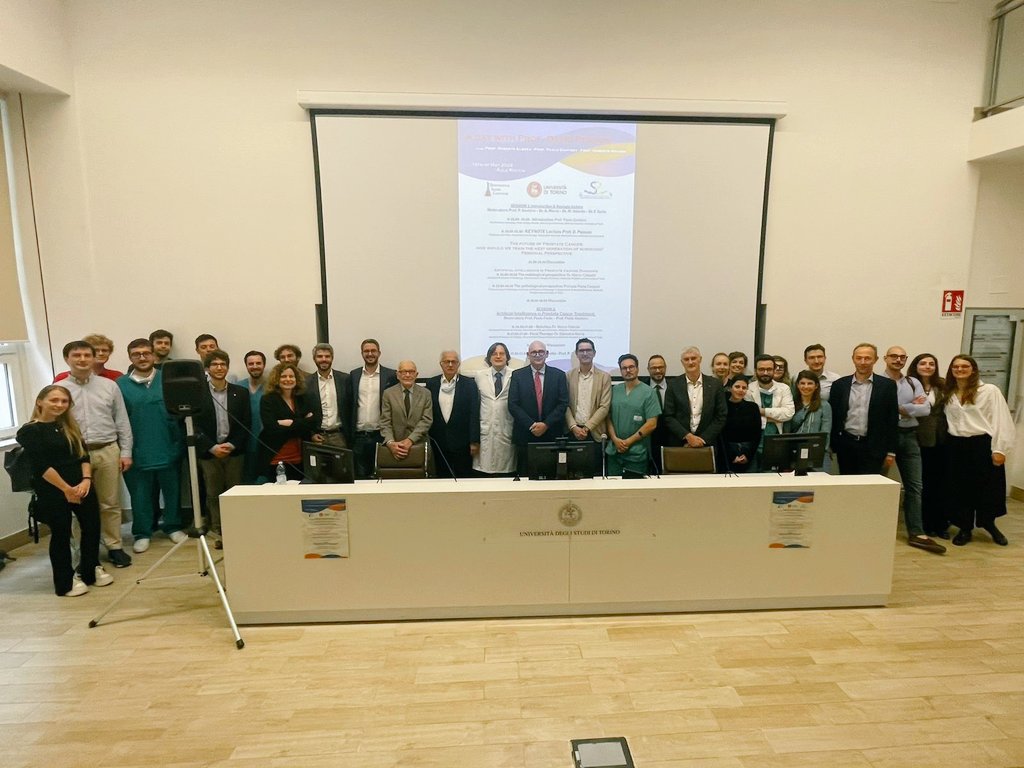
#TOP24 TURIN ONCOLOGY PROSTATE CANCER MASTERCLASS. FOR WHO IS INTERESTED IN ADVANCING KNOWLEDGE AND SKILLS IN THE DIAGNOSIS AND TREATMENT OF PROSTATE CANCER. 🗓️ 13/12
📍Turin, IT
📲 https://t.co/BvSjNctmDU
@paolo_gontero@UroMolinette@oderdam@GMarra_MD@peppinoiorio
🧬 Exciting new study shows how Prolaris genomic testing can help men with intermediate-risk #ProstateCancer make better treatment decisions! 📊 Patients recommended for Active Surveillance (AS) by Prolaris were 2x more likely to choose AS and 1.5x more likely to stay on it for 3 years. 🕒 #PrecisionMedicine #CancerResearch #MensHealth #Prolaris #Urology
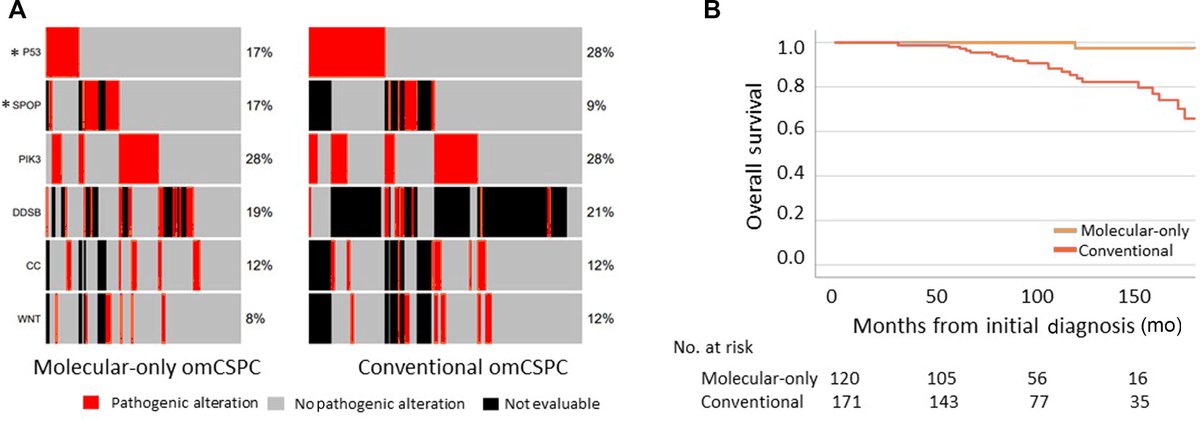
Clincal and Genomic Differences Between Advanced Molecular Imaging-detected and Conventional Imaging-detected Metachronous Oligometastatic Castration-sensitive Prostate Cancer by Philip Sutera et al
Full article: https://t.co/gUuTh3Ah9y
#MedTwitter#UroSoMe#PCa#ProstateCancer
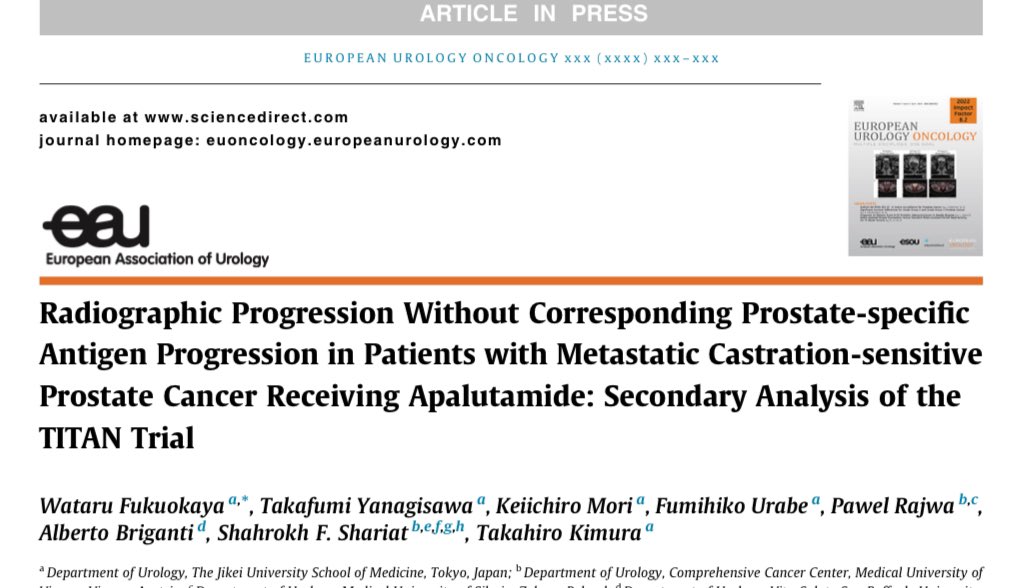
Secondary analysis of TITAN trial shows that half of patients with mHSPC treated with apalutamide who experienced radiographic progression developed it without corresponding PSA progression. Great team @jikei_urology@gehi87@Keiichiro__Mori@DrShariat
https://t.co/e6jL7NmYdP
🤝🩺 The Société Internationale d’Urologie (SIU) is pleased to support the Università di Torino in helping to disseminate its 3-minute survey to shed light on the current landscape of genetic testing and the use of PARP-inhibitors in different institutions. The answers will be acquired anonymously; the data will not be accessible to third parties and will be used only for scientific purposes.
🥼🧪 The subject of how and when to use genetic tests and PARP-inhibitors in prostate cancer has become one of the hot topics in urology. Not all the institutions and countries are prepared for the widespread use of genetic testing (somatic and/or germline) and not all have access to PARP-inhibitors in their routine clinical practice.
🔎 The insights gathered from this survey will play a crucial role in identifying gaps in current practices to help improve patient care and outcomes in prostate cancer management.
Answer the survey today! https://t.co/0ZCOEDebOW
*By answering the questions, you consent to the use of the data for scientific purposes.
Thank you for participating! #UroSoMe @unito@paolo_gontero@oderdam@StavrosGravas