OFOM (a 3 year programme funded by the EU and the Italy, promoted by FederBio) aims at increasing the role of EU organic food industry in China, Japan and USA.
One of our goals is to avoid environmental pollution, especially #natural resources such as soil and water. To learn more about the importance we attach to the environment, click here:
https://t.co/N6Bd3Yv38d
Import regulations facilitate imports of #organic products into the EU, while promoting better monitoring, thereby countering deception and fraud.
Click here to find out more:
https://t.co/HkQHr2Pdio
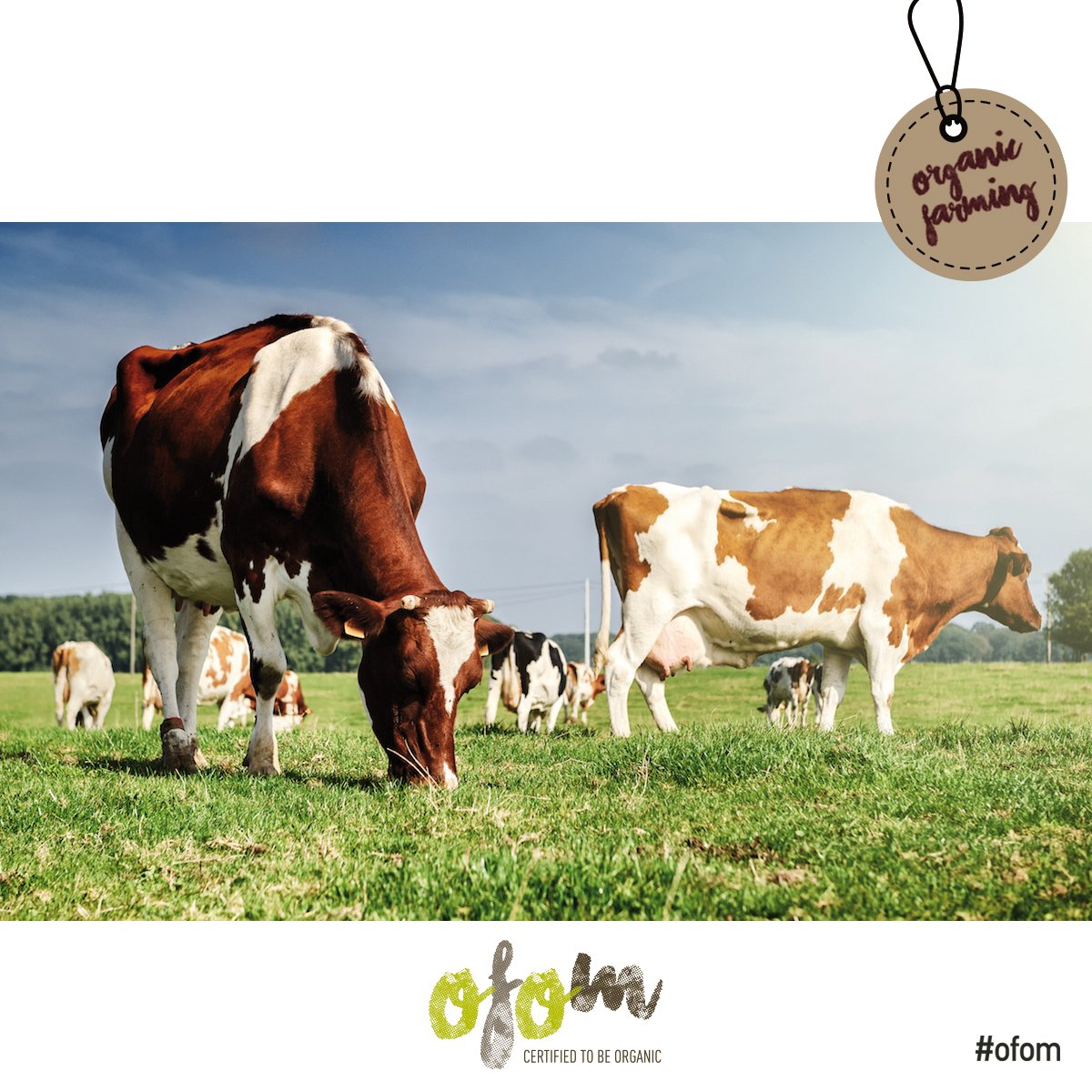
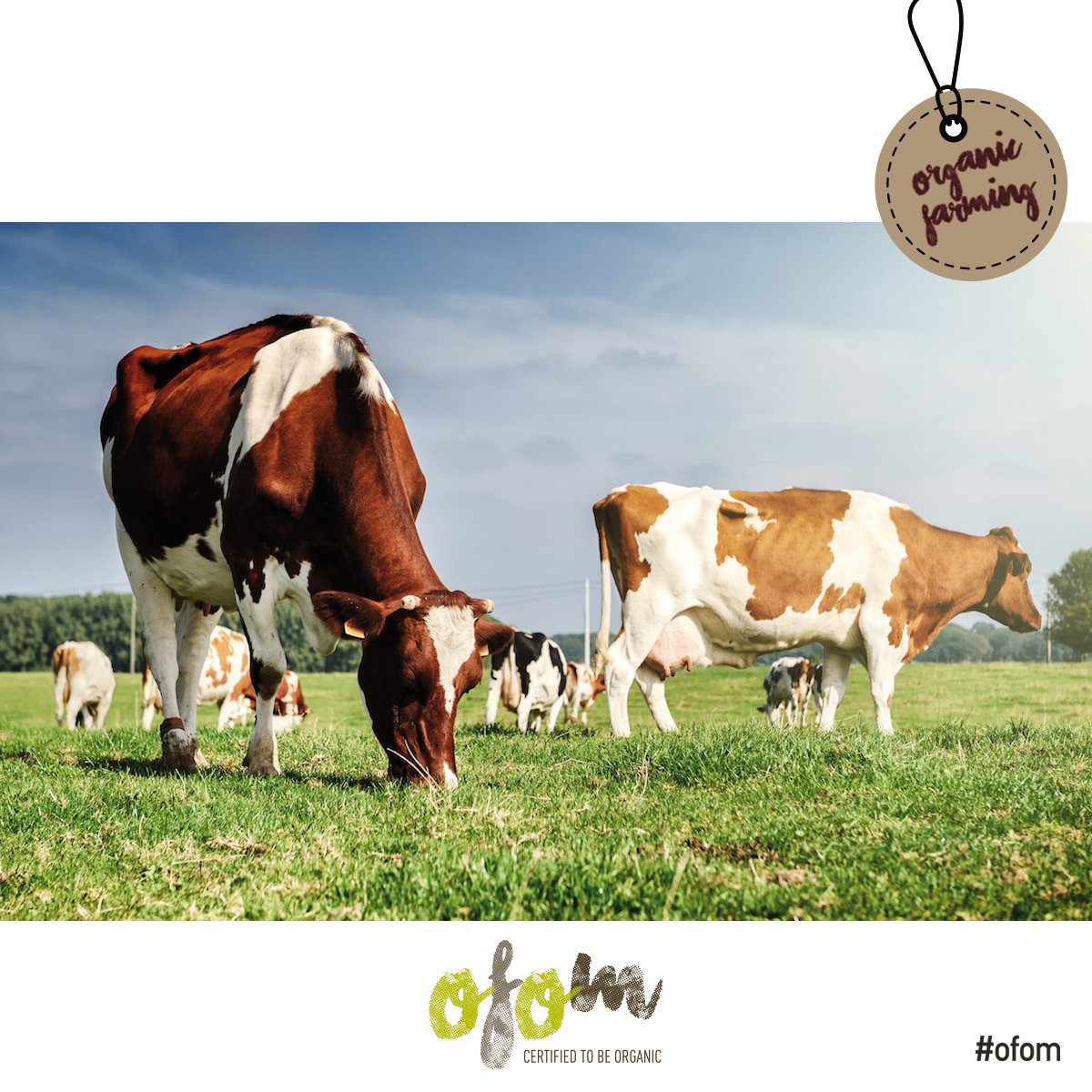
Livestock feeding is very important in #organic breeding. Farmers must provide 100% organic food to their cattle in order to market their products as organic and use the EU logo. To learn more, please click here: https://t.co/DhZCWWf80n
Do you have questions about the techniques, methods and development of new rules in #organic farming? Ask the expert commission and download the documentation.
Click here: https://t.co/tpoRmdoSm7
The fundamental principle in #organic farming is the use of organically produced seeds. There is an online database to facilitate the acquisition of these seeds.
Click here: https://t.co/qNAuIU3H2q
The #organic aquaculture of fish, crustaceans and algae deals with the separation of biological and non-biological units. Biodiversity must be respected and does not allow the use of hormone-induced artificial http://reproduction. Learn more: https://t.co/psHIissl4X
Is #organic farming less productive than conventional agriculture?
Organic production requires more work than conventional production and equal quantities of fossil fuels. Organic farming aims to be a low-input type of agriculture. Find out more:
https://t.co/M4I43IhG4F
#Organic has become a way of life. The organic sector in the EU has developed rapidly in recent years. Find out how the human impact on the environment and the intervention in the most natural way possible on:
https://t.co/y5FmlNZiOZ
The feed given to livestock should enhance their health and wellbeing. #Organic farmers use organic fodder that is good not only for growth and output, but also for health and welfare. To learn more: https://t.co/gGk3P4W0la
The wild plants, which naturally grows in agricultural areas, is considered a #organic production method provided that these areas have not received treatments with products other than those authorized for use in organic production. To learn more:
https://t.co/94dut8mPhp
#Organic farmers are very careful about water management. Biological methods contribute to the maintenance of water resources and the maintenance of high quality. To learn more: https://t.co/4e8RMT4ry6
Soil is arguably one of the earth’s most important natural
resources. #Organic farmers respect the value and importance of soil by carefully monitoring what they put in of it and how their activities affect its fertility and composition. To learn more: https://t.co/RqIW0Y1hDa
Did you know that the preparation of processed #organic food must be kept separate in time or space from not-organic foods?
To learn more: https://t.co/2VptDzB80a
Are #organic products of the same quality as other foods and drinks? The organic production methods differ from the conventional ones, but the goal is still to produce high quality food and drink. To learn more:
https://t.co/TtIo5B2Mcz
Do you want to know how to become a #recognized body / control agency? Or how to add countries and product categories to your recognition scope?
Click here:
https://t.co/OWhjh7R0JV
An ingredient in "conversion" is the transition from non-organic agriculture to #organic farming in a given period of time during which the provisions concerning organic production have been applied.
Find out more:
https://t.co/VC1ZYPj0YJ
Did you know that a group of experts is foreseen on #organic production which guarantees simple and systematic access to highly qualified technical skills in a wide range of sectors linked to organic production?
For more information:
https://t.co/tpoRmdoSm7
The #organic pasta production process excludes the use of synthetic chemicals and is based on raw materials that come from an agricultural production that is better integrated with the natural processes and the surrounding environment.
Find out more:
https://t.co/J6pN3a8sAK
Do the #animals live free in the pastures? It is possible, and in some small companies it happens, but it is not mandatory.
For more information:
https://t.co/DhZCWWf80n