ESTE TIPO USÓ CLAUDE PARA CONSTRUIR UN SISTEMA DE TRADING AUTOMATIZADO QUE GANÓ 847 $ DE LA NOCHE A LA MAÑANA
Todo empezó con un solo artículo sobre bots de Polymarket.
Claude lo leyó, seleccionó 7 repositorios de GitHub, los conectó en un pipeline funcional y desplegó el sistema de principio a fin.
A partir de ahí, todo funcionó de forma autónoma.
El sistema escaneó más de 412.000 operaciones, rastreó wallets de ballenas, detectó actividad de insiders y tomó decisiones en tiempo real.
Según él, cada pocos segundos analizaba datos, decidía si comprar, vender o pasar, y ejecutaba las operaciones automáticamente.
47 operaciones después, el sistema terminó la noche con 847 $ de ganancia, sin ninguna intervención manual.
LOCURA
Had a ton of fun putting this together showing a little behind the scenes look at how I approach my video projects like the Odyssey trailer using @grok@imagine !
SOMEONE TURNED THE IPHONE DYNAMIC ISLAND INTO A WORKING POLAROID CAMERA
the whole thing lives in your dynamic island.
> drag the island down to open the camera
> tap to snap, then it morphs and ejects the photo out of the slot
> the pic slowly develops like a real polaroid, and you shake your phone to reveal it faster
> every sound and interaction is mapped to haptics, so you feel each step
> fully native swift, and he spent a month keeping the whole app under 5mb
its called pico cam and its pure skeuomorphism done right
absolutely insane what you can do with codex now
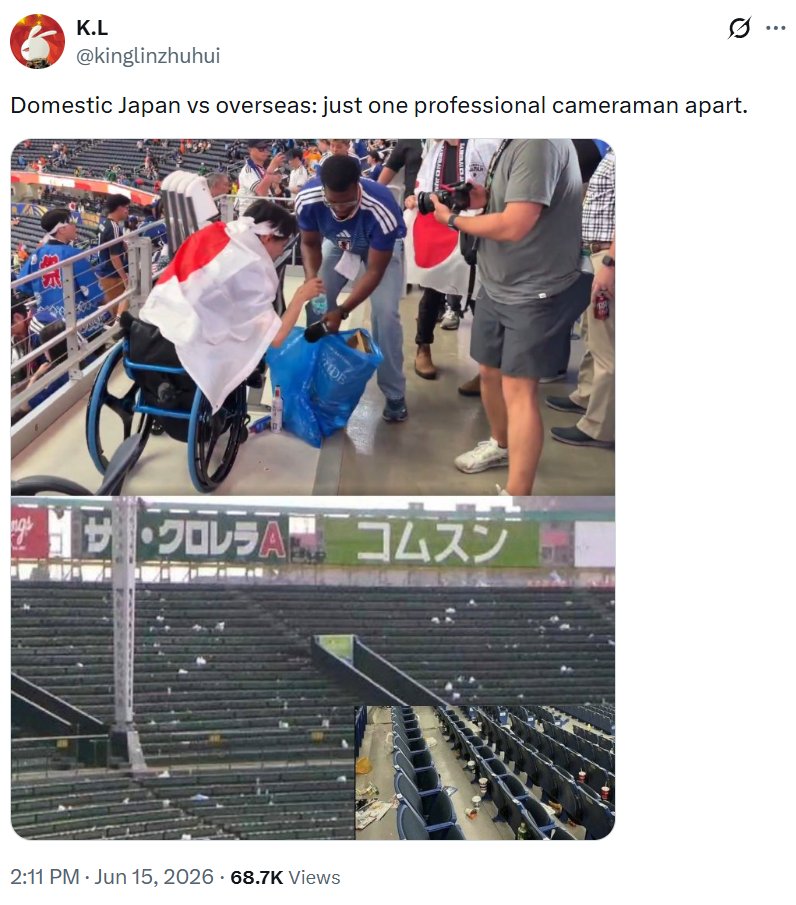
@zhao_dashuai 注意他们用的袋子,上面印的是 JAPAN PRIDE。这个口号是 APA 酒店和日本足协合作的概念。
APA 的负责人元谷外志雄带有强烈右翼民族主义和历史修正主义色彩,该酒店过去还因为在客房放置否认南京大屠杀、否认慰安妇的书籍。
也就是说,这些袋子本身就带有右翼资本、国家主义宣传和体育洗白的意味。
@kinglinzhuhui 注意他们用的袋子,上面印的是 “JAPAN PRIDE”。这个口号是 APA 酒店和日本足协合作的概念。
APA 的负责人元谷外志雄带有强烈右翼民族主义和历史修正主义色彩,该酒店过去还因为在客房放置否认南京大屠杀、否认慰安妇的书籍。也就是说,这些袋子本身就带有右翼资本、国家主义宣传和体育洗白的意味。
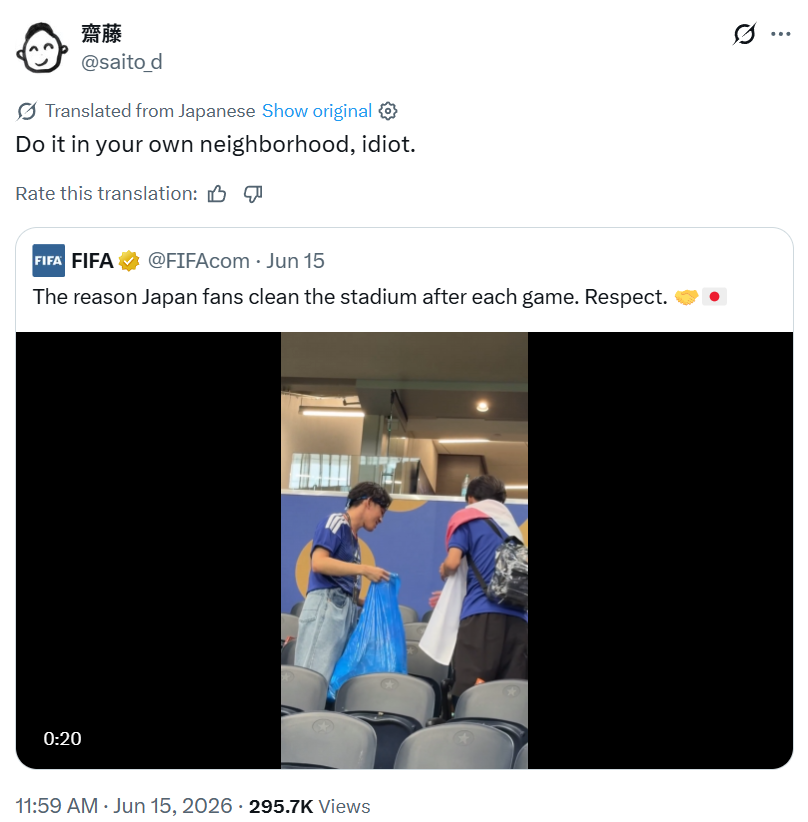
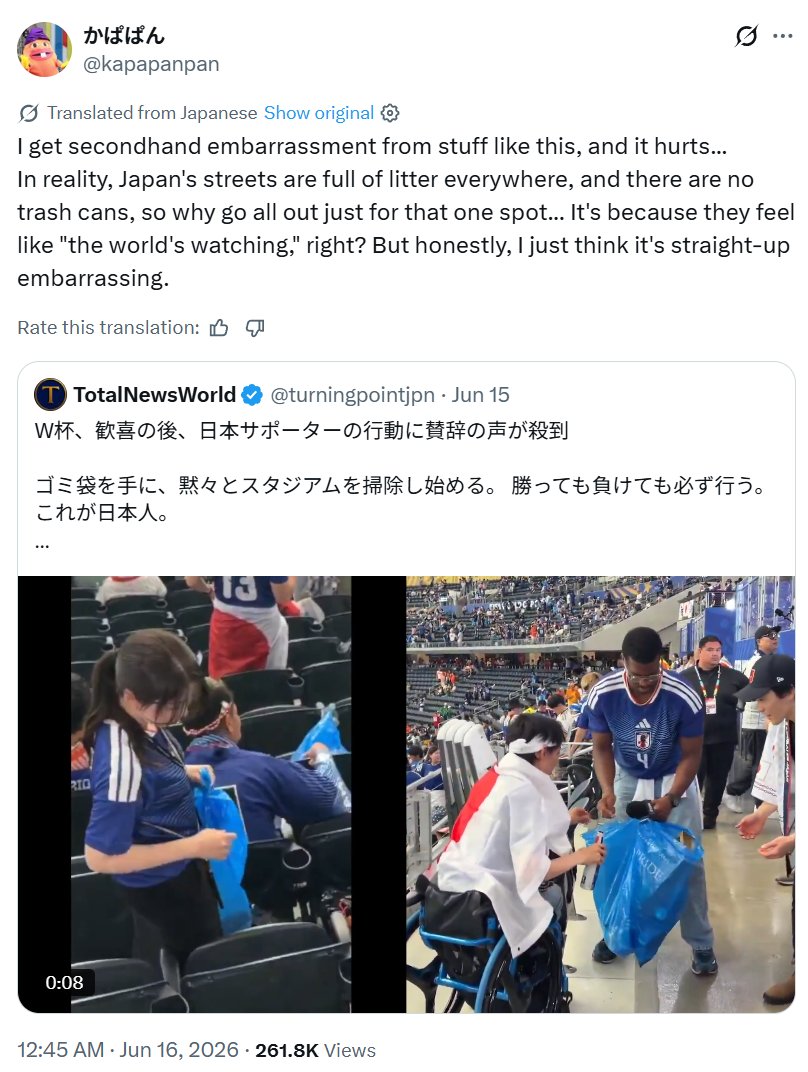
Japanese soccer fans have a tradition of cleaning up stadiums when their team is playing abroad.
This year there has been some backlash from internet users who feel like it's performative.
Their blue "JAPAN PRIDE" trash bags were apparently sponsored by APA Group, a hotel chain tied to the far-right.
APA hotel rooms feature multi-lingual books that try to justify Japan's actions in World War II.
最近在带入组的本科实习生,发现怎么读论文其实是科研训练里最容易被忽略的一步。
推荐一篇每个科研新人都该读的经典短文:S. Keshav 的 How to Read a Paper。
文章提出了非常实用的“三遍读论文法”:
第一遍,5 到 10 分钟快速扫读:标题、摘要、引言、章节标题、结论和参考文献。
目标是回答 5C:
Category, Context, Correctness, Contributions, Clarity。
也就是判断这篇论文是什么、和谁相关、假设是否合理、贡献是什么、写得清不清楚。
第二遍,认真读论文主线,但先跳过证明细节。重点看图表、实验设置、结果是否清楚、引用了哪些关键工作。
第三遍才进入深度理解:尝试像复现一样重建作者的思路,检查假设、方法、创新点和潜在漏洞。
放在今天看,这个方法和 AI 辅助读论文其实很契合。
第一遍可以让 AI 帮忙快速总结论文的研究问题、核心贡献和主要结论,但自己一定要判断这篇文章是否真的值得继续读。
第二遍可以让 AI 帮忙解释方法、实验设置、图表和不熟悉的概念,但不能只看 AI 总结。关键图表、实验设计和结果数字一定要回到原文核对。
第三遍可以让 AI 扮演 reviewer,帮你追问:这篇文章的假设是否成立?实验是否支持结论?有没有 missing baseline?有没有潜在的数据泄漏、评价偏差或过度 claim?
读论文不是“读完”就行。真正重要的是知道什么时候快速跳过,什么时候认真理解。
尤其在 AI 工具越来越强的情况下,科研新人更需要训练自己的判断力。
AI 可以帮你压缩信息,但不能替你决定一篇论文是否重要、是否可信、是否值得借鉴。
https://t.co/8gUc4HbLwR