I've audited hundreds of Shopify app listings. The pattern is almost embarrassing once you see it.
App A describes what it does.
App B describes what it does.
Same category, same badge, same review count.
A merchant who opens both tabs could close either one without noticing.
That's not an App Store algorithm problem.
That's a positioning problem.
Most Shopify app listings describe what the app does.
Merchants decide in 10 seconds whether to keep reading.
Those two facts don't line up. The apps that survive aren't the most feature-rich. They're the ones where a merchant lands and immediately thinks: this was built for me.
607 apps launched on the Shopify App Store last week.
5 are already delisted.
@GoranCulibrk has been tracking Shopify app launches weekly. The first week of May: 900 new apps in 7 days. 18,368 live apps now competing for merchant attention. The number climbs every week.
Most founders read that stat and start thinking about keywords. Reviews. The "Built for Shopify" badge. Those things matter. They're just not the problem.
I've audited hundreds of Shopify app listings. The pattern is almost embarrassing once you see it. App A describes what it does. App B describes what it does. Same category, same review count, same badge. A merchant who opens both tabs could close either one without noticing.
The apps that win aren't the most feature-rich. They're the ones where a merchant lands on the page and immediately thinks: this was built for me.
That's positioning. The gut answer to "is this for someone like me?" before the merchant reads a single bullet point.
Here's what positioned listings have that most don't.
A named problem. Not a category of pain. The specific thing the merchant is losing. "You're losing checkout revenue because the upsell fires after the decision is already made." The merchant doesn't have to decode what you solve. You've said it.
A specific merchant type. Not "all Shopify stores." "Fashion brands doing $50K+ per month." The merchant who fits that profile feels seen. The one who doesn't self-selects out, which is exactly the goal.
One clear promise. Not six features. One thing the merchant will say they got from installing your app. If you can't write that sentence, the positioning work isn't done.
Most founders write their listings like spec sheets. What the app does. What it integrates with. What the reviews say. Almost nothing about what changes for the merchant after they install it.
I understand why. When you've built something for two years, the features feel like the point. You know every edge case. You wrote the integration yourself. The natural move is to describe what you built.
Merchants aren't evaluating what you built. They're evaluating whether this is worth the next 20 minutes of their attention.
The listings that describe features compete with 18,000 other listings.
The ones that name an outcome compete for merchants who've already decided they need that outcome. Smaller pool. Much higher conversion rate.
900 new apps in a week doesn't change that math. It makes it sharper.
Pull up your listing. Ask: if a merchant in your target segment landed here, would they know in 10 seconds if this was for them?
If it takes longer than that, start with the outcome.
If the answer takes longer than 10 seconds, the Listing Audit is where to start: https://t.co/5s29ZayVPZ
Most founders treat content like a report card.
They count likes. They screenshot follower milestones.
Meanwhile the person who just wired $15k never liked a single post.
You're optimizing for applause from people who will never buy.
There's a test for what stays mine.
If a client books it specifically because I'm the one doing it, it doesn't get automated.
The diagnostic.
The positioning sprint.
The call on whether the problem is product or messaging.
Those aren't tasks I kept.
They're the reason anyone hires a consultant over a tool.
What I automated: ads analysis, research, scheduling, content production, intake screening.
What I kept: the diagnosis, the listing audit, the positioning call.
The first list runs without me. The second is the reason clients book.
Solo consulting at a real price point doesn't get simpler as you grow.
The client work stays lean. The operational surface area expands.
Research, scheduling, intake, content, follow-ups. Every task that isn't the actual work competes for the same hours.
At some point you hire or you automate. Most people hire later than they should have automated.
Most Shopify merchants aren't evaluating your app.
They're pattern-matching.
When a category is flooded, they decide in seconds: "Does this feel built for someone like me?"
Four signals drive that answer:
1. Reviews. No reviews, get skipped.
2. Built for Shopify badge. No badge, get scrolled past.
3. Clear positioning. If it's not obvious who it's for, they scroll on.
4. Social presence. If they've seen your name before, they'll click.
Weak positioning makes all four harder.
Your users ignore most of your emails.
The release note is the one they actually open.
Then it gets wasted on a feature announcement.
A product update is the most expensive customer research you'll never run if you ship it as a broadcast.
Split it. Use it.
Back-end Shopify apps sell things merchants never search for.
Inventory sync. Webhook orchestration. Returns.
Ads and ASO are cosmetic for you. Your buyers are never in buying mode.
Integrations are how you get in. Sit inside the apps your target merchants already use.
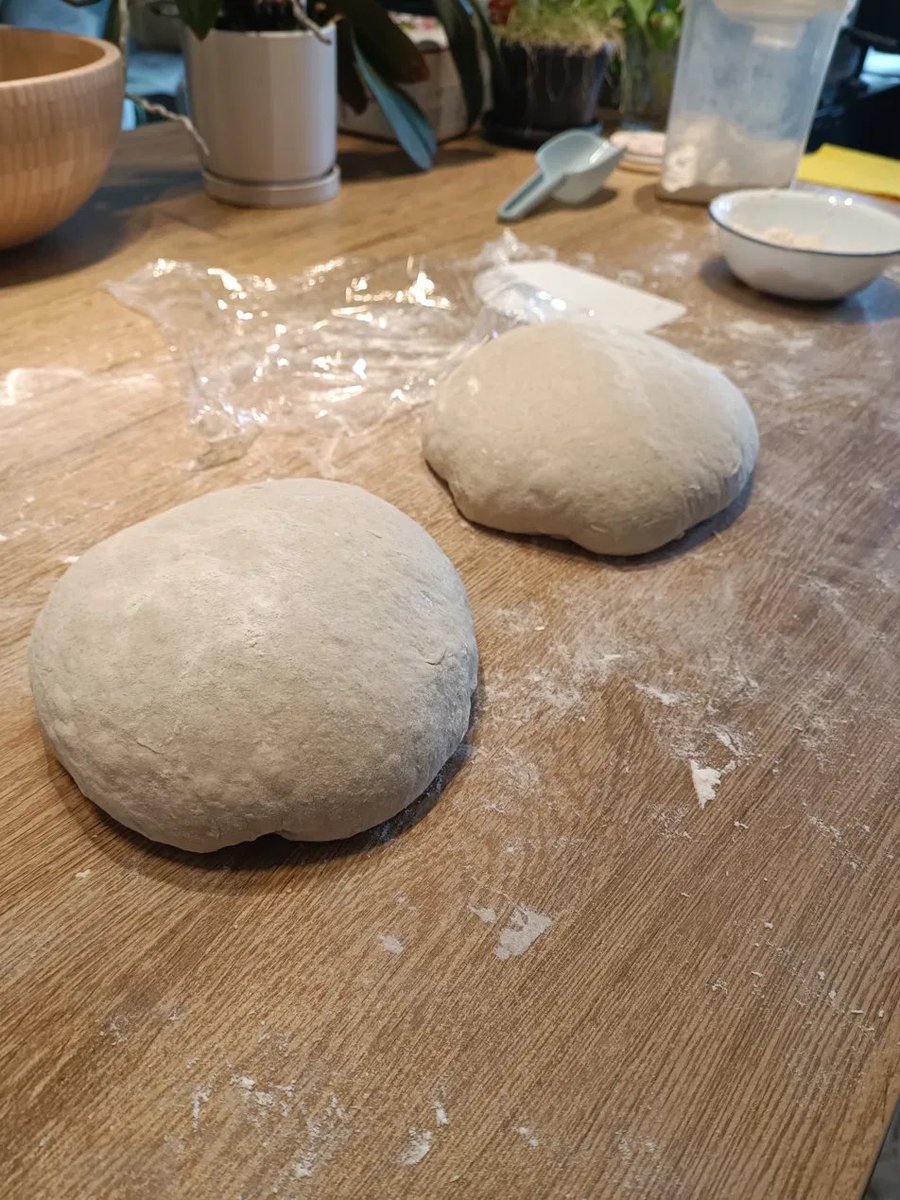
I'm a @claudeai power user. I have 4-5 terminals up simultaneously, PLUS Claude Desktop coaching my sourdough shaping attempts.
Opus 4.7 is quite the baker!
Before I build any automation, I ask one question: would this still run if I disappeared for two weeks?
If yes, it stays automated. If no, I either fix the system until it can, or I admit the task is mine.
The middle ground is where solo operators burn out.
Just enough to feel productive.
Not enough to actually get the time back.