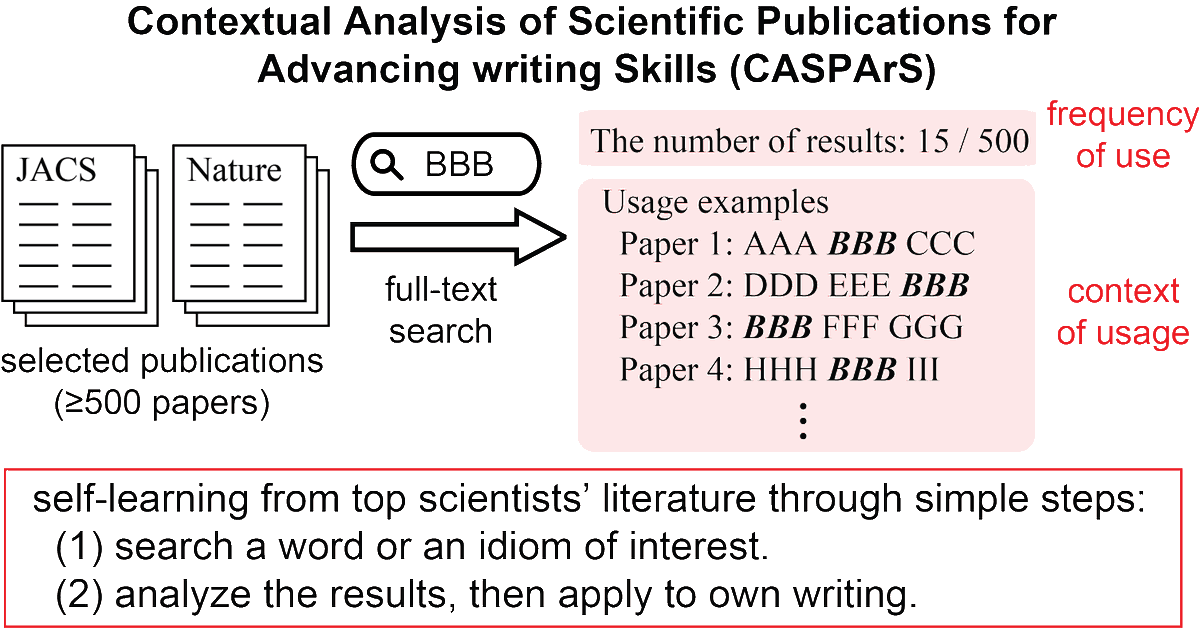
Want to improve your writing at a word level? Try the CASPArS method! It's free!
This method visualizes how and how often a word of interest is used in a certain context.
Virtually applicable for any given science field.
https://t.co/oJ1OCmxgC3
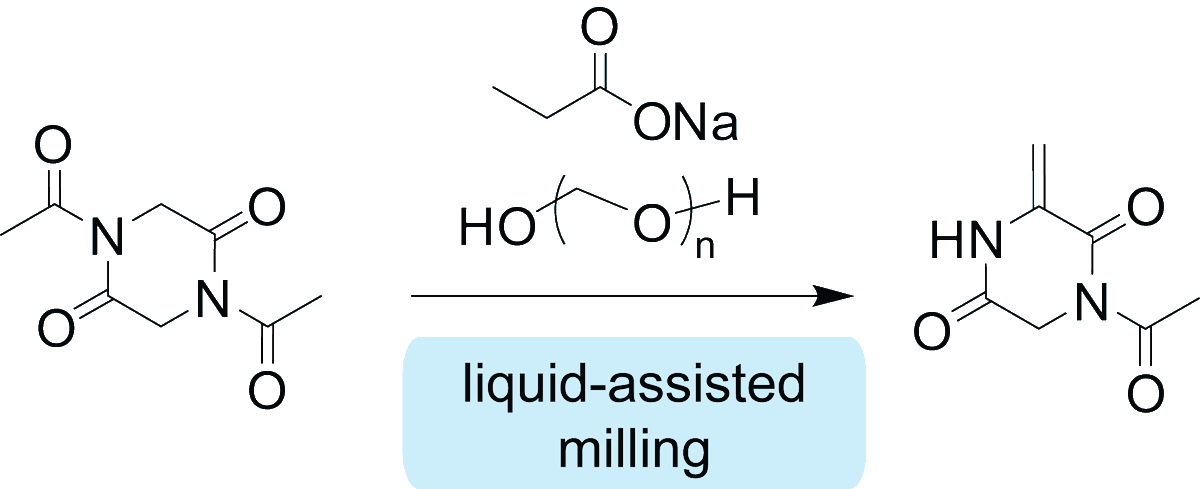
When there was a challenge to reproduce mechanochemistry experiments to make a dehydroalanine peptide, we found liquid-assisted grinding helps obtain the product more reliably for this particular case! Published in @OrgBiomolChem https://t.co/5Rz0OVZinG
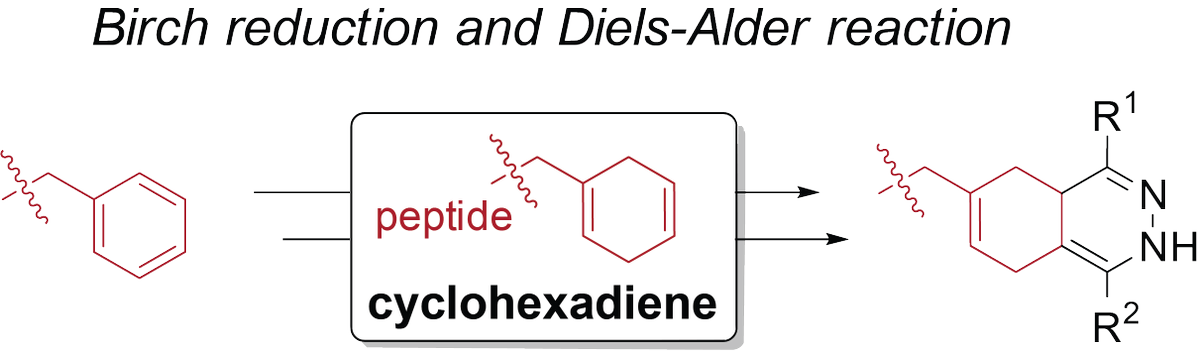
By borrowing awesome mechanochemical Birch reduction of Profs. Kubota and @haj19932469, we tried chemical modification of phenylalanine in peptides! Diels-Alder reaction to potentially label the reduced aromatic ring. @JOC_OL https://t.co/Sso5DVyU2K
Diketopiperazines are peptides and also heterocycles like nucleobases. They often show up in prebiotic chemistry research, but are they really important? Check out a review from our group @AsianJOrgChem
https://t.co/O1a8ff52l2
Holy electrophilic amine 🤯!!! Excited to have my *first* first-author paper live in ACS Cat today. I can’t wait to see what our lab and others continue to do with N-halamines!
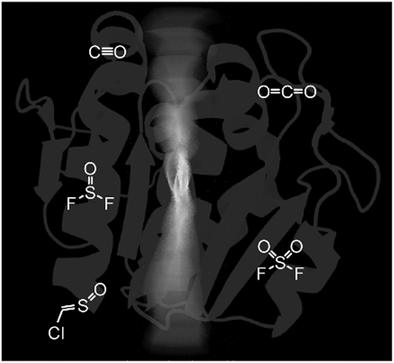
It may sound weird but recent bioconjugation methods often rely on a gas... Check out our collaborative review with @BallResearch. Published @ChemEurJ
https://t.co/uDJQxaSXjY
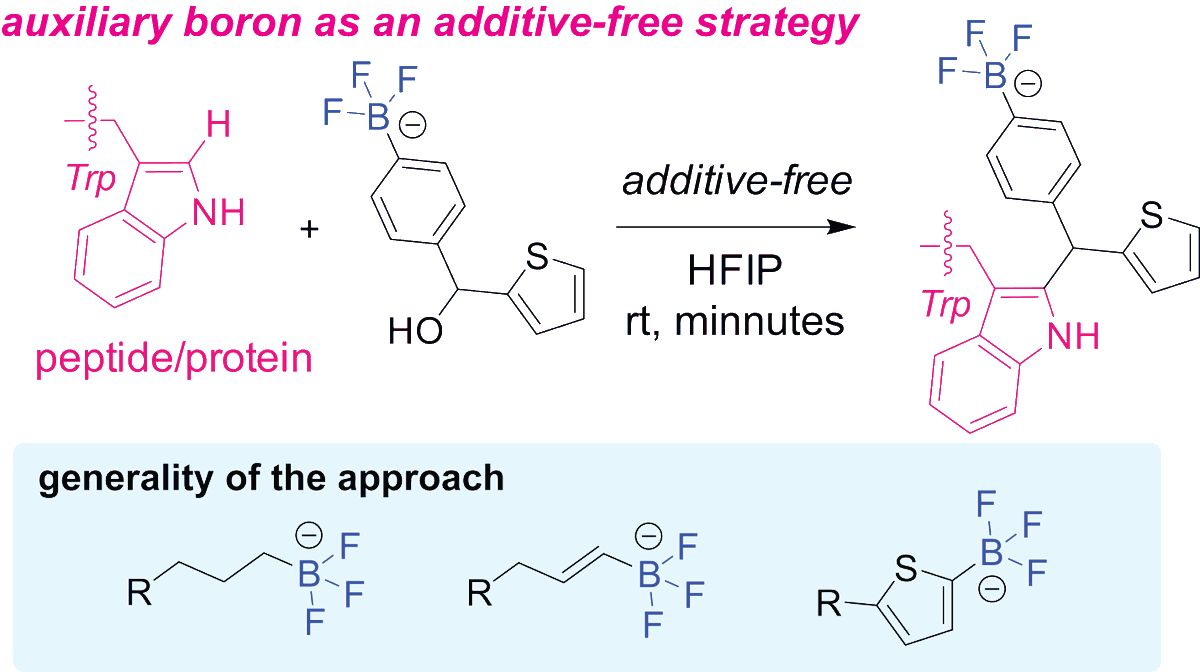
A classical Friedel-Crafts reaction may not be biocompatible partly because acid catalysts are needed. Our work @JACS_Au showed a boron unit makes it "catalyst-free" for tryptophan bioconjugation! The century-old reaction still has a lot going on!
https://t.co/QeLAUFLLVQ
A cyclic peptide found in meteorite may undergo mechanochemical reactions with formaldehyde! The first prebiotic chemistry paper from our group published in ACS Bio&Med Chem Au. https://t.co/NLgCO8SnGs
Our writing method CASPArS is available in Japanese now! We thank @chemstation to make this happen. Hope this will be helpful for Japanese learners. Original article: https://t.co/XhcJ6VHL8N
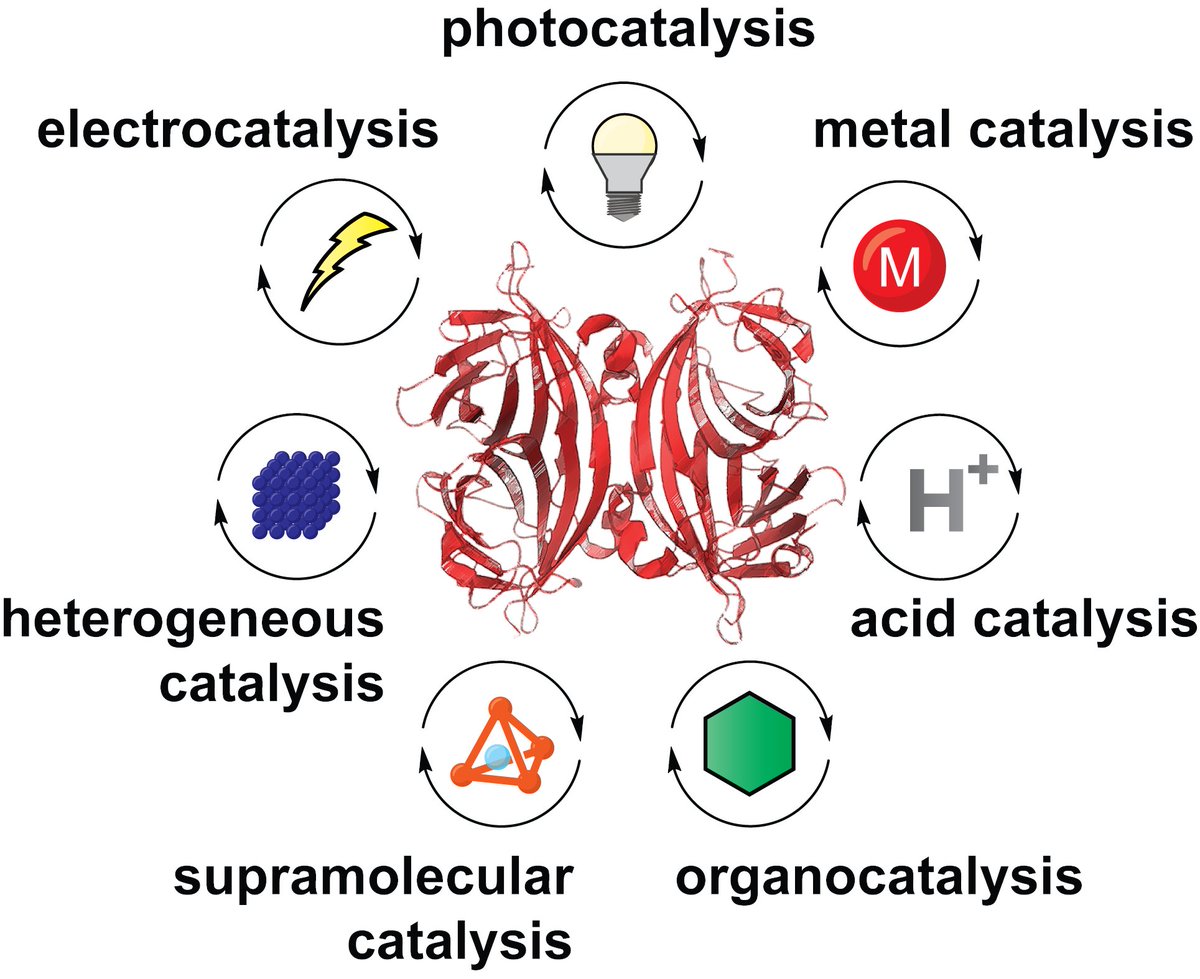
Our collaborative review paper with the @K_Oisaki & Sato labs about catalysis of protein bioconjugation was published @ChemCatChem
See how 7 types of catalysis were used for modification of proteins!
https://t.co/qP9H63qiPO
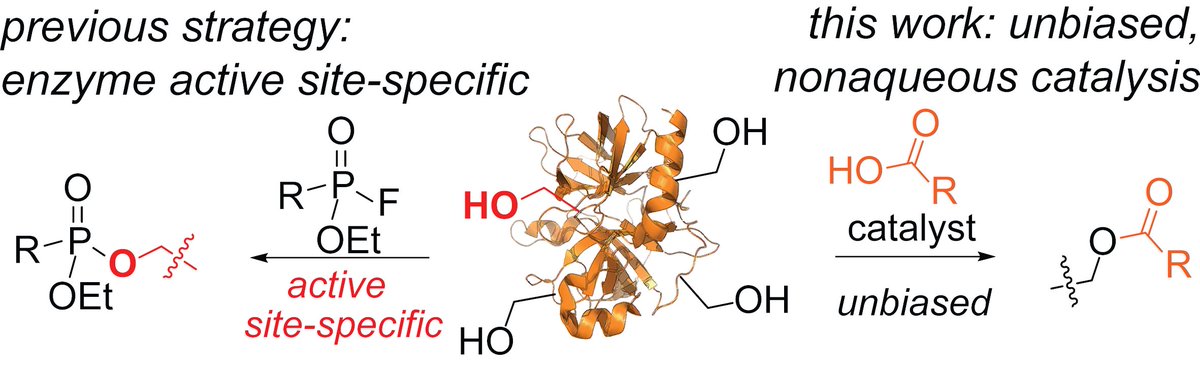
Serine has diverse roles in living systems, but development of serine labeling tools has been a challenge. Our work published @ChemEurJ achieved chemoselective serine acylation in an unbiased manner!
https://t.co/wn83i9Pl3A
The beginning of a professor job can be difficult. Fortunately for Jun, Laura (https://t.co/Wm60kjapv7) has been in the same department, providing great support and wisdom. You wouldn’t regret voting for her for the ACS president! (Please repost this to support her if possible!)
Our metal-free tryptophan labeling paper by @NuruzzamanNibir and @bcolella219 is published in @rsc_chembio
as part of the Emerging Investigators collection!
Cell lysate modification in HFIP was compared with aqueous lysine and cysteine modification.
https://t.co/9vk0wTk3qX