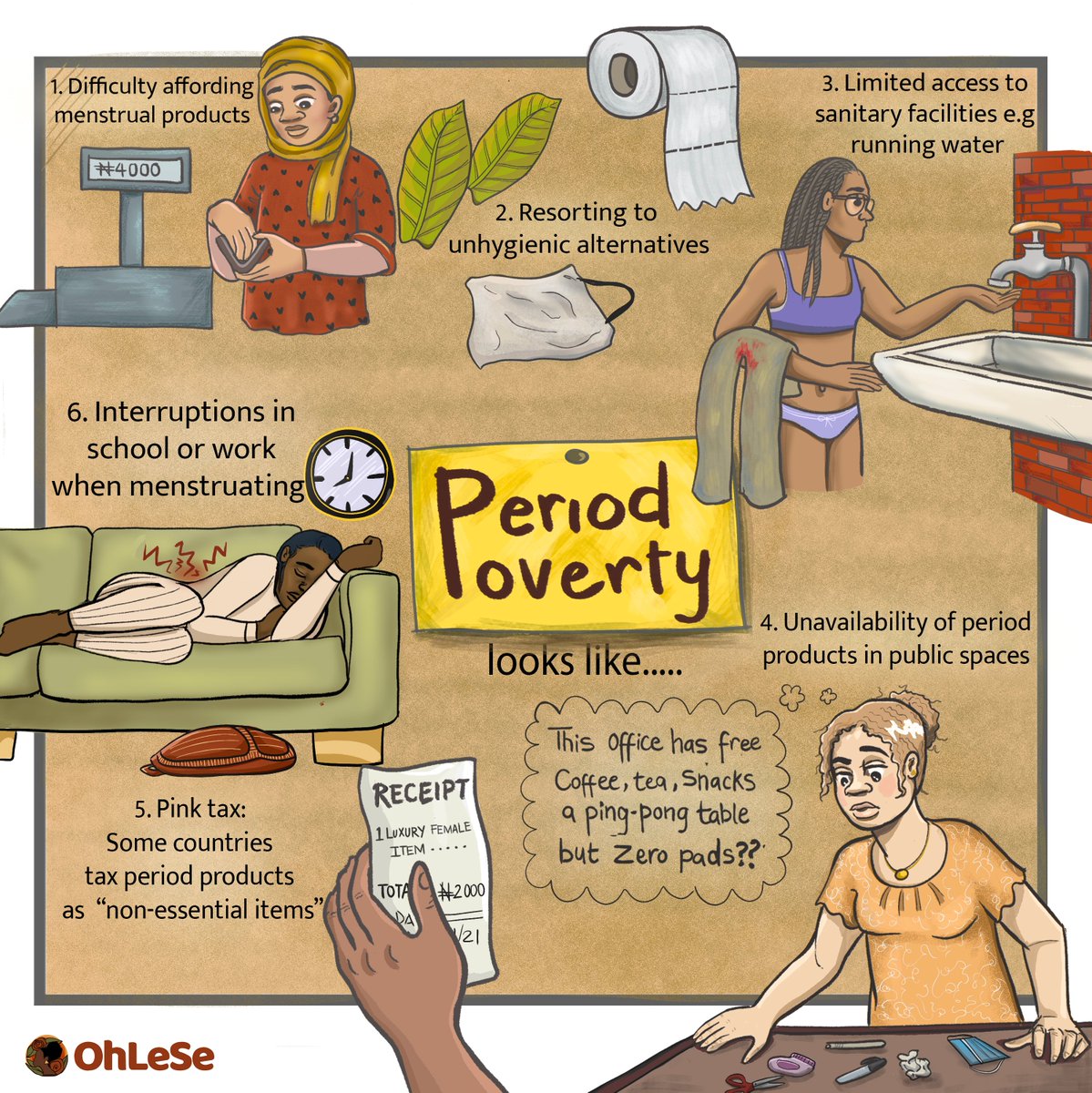
Period poverty is a global issue that affects women and girls who don't have access to sanitary products and cannot manage their period with dignity, sometimes due to stigma and community sanctions. #MenstrualHealth#DemystiyingMenstruation
Illustration by: @ayosdoodles
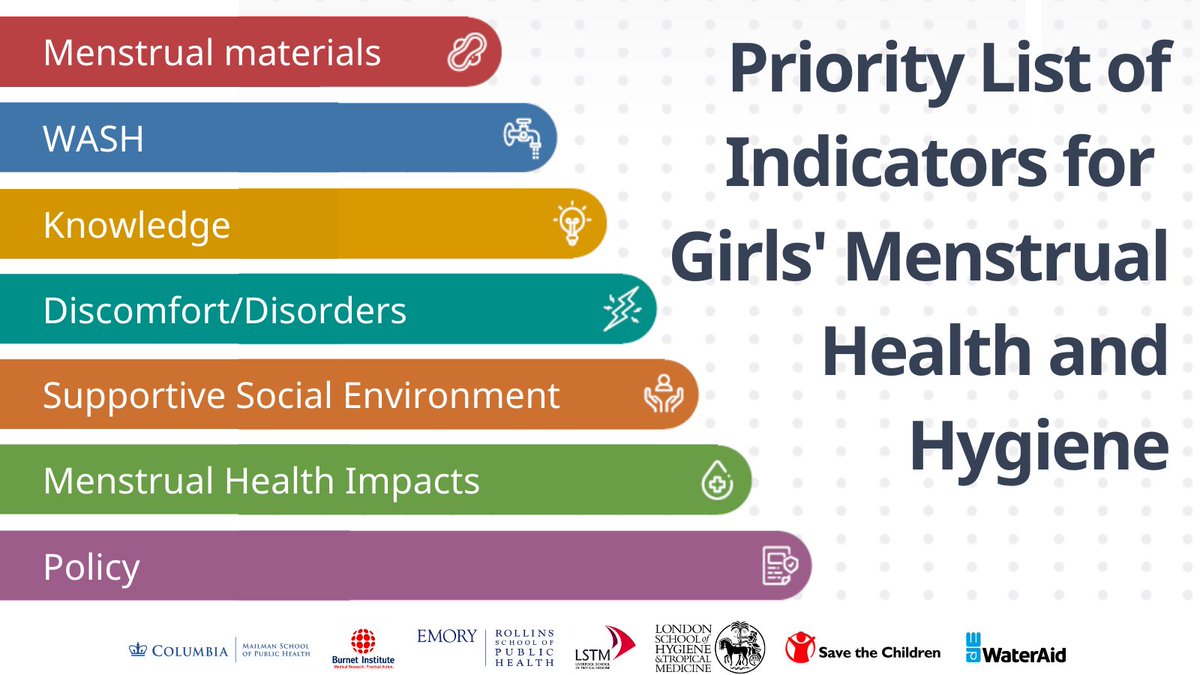
Long term #committment to #MenstrualHealth requires high quality monitoring to track needs, measure progress, and keep governments accountable. the priority list of national indicators can help us get there. https://t.co/LUof5wEd8y #WeAreCommitted#MHDay2022
Lets make the invisible problem of water for menstruating people visible and ensure access to water facilities at home, schools, workplace, and public spaces. #WorldWaterDay
The dire need of water for menstruation management is also worsened by the taboos and stigmas that still surround menstruation which holds women and girls back from being able to speak up and ask for these essential facilities at home, school and the workplace. #WorldWaterDay
A lack of access to water facilities often results in poor menstrual health practices among women and girls, keeping them from fulfilling their full potential. #WorldWaterDay
Everyday, approximately 800 million women and girls are on their period, yet one-third of this population do not have access to clean water and other tools they need to manage their menstruation. #WorldWaterDay
Today and every day,
👉🏾lets fight for an end to all form of tax on period products
👉🏾stop period shame, taboos and stigma
👉🏾lets ensure access to period education for all
#BreakTheBias
This #IWD2022, we are speaking up to #BreakTheBias around menstruation and advocating for a world where women are able to manage their period with dignity and pride.
For others, the bias exists in the stigmas, taboos, and shame that menstruating people face at home, school, workplace and public spaces. #BreakTheBias#IWD2022
For some women and girls, this bias comes in the form of the many barriers they still face in accessing quality menstrual health products, due to period poverty. #BreakTheBias#IWD2022
Menstruation remains an integral part of women’s sexual and reproductive health. Yet, women and girls continue to face bias that prevents them from menstruating with dignity and pride. #IWD2022
Period equity, education, and ending #FGM are all intertwined. Girls who do not have access to menstrual products and services they need are at greater risk of missing school, which may make them susceptible to the practice of #FGM.
According to the recently published @UNICEF report, girls and women with a primary education are 30% more likely to oppose #FGM than those without education. This rises to 70% among girls and women with at least secondary education. Read more here: https://t.co/SmBbftgosA