A lost piece of TDE history.
“Just Like” (aka “Heroin”) reportedly recorded in 2016, featuring Kendrick, SZA, Isaiah Rashad, Ab-Soul, Jay Rock, Punch & Lance Skiiiwalker.
Produced by Thundercat.
We were robbed of a classic.
@TRIGGERHAPPYV1 he ran over a cop on crossguard duty for a nearby graduation.
couldn't even be bothered to do the work to track down the right cop so he settled for a random. and he's proud too. what a loser.
@Abdulah_AWL253@Asres1896 and? it's usually the mark of a dominant and successful nation 😂
what's your real motive here besides explaining the basics of statecraft?
BREAKING:
The FBI have thwarted an Islamist terror attack against the Mall of America in Minnesota
A radicalized 18-year-old named Sheikhdoon Abdullahi Mohamud planned to enter it with an AK-47 and massacre as many as possible. Sheikhdoon was born in the U.S. to Somali parents
VISUAL VERIFICATION: The shop sign in the background shows Safaricom logo, which officially launched operations in Tigray on June 10,2024.
That is roughly 1.5yrs after the War ended on Nov 2022. This timeline confirms the footage is current and definitively not from 2022. #OSINT
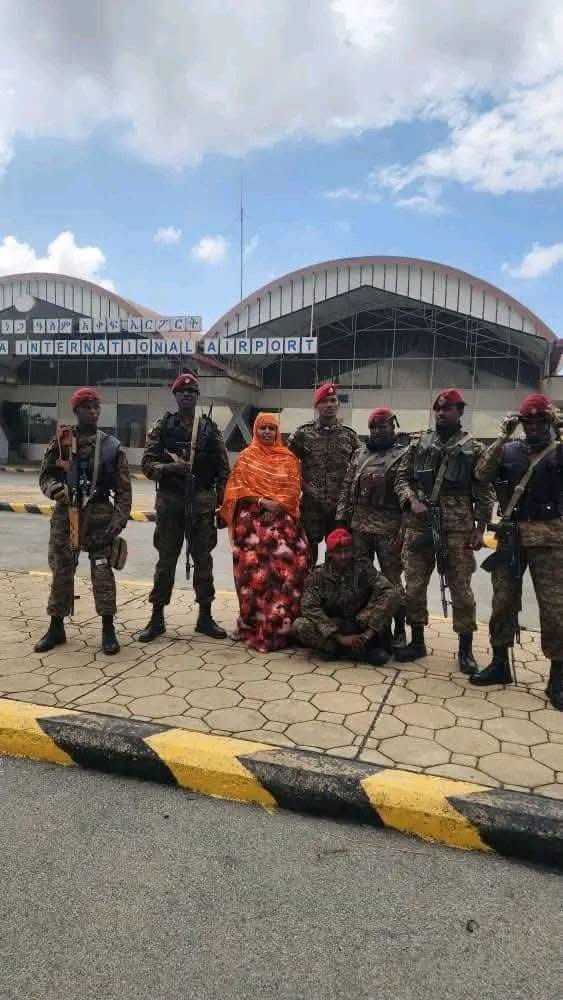
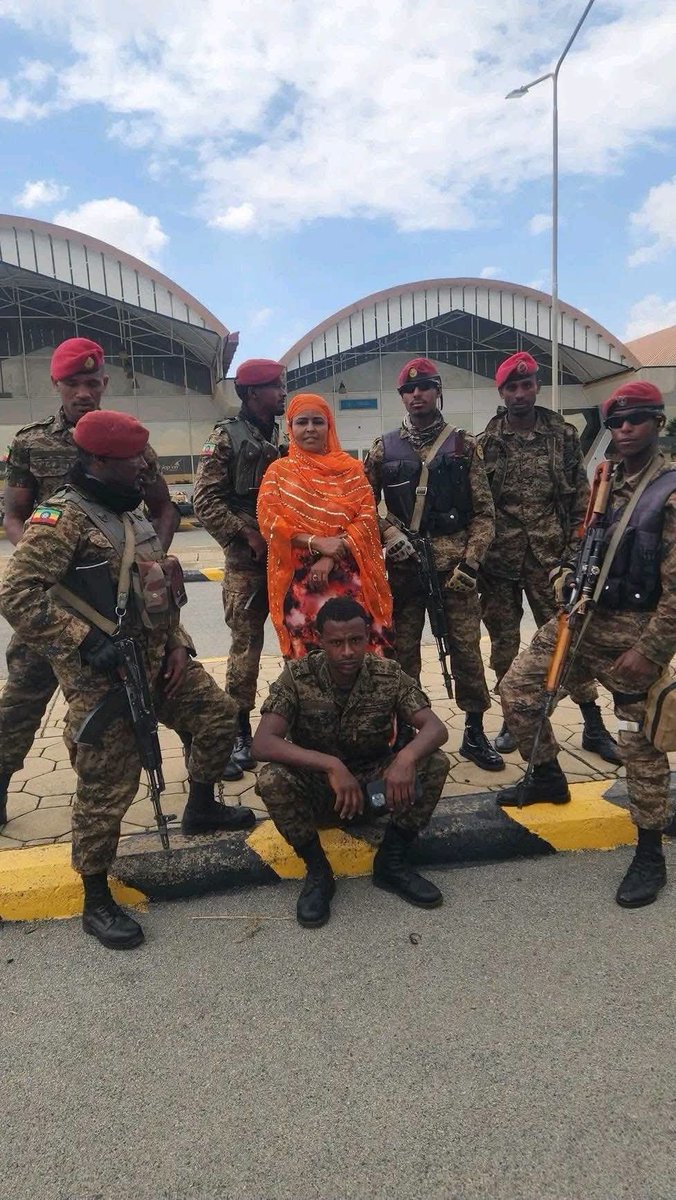
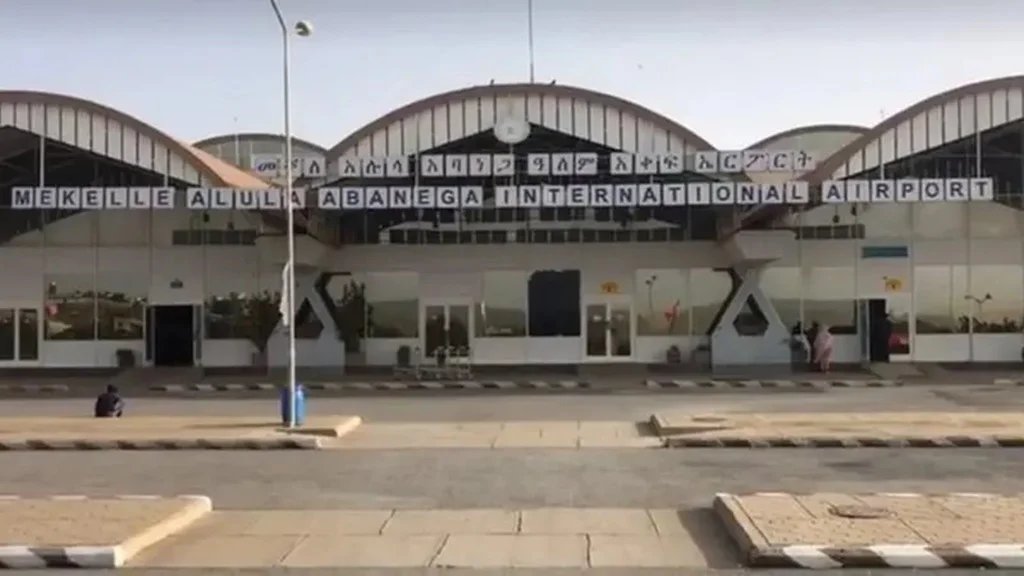
Photos show Ethiopian National Defence Forces (ENDF) personnel outside the main terminal at Mekelle Airport in Tigray, northern Ethiopia 🇪🇹, further confirming that federal forces have retaken the airport after the TDF/TPLF seized it on 23 September. 4/
@ grok analyze their faces and run a facial recognition diagnostic, match said data with local surveillance cameras downtown LA to pinpoint their exact location at the time of the attack. Afterwards find their social media accounts and other personal identifiable info.
The Next Phase of the Tigray War at the Eritrean Frontier
In my previous analyses, I examined what was happening behind the rapid territorial losses in Tigray and whether the TPLF could sustain another insurgency after its conventional military setback. With Mekelle now under federal government control and the TPLF withdrawing from the regional capital, those two questions have converged. The issue now is where the TPLF goes from here and whether the next phase of the conflict moves north toward Eritrea.
Relations between Addis Ababa and Asmara have also deteriorated sharply. Ethiopia has accused Eritrea of supporting the TPLF and participating directly in the fighting, allegations Asmara denies, while diplomatic relations between the two governments have now been severed. The TPLF’s military setback is pushing the conflict north at a time when relations between Abiy and Isaias are already at their lowest point.
With the collapse of the TPLF’s planned southward offensive, Eritrea’s strategy of keeping the battlefield away from its own border has also failed. Debretsion Gebremichael has indicated a shift toward mobile warfare rather than continuing to defend fixed positions. Multiple sources indicate that the TPLF leadership and command structure have moved toward the Eritrean border, apparently with the intention of shifting to an insurgency. Although their precise locations and intentions remain difficult to verify independently, continued movement toward the Eritrean frontier would make the TPLF’s ability to survive as an organised fighting force increasingly dependent on what happens along that border. This presents a dilemma for both the Eritrean and Ethiopian governments.
Isaias’s Dilemma
For Isaias, allowing TPLF forces to cross into Eritrea presents two competing risks. On one hand, the survival and regrouping of the TPLF would allow him to continue his proxy war against his Ethiopian adversary. It would also preserve the rebel alliance that Eritrea helped assemble, which could weaken considerably if the TPLF is militarily destroyed. Eritrean territory could give the TPLF the space it needs to reorganise while preserving an important source of military pressure on Abiy.
Allowing substantial TPLF forces into Eritrea would also create a problem of control for Isaias. Preserving the TPLF as a fighting force would remain useful only as long as its operations fit Eritrea’s own strategic calculations. Once operating from Eritrean territory, TPLF military actions against Ethiopia could have direct consequences for Eritrea, giving Isaias a strong interest in controlling when, where and how those forces return to the battlefield.
On the other hand, allowing a defeated TPLF force to cross into Eritrea and launch an insurgency from there could give Abiy a justification to cross the border in the name of self-defence. The international actors currently pressing Ethiopia and Eritrea to avoid direct confrontation could find it much harder to maintain that pressure if Ethiopia can demonstrate a clear and continuing armed threat emanating from Eritrean territory. TPLF operations launched from Eritrea would strengthen Addis Ababa’s argument that it faces a cross-border security threat. In other words, by providing the TPLF with sanctuary, Isaias could unintentionally accelerate the very direct confrontation with Abiy that he has so far sought to avoid by relying on proxy warfare.
Sudan and Egypt widen the regional calculation, with Sudan potentially providing strategic depth and supply access around the western border, while Egypt’s dispute with Ethiopia and its relationship with Eritrea add another regional dimension. Addis Ababa has accused both countries of supporting the TPLF-led alliance, although these allegations remain disputed.
Abiy’s Dilemma
The TPLF’s movement toward Eritrea creates a different problem for Abiy. Pursuing its forces across the border before they can reorganise would deny them time to prepare another insurgency, while allowing them to remain beyond the border could give them space to recover. The ENDF still has to consolidate the territory captured during its rapid advance, deal with remaining TPLF formations and recover from the recent fighting. Entering Eritrea would also risk direct confrontation with the Eritrean army.
The timing of any Ethiopian operation would also shape the international response, particularly if the TPLF has not yet launched attacks from Eritrean territory and Addis Ababa cannot demonstrate an imminent cross-border threat sufficient to persuade the international community to accept an Ethiopian military incursion into Eritrea. Acting before such a threat becomes clear could turn the conflict from a war against an internal armed opponent into an interstate confrontation and give Isaias stronger grounds to portray Ethiopia as the aggressor.
Waiting carries its own military risk, giving the TPLF time to recover and reorganise while its external allies could resupply it with weapons and other capabilities. Eritrea, the TPLF and other allied forces would also gain time to develop a more integrated command structure and operational strategy, potentially producing a much more difficult insurgency to contain later.
Time also works differently for the three actors, with the TPLF needing it to reorganise, Abiy trying to deny his opponent that opportunity while consolidating his own gains, and Isaias balancing the value of giving the TPLF time against the danger that its recovery could accelerate direct confrontation with Ethiopia.
Abiy could consolidate control inside Tigray, reinforce the frontier and increase pressure on Eritrea before considering direct military action. The effectiveness of that approach would depend on whether Addis Ababa can prevent the TPLF from establishing a durable base across the border.
Where the War Goes Next
If Isaias allows TPLF forces to cross into Eritrea and establish themselves there, Abiy will face a difficult choice between accepting a future insurgency or taking the enormous risk of pursuing the rebels across an international border.
The recent deployment of additional divisions from the centre toward the north, together with the movement of logistical equipment including mobile bridging capabilities, could be consistent with preparations for operations in the northern theatre, although their precise purpose remains unclear. They do not establish that Addis Ababa has decided to enter Eritrea, but their direction and composition deserve close attention.
Whether the TPLF establishes itself across the Eritrean frontier could now determine how close the decisions of Abiy and Isaias move toward direct military confrontation.
Unless Isaias prevents TPLF forces from crossing into Eritrea, or a diplomatic breakthrough brings Abiy and Isaias to the negotiating table, I believe the conflict could be entering its most dangerous phase yet, one in which the battlefield moves from Tigray into Eritrean territory.
🇪🇹⚡- BREAKING: Ethiopian Armed Forces, ENDF, have entered Tigray's capital Mekele.
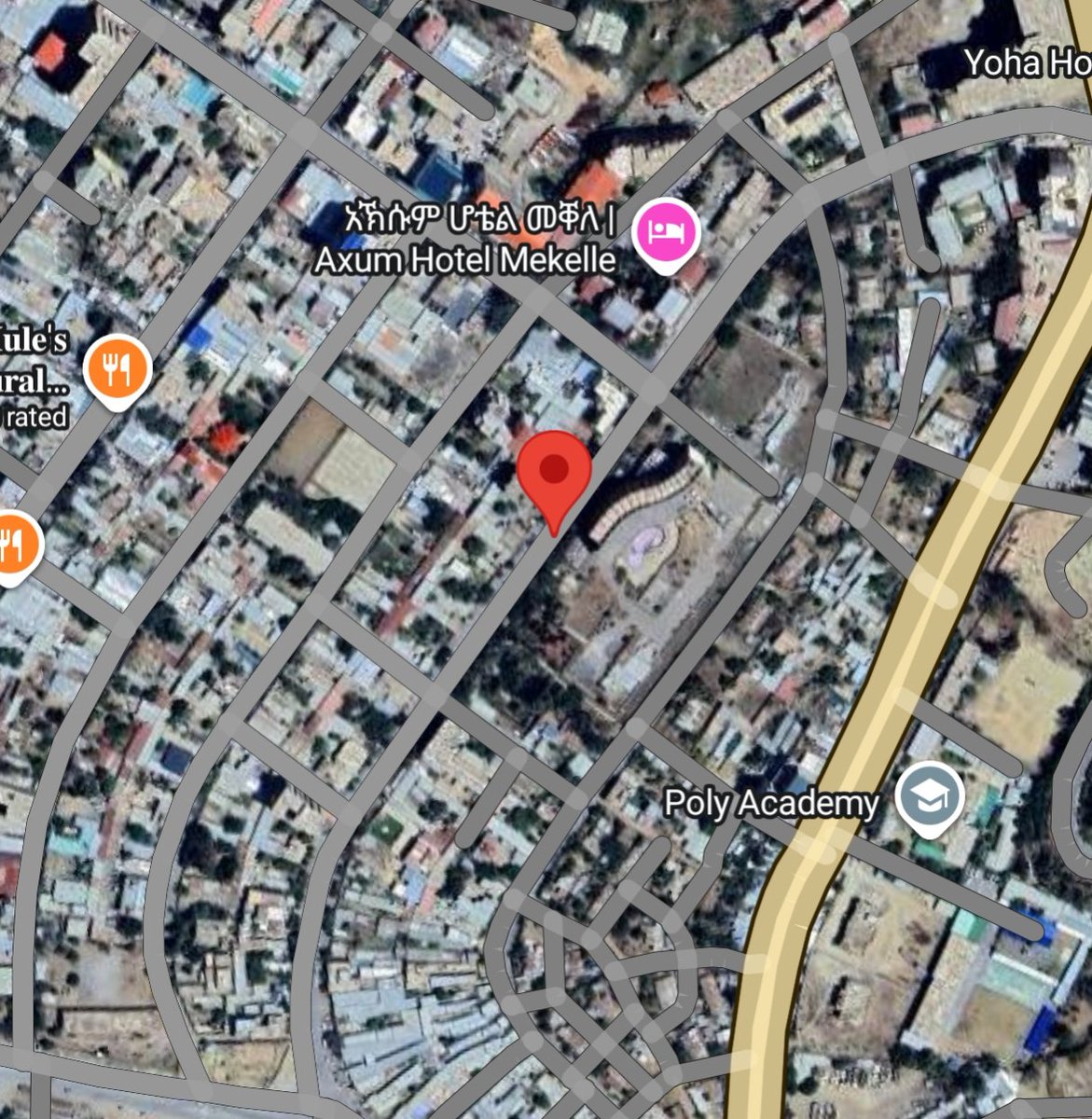
Footage, geolocated by Rerum Novarum to 13.4845516, 39.4739668, shows ENDF troops in the southeast of the city.
@yaboyabz "no one" (Habeshas and even Habeshasized Oromos) knew about it because the Empire suppressed and criminalized it
this is kinda like saying american culture is only white - american culture (protestant anglo's specifically)