@Safaricom_Care I spoke too soon. Kindly get us back to the last App that worked just fine before this one app thing. I can't access funds because I can't access the app that I was accessing just this morning. Yes it was this new app too!!
Setting up #MyOneApp while abroad? Here’s what you need:
✅ Safaricom SIM set as your primary SIM
✅ Roaming services active on your line
�� Mobile data (not WiFi) for your first login
After that, switch back to WiFi anytime! #PopoteUlipo
@SafaricomPLC@E_Waititu@PeterNdegwa_ What is the limit when one is attempting to lock their savings on Mshwari and Kcb Mpesa? How much can I save on those platforms?
@Safaricom_Care@SafaricomPLC kindly show me where a balance of 4,800 goes too. I'm seriously hoping this is a glitch in your safaricom app system. Its not even funny.
@Safaricom_Care I'm currently using my safaricom app for transactions back home. Im currently in the US and I'm disputing my recent mpesa balance its currently showing. Kindly address this because its annoying me.
@SafaricomPLC@SafaricomPLC kindly check my mpesa balance details for me. Im disputing the balance you have there. I'm currently using my safaricom app in the US
There is a silence that hits you in American stores. Not confusion. Math.
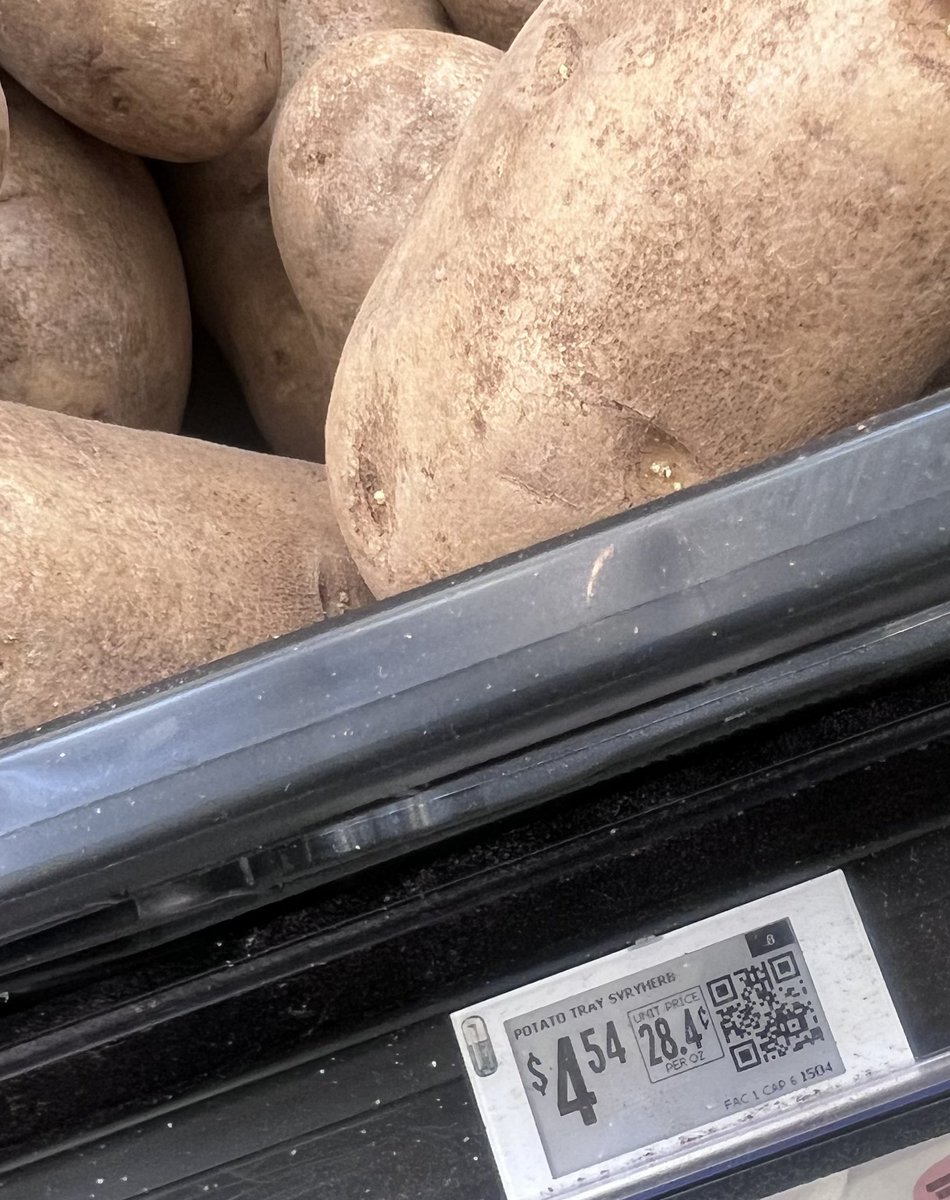
You are holding a small mesh bag of potatoes. $4.49. That is what the tag says. But your head does not leave it there. It runs the rate automatically. Times 130.
Kenya shillings five hundred, is the result.
For a few waru?
You do not say it out loud. You just stand there a second longer than necessary.
Because back home, in Kagio, on a Tuesday or Friday, you would cross the road opposite Sillmat Supermarket and find the women seated on low stools behind pyramids of produce. You would get a whole bucket of waru for that price. And not just any potatoes-the good Nyayo variety, the kind your grandmother swears makes the best Mukimo. There might even be change left over, enough to ask for a small bundle of dhania from the woman selling at the stand to the left.
Here, the potatoes sit under fluorescent lighting, each one polished and anonymous. No bargaining. No laughter. No “ongeza kidogo.” Just a barcode.
This is how culture shock announces itself-not in airports, not in grand speeches about opportunity-but in the quiet humiliation of groceries.
For the first two years, you multiply everything by the prevailing exchange rate. You convert everything. Rent. Gas. Chicken. Toothpaste. You do it compulsively, as if loyalty demands it. As if failing to convert would mean forgetting. Your heart hurts not because you cannot afford the potatoes-but because you remember when abundance looked different.
You see $1,800 and your mind screams 234,000 shillings. Instinctively you go like “this is mburoti maguta maguta-ka 50 by 100…” You see $50 for a haircut and think of how many visits that would buy at the barber in town, where conversation is free and they even add some good massage! You calculate until your joy becomes thin.
Back home, you know the vendor. Your family buys from her for years. There is history in the transaction. Here, you can check yourself out and not say a word to anyone.
This is what I call the Diaspora Tax. It is not an official levy. No government collects it. But you feel it in your bones. It is the emotional surcharge of living between currencies. The cost of remembering too clearly.
Isitoshe,
Adjustment never comes immediately. It is a negotiation. A part of you clings to the motherland through math. Through comparison. Through the quiet protest of your phone calculator. You tell yourself you are being prudent. Responsible. But beneath it is grief that the exchange rate has become a mirror of distance.
Over time, it softens. Not dramatically. Just small shifts. One day, you realize you did not convert the price of milk. Another day, you order guacamole without calculating how many sacks of avocados that would equal in Murang’a. The arithmetic loosens its grip. Not because you love home less. But because you have accepted that survival requires presence.
To those who have just landed in diaspora and are counting every cent in two currencies: breathe. Stop converting. You are earning in dollars now. In euros. In pounds. Spend in them.
If you keep doing the math, you will starve yourself emotionally. You will walk past the avocado because in your head it equals a week’s worth of groceries back home. You will shrink your appetite in a land that demanded your courage.
Eat the waru, Nyaguthii. You worked for it.
Honor where you come from-but also honor where you are. The adjustment takes time. Sometimes it never fully goes away.
May the day break