SOMEONE JUST KILLED THE REAL ESTATE INDUSTRY
A guy scanned an entire house with his phone. Uploaded it.
Now anyone on Earth can walk through it in a browser tab. No app. No VR. No agent. No appointment.
Click → you’re inside. Every room. Every angle. Every shadow. Photoreal.
The numbers are insane:
- Agent fee on a $500k home: $15,000
- Cost to make this scan: ~$200
- Time to “tour” 50 houses: one evening
- File size: smaller than a TikTok
The science is wild too:
It’s called 3D Gaussian Splatting instead of polygons (how games render), it uses millions of tiny glowing “splats” of color and depth.
AI reconstructs reality from your photos. The result loads on a phone and looks like you’re THERE.
The grift opportunity is even wilder:
Freelancers are already charging $300–$800 per scan for realtors, Airbnbs, venues, car dealers, museums.
One person + one phone + one weekend = a business.
Open source. Built on PlayCanvas.
Free GitHub: https://t.co/ew6Ql8Ad6u
Introducing Freename AI.
The first identity layer for the agentic internet.
Own your identity and launch your business with AI.
RT + comment "Freename" and we'll give you 50 free credits.
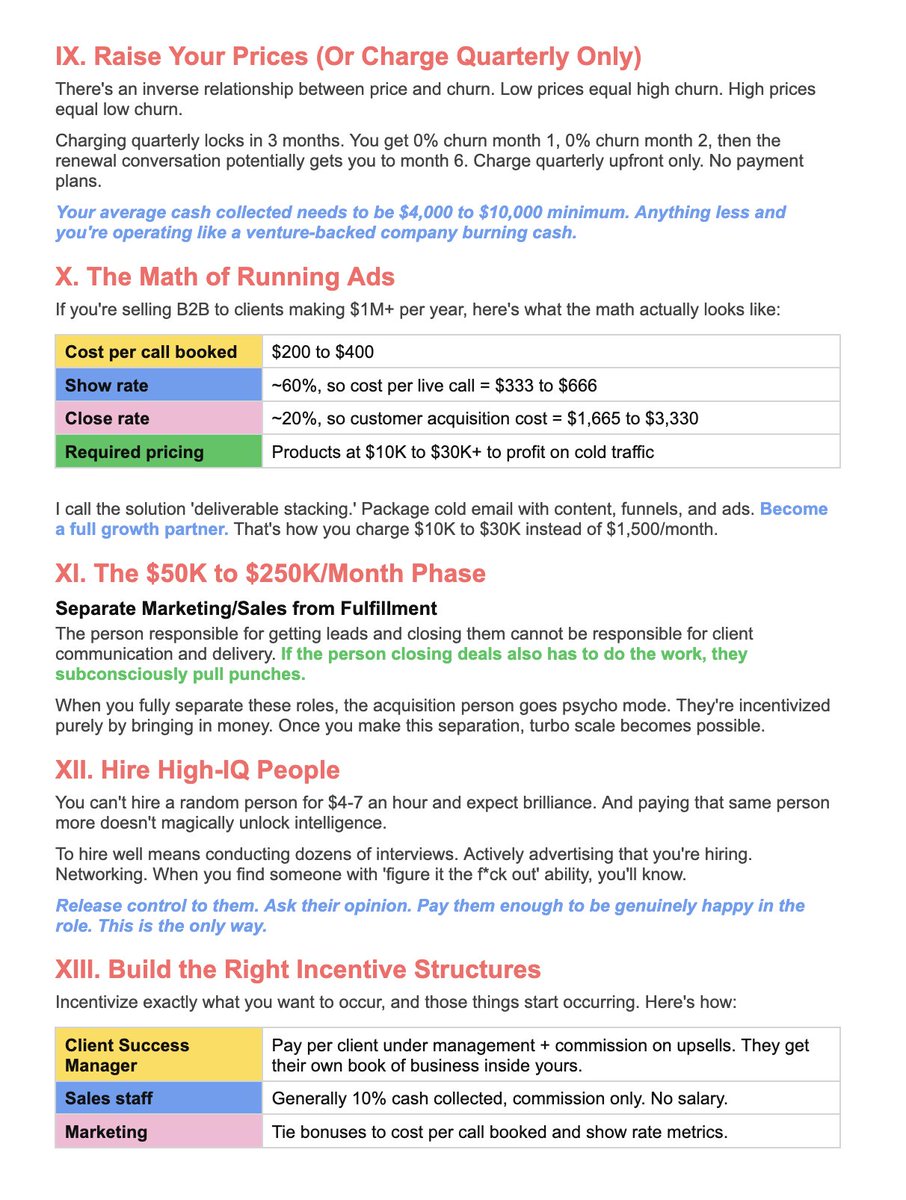
They quoted him $18,000. He opened Claude instead.
Same result. One afternoon. $20/month.
The gap between knowing how to use Claude and not knowing is worth $18,000.
This article below fixes that.
Introducing Website to App.
Turn any website into an native mobile app.
Just paste a URL.
Claude Opus 4.6 will code, design, launch and translate a mobile app inspired by the original website.
We’ve been using this internally a ton for iOS/Android apps.
@KenyaPower_Care I have just bought tokens twice and I am not getting any response. I have even checked the app and still they have not reflected. Please help!
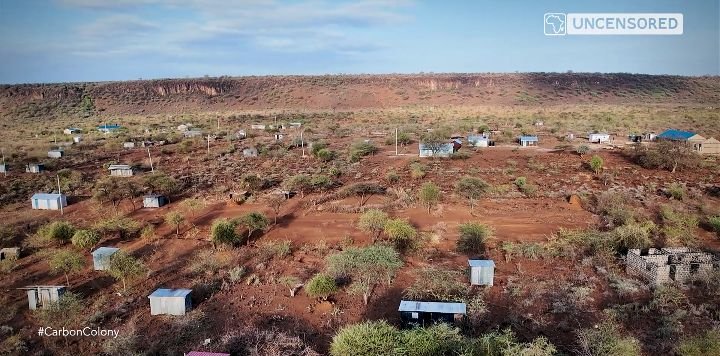
When youth in Kajiado’s Oldonyo Nyokie group ranch, a 168,000-acre community-owned land parcel, rejected the entry of a controversial carbon credit project on April 30th this year, they did not know their resistance would expose land fraud at an unprecedented scale. ↪️#CarbonColony
How Big Tech Frames African Audiences As Intellectually Lazy.
African social media audiences are not “dumb” - they are being conditioned.
When Africans have to engage with western controlled information ecosystems, the engagement is never a fair one. Not in traditional media, and certainly not in digital media. It always follows the same colonial playbook of extraction and social engineering over any kind of meaningful conversation or useful solution.
The exploitative relationship between Western-controlled tech giants and Africa's social media audiences is often overlooked, but it shapes almost everything we see or value - and even how we understand ourselves. The low-effort, oversexualized content that has become recognised as the preferred taste of African audiences is not in fact an organic phenomenon. To put it bluntly, Western colonial tech monopolies are actively engineering African social media spaces into cesspits of anti-intellectual slop.
Africa must rise to resist this intellectual suppression by building information and communication ecosystems by Africans and for Africans.
#hotoffthebench: Adverse Possession Explained: Time Alone Does Not Transfer Land
The Environment and Land Court in Rutto v Ongiro (OS E009 of 2024) has shut down a very common belief: that long occupation automatically turns into ownership. In this case, the Applicant had lived on 0.40 hectares of land in Transmara since 2009. He built houses, farmed the land, called witnesses including the area chief, and went to court seeking ownership by adverse possession. The registered owner never appeared in court. Still, the claim failed. Why? Because the Applicant could not prove that the registered owner knew he was on the land, or that the occupation was hostile to the owner’s title in law.
Here is the bomb the court dropped. Adverse possession is not just about years on the land. The law requires occupation that is open, continuous, exclusive, and crucially, with the knowledge of the registered owner. The court found fatal contradictions. The Applicant pleaded that the owner had refused to transfer the land despite repeated requests, but testified that he had never met the owner and did not even know if he was alive. That inconsistency killed the case. Worse still, documents like photographs, searches, and survey reports were never formally produced as evidence. Even in an undefended case, the court reminded Kenyans that proof is not optional.
The implication is massive at the grassroots. If you are living on land, farming it, or building on it quietly while the owner is completely unaware, time alone will not save you. Adverse possession is not about hiding. It is about occupation so open and notorious that the owner either knows or ought to know and does nothing. This judgment will unsettle many long-term occupiers, but it also brings clarity. If you want the law to protect you, your occupation must be legally hostile, provable, and consistent. Silence, assumptions, and paperwork shortcuts will cost you land. @Thuranira_1@NelsonHavi@georgediano@ahmednasirlaw
#TheTourismPlan The Origin Of Wonder #MainaAndKingangi Jirongo Bondi Beach Australian Government John Cena Finland Mossad Christmas