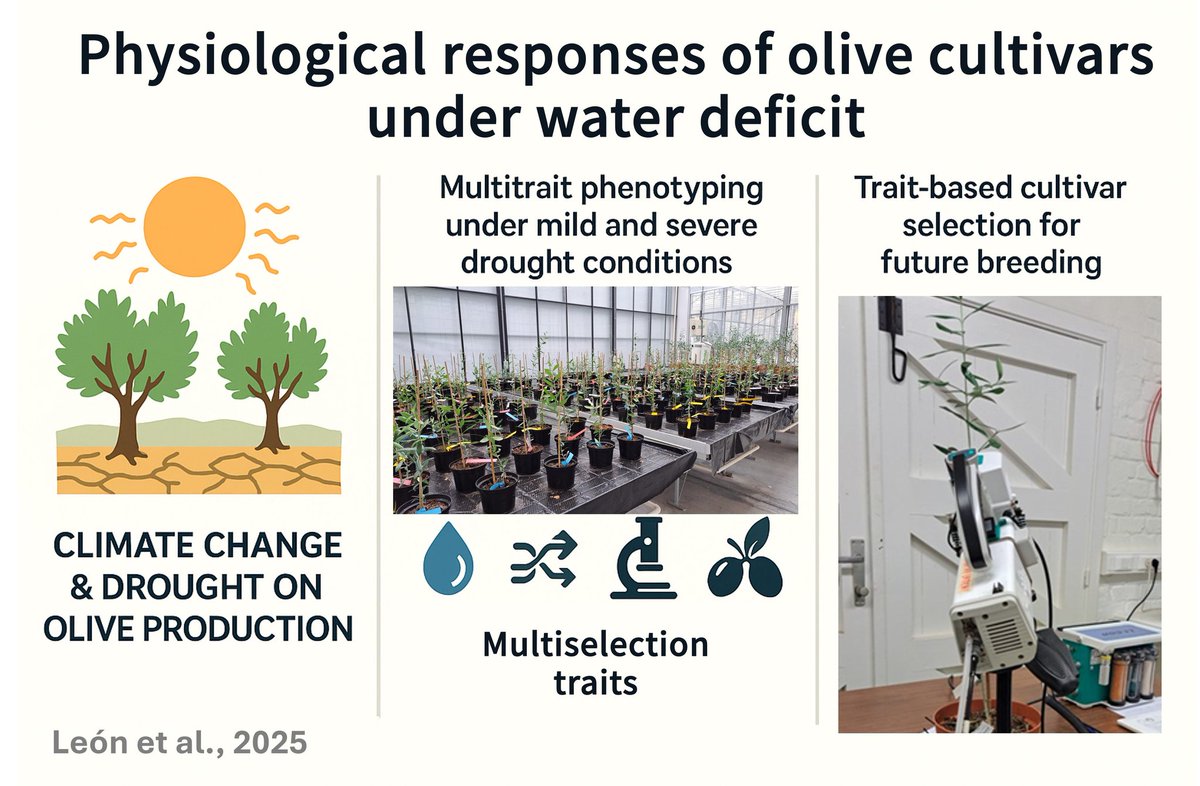
High-Throughput Phenolic Profiling in Virgin Olive Oil Using Fourier Transform Near-Infrared Spectroscopy: A Tool for Breeding and Quality Assessment | Journal of Agricultural and Food Chemistry https://t.co/dX4ESP1MjI
Scientists have no time for peer reviews.
So, real AI Reviewers are taking over.
OpenRxiv is integrating an AI reviewing tool to get 30-min feedback on biomed manuscripts (Nature News describes it in detail).
AI Reviewers give advantages (my view):
- No more Reviewer # 2. This purely human phenomenon can be easily eliminated with AI.
- Fast review process. No more “months of waiting”.
- Deeper reviews overall. AI has a much better attention to details than typical humans.
- Multidisciplinary research will be easier to assess (no more “I am not an expert in this field”).
- Editors don’t need to look reviewers so much anymore.
- No more stubbornness. Humans are naturally stubborn when something contradicts their own vision. AI is much more balanced at it.
But it also comes with negative sides:
- AI Reviews are simply LLM-generated text that doesn’t have any thinking behind it. Will it lead to poor assessment of creativity and depth of science?
- Hallucinations during in-depth assessment of data, logic and conclusions can give wrong responses. Who will control it?
- Lack of access to papers behind the paywall can pose a problem. AI that can’t access the cited papers is not a good reviewer.
- Ethics is a big question. Who is responsible if the paper that describes a ‘new cure’ gets retracted?
- People may forget how to review. This can lower our ability to critically assess research.
Still - I do see AI as a very viable reviewing tool.
In fact, it’s a great niche for startups today (anyone wants me as a co-founder? ☺️). The market is huge, and a good product would address so many pain points. We (scientists) have no time to review all these papers we produce. Same goes for industrial research.
But they should be built correctly and implemented step-wise, with rigorous control and public scrutiny.
Then they will save us a lot of time.
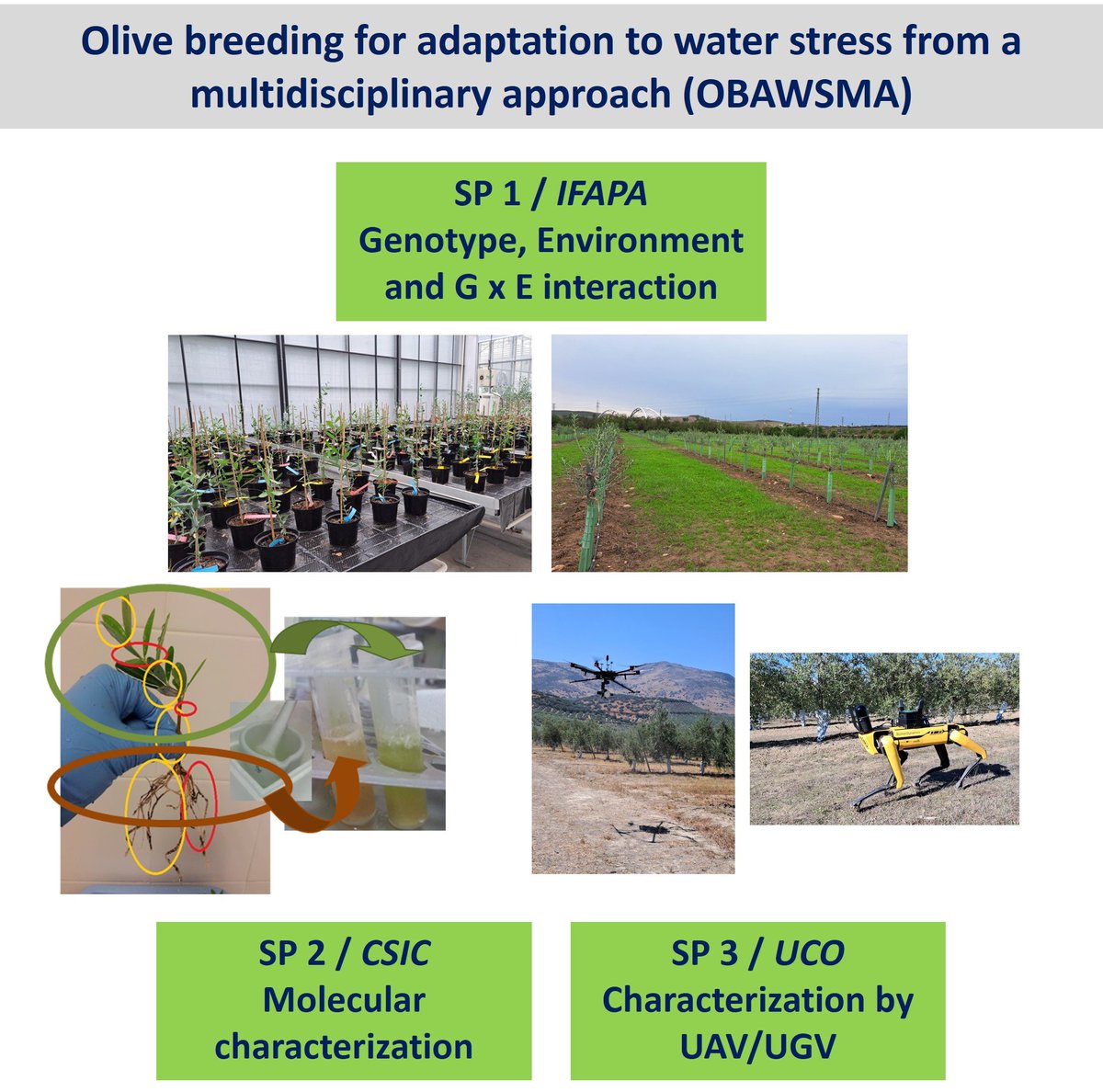
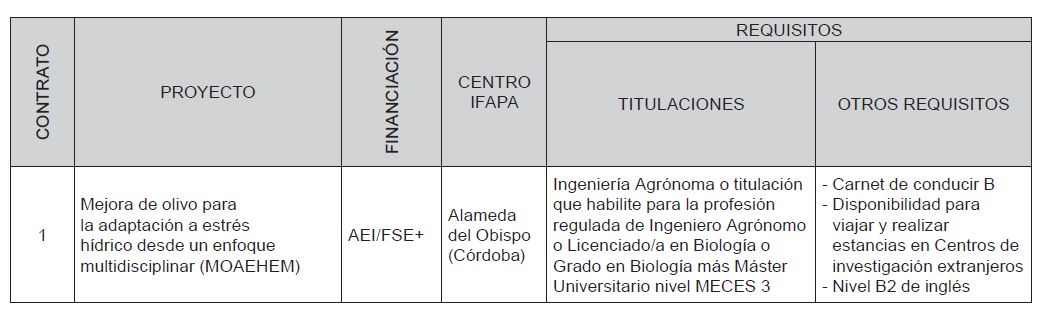
Oportunidad predoctoral en nuestro nuevo proyecto: Mejora de olivo para la adaptación a estrés hídrico desde un enfoque multidisciplinar / Olive breeding for adaptation to water stress from a multidisciplinary approach
🗓 Plazo solicitud: 10 de noviembre
https://t.co/UspU0gPmyK
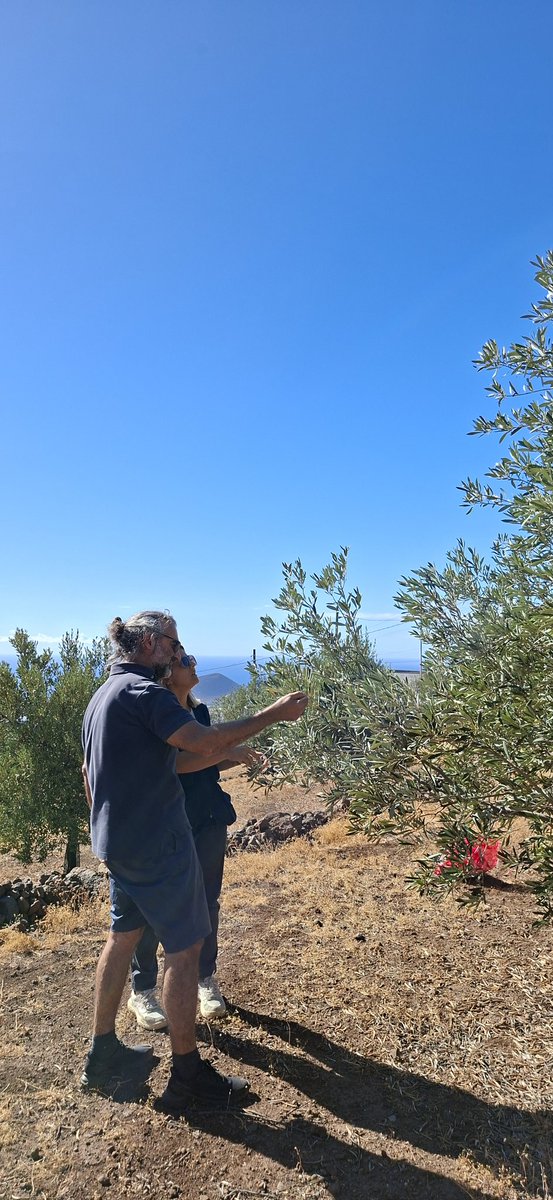
Im #Tenerife checking our olive cultivars comparative field trials. We have taken fruit samples to compare with results of the same cultivars under Mediterranean climatic conditions.
Siempre interesantes los ensayos de variedades de olivo que evaluamos en Tenerife fruto de la colaboración @IfapaJunta y @AgrocabildoTfe, donde estudiamos las peculiaridades del cultivo en esta zona de clima subtropical.
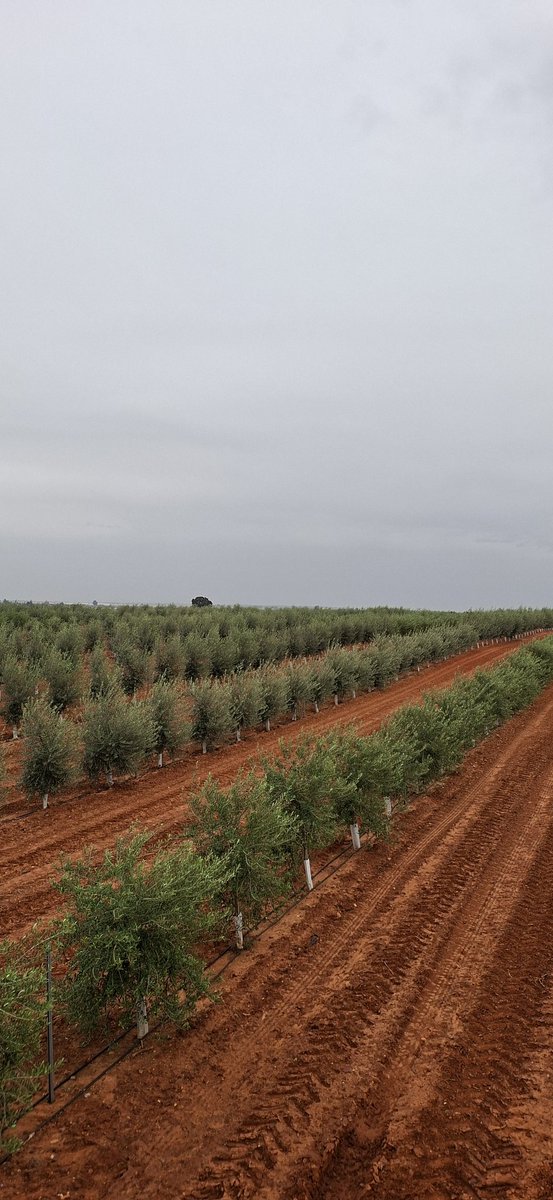
#Koroneiki, una variedad de difícil manejo en alta densidad por su alto vigor, muestra un aspecto y productividad excelente en nuestros ensayos en zonas más frías y de menor crecimiento como #Granada#InteracciónGxE
Attending the meeting for Development if integrated techniques for induced genetic diversity and improvement of vegetatively propagated and horticultural tree crops in #Beijing
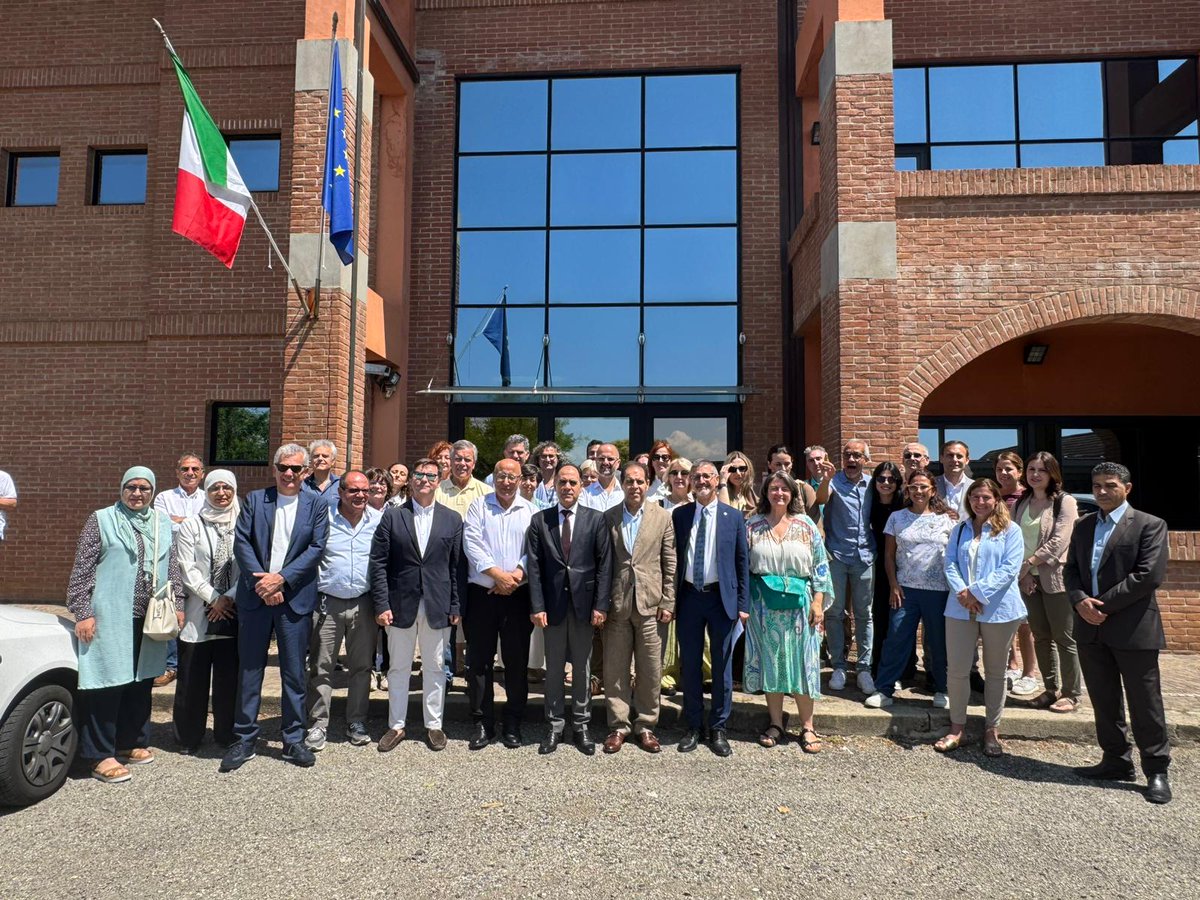
This week, at the INTERNATIONAL WORKSHOP “TRANSFER OF OLIVE TREE GENETIC RESOURCES AND ASSOCIATED RESEARCH DATA: A PATH TO SOLUTIONS IN THE ADAPTATION TO CLIMATE CHANGE”
Rende, Italy. June, 23th to 26th of 2025.
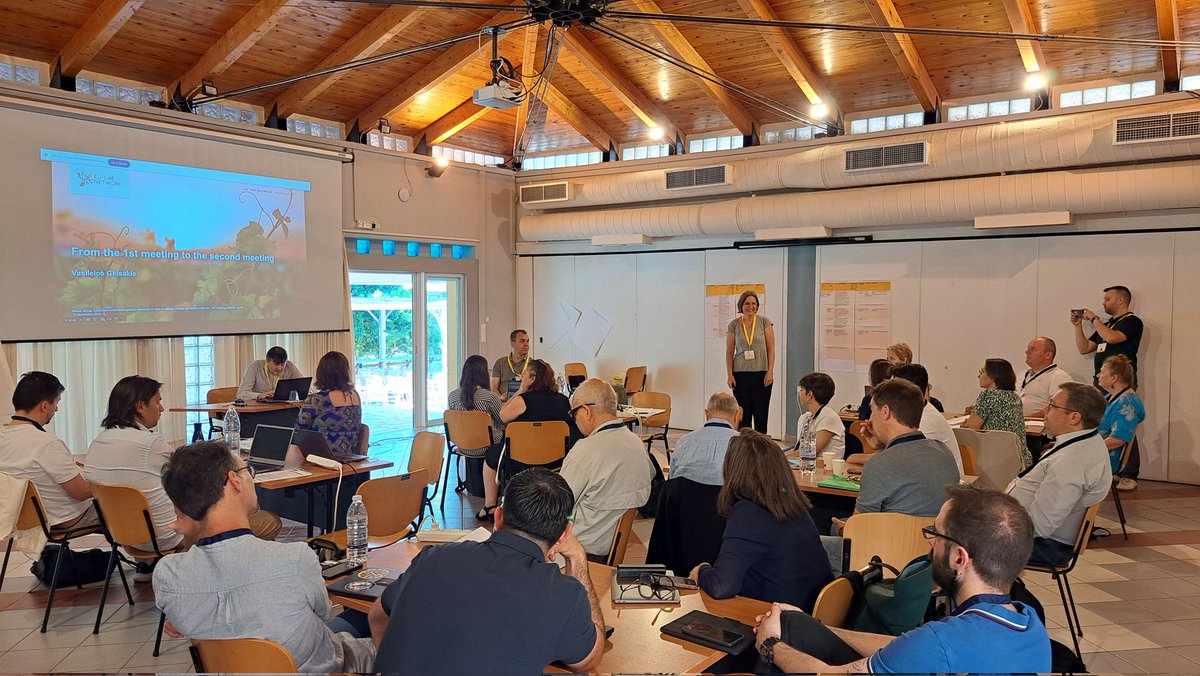
Nos volvemos a reunir, esta vez en #Chania 🇬🇷 para debatir sobre variedades locales, en mi caso olivo 🫒, en el marco de este @eucapnetwork Focus Group con colegas de todos los sectores y países
#geneticresources