This past weekend, Swarm’s CRO & Co-Founder Oliver Palmer took the stage at the @HarvardHBS & @MITSloan@TechNatSec Conference as a panelist on Drones & Autonomy.
Moderated by Shai Cohen, the panel dug into the most pressing questions facing national security today.
The future of air power starts with conversations like these.
How can we produce Gamera quickly at scale?
Swarm Co-Founder & CRO @oliverpalmer3 shares it comes down to three things: building the organization from scratch around volume production at low price points, starting with design for manufacturing so we don't have to redesign after flying prototypes, and standing up volume production facilities in Northwest Arkansas with key supplier agreements already in place.
Read more in @AviationWeek, from @TheDEWLine. https://t.co/t1uTARFcuz
“This is a first principles, ground-up build to optimize the overall swarm.” - @oliverpalmer3, Swarm Co-Founder & CRO
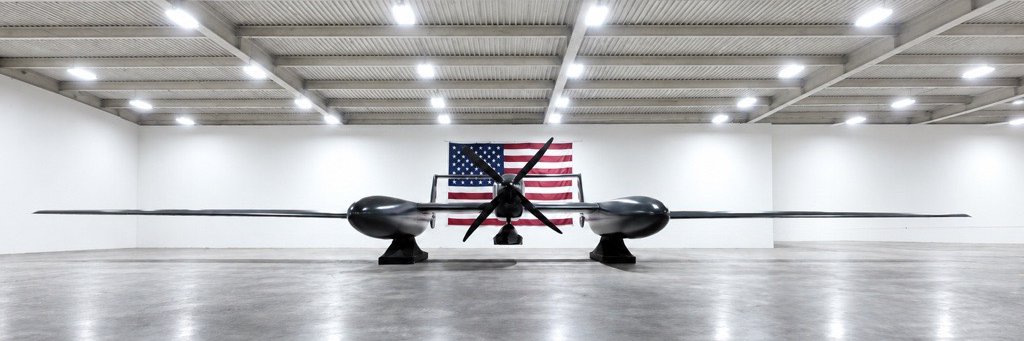
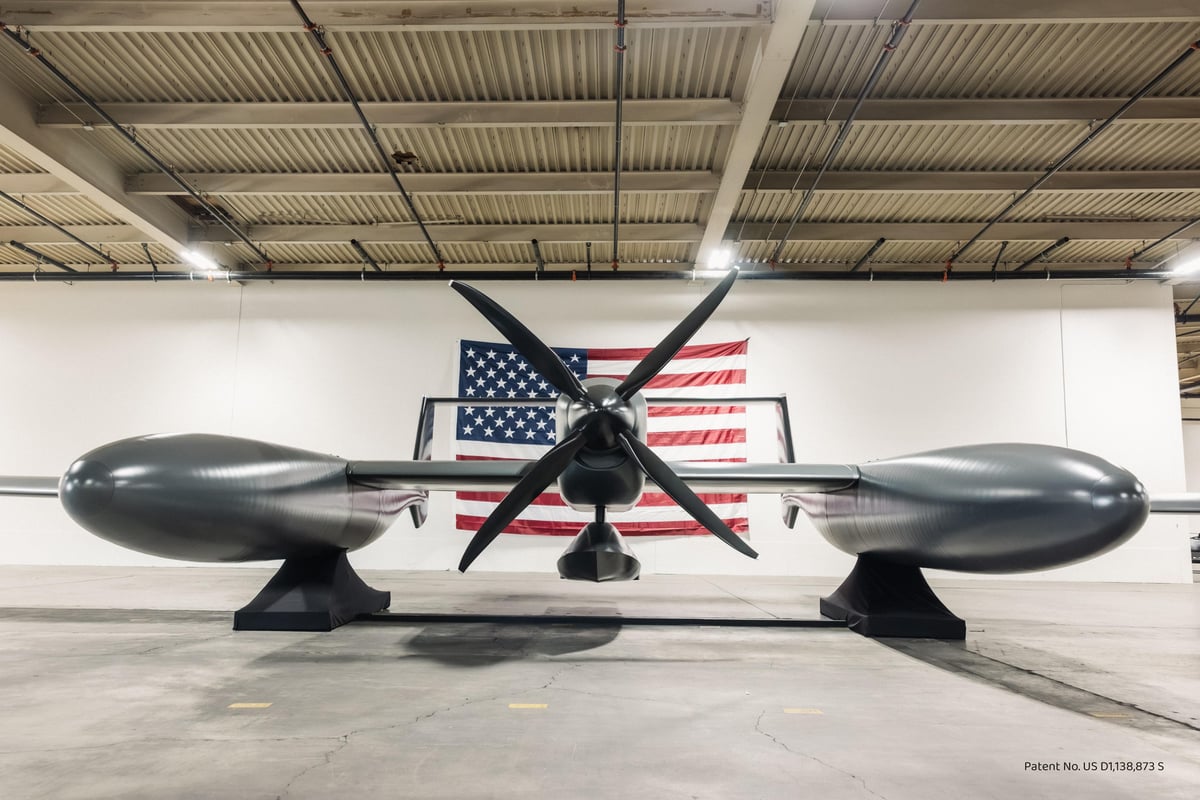
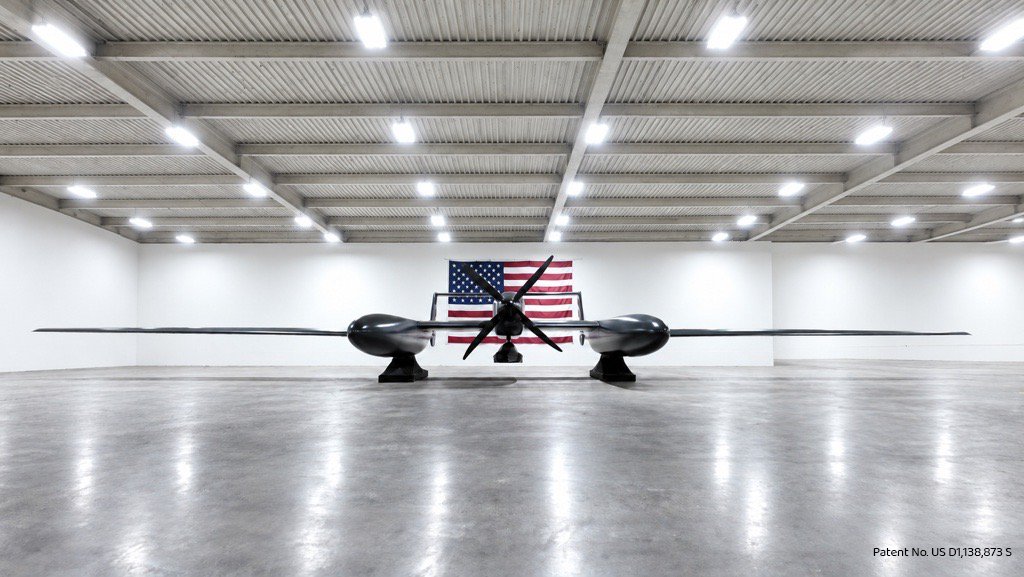
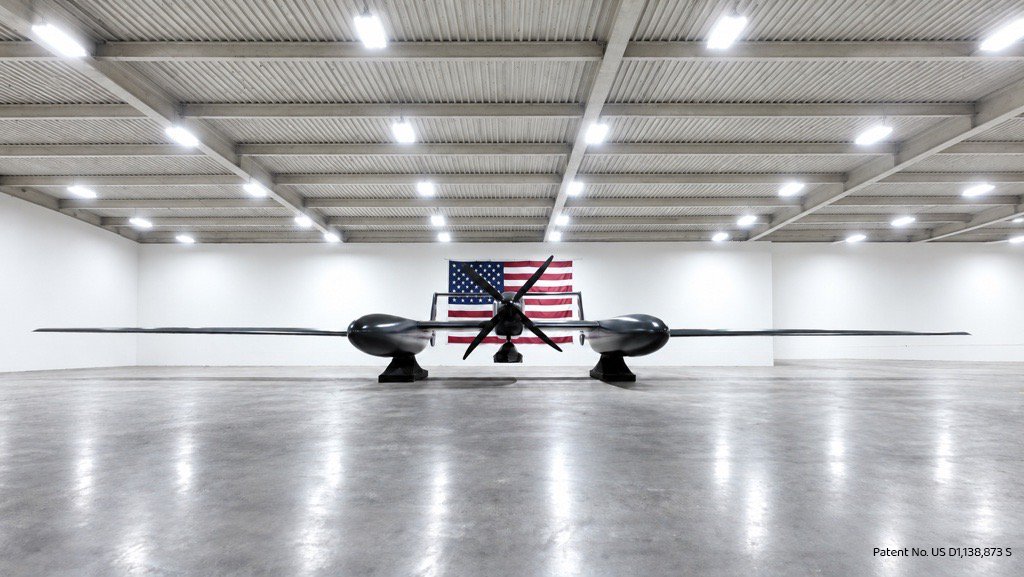
Gamera is a Group 5 drone with a 72-foot wingspan, seven hardpoints, and a turboprop engine that has the ability to do all the same missions the MQ-9 can do: sensing, electronic warfare, signals intelligence, communications relay, cargo and logistics.
Read more in @axios Future of Defense by @demarest_colin. https://t.co/u90VSXuqHV
🇺🇸 Le successeur du Reaper ne ressemblera à rien de connu.
Le Reaper, c'est ce drone de combat américain utilisé depuis 20 ans pour la surveillance et les frappes de précision. @SwarmAero vient de dévoiler son remplaçant potentiel, baptisé Gamera : un drone à deux fuselages parallèles, pensé à l'exact opposé de la furtivité. Pas de blindage technologique, juste un appareil simple, taillé pour l'extrême distance.
Ses chiffres parlent d'eux-mêmes : 9000 milles nautiques d'autonomie, soit environ 16 700 km sans ravitaillement, et sept emplacements pour embarquer ses armes.
L'enjeu : remplacer un Reaper dont le coût grimpe jusqu'à 50 millions de dollars pièce. Le Pentagone veut descendre à 10 millions par appareil pour son nouveau programme, baptisé Massed Modular Aircraft, et vient d'accélérer le calendrier après avoir perdu plusieurs Reaper face à l'Iran.
Swarm Aero n'est pas seul sur ce marché : General Atomics, le constructeur historique du Reaper, propose déjà son propre candidat, le Wildfire. Swarm promet malgré tout de battre la cible de coût fixée par le Pentagone, sans sacrifier la capacité d'emport exigée, 1270 kg.
Premier vol de Gamera visé en 2027.
Swarm Aero has unveiled its contender for the U.S. Air Force’s Massed Modular Aircraft requirement for a new-generation, large, long-range uncrewed aircraft system.
Read more ⬇️
A new contender to succeed the MQ-9A Reaper has taken shape, with Swarm Aero pitching a low-cost autonomous aircraft designed to carry bomber-class missiles
https://t.co/q15AweYyxt
With a 72’ wingspan and unrefueled range of over 9000 miles, Gamera is a new category of Group 5 strike and sensing UAS that is mass-producible, significantly lower cost than legacy platforms, and the first UAS specifically designed to employ bomber-class strike munitions.
It’s on display this week at @AFA_Air_Space Air, Space & Cyber Conference. Come see the next generation of UAS in person in the Wilson Ballroom at Booth #4100.
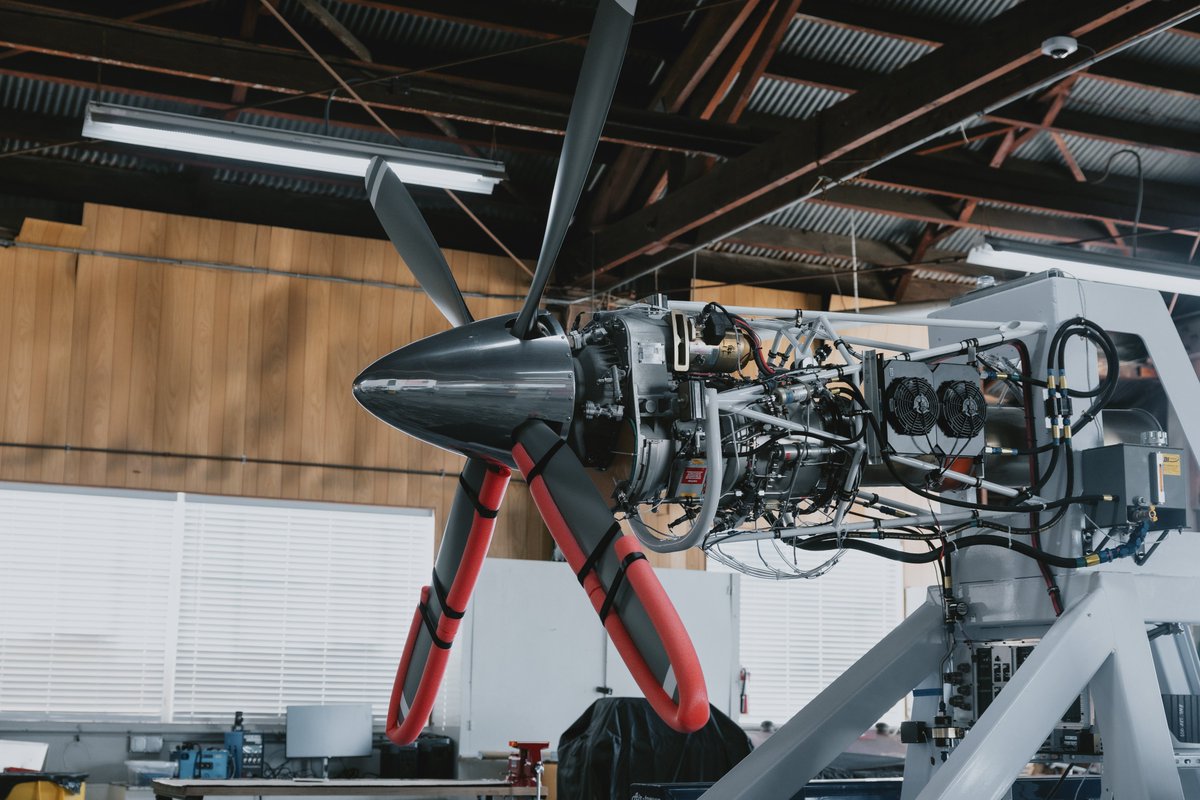
Gamera is powered by the Honeywell Aerospace TPE331 turboprop engine, a proven, cost-effective, high-performance engine with an extraordinary legacy, now paired with the first UAS specifically designed to employ bomber-class strike munitions at a fraction of the cost of legacy systems.
Experience both up close in the Wilson Ballroom at Booth #4100 at @AFA_Air_Space's Air, Space & Cyber Conference this week.
We’ve spent the last four years quietly building Gamera and maturing all aspects of it - the design, the manufacturing processes, and the command and control and autonomy suite to control it - and finally introduced it to the world this week.
Gamera is purpose-built for the @usairforce and @DIU_x 's Massed Modular Aircraft program with a 72-foot wingspan, 2,800+ lbs of payload capacity including JASSM-ER-class long-range strike munitions, a mission radius of over 2,500 miles, and the ability to self-deploy over 9,000 miles. At volume, Gamera can be below $10M.
As with most technology, there's an iteration and a learning loop. Whoever can complete that the fastest and get the furthest through it ultimately builds the best product. We're further along on that than anyone else.
Read more in this @tectonicdefense feature by @barratt_dewey. https://t.co/kGuMd7Mfo8
@SwarmAero's low-cost Gamera UAS and their Legion command and control software designed to seamless fly swarms of Gameras is what we need to project power and provide meaningful deterrence of future conflicts.
https://t.co/fC186S25KR