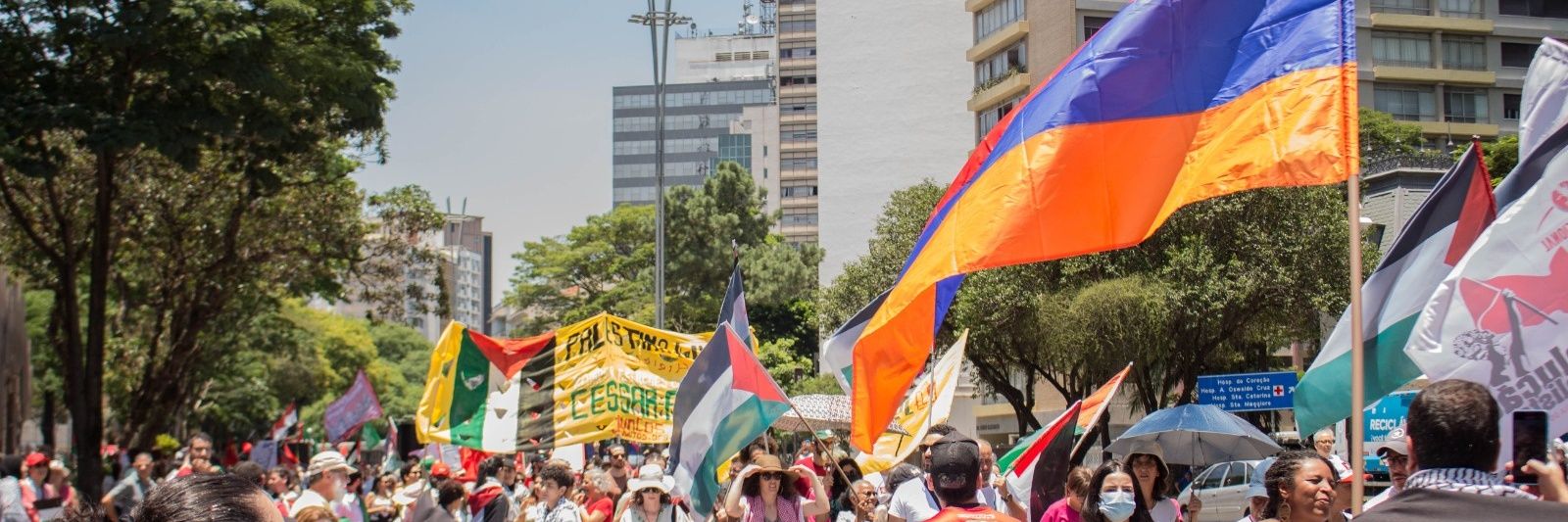
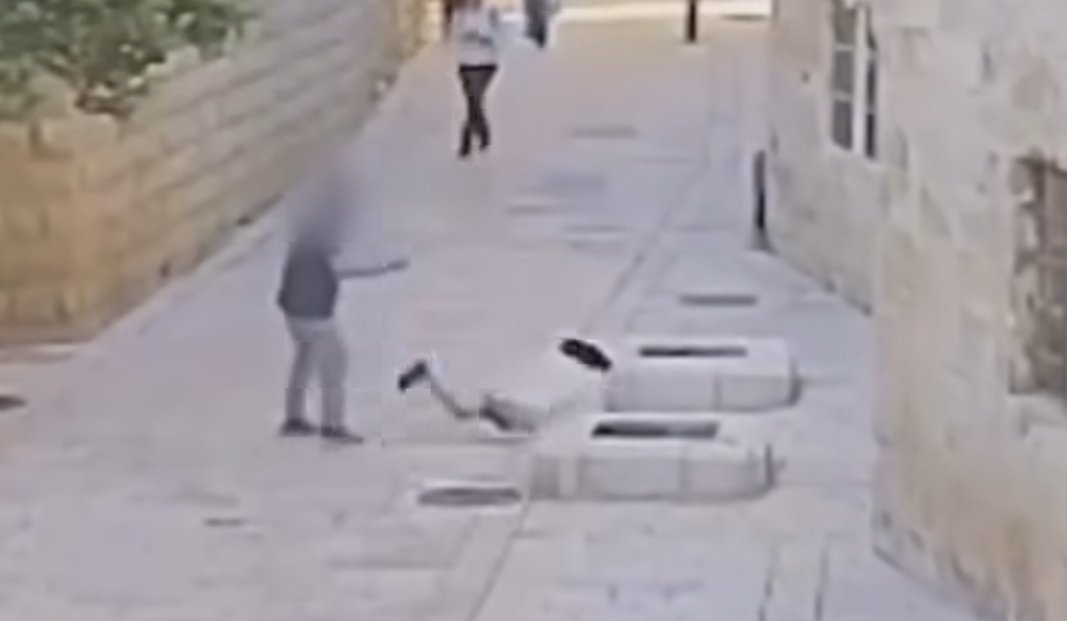
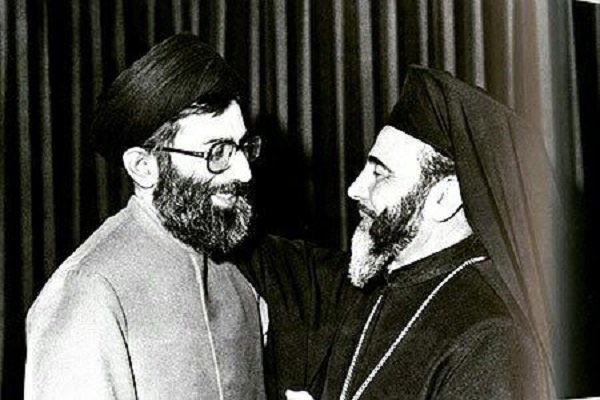
Gaza, 2006 X Jerusalém Ocupada, 2026
Quanta propaganda foi necessária para convencer os cristãos do Ocidente que os que entregam flores às freiras são terroristas e inimigos, mas que os que bombardeam igrejas e agridem freiras são aliados?
A very dangerous new nightmare we are living in Gaza City, and no one in the world is paying attention to it.
Days ago, the Israeli army installed huge military cranes, each about 30 meters tall, on the eastern areas it controls. These cranes are equipped with machine guns and cameras, and they fire randomly and almost continuously at tents, streets, and exposed neighborhoods.
Gaza City is extremely narrow, only 10 kilometers wide. A single crane at that height is enough to expose the entire city from east to west. Every street, every square, every tent, every house has become completely exposed. There is no place to hide, and not a single moment of safety.
In just the past two days, three people were killed by fire from these cranes. One of them was sitting quietly with his father in a small café, trying to breathe for a few minutes. Hours later, a 5year old girl was killed while playing near her home.
These cranes have turned the entire city into an open field. The latest military technologies are directed at civilians. We have become an open testing ground for their new weapons. The horror is not just in the sound… it is the constant feeling of being an exposed target at all times, where even children cannot run in the street without fear.
Elder Joseph the Hesychast predominantly refers to Christ as “Jesus” and “my Jesus” throughout his letters.
The Christian faith is deeply personal and relational.
Você sabia que os árabes com CIDADANIA ISRAELENSE são proibidos de morar em 68% das cidades de Israel pelos comitês de admissão?
Não estou falando dos palestinos de Gaza ou Cisjordânia. Estou falando de árabes israelenses.
Em Israel vigora uma lei racista que dá o direito de judeus negarem o direito de moradia a árabes em quase 70% de suas cidades sob justificativa de manter uma suposta "coesão étnica".
Você sabia disso?
Stop Praying for Gaza!
By Rev Dr Mitri Raheb
A pastor in the West Bank recounts a phone call with a Catholic nun in Gaza moments after the Israeli airstrike on St. Porphyrios in Gaza City:
“Suddenly, we heard someone shouting and crying aloud. “What’s the matter, sister?” my friend asked. “The assembly hall of the Greek-Orthodox Church is totally destroyed; they believe all 40 people who were staying there are killed.” She added, “if they bombed the Greek-Orthodox Church, then nothing will deter them for bombing our church here. We are next!” My friend gave his mobile to the sister, saying, “here is Rev. Mitri Raheb, talk to him.” “I can’t talk, this is terrifying, I can’t believe what is happening,” she said. Then she took the phone, she was still crying. At that moment, I wished that he did not ask her to talk with me. This was one of the few moments in my entire life when I was speechless; I did not know what to say, what to tell her. Every word will be out of place. Yet, I had to say something. The only words that came to mind were: “We pray for you all.” I thought that these words would calm a sister who dedicated her life for Christ and for a life in prayer. To my surprise, she shouted while crying “We don’t need prayers!” and handed the mobile back to my friend. Her words are still ringing in my ears.
“We do not need prayers.” I was meditating on her words for hours. Why would a sister say something like this. We all appreciate hearing friends telling us that they keep us in their thoughts and prayers. During these last days, I received hundreds of emails from friends who wanted to reach out to tell us that they are thinking of us now, and that they are praying for our safety. I appreciate all these messages. So, why was the sister annoyed when I told her that we are praying for them in Gaza. I am sure that at that critical moment my words sounded like a clichéd, “cheap” answer that does not correspond to the gravity of the situation. Yet, the more I thought about it, the more I started understanding her answer. In this context of a war crime, committed against the civilian population in Gaza, what is needed is more than prayer; what is needed is advocacy, what is needed is political action, what is needed is for people to go on the streets demanding an end to this aggression. She knew that without an immediate ceasefire, without swift access to food, water, and medicine, and without a just and lasting peace, neither she nor her community would survive this war. Yet, her words were not just about fearing for her life and for the people in Gaza. Her words, in that moment, had something prophetic in them. “Stop praying for Gaza, while allowing your government to sanction war. Stop thinking you are doing the people in Gaza a favor by praying without working vehemently for justice.” Her prophetic words reminded me of the words of the prophet Amos: ...”
Ai vou olhar e o questionamento foi dirigido à uma árabe xiita média casada com um iraniano.
Porra, eu amo esse site e o delírio do brasileiro sem contato com essas comunidades nas suas "análises".
Eixo da resistência e dinheiro kkk
Você já conversou com um iraniano? Ou mesmo um árabe xiita médio? Todo mundo na Ásia ocidental odeia a república islâmica, mesmo a maioria dos palestinos e dos árabes xiitas, e o xiita libanês médio só apoia o eixo da resistência por dinheiro
@Hermaeus621 Antioquia! (Abouna é uma contração de abu - pai - e da partícula para nosso - na- em árabe)
Debate raramente converte as pessoas, infelizmente.
Opinião (talvez) impopular: *ridicularizar* a questão do mal é (filosoficamente) a coisa mais anti-cristã que se pode fazer. A motivação do questionamento (desconforto com o sofrimento/piedade) é por sua vez uma das coisas mais cristãs possíveis dentro e fora da igreja visível
@Hermaeus621 Pelo contrário, conhecer as mazelas gerais do tempo em que vivemos e não passar elas na frente das pessoas e suas almas é um dos trabalhos mais difíceis que qualquer abouna poderia ensinar alguém a tentar
@Hermaeus621 Sendo ortodoxo (tb sou), sabe que não somos capazes de conhecer as intenções nos corações do outro. Assim nos resta ser caridosos independente da intenção e mostrar o evangelho em ações e postura muito mais que através da discussão teológica