Public agencies continue to see First Amendment auditors recording at facilities, meetings and field operations. Preparation matters: train employees, mark restricted areas, protect sensitive information and respond calmly. Learn more at https://t.co/0nNspnkZBf
Special events can bring communities together—but they also require careful planning. From parades and vendors to tents, stages, traffic, weather, and emergency access, strong risk management helps keep events safe and successful.
Learn more: https://t.co/x9QbpSLdXo
Working on/near roadways requires more than flashing lights. Crews should plan, wear high-vis, use proper traffic control, position vehicles strategically, and stop work when unsafe.
Every job near traffic deserves a deliberate safety plan.
Learn more at https://t.co/0nNspnkZBf
A well-designed no-fault assistance program can help utilities respond quickly after water events — even when the agency is not legally liable.
Clear limits, funding, waivers, staff training, and resident education are key.
Learn more at https://t.co/x9QbpSLdXo
Heat-related illness is preventable, but prevention takes more than reminding employees to drink water. Supervisors should monitor conditions, adjust work, provide water/rest/shade, watch new employees closely, and stop work when unsafe.
Learn more at https://t.co/0nNspnkZBf
Third-party litigation funding is changing the liability claim environment for public agencies. Funded litigation can lead to longer claim timelines, higher defense costs, increased settlement pressure, and greater uncertainty. Learn more at https://t.co/x9QbpSLdXo
Irrigation system failures can create more than maintenance headaches—they lead to employee injuries, public hazards, and water damage claims. Use proper PPE, inspect carefully, respond quickly to leaks, and document repairs and complaints. Learn more at https://t.co/0nNspnkZBf
Railroad tracks are never “inactive.” Trains can operate on any track, in any direction, at any time. Stay alert at crossings, obey warning devices, and never stop on the tracks. A few extra seconds of patience can save lives. Learn more at https://t.co/0nNspnkZBf
Certificate review is a critical component of contractual risk transfer for public agencies and utilities. Our latest Insights post explores common deficiencies and best practices. Learn more at https://t.co/x9QbpSLdXo
Right turns—especially on red—can create serious risks for pedestrians, cyclists, and others. Slow down, check blind spots, and when in doubt, wait for green. Learn more at https://t.co/0nNspnkZBf
Lawn care isn’t “basic” work—it involves powerful equipment, flying debris, and real risk. Train operators, inspect equipment, wear PPE, and stay alert—especially along roadside rights-of-way. Learn more at https://t.co/0nNspnkZBf
Most property losses aren’t caused by major events—they’re caused by preventable failures.
Water damage, fire impairments, improper storage, and missed maintenance drive claims for public agencies. Proactive risk management matters.
Learn more at https://t.co/x9QbpSLdXo
Scaffolding isn’t just a contractor issue—public employees use it for inspections, maintenance, and tours. Before stepping on, verify it’s safe, use proper access, and avoid overcrowding platforms. Learn more at https://t.co/0nNspnkZBf
Public infrastructure projects carry hidden design risk. OPPI coverage provides a critical backstop when consultant limits fall short—especially on complex, multi-discipline builds.
Learn more at https://t.co/x9QbpSLdXo
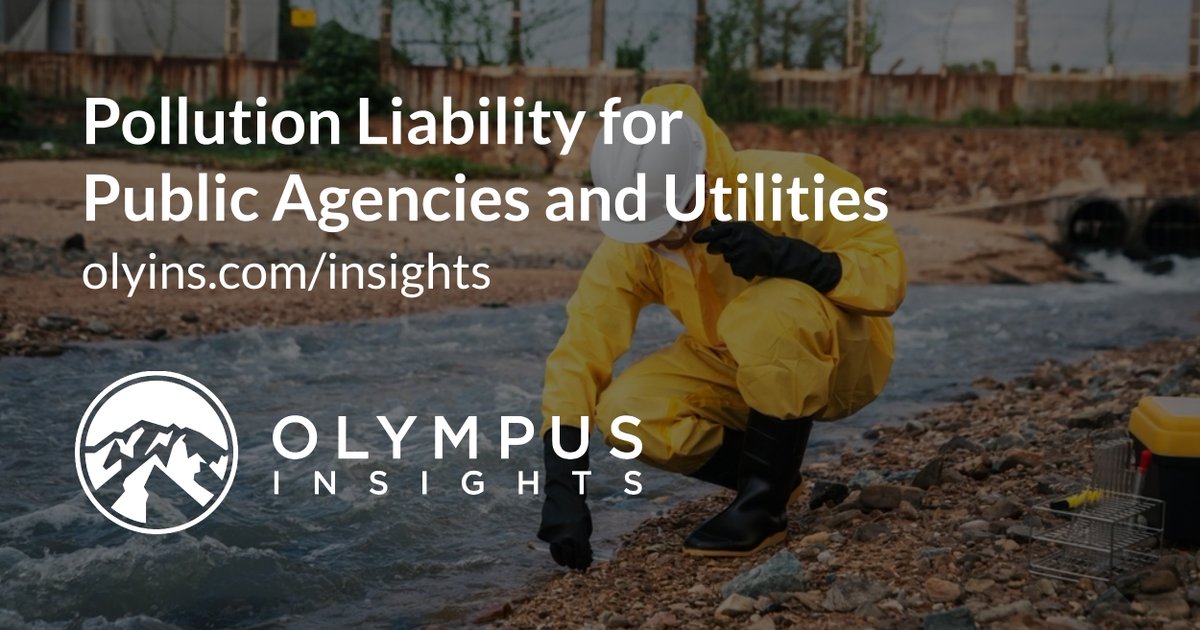
Pollution liability for public agencies isn’t as simple as “covered or excluded.”
The real question: does your coverage align with how claims actually occur?
Learn more at https://t.co/x9QbpSLdXo
Trying to “make up time” behind the wheel is one of the most dangerous habits on the road. Slow down and plan ahead—it’s not worth the risk. learn more at https://t.co/0nNspnkZBf
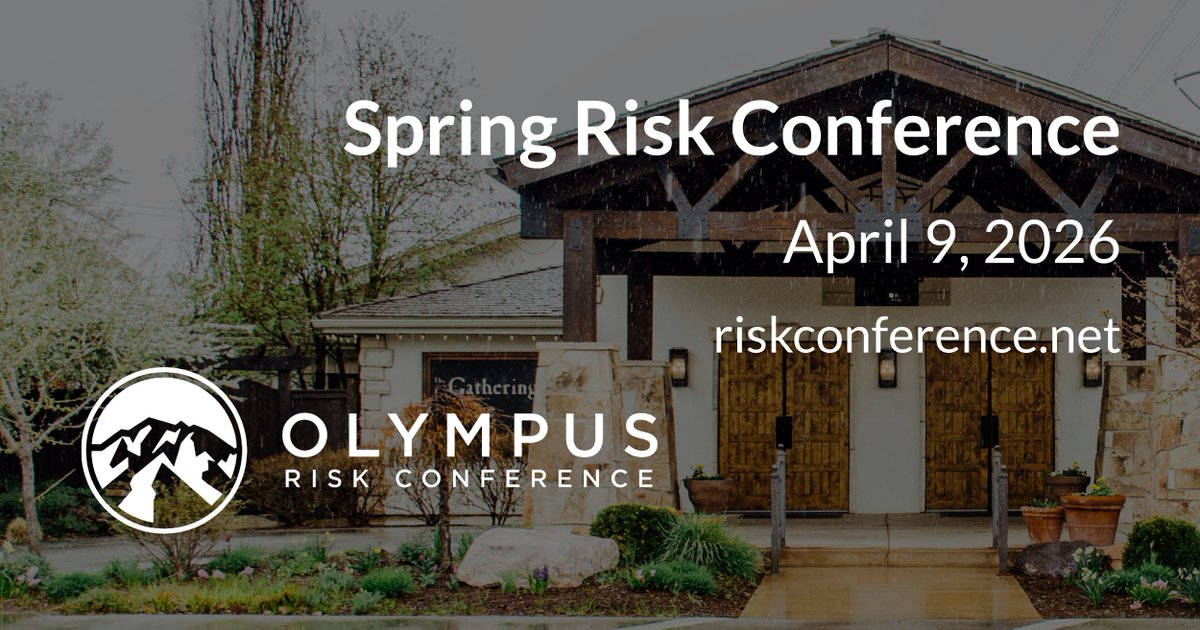
It was great to connect with so many of you at our Spring Risk Conference.
We hope the conference provided meaningful insights to improve the risk management and safety initiatives throughout your organization.
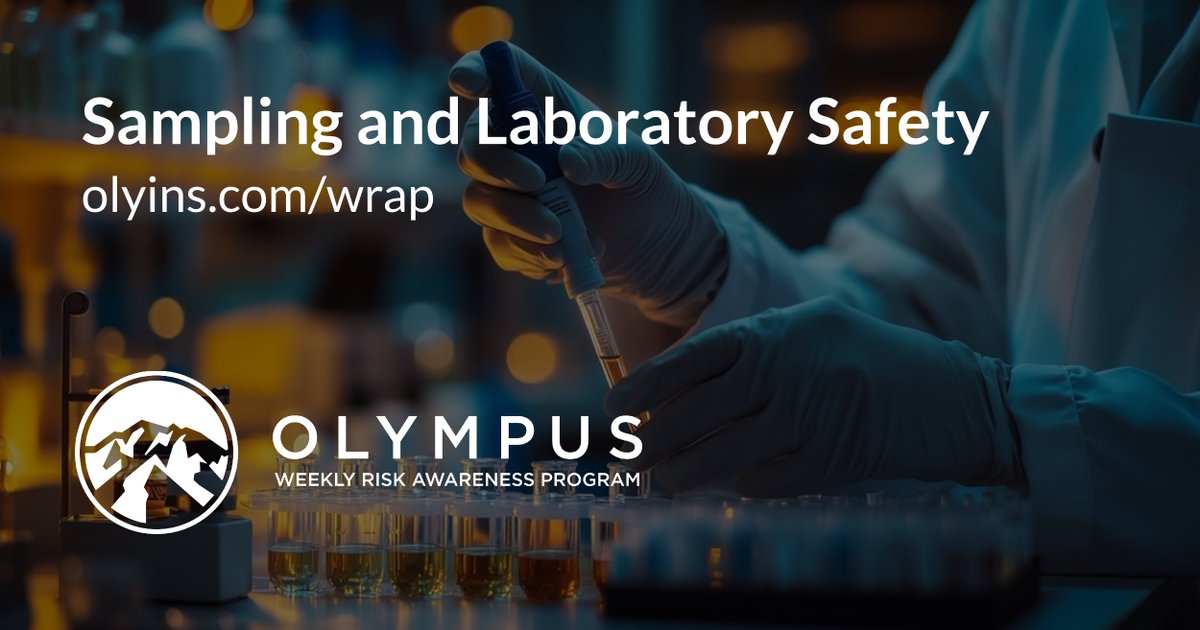
Sampling and lab work may seem routine—but they expose employees to biological, chemical, and physical hazards in the field and lab. Don’t treat it as low-risk. Learn more at https://t.co/0nNspnkZBf
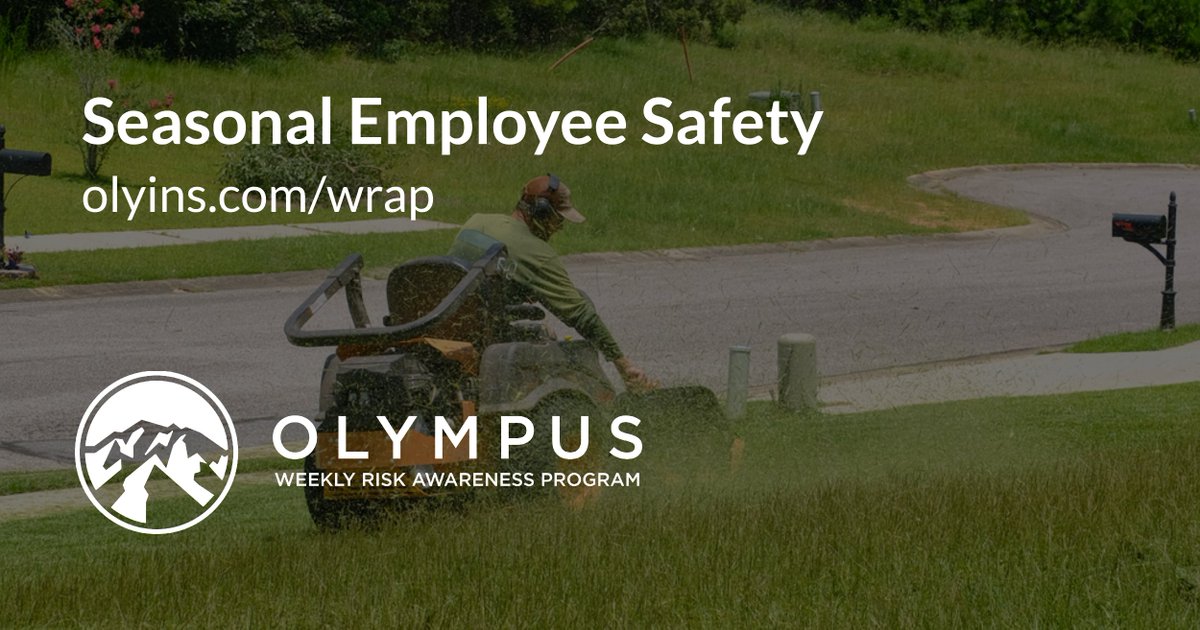
Seasonal workers face the highest injury risk in their first weeks on the job. Set the tone early with hands-on training, strong supervision, and daily safety reinforcement. A strong start is the best protection. Learn more at https://t.co/0nNspnkZBf
Return-to-work isn’t just a policy—it’s a cost-control strategy. Keeping claims medical-only (vs. indemnity) can significantly reduce your E-Mod and long-term costs. Learn more at https://t.co/x9QbpSLdXo