🚨New Paper: "Seven Years of 700 Cholesterol Without Coronary Atherosclerosis: A Lean Mass Hyper-Responder Case Report"
Link: https://t.co/5VnRpZlFdR
For the past 7 years, I’ve been running what is essentially a natural experiment in cholesterol and heart health.
During that time, I’ve largely lived with:
👉Total cholesterol around 700 mg/dl
👉LDL cholesterol between 500–600 mg/dL
I recently underwent advanced coronary CT angiography imaging with AI-guided analysis. This is not a CAC. It measures all plaque (soft + calcified), with expert interpretation and AI-guided analysis capable of quantifying plaque down to the cubic millimeter (mm3).
Now, to address the obvious question:
Am I too young for plaque?
In brief: No.
The clearest comparison is individuals with homozygous familial hypercholesterolemia, who often have similarly extreme LDL/ApoB levels and can develop advanced plaque as toddlers, and even heart attacks as early as age 8.
Also, nutrition influencers in their 30s have publicly shared quantified plaque scores from these same imaging technologies. In one recent case, a plant-based influencer in his thirties was found to have 61.3 mm³ of plaque despite having far lower lifetime LDL exposure. (He can identify himself if he so chooses.)
My case also isn’t a one-off.
There are many individuals like me, including older individuals with similar LDL-C and ApoB without any plaque.
The difference is that I’m an unusually well-characterized subject, with extensive metabolic data and health markers tracked over time. You can learn more at the newsletter or open-access paper, linked above.
The science of heart health is not settled. And cholesterol is not a simple story.
🚨 If you want to help spread the word...
Quote Tweet this post (or create an original post) including the article link with a thought. Academic papers are increasingly evaluated using attention metrics. Original posts from unique users are one way to increase these metrics and help ultimately increase its reach.
🚨 If you want to learn more, I'll include more learning resources below 👇
This article came out in @Telegraph this morning, and it’s already gaining significant traction, apparently reaching top three on the site within hours or release.
https://t.co/DYBBwh3bsd
There’s clearly a lot of engagement, so since I won’t be able to respond to every comment, I want to clarify a few things upfront.
First, I am not, nor have I ever been, anti-pharmacotherapy. What I am against is a lack of nuance. I don’t believe it’s my place to say something as simplistic as “X drug is overprescribed,” (some editorial liberties were taken). However, my concern is that they are prescribed without sufficient individualization and thoughtfulness.
My critique is not of pharmaceuticals themselves, but of a system that too often operates algorithmically, rather than with the precision each patient deserves.
Having personally experienced the downsides of that kind of care (multiple times), I feel comfortable speaking to it with the authority of a patient, MD PhD or not.
Second, I did not request, solicit, or pay for this article in any way. I was approached for it just as I was for an upcoming lecture at the @UniofOxford Longevity Summit, hosted at Rhodes House this weekend. I did no approaching, nor do I get any sort of kickbacks.
Third, this is not an article I wrote, nor is it intended to be an academic dissertation. If you’re looking for deeper nuance, I’d encourage you to explore my broader body of work, on YouTube or through my Substack, which covers dozens of articles on heart health and synthesizes hundreds of studies and human trials.
https://t.co/qkwEm0kQv9
And thanks for making is #2 Overall Best-Selling in Science on Substack, Globally. That's heartening :).
But I’ll leave you with this: What is a consensus worth… when the status quo it represents has failed to meaningfully improve public health?
🚨SHOCKING CONFESSION: Former Cleveland Clinic Medical Director Dr. Daniel Neides breaks down in tears, apologizing to ALL his vaccinated patients.
"I didn’t provide informed consent…ABSOLUTELY DEPLORABLE on my part and I apologize to my patients."
There are tribes on this planet who eat meat, fat, and whole foods every single day.
They've been doing it for tens of thousands of years.
They don't get heart disease. They don't get diabetes. They don't get obese.
You've been told the food they eat is killing you.
They're the proof it isn't. 🧵
Famine foods we're told are health foods:
Grains: What you eat when you can't hunt. Calories to prevent starvation. Not nutrition.
Legumes: Peasant food. Packed with antinutrients. Requires hours of soaking to make barely digestible.
Rice: Asian populations adopted it because it grows in flood-prone areas where nothing else survives. Not because it's optimal.
Potatoes: Irish ate them during the famine because literally nothing else would grow. Then a million people died when the potatoes failed.
Meanwhile:
Beef, butter, eggs, cheese: What wealthy people ate. What made children grow tall. What fuelled exploration and conquest.
We've been convinced that poverty food is health food while actual nutrition is dangerous.
The greatest marketing achievement in human history.
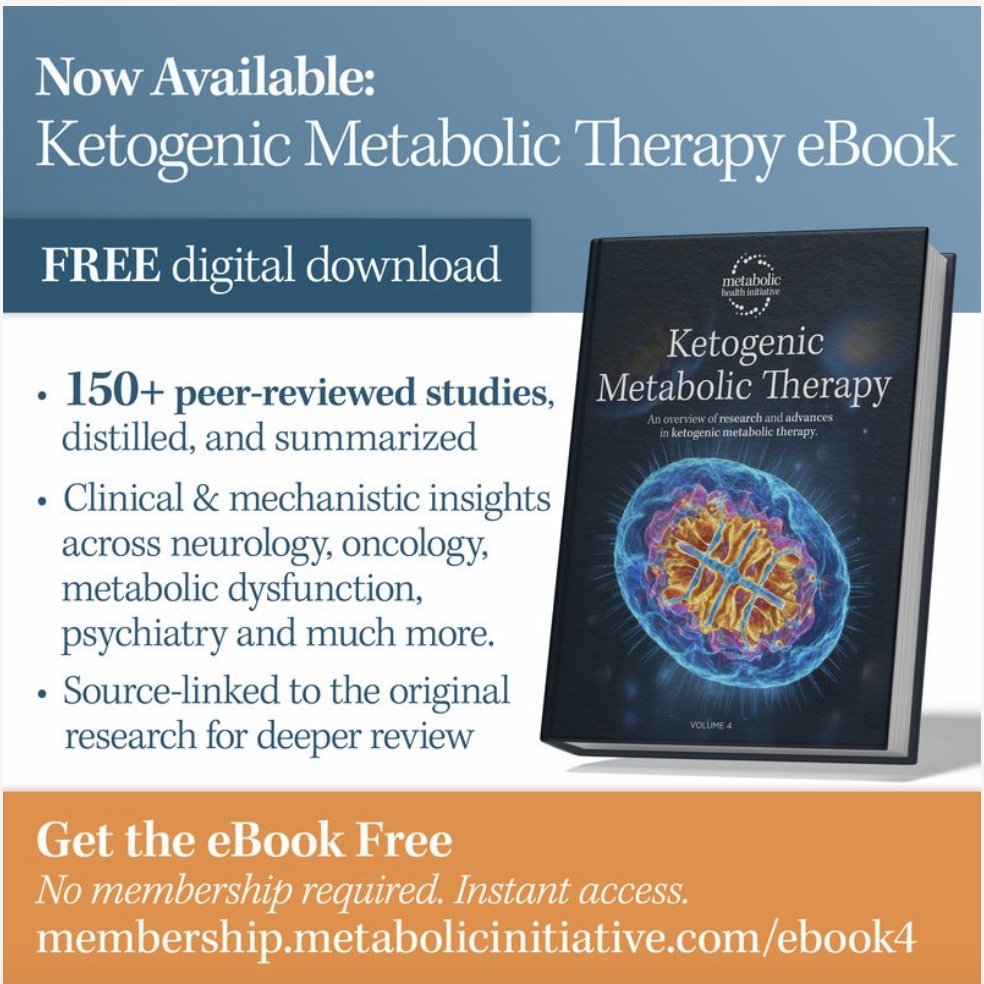
Curious about ketogenic therapy? This new e-book includes 150+ peer-reviewed studies across neurology, oncology, metabolic dysfunction, psychiatry, human performance. A stellar resource for clinicians, researchers, and anyone interested in the evolving science of metabolic health and therapy. Access it at https://t.co/SoVduJrR4N. (free)
I got sick on December 31st right before New Year’s. I didn’t obsess over what it was, my approach to acute illness has always been to let the body do its thing unless something clearly feels off
For context, I rarely get sick. Maybe once a year at most, and I’ve gone multiple years without a viral infection or flu
This one came with a nasty cough, and even after I started feeling better, the airway irritation lingered for a while
A few days ago I thought I was fully in the clear, trained hard for the first time since being sick.. and the cough slowly crept back. That was on me. I pushed intensity before my system had fully resolved the inflammation
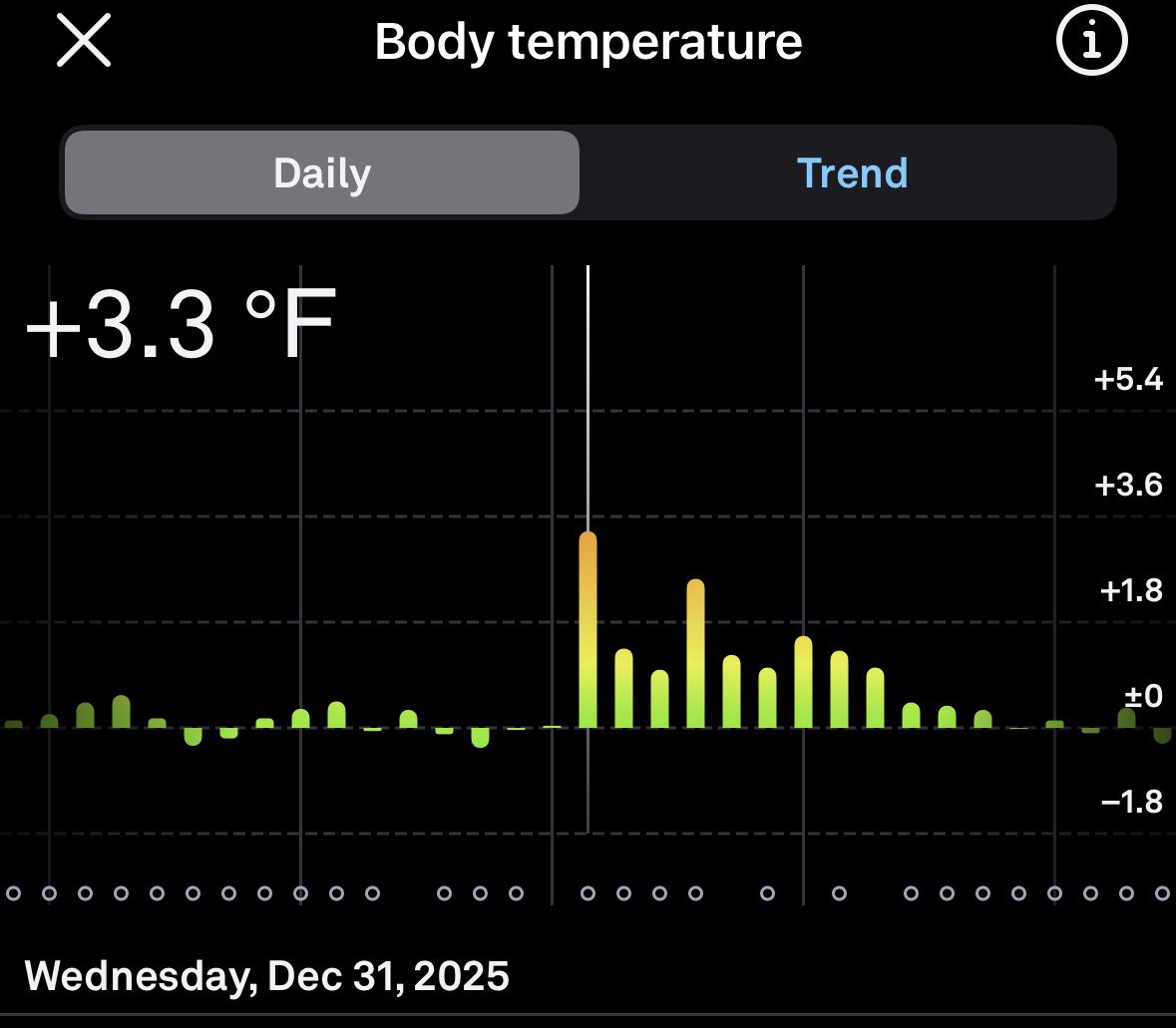
Now that I’m on the upswing again, Enzo started showing symptoms. Sore throat, a bit of a cough, and a rising core temperature. A normal fever response
As parents, we’re not spiraling when he gets sick. Not because we’re careless, but because we understand what uncomplicated acute illness looks like
We know the difference between a body running a normal defense and a situation that warrants medical intervention. That’s what education gives you, the ability to observe without panic and act when it truly matters
So we monitor. We keep him hydrated. We watch his behavior, breathing, and comfort. And yes, we allow a fever to do what it’s designed to do while staying attentive to how the overall picture is progressing
Enzo is fully unvaccinated and has grown up with strong circadian alignment, lots of time outdoors, solid sleep rhythms, nutrient density, so forth. Many of you have watched him grow over the years. This isn’t about pretending kids never get sick, they do. It’s about understanding that illness is often a normal part of immune development, not automatically a crisis
Enzo’s symptoms came in hot and quickly, a sign that a toddler’s immune system is working AS IT SHOULD. It seemed like he flipped a switch from no acute illness to a full blown immune response. He was quiet, in some discomfort, and naturally wanted his parents
Breastfeeding, comfort, something like 12-14 hours of sleep last night, morning sun exposure, organic strawberries, kefir, raw honey spread on real sourdough, later morning sunbathing in a UV index of 4 for about half an hour
About 30 minutes ago, this kid runs upstairs screaming like his normal self. Full of energy. Speaking a lot like normal. Smiling. Wrestling. Major increase in appetite
Less than 20 hours later, he’s back to full energy, appetite, and play. That’s what an uncomplicated, well-handled acute illness can look like in a healthy toddler
Not every sickness is a crisis, but it does require calm observation, supportive care, and knowing when something isn’t following a normal pattern
While you are healthy, you have many plans — travel, work, and life.
But when you get sick,
only one plan becomes the most important — to regain your health.
{ وَعَلَى ٱلَّذِینَ هَادُوا۟ حَرَّمۡنَا كُلَّ ذِی ظُفُرࣲۖ وَمِنَ ٱلۡبَقَرِ وَٱلۡغَنَمِ حَرَّمۡنَا عَلَیۡهِمۡ شُحُومَهُمَاۤ إِلَّا مَا حَمَلَتۡ ظُهُورُهُمَاۤ أَوِ ٱلۡحَوَایَاۤ أَوۡ مَا ٱخۡتَلَطَ بِعَظۡمࣲۚ ذَ ٰلِكَ جَزَیۡنَـٰهُم بِبَغۡیِهِمۡۖ وَإِنَّا لَصَـٰدِقُونَ }
[Surah Al-Anʿām: 146]
“And to those who are Jews We made unlawful every animal with uncloven hooves; and of cattle and sheep We forbade them their fat, except what is carried on their backs or the entrails or what is mixed with bone. That was Our recompense for their wrongdoing. And indeed, We are truthful.”
Arterial plaques contain massive amounts of linoleic acid.
Linoleic acid comes from seed oils, not from saturated fat.
The fat clogging your arteries is vegetable oil, not butter.
But they told you butter would kill you while recommending margarine.
The evidence has been published for decades. The plaques are literally made of the oils they told you were "heart healthy."
When they analyse atherosclerotic lesions, they find oxidised linoleic acid metabolites. Not saturated fat. Not cholesterol by itself. Oxidised omega-6 from seed oils.
The smoking gun is in every study. They just don't talk about it because Procter & Gamble wouldn't like that.
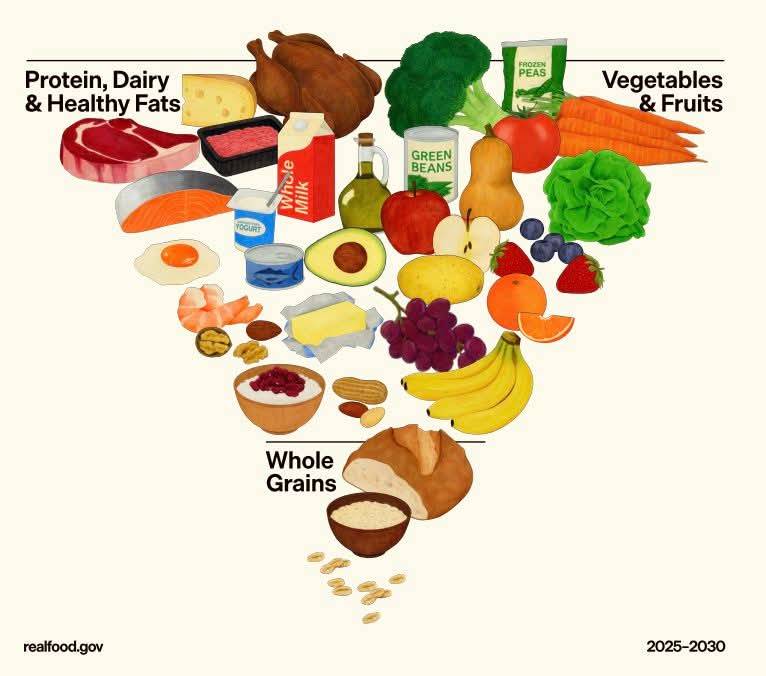
When governments finally say “eat real food”, you should ask:
Why did it take this long?
For years, people were blamed for “lack of discipline”
while being fed bad guidelines.
Metabolic disease is not a personal failure.
It’s a policy failure.
Real food isn’t radical.
Ultra-processed food was the experiment.
Inflammation is not a normal response to injury. It is a response to infection.”
— Dr. Joel Brind, PhD, biochemist, author of The Glycine Miracle
We were taught inflammation equals healing. Dr. Brind argues this is wrong. Injury should trigger repair. Inflammation only makes sense when immune cells detect infection.
Macrophages (immune first responders) have two modes: repair or attack. What determines the switch is regulation — not damage itself.
Glycine is that regulator. It functions as a biological “trigger lock,” preventing immune overactivation via glycine-gated chloride channels.
When glycine is low, immune cells misfire — producing inflammation in response to normal tissue stress, aging, or cell turnover.
Modern diets removed collagen-rich foods (bones, skin, tendons) and increased muscle meat. Result: high methionine, low glycine.
Excess methionine drains glycine. Aging, obesity, diabetes, and cancer further reduce it — the same conditions linked to chronic inflammation.
As detailed in The Glycine Miracle, inflammation isn’t something to suppress with drugs, but something to prevent by restoring metabolic balance.
Sometimes the missing solution isn’t a new therapy — it’s a molecule we stopped eating.
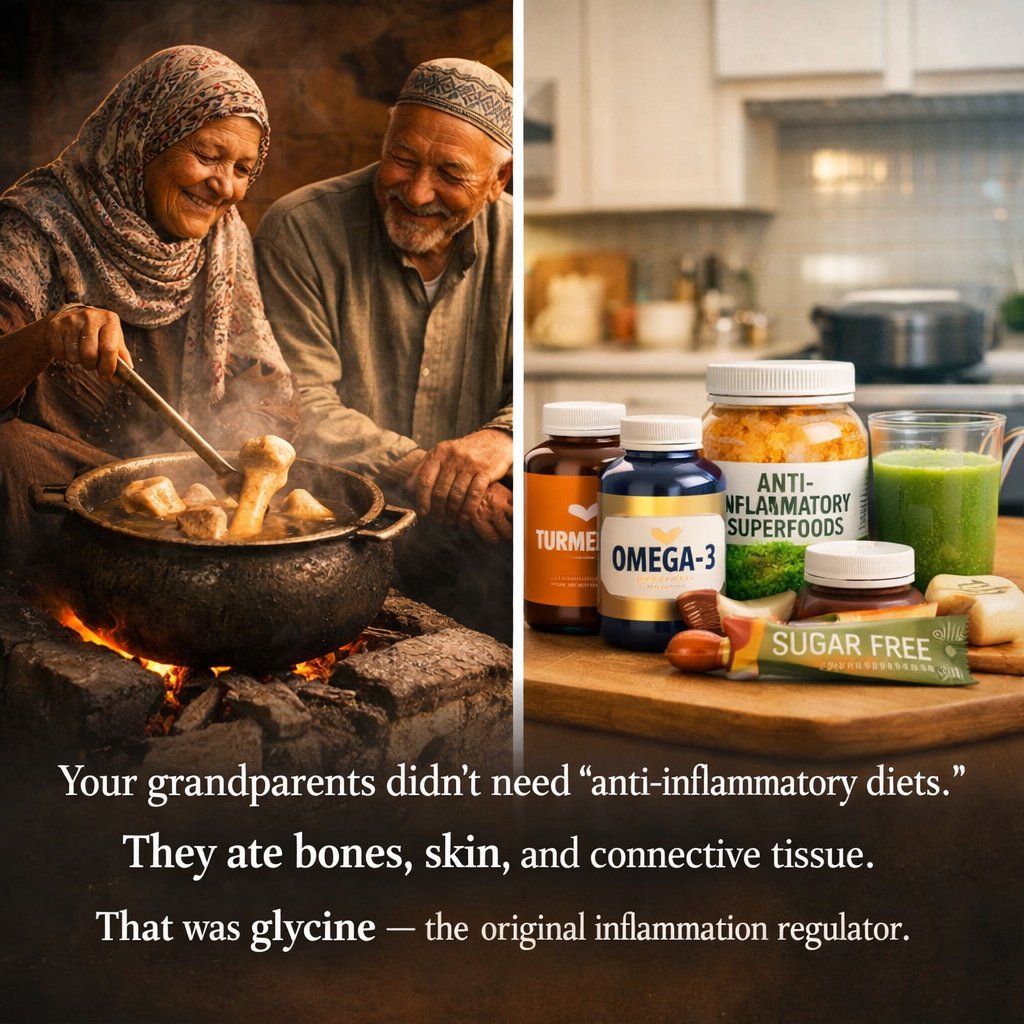
Your grandparents didn’t need “anti-inflammatory diets.”
They ate bones, skin, and connective tissue.
That was glycine — the original inflammation regulator
#Carnivore
1/6) A study published in Atherosclerosis found that 37% of individuals with “optimal” LDL (<70 mg/dL) still had measurable atherosclerosis.
That’s not a trivial number—but it does require nuance.
The first objection is familiar: a single LDL measurement may not reflect lifetime exposure.
Maybe these people lowered LDL later in life after years of higher levels?
But all participants were untreated—no lipid-lowering medications.
That makes it more likely that most had lifelong low LDL. Yet 37% still had atherosclerosis on CAC or carotid ultrasound.
🔗 Link to details at the end
PMID: 29751286
Cholesterol.
"It's bad for you"
"It clogs your arteries"
"It causes heart disease"
But the truth?
Your body NEEDS cholesterol.
Here's how LOW cholesterol increases your risk of death and everything else you were never told about cholesterol 👇
1. The chart they hid from you
It shows your risk of death compared to your cholesterol levels.
High hazard ratio = higher risk of death.
Look closely and you'll see something shocking:
Low cholesterol = highest risk of death.
People with cholesterol between 100–150 mg/dL have the highest risk.
Risk bottoms out around 200–240 mg/dL.
Yet that's considered "high cholesterol" by today's standards.
They'll put you on statins to lower your cholesterol and actually get you out of that healthiest range.
Above 280 mg/dL, risk rises again.
This isn't a straight line...
Yet the mainstream narrative is simple: "Lower cholesterol = better. Take your statins."
But this chart destroys that myth.
2. If low cholesterol really was the gold standard, why does risk of death nearly double at those levels?
Because cholesterol is an essential molecule your body uses constantly.
Your body uses cholesterol for:
- Hormone production (testosterone, estrogen, cortisol)
- Vitamin D synthesis
- Cell membrane integrity
- Brain and nervous system health
Statins lower the cholesterol that your body needs.
That's why it has common "side-effects" like:
- Muscle pain/weakness
- Higher risk of Type 2 Diabetes
- Memory loss and cognitive issues.
These aren't true side-effects.
They're directly caused by what statins are supposed to achieve:
Lower cholesterol.
3. The real root causes of heart disease.
Statins don't address the real root causes of metabolic disease:
- Obesity
- Inactivity
- Processed food
- Insulin resistance
They also ignore:
- Chronic stress
- Poor sleep quality
- System-wide inflammation
Lowering cholesterol doesn't fix any of these problems.
It just masks the symptoms while the disease progresses.
To avoid heart disease, you must first understand how your body is metabolically functioning as a whole.
When you fix the root causes - processed foods, insulin resistance, inflammation, stress and poor sleep...
Your cholesterol naturally optimizes to healthy levels.
No statins needed.
If you found this interesting:
1. Retweet it to share the message with others
2. Bookmark it to save it 👇
Heart disease is now the leading cause of sudden death in Indians under 45.
A new AIIMS study based on autopsy data shows:
1) Over 40% of sudden deaths in young adults were due to heart disease
2) Many had advanced coronary artery disease with no prior diagnosis
3) Most deaths happened at home or during sleep
“Most had advanced coronary artery disease with severe blockages often without any prior diagnosis”
The real issue?
Silent metabolic and cardiac disease in young Indians
My View:
Normal sugar reports often hide:
1) High insulin
2) High triglycerides
3) Low HDL
4) Visceral fat
5) Fatty liver
Heart disease doesn’t start with a heart attack.
It starts years earlier with insulin resistance and metabolic dysfunction.
Early screening saves lives.
Sharing one of the most emotional cases I’ve handled recently.
A woman from Indore suffering from severe gut issues for more than 10 years consulted me.
She also has an autoimmune condition, but her biggest struggle was digestion:
Her symptoms:-
• Food and even sometimes even water, wouldn’t move down the oesophagus
• Nausea after every meal
• Could eat only one meal: rice + curd, and even that caused pain
• No sleep because of abdominal pain, every night she had to put ice on her stomach just to reduce the burning and pain.
• No bowel movement without daily medicines, otherwise unbearable pain
She wasn’t living, she was surviving. Consukted top gastro in Indore and even Mumbai but no relief.
On day 1 of starting her personalized holistic protocol, she felt relief.
By day 2, no symptoms and she was able to eat 3 meals.
Today is day 5, no pain, eating 3 meals comfortably, normal bowel movements, sleeping well, and she has stopped laxatives and PPIs from day one.
For someone who couldn’t digest even curd and rice, this is big.
For someone who suffer for 15 years, this is life changing.
I know it’s difficult to believe for many.
But when the root cause is addressed, the body knows how to heal.
I will update her progress again after a month.
Healing doesn’t happen through fear, it happens through understanding.
This case came through one of Shashi’s (@shashiiyengar) clients in Indore who was consulting him for her diabetes.
Sometimes I pause and think about how much love and gratitude we receive from people who come to us with hope.
I don’t count cases, because the people we work with us are not numbers. Every individual carries a story, a struggle, a family, a fear and we hold all of that with responsibility.
We don’t “handle cases,” we heal humans.
Not by just improving blood test reports, but by helping them understand their body, their physiology, their emotions, and the real treatment that brings lasting change.
Before 1980: Cholesterol was just cholesterol. Doctors measured total cholesterol.
1980s: Researchers discover LDL and HDL particles that transport cholesterol.
LDL takes cholesterol to tissues. HDL brings it back to liver. Both are essential transport mechanisms.
But the cholesterol hypothesis needed a villain. Just saying "cholesterol" wasn't working because cholesterol is essential for life.
Solution: Rebrand LDL as "bad cholesterol" and HDL as "good cholesterol."
This is marketing, not science. LDL isn't bad. It's a transport vehicle your body requires for delivering cholesterol to cells that need it for membranes, hormones, and repair.
But "bad cholesterol" sounds dangerous. It gave the hypothesis a villain that people could understand.
The media ran with it:
"Bad cholesterol clogs arteries!"
"Lower your bad cholesterol!"
"Good cholesterol protects you!"
Simple narrative. Memorable. Wrong.
What actually matters isn't LDL level. It's:
- LDL particle size (small dense particles are concerning, large fluffy are benign)
- Oxidation status (oxidized LDL causes inflammation, native LDL doesn't)
- Inflammatory markers (CRP, IL-6)
- Triglyceride/HDL ratio (better predictor than LDL)
But explaining that requires nuance. "Bad cholesterol" requires no nuance.
The rebrand was so successful that doctors still say "bad cholesterol" and patients understand it as inherently harmful.
Half of heart attack patients have normal LDL. Half of people with high LDL never have heart attacks.
If LDL was actually "bad" and caused heart disease, this wouldn't be true.
But once you've branded something "bad," evidence doesn't matter. The label sticks.
"Bad cholesterol" is marketing language that became medical terminology.
Your body doesn't have "bad cholesterol." It has LDL particles performing essential transport functions.
Calling them "bad" is like calling delivery trucks "bad" because sometimes they're involved in accidents.
The truck isn't the problem. What it's carrying and how it's driving matter.
But "bad truck" sells more fear than "check your particle size and oxidation status."