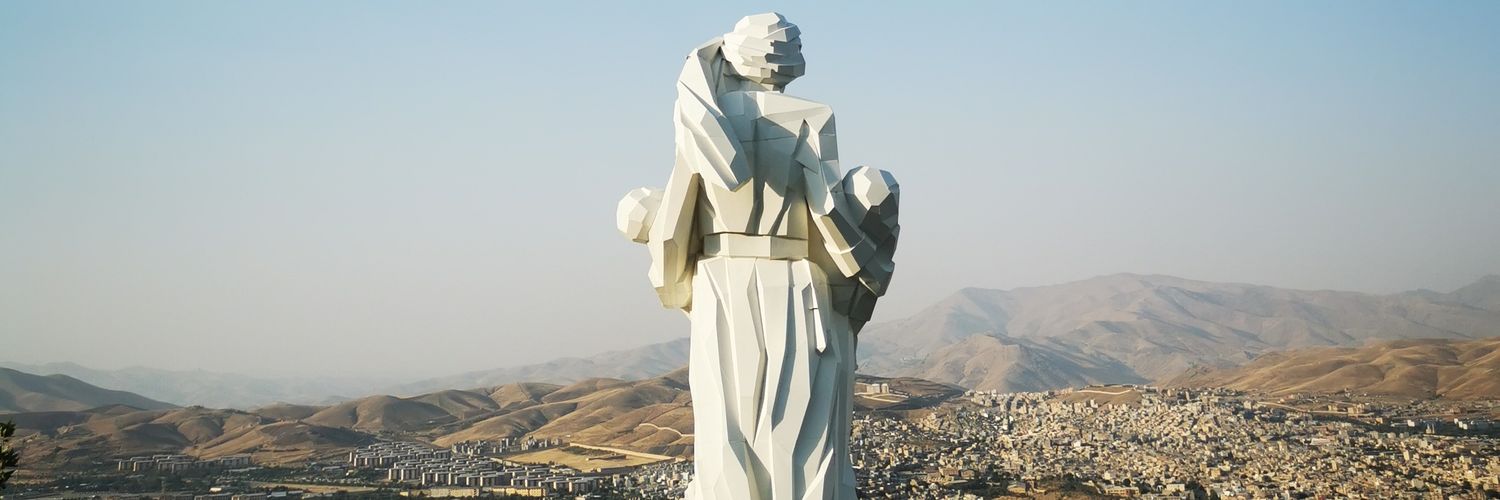
#Helium is a small-volume gas, but it plays a critical role across the high-tech value chain. #Disruptions in helium supply, due to #Hormuz disruption, can have major consequences for the future of AI, and potentially for the broader global economy.
Helium is a small gas with large strategic consequences.
In a new piece (with @Omiddadd) for Global Policy, we explain how disruption around the Strait of Hormuz could affect semiconductors, medical imaging, and high-tech supply chains.
https://t.co/aDOjxXJvdU
#Hormuz#Helium
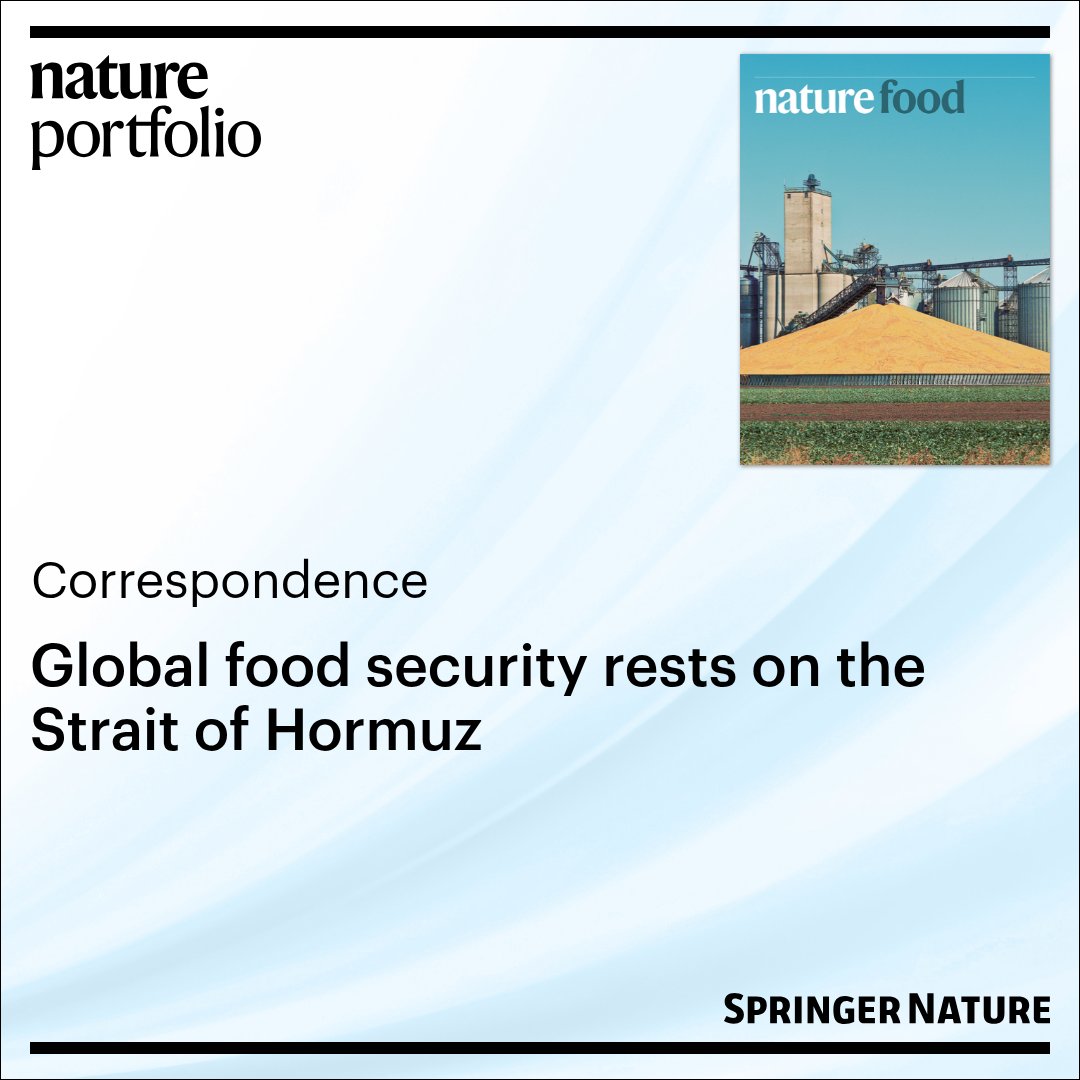
After a month, my paper is finally out. The timing is striking: everyone is now talking about the #StraitofHormuz and its implications for #foodsecurity. We highlight this link through the lens of nitrogen #fertilizer, where short-term supply disruptions can quickly affect yields
🚨New in Nature Food (@NatureFoodJnl):
We show that nitrogen fertilizer supply chains are a critical vulnerability in global food system, with Strait of Hormuz as a key chokepoint.
👉https://t.co/N6izj4amyp
@Omiddadd@HIAS_Hamburg@IIASAVienna#Iran#Persian_Gulf #strait_of_hormuz
NEW: Our in-depth investigation finds that US has violated international humanitarian law by failing to take all feasible precautions to avoid civilian harm. US is responsible for the deadly attack on a school in #Minab packed full of children.
US authorities must ensure that their investigation is transparent, thorough, and that the results are made public. https://t.co/L89oJOfK0N
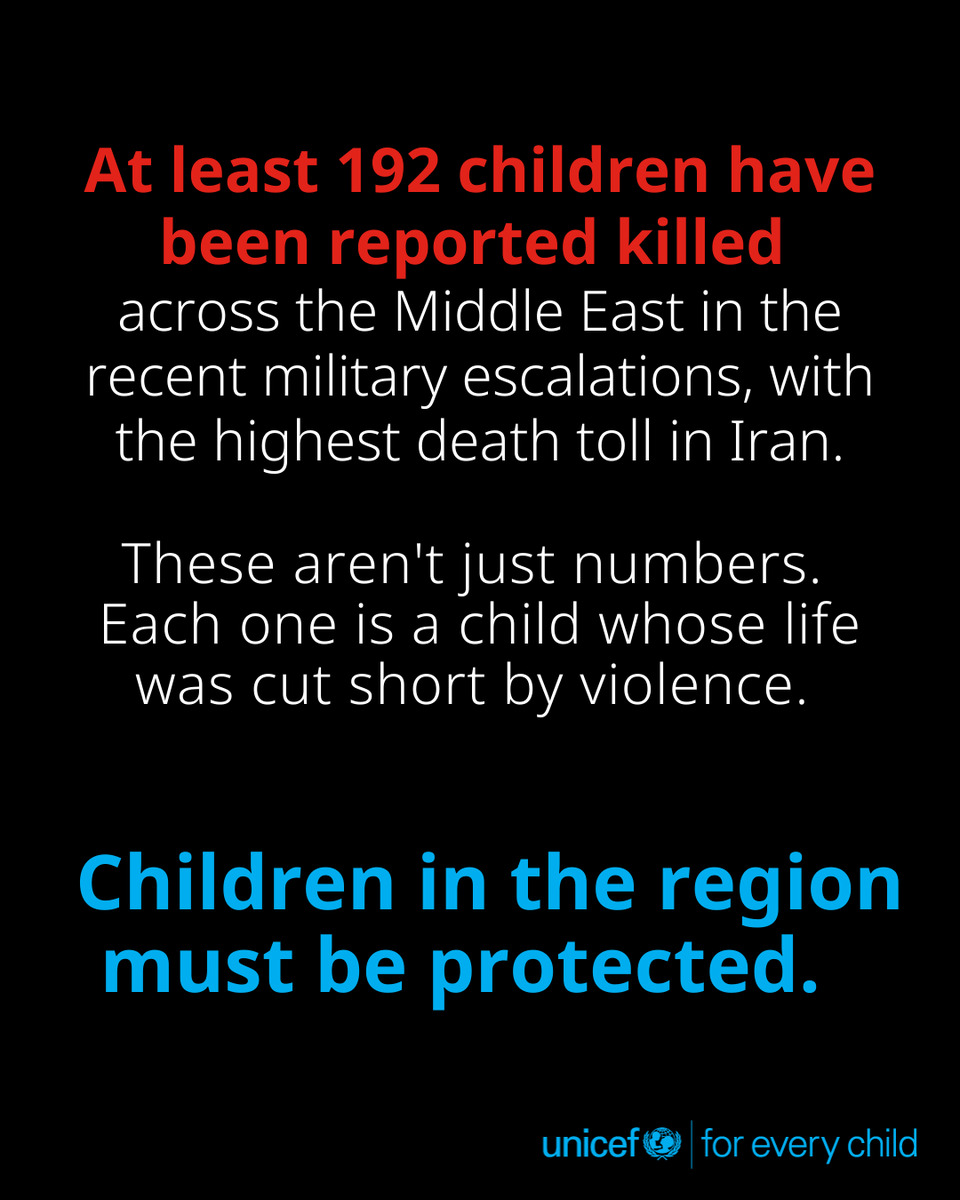
Children do not start wars, but they pay an unacceptably high price.
The military escalation across the Middle East has already had a devastating impact on children.
Over 190 children have been reported killed in the region since the weekend’s military escalations. This includes 181 children in Iran, seven in Lebanon, three in Israel, and one child in Kuwait.
Children in the region must be protected.
Our findings suggest that, overall, the #EUDR is unlikely to have a substantial impact outside the EU.
If you’re interested in the analysis, you can read the full paper here: https://t.co/kSygYS8yZZ
In our latest publication, co-authored with Janine Pelikan, we simulate the potential effects of the EU Deforestation Regulation (EUDR).
Although the policy has not yet been implemented, it has already attracted significant attention both within and beyond the EU.
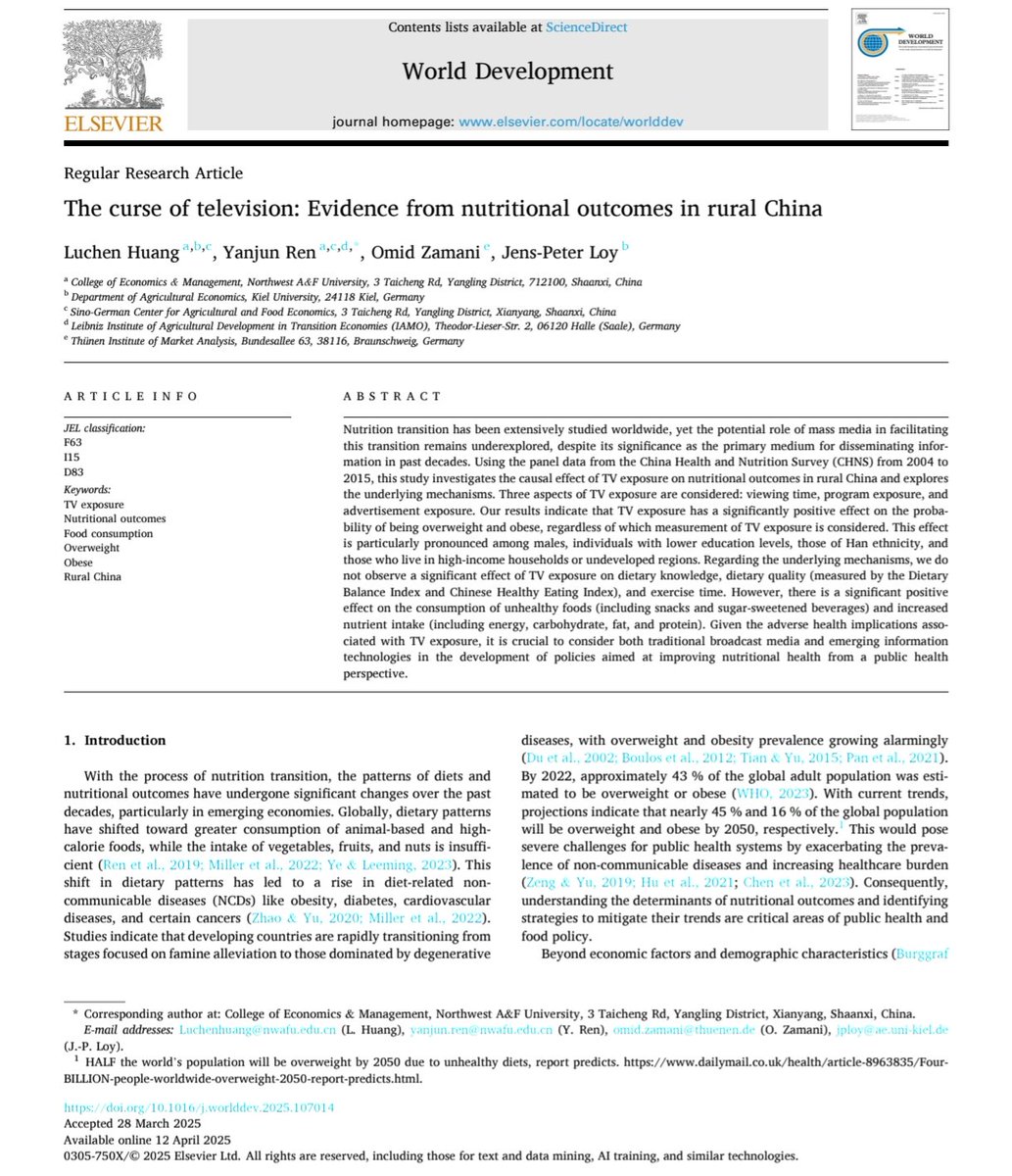
Our latest paper in World Development, co-authored with Luchen Huang, Yanjun Ren, and Jens Peter Loy, explores how access to information and television exposure influences nutritional intake in China.
#China#foodpolicy
The findings highlight the powerful role of broadcast media and information technologies in shaping food choices—and how they can be leveraged to design more effective nutrition policies.
Excited to share insights that connect media access with public health outcomes.
Our latest paper in Agricultural and
Food Economics explores the complex balance between trade liberalization, food security, and agricultural development. We dive into the challenges and opportunities that come with opening markets while ensuring sustainable food systems.
Excited to announce that our timely analysis, conducted with a fantastic team including Thomas Bittmann & @dlortega on the impact of the US #HPAIoutbreak on livestock price premiums is now available online. Our findings have implications for business owners and
policymakers. Specifically, our study shows that;
· Egg prices were more significantly affected than those of broilers and turkeys.
· The #HPAIoutbreak resulted in a narrowing of the price gap between conventional and premium products including #organicproducts.
that while people often misrepresent themselves in various interactions, their internet searches reveal their true intentions. For those curious about our findings, our open-access paper is available via the following link. #Research#AgriculturalEconomics#Internet#GoogleSearch
In our latest publication in the Journal of Agricultural Economics, my colleagues, Thomas Bittmann, Jens-Peter Loy, and I explored the impact of Internet and online searches around food prices on the food market functioning and price dynamics.
By examining the concept through the lens of search intensity theories, we found interesting patterns and potential implications. The initial idea was inspired by @SethS_D's book, "Everybody Lies: What the Internet Can Tell Us About Who We Really Are." He suggests