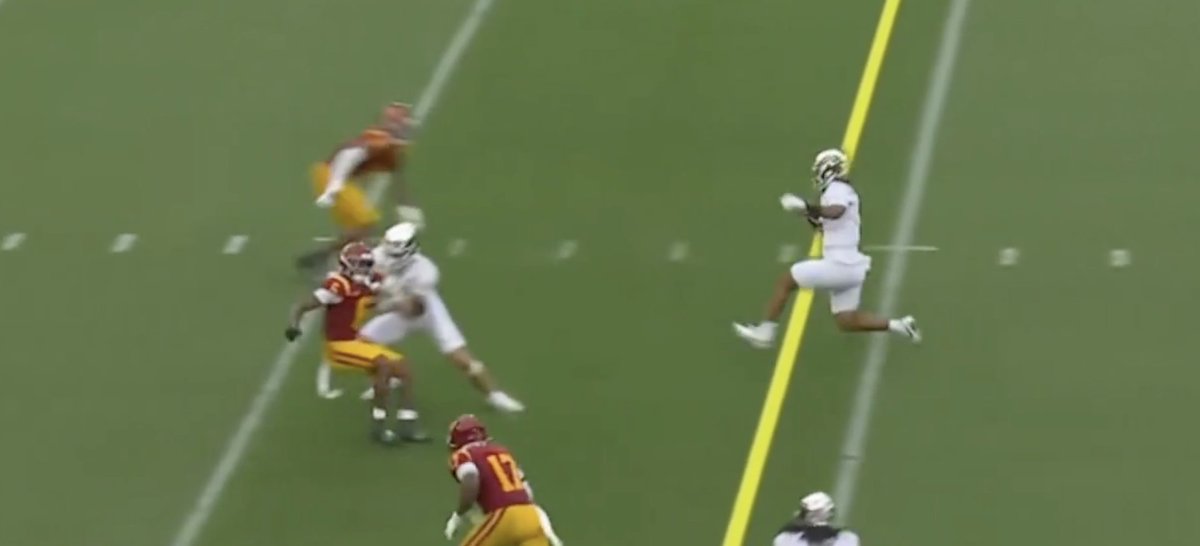
There are a lot of times when a QB slides that a defender is caught in no man's land because they can't defy time and space, but Desman Stephens is standing, shoulders square when Moore is already in his slide. He lowered and went in anyway.
Your statement treats a bookkeeping distinction as if it were a law of physics. It isn’t. Businesses do not price in two hermetically sealed worlds—“real costs now” versus “taxes later.” They price to hit a required after-tax return. When that required return rises, whether because supplies got more expensive or because the government takes a bigger slice of whatever is left, the biz has the same toolkit: raise prices, squeeze suppliers, cut volume, reduce investment, or accept a lower return. Overwhelming- businesses choose to raise prices.
A profit tax is not “after the fact” in any economically meaningful sense. Mgmt forecasts taxable income, models effective rates, and builds the expected tax into the hurdle rate before setting list prices. Investors & owners demand a competitive after-tax yield. If the tax rate jumps, pre-tax margins have to expand or capital leaves. Capital leaving reduces supply. Reduced supply raises prices. That is the same channel that transmits a tariff.
Thanks, ill keep running my business successfully. And looks like you need to take that Econ class again 🫡
If you watched the entire segment, the debate was about democrats wanting to raise the corporate income tax rate which is a good idea they said, and tariffs being a tax on consumers is a bad idea. Scott was arguing that if you raise corporate income taxes, that will be passed on to the consumer just like tariffs do. And that is 100% accurate. There’s a plethora of taxes that businesses pay, and whether it’s a tariff or a tax, it’s irrelevant- they all get passed to the consumer.
@Return_Of_RB@Return_Of_RB We were bad today yup 100%. But our season is still in our hands. Lots of shit to clean up. Check back in after week 4 bosco. #ryder