BREASTMILK
She thought she was studying milk.
What she uncovered was a conversation.
In 2008, evolutionary anthropologist Katie Hinde was working in a primate research lab in California, analyzing breast milk from rhesus macaque mothers. She had hundreds of samples and thousands of data points. Everything looked ordinary—until one pattern refused to go away.
Mothers raising sons produced milk richer in fat and protein.
Mothers raising daughters produced a larger volume with different nutrient balances.
It was consistent. Repeatable. And deeply uncomfortable for the scientific consensus.
Colleagues suggested error. Noise. Statistical coincidence.
But Katie trusted the data.
And the data pointed to a radical idea.
Milk is not just nutrition.
It is information.
For decades, biology treated breast milk as simple fuel. Calories in. Growth out. But if milk were only calories, why would it change depending on the sex of the baby?
Katie kept digging.
Across more than 250 mothers and over 700 sampling events, the story grew more complex. Younger, first-time mothers produced milk with fewer calories but significantly higher levels of cortisol—the stress hormone.
The babies who drank it grew faster.
They were also more alert, more cautious, more anxious.
Milk wasn’t just building bodies.
It was shaping behavior.
Then came the discovery that changed everything.
When a baby nurses, microscopic amounts of saliva flow back into the breast. That saliva carries biological signals about the infant’s immune system. If the baby is getting sick, the mother’s body detects it.
Within hours, the milk changes.
White blood cells surge.
Macrophages multiply.
Targeted antibodies appear.
When the baby recovers, the milk returns to baseline.
This was not coincidence.
It was call and response.
A biological dialogue refined over millions of years. Invisible—until someone thought to listen.
As Katie reviewed existing research, she noticed something unsettling. There were twice as many scientific studies on erectile dysfunction as on breast milk composition.
The first food every human consumes.
The substance that shaped our species.
Largely ignored.
So she did something bold.
She launched a blog with a deliberately provocative name: Mammals Suck Milk.
It exploded. Over a million readers in its first year. Parents. Doctors. Scientists. People asking questions research had skipped.
The discoveries kept coming.
Milk changes by time of day.
Foremilk differs from hindmilk.
Human milk contains over 200 oligosaccharides babies can’t digest—because they exist to feed beneficial gut bacteria.
Every mother’s milk is biologically unique.
In 2017, Katie brought this work to a TED stage. In 2020, it reached a global audience through Netflix’s Babies. Today, at Arizona State University’s Comparative Lactation Lab, she continues reshaping how medicine understands infant development, neonatal care, formula design, and public health.
The implications are staggering.
Milk has been evolving for more than 200 million years—longer than dinosaurs walked the Earth. What we once dismissed as simple nourishment is one of the most sophisticated communication systems biology has ever produced.
Katie Hinde didn’t just study milk.
She revealed that nourishment is intelligence.
A living, responsive system shaping who we become before we ever speak.
All because one scientist refused to accept that half the story was “measurement error.”
Sometimes the biggest revolutions begin by listening to what everyone else ignores.
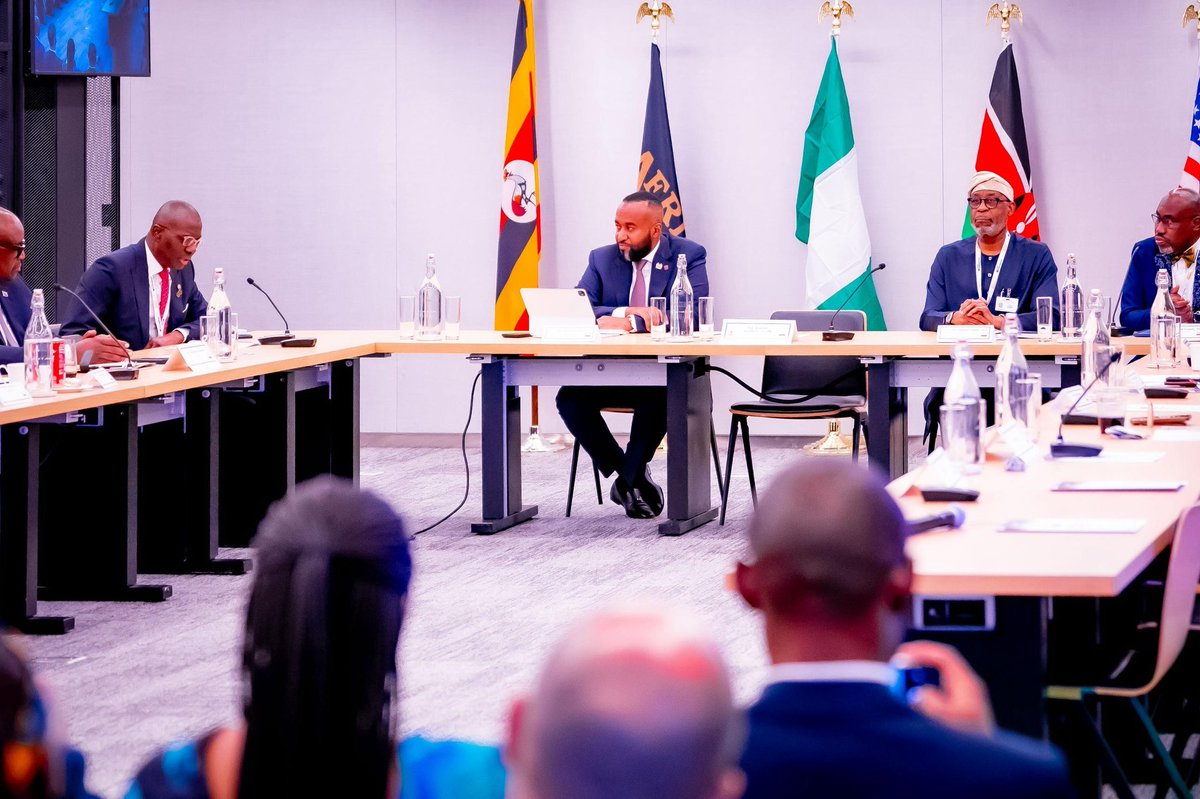
Together with H.E. Vice President Kashim Shettima, I co-chaired the Second African Mineral Strategy Group Roundtable in New York during UNGA. Our discussions centered on how Africa can move from being a supplier of raw minerals to a creator of real value.
We reflected on four urgent priorities: adding value through local processing and manufacturing, protecting our data sovereignty with AMREC and PARC, mobilizing Africa-led investments, and securing our vast deposits of critical minerals for the future.
These conversations are vital to ensure our resources work for our people by creating jobs, building technology, and forging partnerships that respect Africa’s rightful place in the global economy.
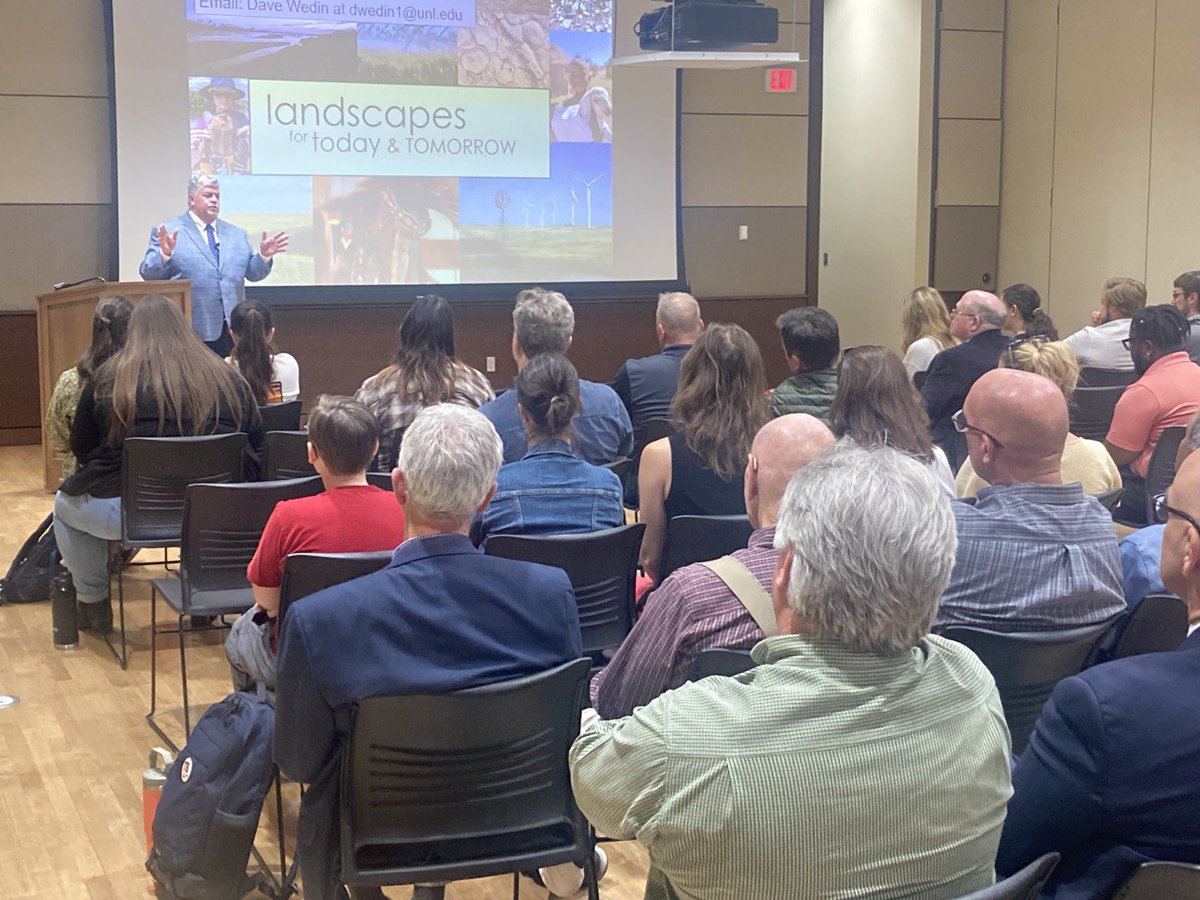
"I encourage any student to tactfully explore classes in other fields if it interests them; you never know if there might be a connection." Great advice from Alex Gordon Stotz, a @UNLarchitecture graduate who has spent his career working on sets such as “Barbie,” “The Lord of the Rings: The Rings of Power” & many more. https://t.co/caFq768JLr
@ARISEtv@channelstv@AIT_Online
A political soln can be reached like @TonyeCole1 said.
Let’s act swiftly and save the nation from senseless mayhem that’ll disrupt this fragile democracy, scare away investors and reverse any gains we’ve accrued in Port Harcourt.
Dr. Dawes has been a cultural ambassador and a global leader who uses the power of words to illuminate the human experience and expand access to literary excellence. This is a well-deserved honor, and I am certain that his tenure as Poet Laureate of Jamaica will be outstanding.
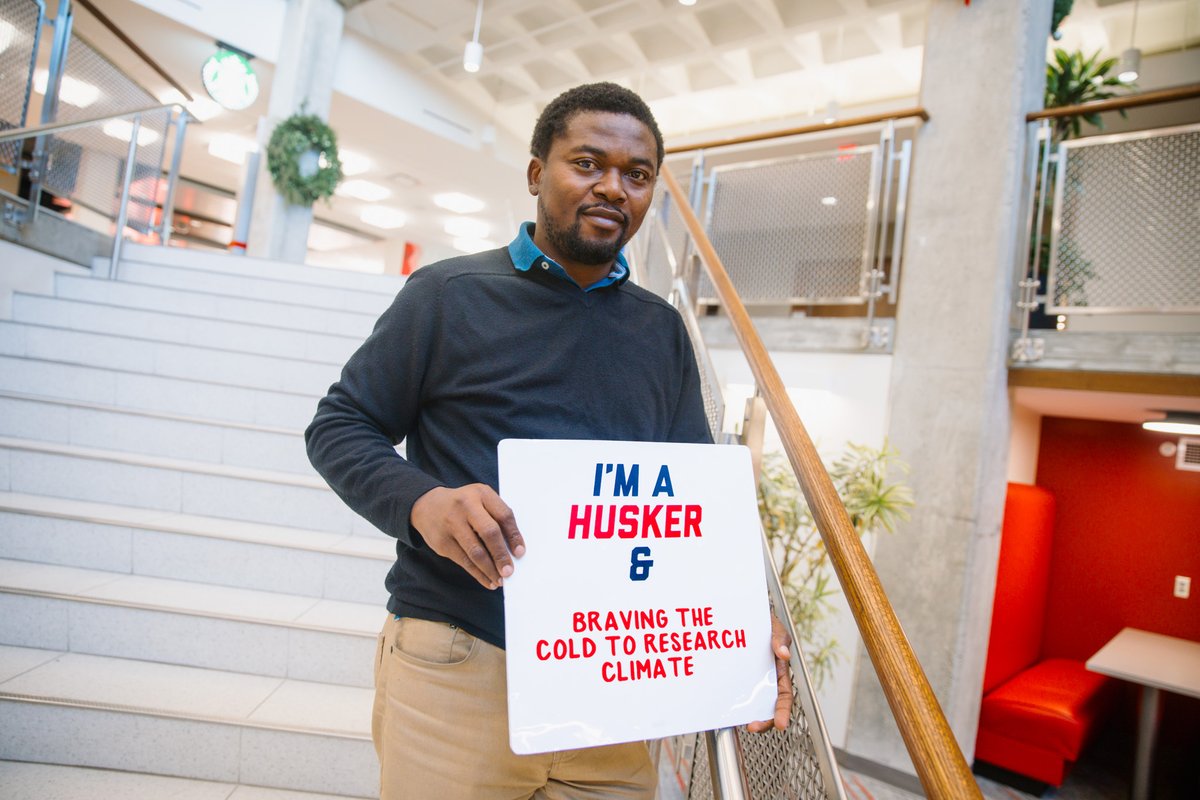
Jerome isn't necessarily used to the cold of a Nebraska winter. But the community he's found here has been anything but. “Everyone I’ve been working with is exactly how my wife described — warm and welcoming.”
Read about his work to cut down on damage and suffering from climate-related disasters ›› https://t.co/OBUq2ZMre8
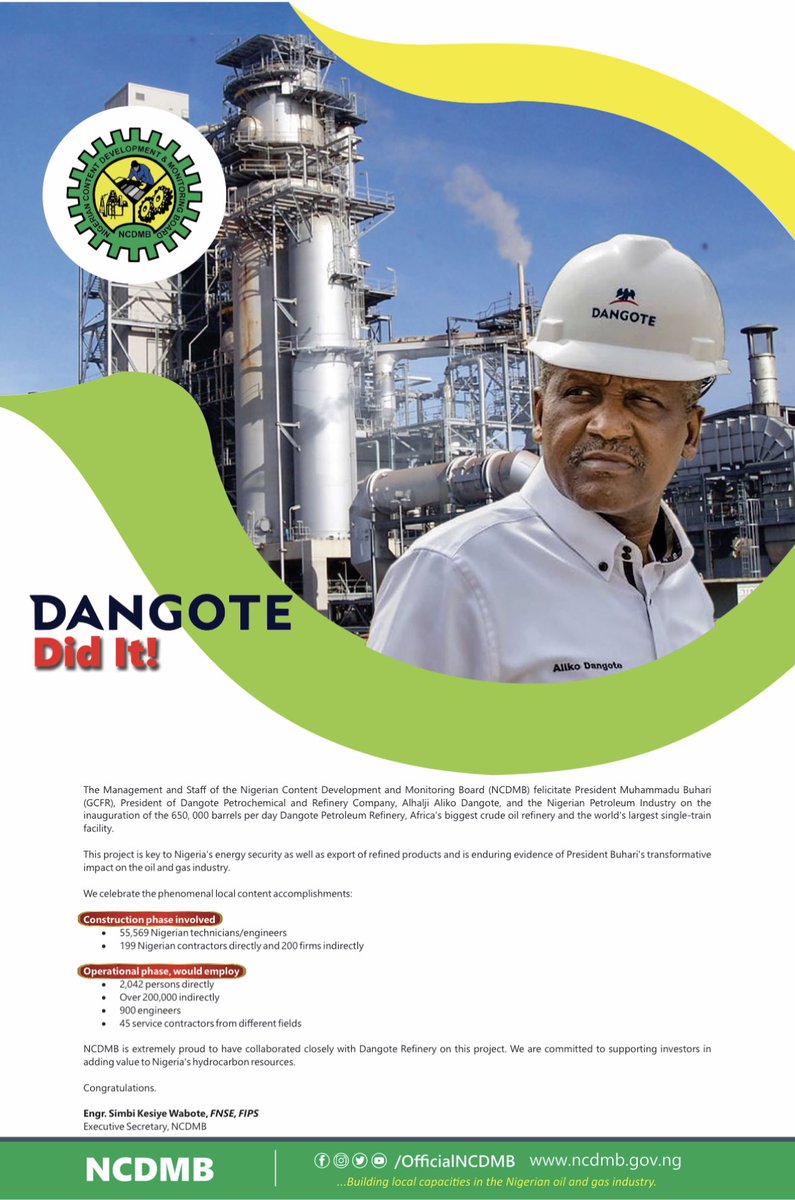
The Management and Staff of #NCDMB felicitate with President @MBuhari (GCFR), President of Dangote Petrochemical and Refinery Company, Alhalji Aliko Dangote, and the Nigerian Petroleum Industry on the inauguration of the 650, 000 barrels per day Dangote Petroleum Refinery.
My latest in @CanGeo is on paleoclimatology, and what the fossils below our feet might tell us about the atmosphere above our heads. https://t.co/5qLCMcgaUh #climatechange#fossils 1/3
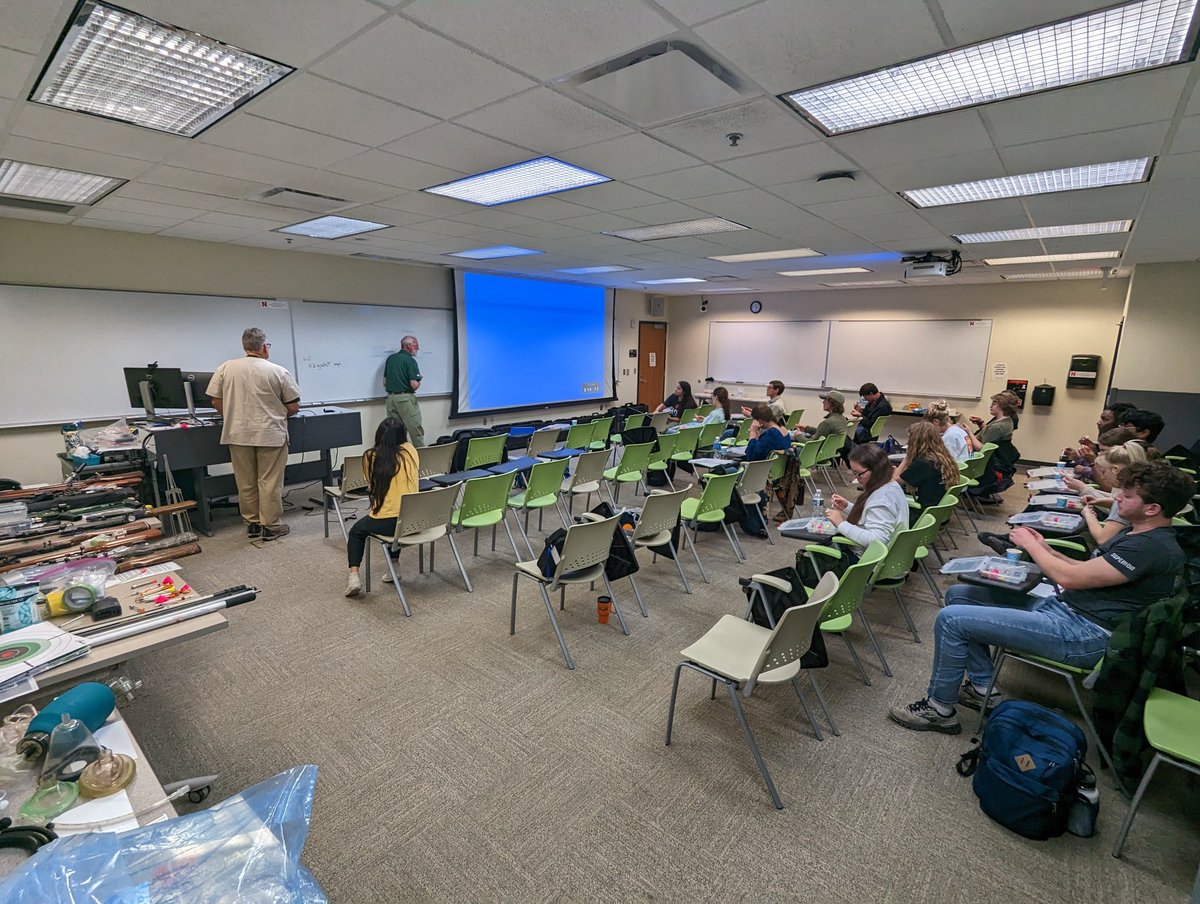
This weekend several of our @UNLSNR students and @NEGameandParks staff are participating in a Safe Capture course for training on chemical immobilization of animals. Thanks to our partner and instructors from @sandiegozoo !