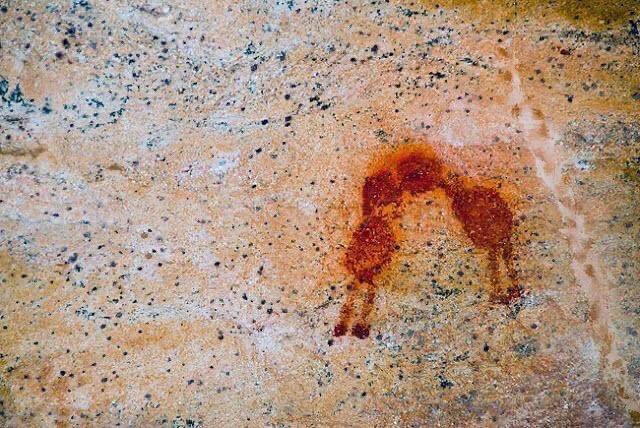
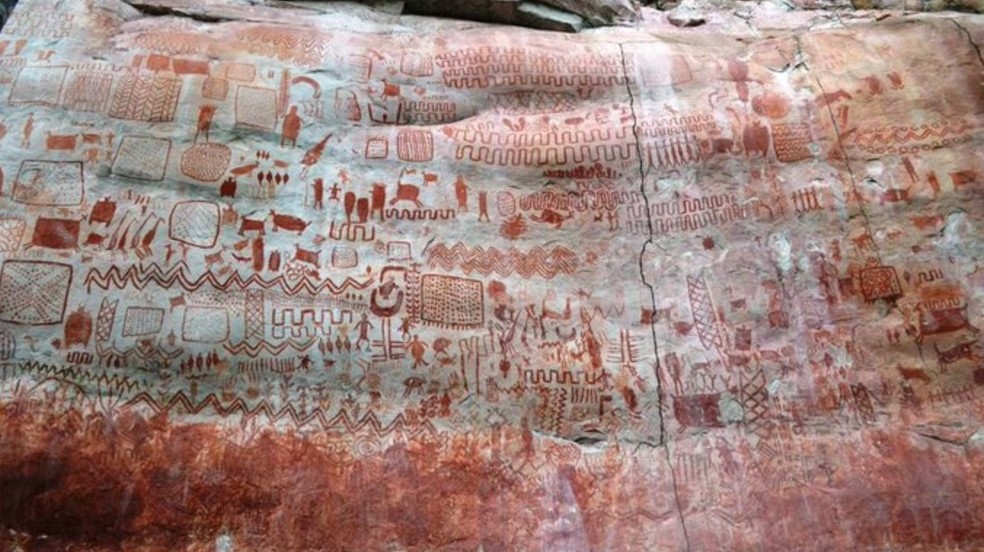
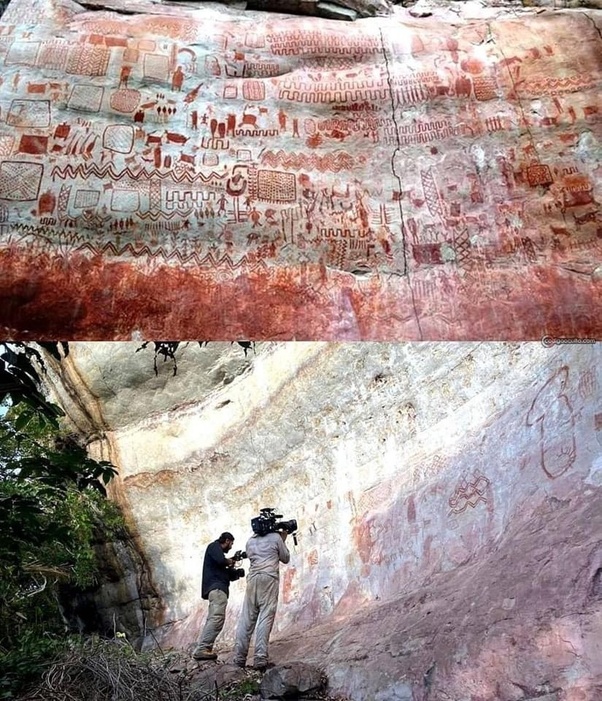
1- ESCANDALO ÍNTIMO? SAUNA 269? Ou, a nossa imaginação? A maior quantidade de Pinturas rupestres do mundo se localizam na Serra da Capivara-Pi. Décadas de pesquisas da arqueóloga Niéde Guidon revelam um pouco da origem do homem americano...🧶
Um dos pontos extremamente relevantes para compreender o que está acontecendo nos debates da categoria docente nas universidades federais é a enorme assimetria de reajustes entre as diferentes denominações da carreira docente. Vou tentar explicar brevemente. 🧵
Síntesis de evidencia: Directrices para el diagnóstico y el tratamiento del dengue, el chikunguña y el zika en la Región de las Américas
https://t.co/zjaeWWhWkT
Pessoal, as inscrições para o curso "Inteligência Artificial como Ferramenta para o Desenvolvimento de Pesquisas Acadêmicas", oferecido pela Escola de Métodos do @SejaIDP , estão abertas até domingo. O curso é online e gratuito e garante certificado.
No 1º comentário, o link.
A ciência e as universidades não estão no orçamento do Estado brasileiro. Enquanto isso não mudar, de pouco adianta o resto. Ninguém vai conseguir promover reformas profundas num sistema complexo sem investimentos importantes, não existe milagre.
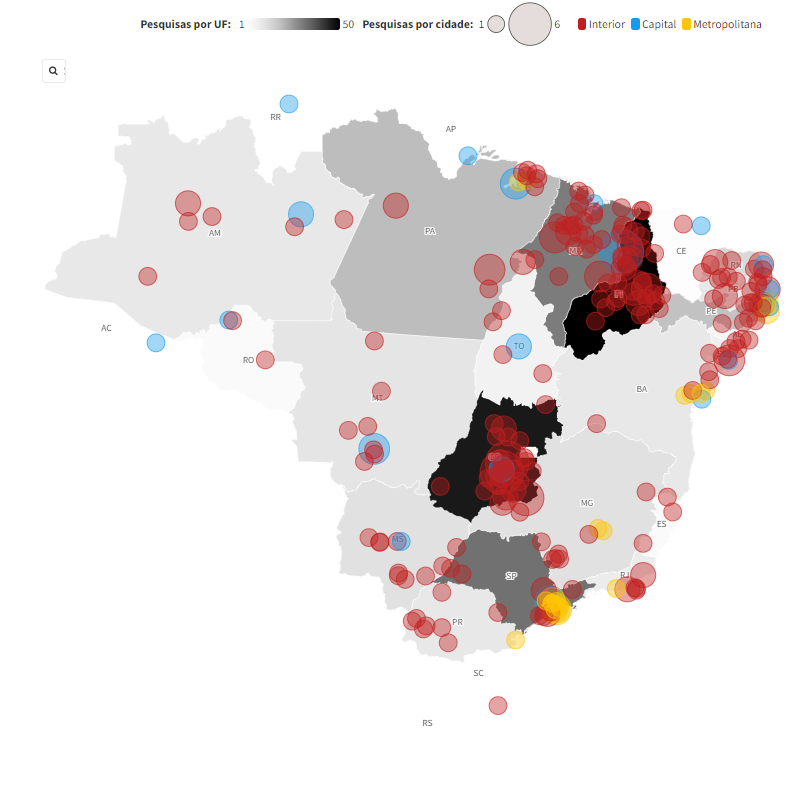
Está de volta o projeto Eleição Analítica, com análises dos dados das pesquisas registradas para as eleições 2024. Municípios de GO e PI já registraram até 50 pesquisas ao todo; os do RS, ainda nenhuma.
Veja tudo em https://t.co/Og8thfzwJR
Hoje, compartilho uma dica interessante para abordar as tradições indígenas e a preservação ambiental com as crianças.
O Laboratório de Pesquisa Linguagens em Tradução (Leetra), da Universidade Federal de São Carlos (UFSCar), lançou um jogo digital para contribuir com o processo de alfabetização e letramento, a partir dessa temática.
O game chama “Kawã na Terra dos Indígenas Maraguá” e apresenta elementos culturais do povo Maraguá, que vive no Baixo Amazonas (AM). O roteiro retrata dois rituais de transição da infância para a vida adulta que são vivenciados pelo protagonista Kawã. A iniciativa é voltada para alunos e professores da educação infantil e ensino fundamental I.
O jogo está disponível para download no link https://t.co/8btJyj15K0.
📷: Hugo Cestari
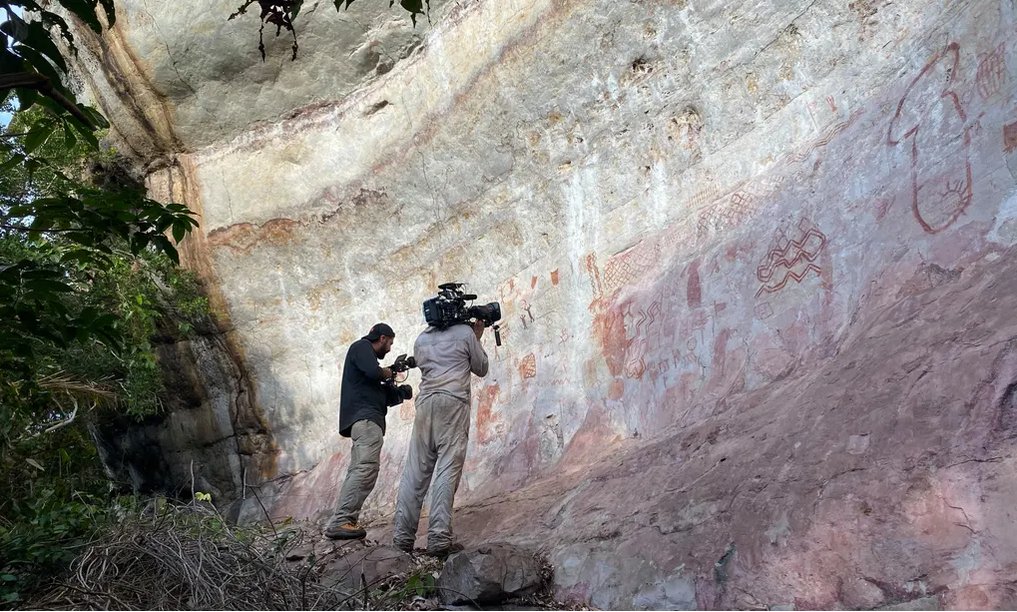
In 1991, a groundbreaking discovery was made by archaeologists in a remote area of Brazil. They uncovered an extensive collection of ancient rock art that stretched over 8 miles in the Serra da Capivara mountains. Using carbon dating techniques, the researchers determined that these drawings were created approximately 12,600 years ago, providing a valuable glimpse into life during the late Pleistocene era in South America.
The artworks featured depictions of various animals that were prominent during the last ice age, including giant ground sloths and mastodons. This evidence suggested that the environment at that time was significantly different from the modern Amazon rainforest, and it was populated by now-extinct megafauna. The use of natural pigments such as hematite and manganese hinted at an early artistic tradition among the indigenous populations.
By examining recurring themes and imagery in the rock art, scientists gained fresh insights into the culture of the people from the Pleistocene era. Scenes of hunting and ceremonial representations indicated the presence of spiritual rituals and social organization within these ancient communities. Over time, the rock art site became a crucial location for researchers striving to reconstruct the paleoenvironmental conditions and the way of life of hunter-gatherer societies during the late Quaternary period.
In 1991, archaeologists made an unprecedented discovery in a remote region of Brazil - a massive collection of prehistoric rock art spanning over 8 miles within the Serra da Capivara mountains. Carbon dating revealed the drawings dated back approximately 12,600 years, offering a unique window into the late Pleistocene era in South America.
The etchings depicted various fauna prominent during the last ice age, such as giant ground sloths and mastodons. This provided evidence that the environment was much different than the modern Amazon rainforest, dominated by now-extinct megafauna. The natural pigments used - hematite and manganese - indicated an early artistic tradition among the indigenous populations.
Through analyzing recurring motifs and imagery, scientists gained new cultural insights. Hunting scenes and ceremonial depictions suggested spiritual rituals and social organization within the Pleistocene communities. Over time, the art cave became an important site for researchers seeking to reconstruct paleoenvironmental conditions and hunter-gatherer lifeways during the late Quaternary period.