$OOLAY is live on https://t.co/cyk9Xyw052.
Oolay is a launchpad where you describe what your coin should do in plain language and it actually does it. Automatically, on-chain.
One line. It runs itself.
CA : HMrygMUrChj3w2sQHEet3xG1aFUaiuosWBHiytiNpump
Before: launch a coin, then spend every day manually sending airdrops and praying holders stay.
After: write the rule once, it pays holders on schedule, forever, while you sleep.
That is the whole pitch.
We built Oolay because number go up got boring.
Coins should do something. Reward the people holding them, respond to the market, run without a human pulling levers.
This is the version of memecoins that actually works.
You do not need to be a dev to launch one.
Open https://t.co/YQjPf85zHO, describe your idea in one line, let Volt build it, launch on @Pumpfun
Minutes, not months. No Rust, no Solidity, no team.
Every rule an Oolay coin runs is visible before you buy.
You can read exactly what a coin will do, the airdrops, the burns, the buybacks, right on its page.
No hidden functions. Read the rules, then decide.
A memecoin should not be a static image and a prayer.
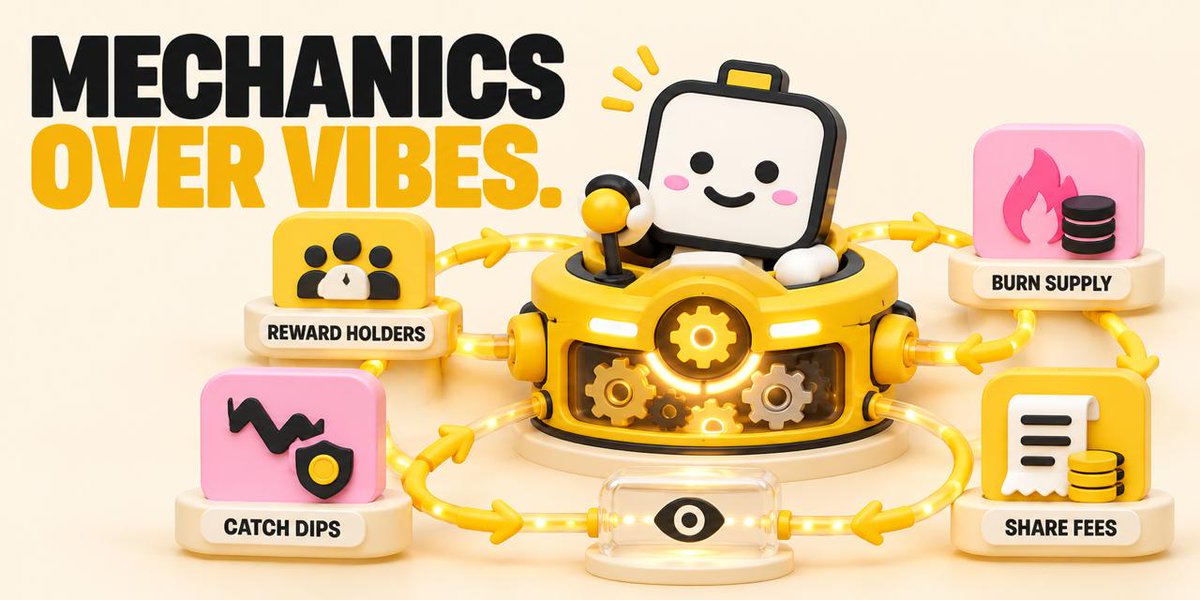
Oolay makes coins that act. Reward holders, burn supply, share fees, catch dips, all automatic and all visible on-chain.
Mechanics over vibes.
Meet Volt, the AI that turns your sentence into a working coin.
You say buy back and burn when volume hits 10 SOL.
Volt builds the rules, shows you exactly what they do, and launches it.
You stay in control. Volt does the wiring.
ow Oolay works.
Type what you want, like every hour airdrop 10 percent of fees to the top 20 holders.
Volt turns it into rules.
You launch on https://t.co/cyk9Xyw052.
It runs on its own. No code.
Most coins launch and then nothing happens. They sit there waiting for a dev to maybe do something someday.
Oolay coins run themselves. Airdrops, burns, buybacks, fee sharing, written once and executed automatically.
No babysitting, no trust me.
It can be practical, unusual, or something nobody has tried before. Maybe you want a coin that reacts to trading activity. Maybe you have a completely different rule in mind.
Try writing your idea in one clear sentence. Then ask yourself: if someone else read it, would they understand exactly what the rule will do?
Those are the experiments we want to make easier with Oolay. What would your first rule be?
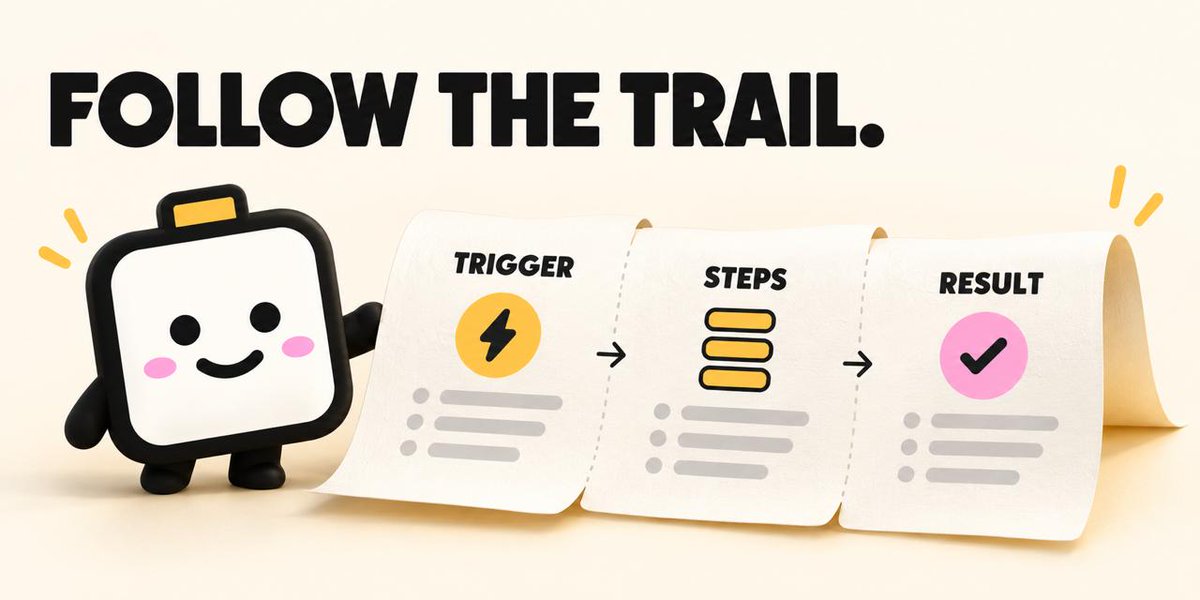
If a coin follows a rule, holders should be able to ask: what triggered it? Which steps ran? Did anything fail?
Oolay is designed to show that trail through a record of each run, called a *receipt*. The rules can be read, and the result of each run can be inspected.
For us, that clarity matters. A community should have more to go on than a creator’s explanation alone.
A rule can make sense when you read it but behave differently once events start triggering it.
That’s why the Oolay builder lets you run simulations with test balances. You can see the order of each step, find a condition that never triggers, or catch a number you forgot to change.
Testing doesn’t automatically make an idea good. It helps you understand what you’re creating.
“Reward holders” sounds appealing. But which holders? How much? How often? What happens if the vault doesn’t have enough funds?
Questions like these should be answered before launch. Oolay’s blocks make each choice visible, turning a broad idea into a specific rule that others can examine.
We’re building a place to test those decisions before asking anyone to trust them.
A name, ticker, and image can attract attention. The harder question is: what happens next?
We’re building Oolay to answer that question. Creators can define rules for a coin: which events trigger an action, which conditions must be met, and what action follows.
The goal is simple: from day one, people can read and discuss how a coin is meant to work.