Using an ATM in Thailand? Say "NO" to the currency conversion.
Thai ATMs charge a ฿250–350 fee per withdrawal. Then, the screen will offer to convert the charge into your home currency. Decline it. Always choose to be billed in Thai Baht so your bank sets the rate—not the ATM's inflated dynamic rates.
OMuse tracks your exchange rates in real time so you never overpay.
https://t.co/cGh8aORzQL
We built OMuse to tell you travel tips like these, and to fill in your Visit Japan Web arrival details from your Vault before you land.
(It pauses for your approval before submitting.)
https://t.co/TqXQj1mXkX
Your phone dies at the gate in Japan.
Your Suica, entry QR codes and arrival codes die with it.
The fix is a physical IC card, screenshots of your codes, and Visit Japan Web done before you land. Here's the checklist 🧵
The Singapore arrival card is free. A wrong answer isn't.
Submit it in the 3 days before you arrive. A false health declaration can be prosecuted.
OMuse fills in as much information as it can from your passport in your Vault, then pauses so you confirm answers to the health questions yourself.
https://t.co/mxZc5JlXGs
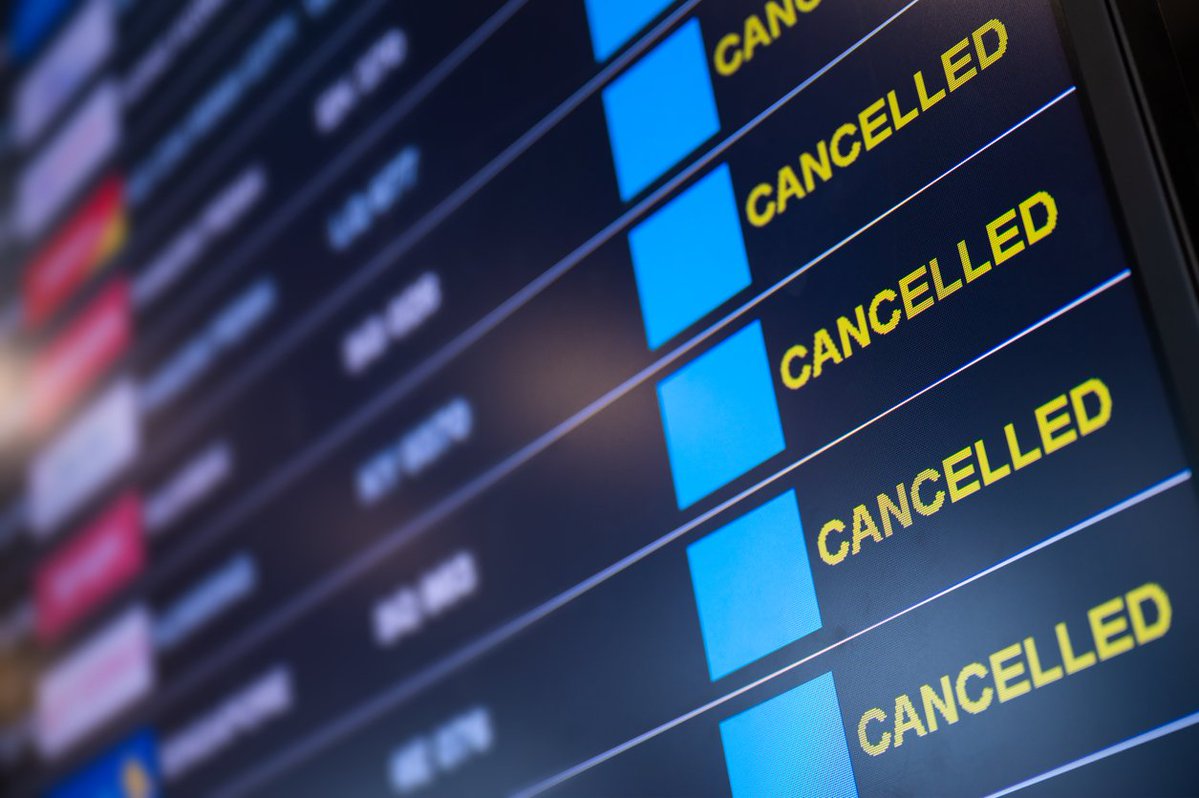
Your flight gets cancelled. The airline offers a voucher.
You may be owed cash instead.
If your flight to or from the US is cancelled, foreign airlines included, and you turn down the rebooking or voucher, the DOT says you get a cash refund to your original payment method.
That refund is due within 7 business days for card payments and 20 days otherwise.
This is why we built OMuse: it catches the cancellation, warns you before you accept a voucher, and drafts the refund request.
(Of course, it asks before submitting anything.)
https://t.co/KgsyLeEE2l
Haze season in Malaysia? Check the air quality before you plan your day.
Malaysia's official air-quality index, APIMS, shows live readings: https://t.co/XDoyIonErX
OMuse can track the numbers and immediately swap outdoor plans for indoor ones as needed.
Access more Asia travel tips: https://t.co/KgsyLeEE2l
Save these 3 numbers before you land in Thailand.
Ambulance: 1669
Police: 191
Tourist police: 1155
At 2 a.m. in an emergency, you won't want to be searching for them, or for an English-speaking hospital.
This is why we built OMuse: it puts these numbers, an English-speaking hospital, and your insurer's hotline on one virtual emergency card for Thailand.
(It's stored on your device, so it works without an internet connection.)
https://t.co/KgsyLeEE2l
Your flight to Singapore just got cancelled. Now what?
First 10 minutes: look at your rebooking options before you accept the first one the airline offers.
Then remember the part people forget. Your SG Arrival Card lists your old flight, and it has to be updated and re-submitted before arrival.
This is why we built OMuse: one bot tracks the disruption and lays out your booking options, then hands off to another that re-fills your arrival card with the new flight.
(Both wait for your one-tap approval.)
https://t.co/KgsyLeEE2l
This is why we built OMuse: it sets up Alipay and WeChat Pay before you land, using your passport and card from a vault on your own device, and runs a pre-trip checklist.
(It asks before every payment, even the test one.)
https://t.co/TqXQj1mpvp
Someone who's lived in China for 15 years says he couldn't go 24 hours there without his phone.
Cash and foreign cards barely work in daily life. Here's how to set up Alipay and WeChat Pay before you land 🧵
Source: https://t.co/W8hChkHwwZ
I've lived in China 🇨🇳 for nearly fifteen years, and I've reached a rather disturbing conclusion.
I'm not entirely sure I could survive twenty-four hours here without my mobile phone.
Not because I'm addicted to social media. Because China has made the smartphone an almost indispensable part of everyday life.
Take shopping. I hardly ever carry cash. I pay for practically everything using WeChat or Alipay. Supermarkets. Coffee shops. Restaurants. Even the little old lady selling vegetables beside the road has a QR code.
Want a taxi? Open DiDi. Want to order food? Open Meituan. Need to find somewhere? Open a map. Can't understand what somebody is saying? Open a translation app.
Even getting into my university involves technology. The gates use facial recognition, although fortunately my ageing face still seems to be recognisable.
Then there's the train. I can book a ticket on my phone, choose my seat and travel across China without ever needing a paper ticket.
It's extraordinary. And wonderfully convenient.
Until you start thinking about what happens when the phone stops working.
Imagine you're out shopping. Your battery is almost dead. You want to get home, but you can't book a DiDi. You want to buy something to eat, but you can't pay. You can't even telephone your wife to come and rescue you.
Of course, cash still works in China. Shops are supposed to accept it. But that isn't much consolation when you haven't brought any.
I actually have a wallet containing two 100 RMB notes. Emergency money. The trouble is that the wallet usually lives in a drawer beside my bed.
Very useful in an emergency. Provided the emergency happens in my bedroom.
And here's the strange thing. When I first arrived in China in 2011, I managed perfectly well without all these apps. I carried cash, hailed taxis in the street and occasionally got hopelessly lost.
Fifteen years later, China has made almost everything easier.
But I sometimes wonder whether we've exchanged a little independence for all that convenience.
So here's a question for people living in China, and perhaps elsewhere too.
Could you manage twenty-four hours of ordinary life without your smartphone?
And I don't mean sitting at home watching television. I mean going out, shopping, travelling, eating and getting home again.
I'm beginning to think I should try it.
Although perhaps I'll take my wallet.
Know the limits for foreign cards:
¥6,000 per payment, ¥50,000 per month and ¥60,000 per year.
Any single payment over ¥200 carries a 3% fee.
Keep a backup card or a second app ready in case a payment fails.
Japan just changed tax-free shopping, and your receipts now matter.
Since Nov 1 you pay the tax at the store and get it back only after customs confirms your goods when you leave. It only counts for ¥5,000 or more, before tax, at one store in one day.
We built OMuse to keep those receipts in order. Its bots read your receipt photos and booking emails, convert yen to dollars, split the costs by person, and flag every store where you spent ¥5,000 or more in a day.
It all stays on your device.
One tip: get the customs check done before you check your bags, because the goods have to be with you.
https://t.co/KgsyLeEE2l