Amid continued discussion about ensuring public access to scientific research, the Science family of journals and @AAAS are pleased to announce an expansion of our 2-decades-long support for green open access—by which authors can achieve public access with no charge. (THREAD) 🧵
Springer Nature’s SharedIt feature: https://t.co/NfjczJRWth
Finally, here are some resources for OA’ing your own research:
Data? FigShare! https://t.co/ePmoHT5QSv
Code-based? GitHub! https://t.co/wfTEJSSTNQ
Less code-focused? CodeOcean! https://t.co/PCOFl8Zc5f
We had so many excellent questions for Magdalena that led to brilliant discussions, we thought it best to put them in a separate thread! Here they are, as promised, with some useful resources too!
Resources:
OA pioneers, BMC: https://t.co/La81NozkLf
Distinguishing green vs gold models of OA:
https://t.co/nuVBgBm3KF
Magdalena introduced Research4Life, an institution advocating for lower income countries to access peer-reviewed content for free! https://t.co/TgOiB00PKN
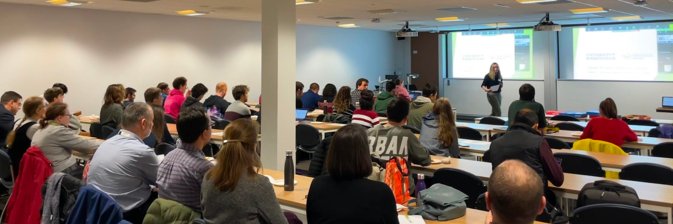
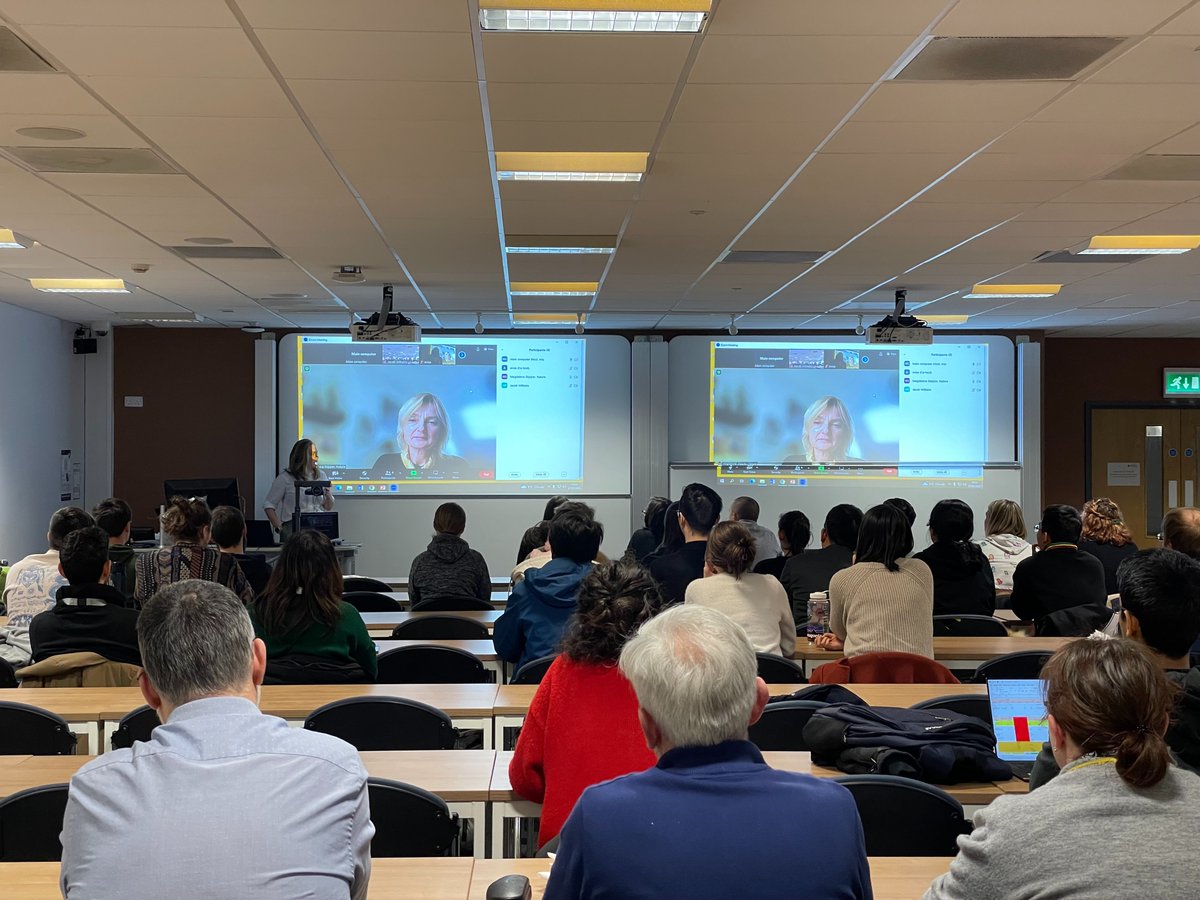
Dr Magdalena Skipper, Editor-in-Chief of #NatureJournal, attended the Open Access (OA) Seminar Series.
We discussed lots of interesting points and had so many questions and resources that they deserve their own thread. First, buckle up for a recap of the session itself!
The main drawbacks of OA have been related to researchers paying publishing costs out of pocket, and the emergence of predatory journals which charge the researcher without providing services such as peer review. Overall though, OA has been widely welcomed.