Nobel Laureate Prof. Sir Konstantin Novoselov joins hands with LOHUM as Chief Scientist of our new incubation & engineering platform for advanced materials.
#AdvancedMaterials#ViksitBharat
Launching Junction: come speed-run the semiconductor tech tree this December in Bangalore.
We’re flying in students from all over India 🇮🇳 to a 2-week fabrication retreat at @_lagrangepoint to build equipment, design chips and engineer processes, with our friends at @hackerfabindia.
India still needs thousands of semicon engineers -- the ecosystem to produce them isn’t mature enough yet -- we're changing that.
Current applicants have built vacuum chambers to study plasma physics, RISC-V processors from scratch, scanning tunneling microscopes, et cetera
At junction you will:
1. Propose a project
2. Figure out a plan with the Junction team.
3. Iterate fast towards a working prototype, with help from the Junction team
4. Be mentored by top semiconductor hackers and specialists.
5. Demo to industry leaders, founders, investors, and your fellow craftspeople
Flights, accommodation and project expenses? All covered. Apply on the link below
Japan plans to begin developing an underwater-launched hypersonic missile, potentially giving Tokyo a more survivable and harder-to-detect long-range strike option
India has always had the talent. Now, we scale the infra. Announcing our $28.5Mn Series B investment from @AvataarVC, @peakxvpartners and existing investors.
Here's to contributing to the mission of making India a superpower via industrialisation. Make in India, for the world!
Unitree Unveils: GD01, A Manned Transformable Mecha, from $650,000 👏
The world's first production-ready manned mecha. It can transform. It's a civilian vehicle. It weighs ~500kg with you inside.
Please everyone be sure to use the robot in a Friendly and Safe manner.
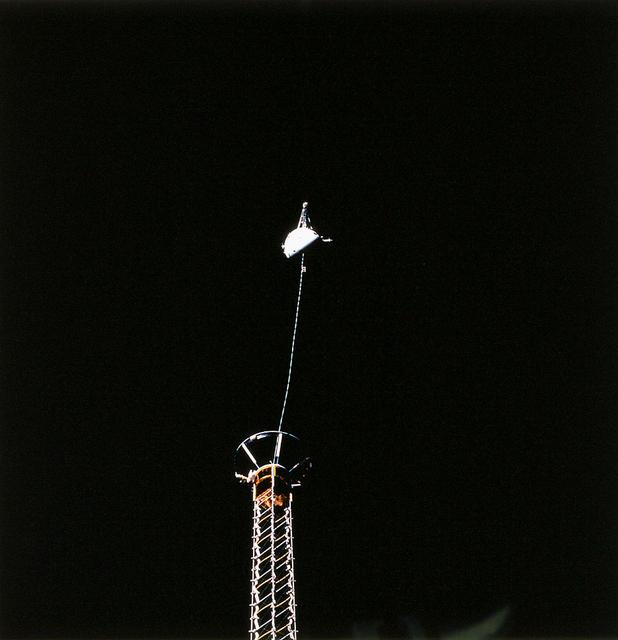
You're orbiting Earth at 17,000 mph.
No propellant. Batteries dying. How do you deorbit?
You unspool 20 km of wire.
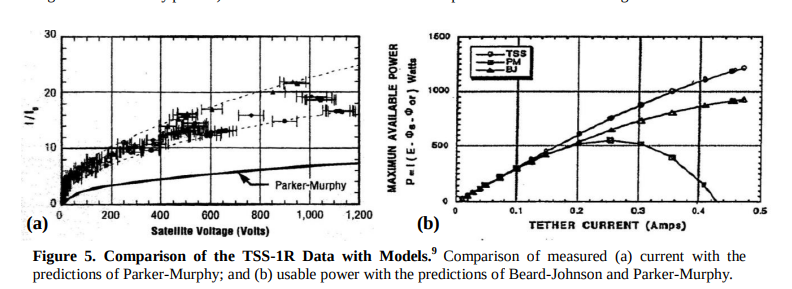
It cuts through Earth's magnetic field; the ionosphere closes the circuit. ~3.4 kV at ~1 A comes out of the orbit itself.
Generator = brake.
The RF world is insane.
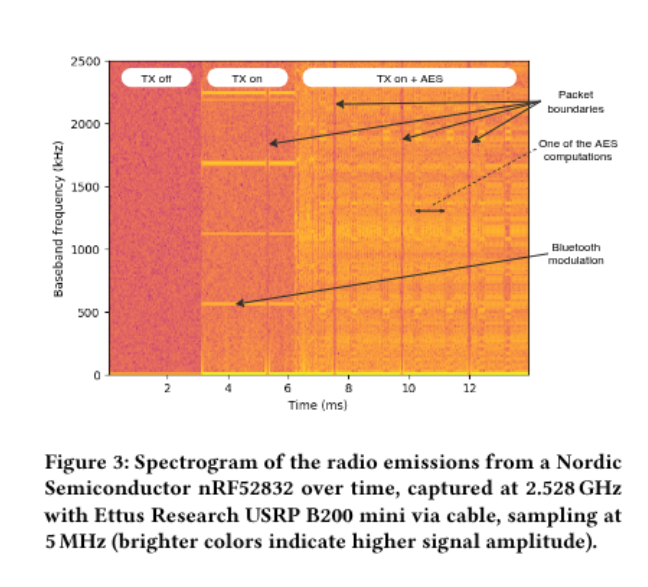
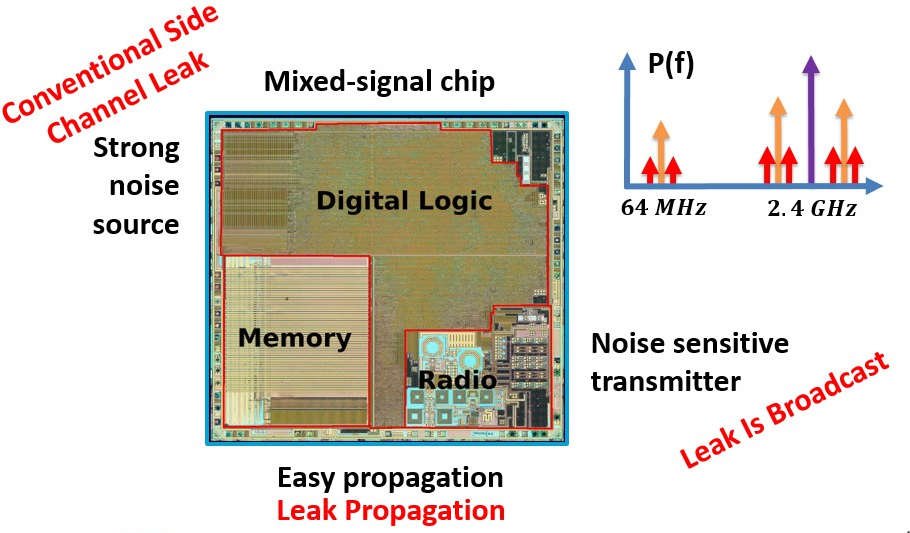
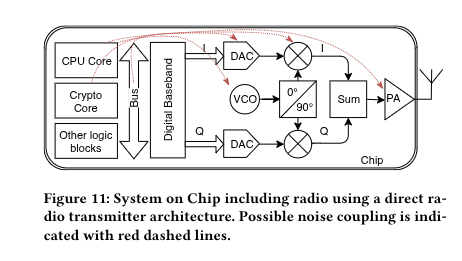
Researchers recovered AES-128 keys from a Bluetooth chip by listening to its own antenna from 10 meters away.
Crypto-engine switching noise couples into the RF chain, rides the 2.4 GHz carrier, and leaks out as radio.
Announcing Cofounder 2: Run an entire company with agents.
It's the infrastructure for the one person billion dollar company - orchestrating agents across engineering, sales, marketing, ops, and design.
(and yes that's my real grandma in the video)
Most founders treat grants like a lottery.
Winning teams treat them like a pipeline.
That’s how some Web3, AI, and fintech startups stack $1M+ in non-dilutive funding without giving up equity.
We broke down the exact playbook here 👇
https://t.co/KxL1nBBNGu
@XFounders_camp
I didn’t start my company NextLink Labs because I wanted to be a founder.
I started it because production kept falling over and no one could explain why.
At my last job, I was a solo developer on a critical system.
Servers were going down. The service was unstable. Customers were feeling it.
So I started digging.
What I found wasn’t a bad engineer or a bad decision.
It was something worse.
The application was running on extremely old servers, filled with things that had nothing to do with the service.
When I asked why we hadn’t migrated to the new servers we bought 18 months earlier, the answer stunned me:
“We bought them… but no one knows how to set them up.”
No documentation.
No CI/CD.
No infrastructure as code.
No one actually knew what was running in production, so no one felt confident touching it.
To make it harder, the servers were in Los Angeles.
I was in Pittsburgh.
I couldn’t even get hands-on to fix it myself.
That was the moment it clicked.
This wasn’t a one-off failure.
This was how a lot of companies operated.
I kept pushing for a better way.
More structure. More clarity. Systems that didn’t rely on tribal knowledge.
Eventually, I “wore out my welcome.”
My manager didn’t fire me, but he did say,
“Maybe you should do what you’re building on the side… full time.”
Once I landed one more client, I resigned within four weeks.
That was 11 years ago.
Here's the lesson I took with me:
Most outages aren’t caused by bad engineers.
They’re caused by undocumented systems and neglected foundations.
At NextLink Labs, everything we do comes back to that belief.
Build systems people understand.
Make infrastructure boring and predictable.
And design for execution, not heroics.
That’s how you scale without things constantly breaking.
In tomorrow’s wars, missiles follow metadata,
& victory belongs to those who control the signal, not just the steel.
https://t.co/jShEzizz4t
A page where PhantomCrow (my brother in dharma) and I write about how the battlefield is shifting.