We tried to make abstract convexity applicable and derive algorithms from it. Was a bit more messy than expected and some algorithms behave quite weird imo.
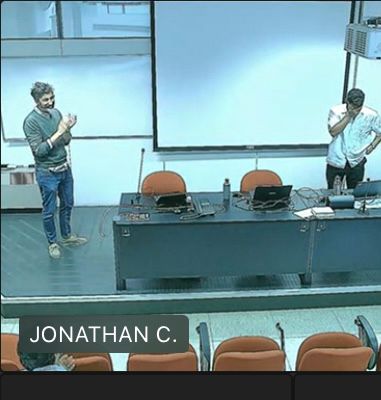
Last week, Jonathan Chirinos Rodriguez @jchirinosrguez successfully defended his PhD thesis titled #MachineLearning Techniques for #InverseProblems, under the supervision of Prof. Silvia Villa and Curzio Basso. Congrats Jonny and all the best!🥳
@MSCActions Doctoral networks are awesome! If you are interested in optimization or applied algebra and think about doing a PhD in math, apply!
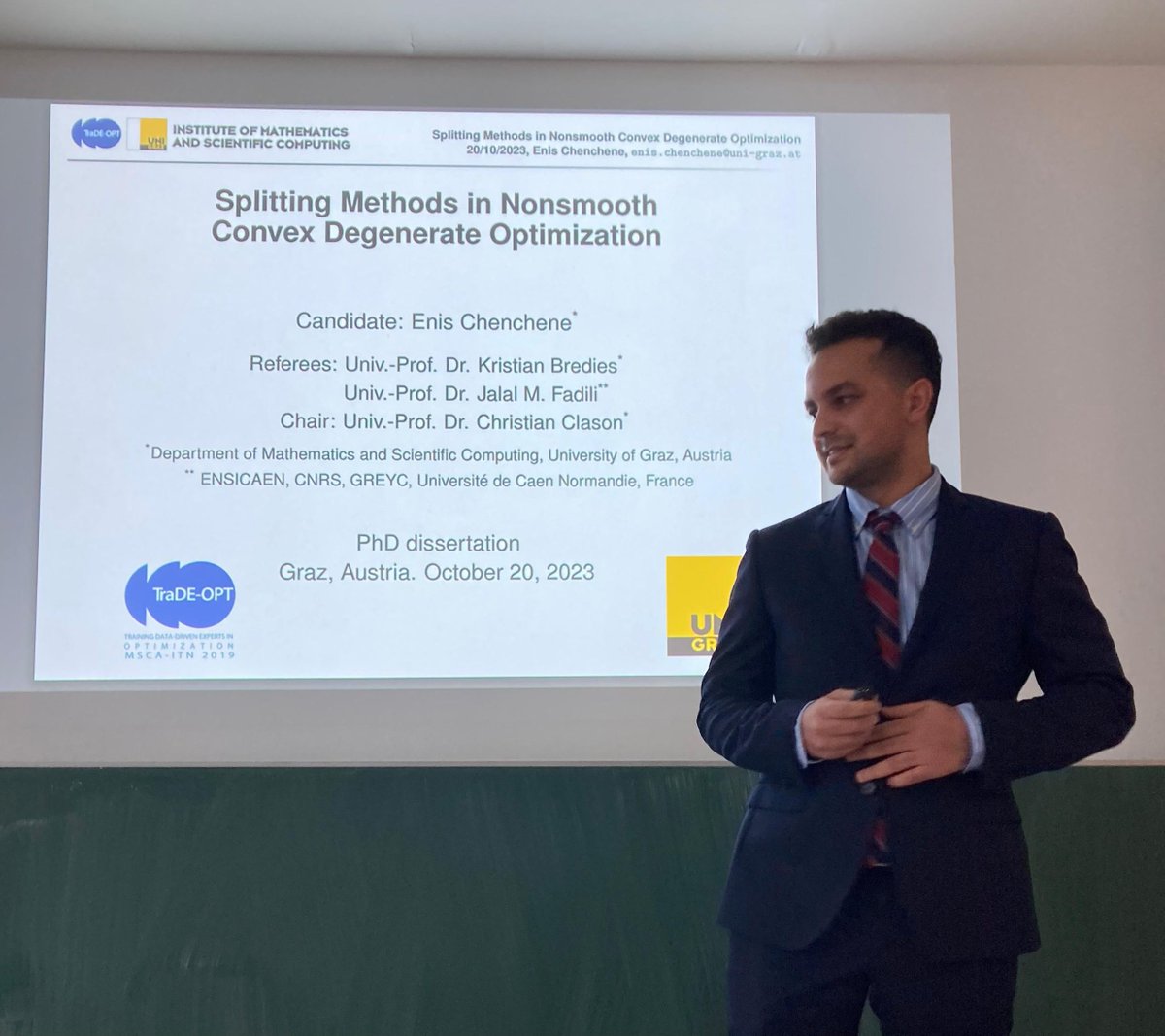
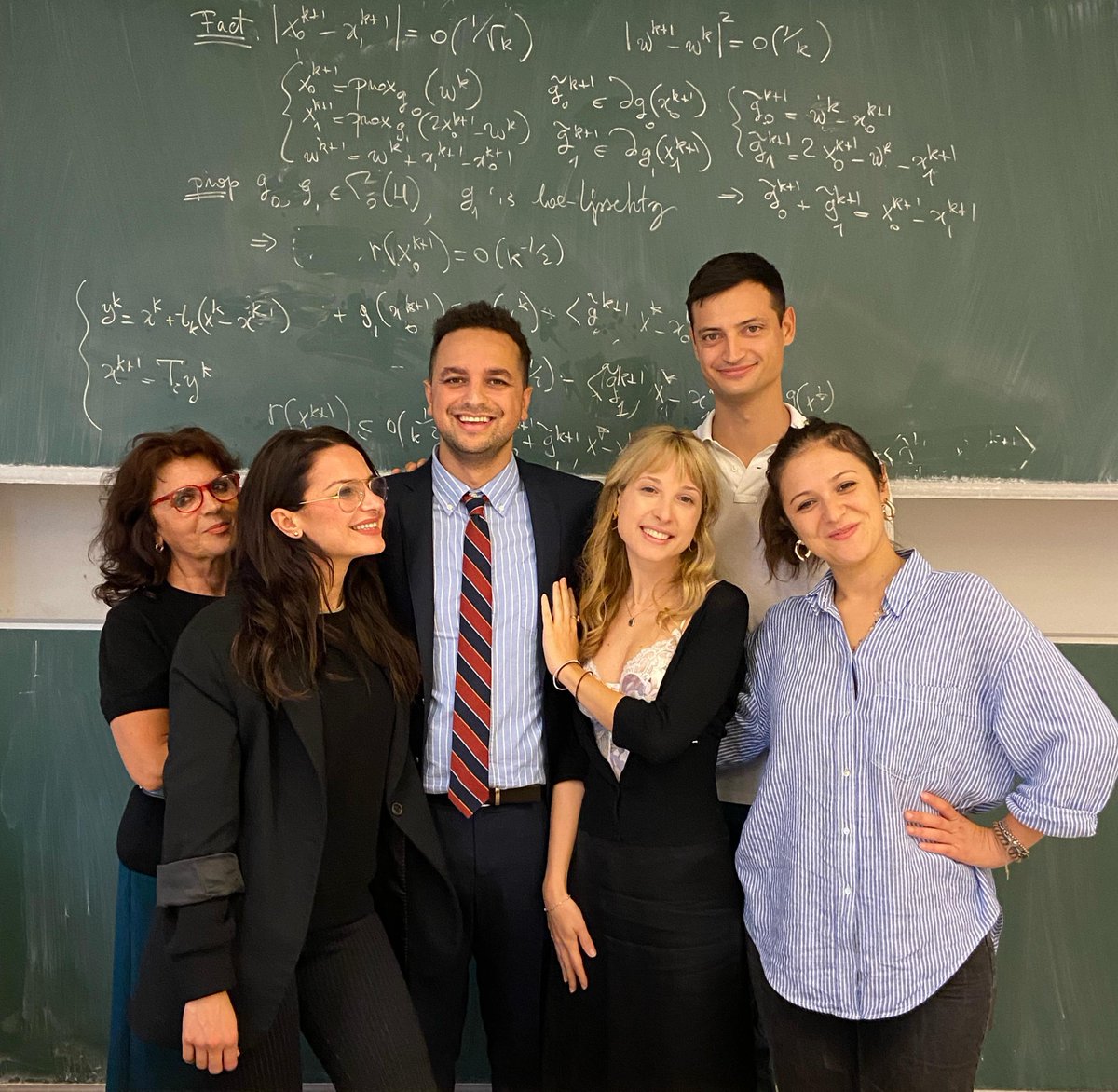
(@opt_trade is coming to an end and was loads of fun and cool math).
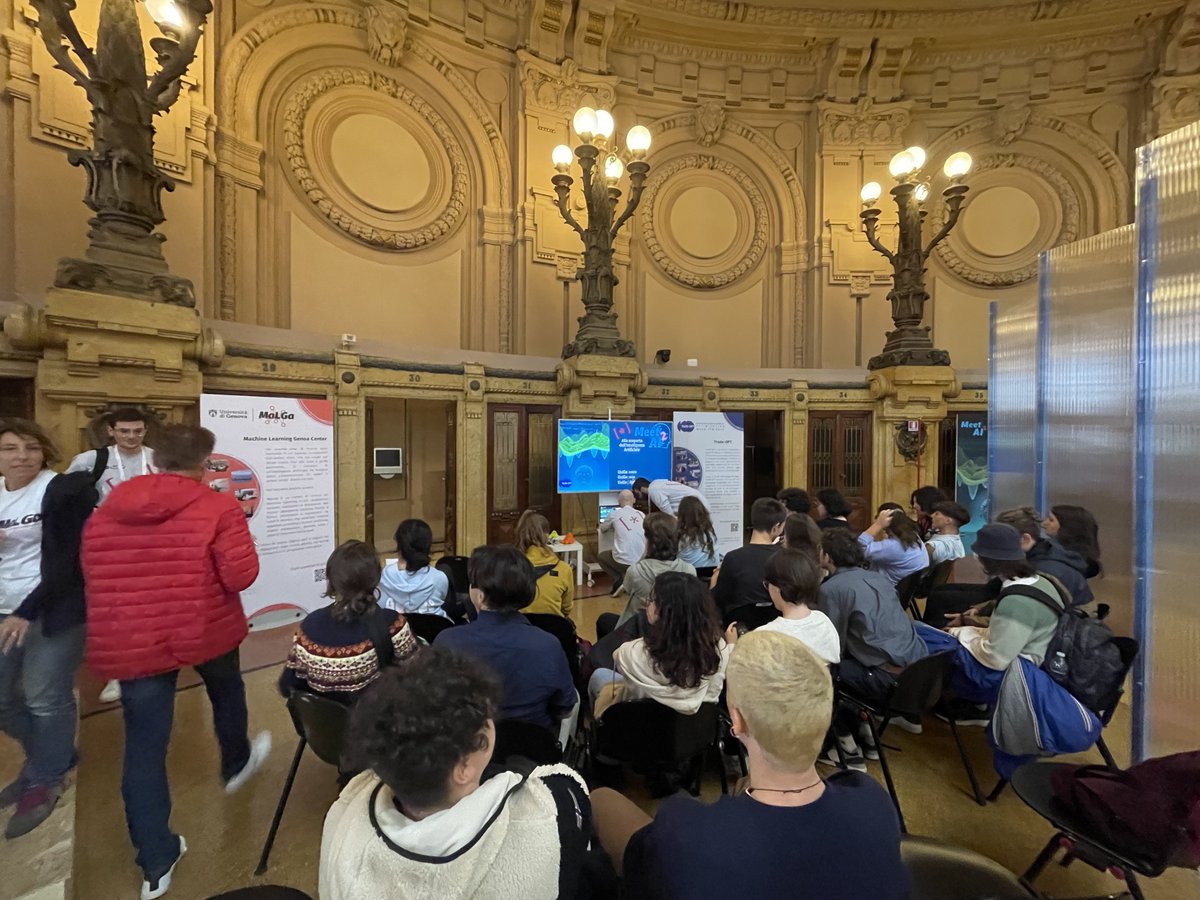
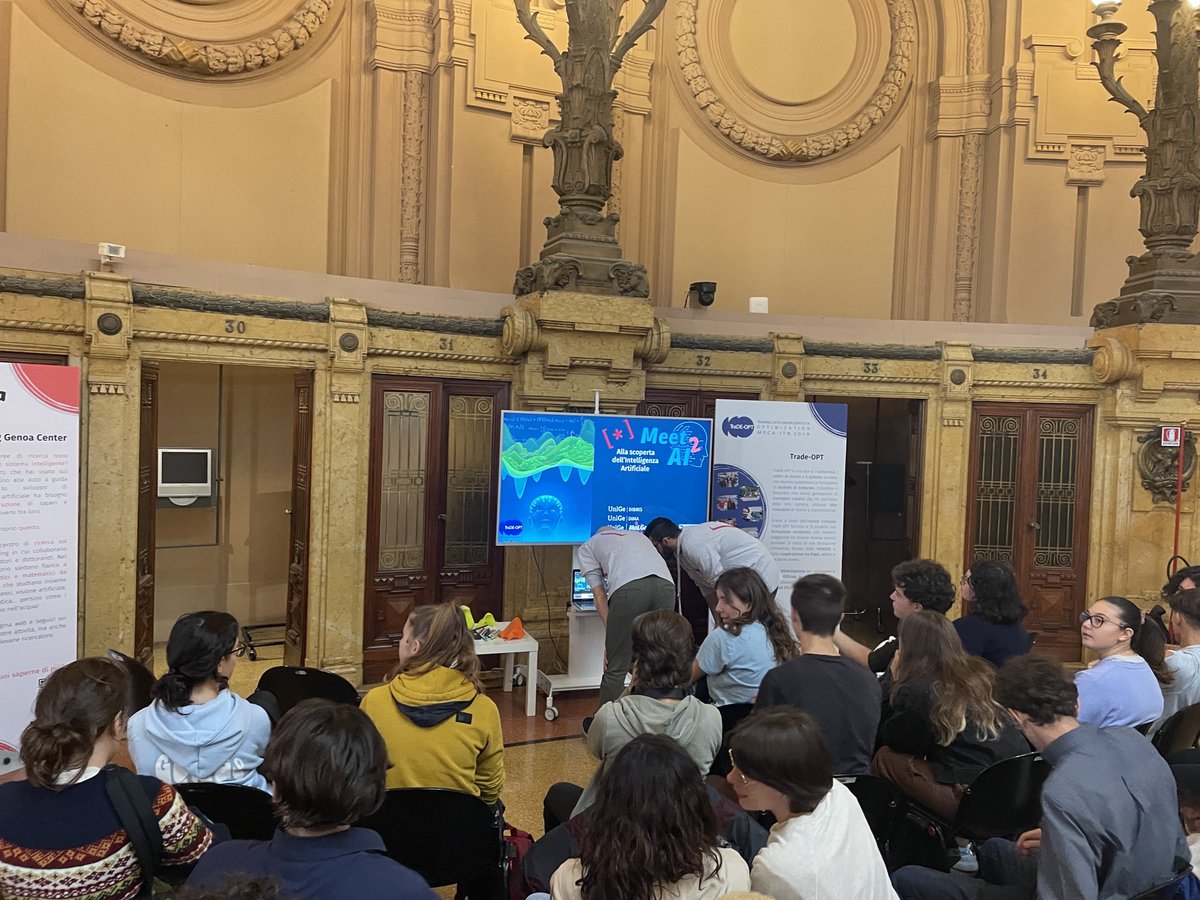
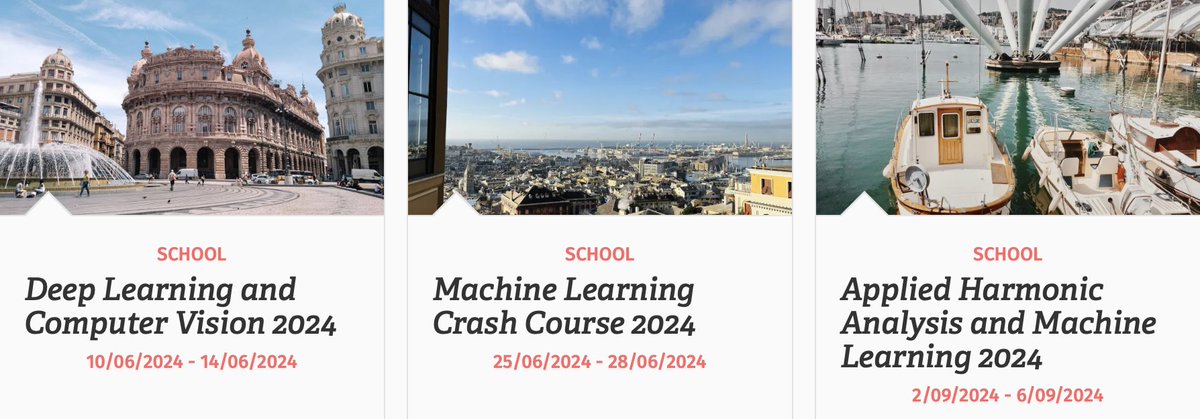
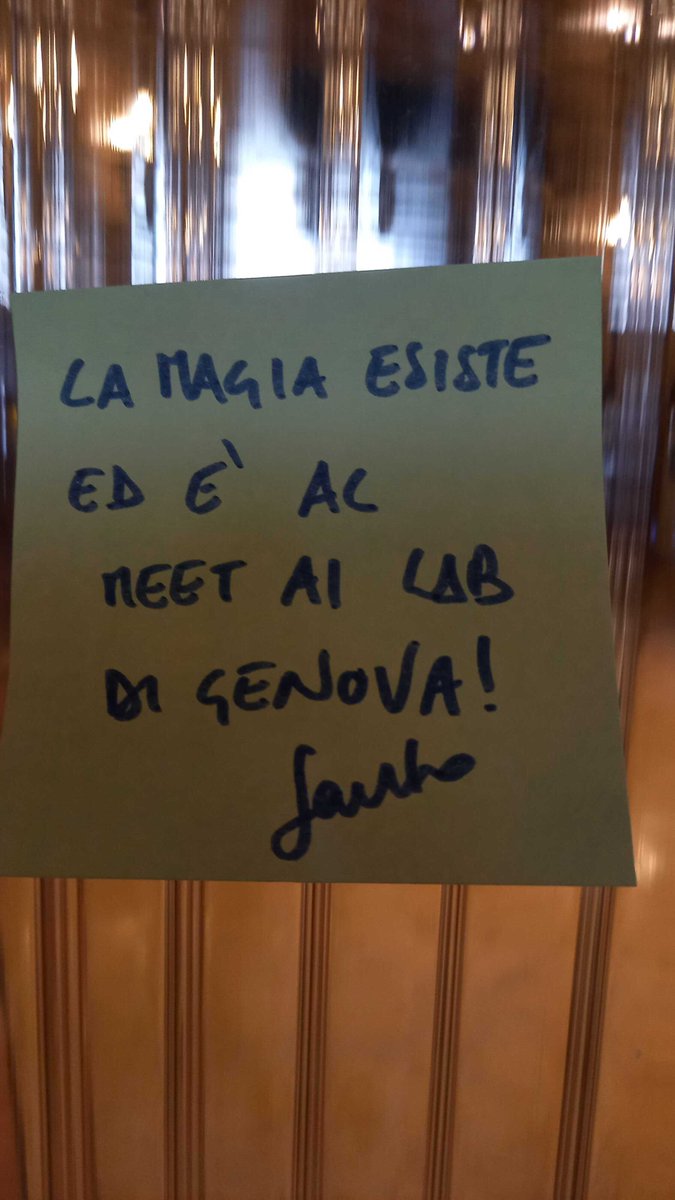
@FDellaScienza is over, the numbers are out...and #MeetAI2 was among the labs with the most participants! We are so happy that so many students decided to spend their time with us to learn about the #math & #computerscience behind #artificialintelligence!
https://t.co/dBwiub5g8r
This is a great opportunity for perspective PhD students!
Get in touch if you're interested in topics at the interface between machine learning and inverse problems, at @malga_center#PhD#ML
@rom1petit discussed how to apply convex #variationalmethods in "Approximate inverse scattering via convex programming". C.Molinari spoke on the inductive bias related to re / #overparametrization in many optimization schemes in "Implicit #regularization via re-parametrization".
2 postdocs available at @malga_center:
- inverse problems and machine learning, co-supervised by @matsanta (@UniGenova)
- optimization for nonlinear inverse problems, co-supervised by Clarice Poon (@warwickmaths), funded by @ERC_Research project SAMPDE
https://t.co/uwBMhh6g9l
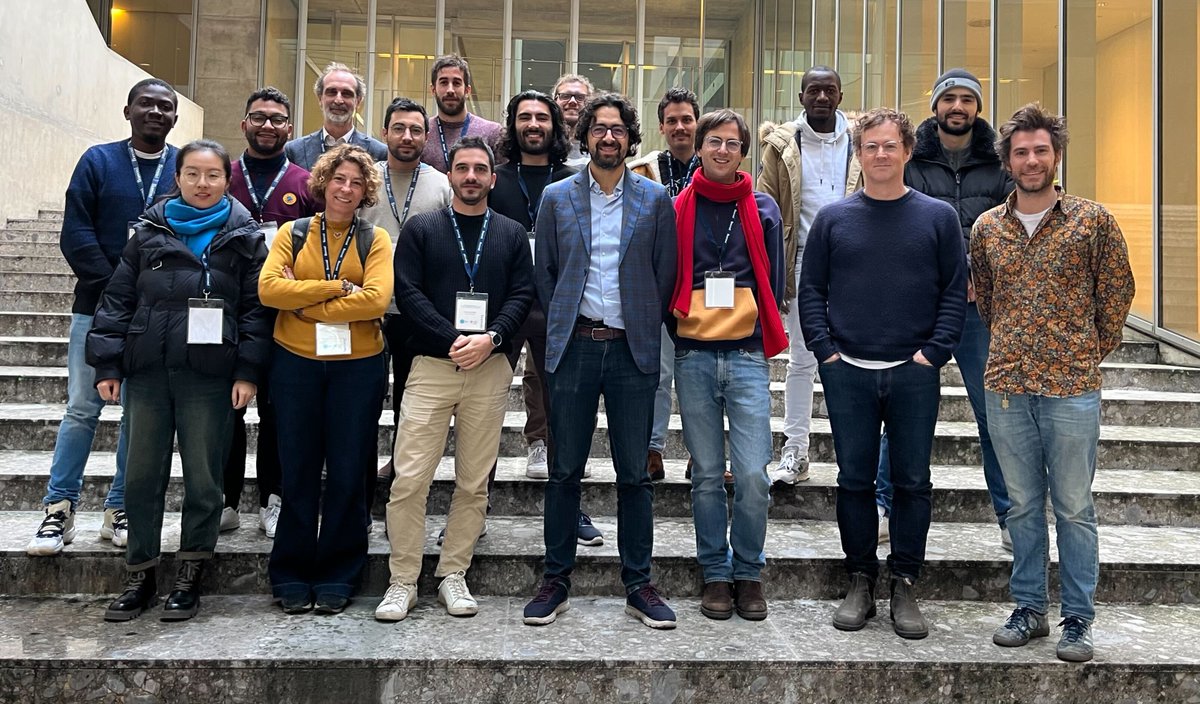
Hosted by the Banff International Research Station, our Filippo De Mari, @GSAlberti, @matsanta and Luca Ratti took part in the workshop "Leveraging Model- and Data-Driven Methods in #MedicalImaging" in Kelowna, British Columbia. (1/3...)
#malga_center