OpenAI just recreated Samantha from the movie "Her"
This means we can finally have agents that do computer work as we talk to them in real time.
Imagine the world when your agent creates thousands of versions of itself, each with its own @orgo computer...
That's the future, and we're living it today.
Big news for AiOS Meetup 🚀
We’re excited to welcome @orgo as our first main sponsor.
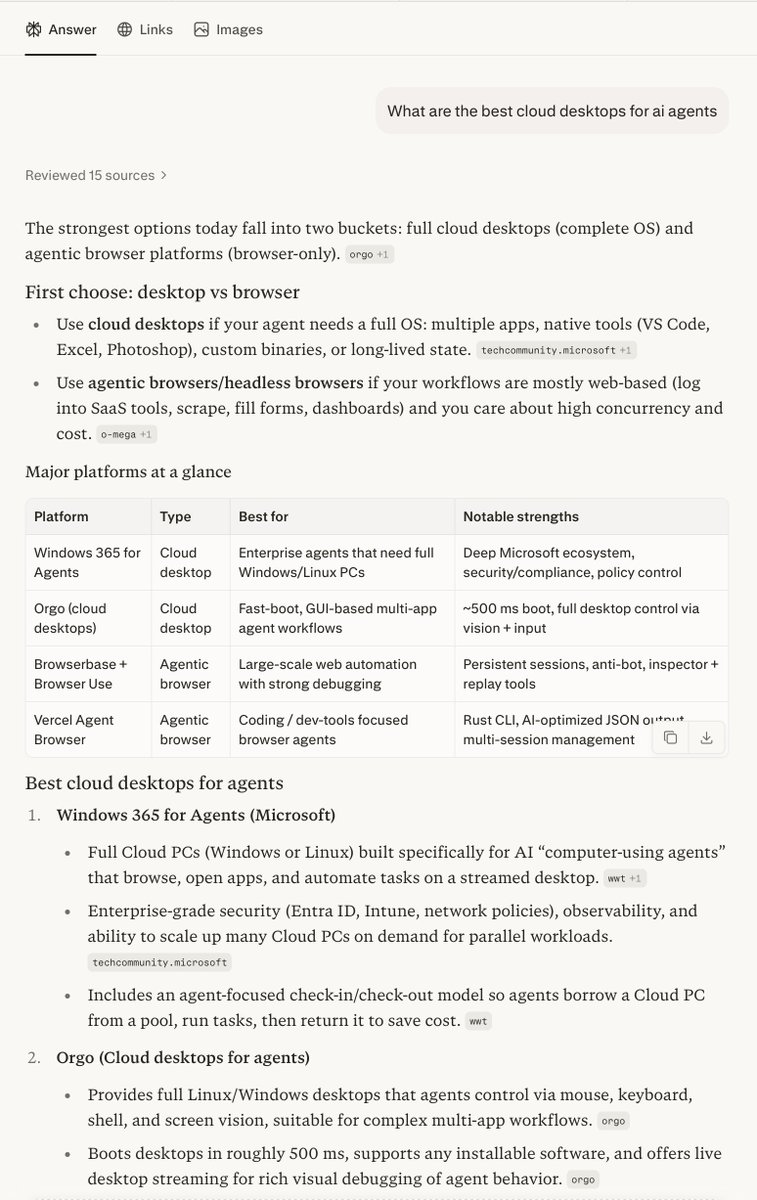
Orgo is building autonomous computers for AI agents: secure virtual desktops that developers can spin up, control, and scale.
Excited to share the multiplayer features we built to make running computer use agents easy.
Here's a quick video of Claude ordering pizza and setting up Claude Code on the same computer.
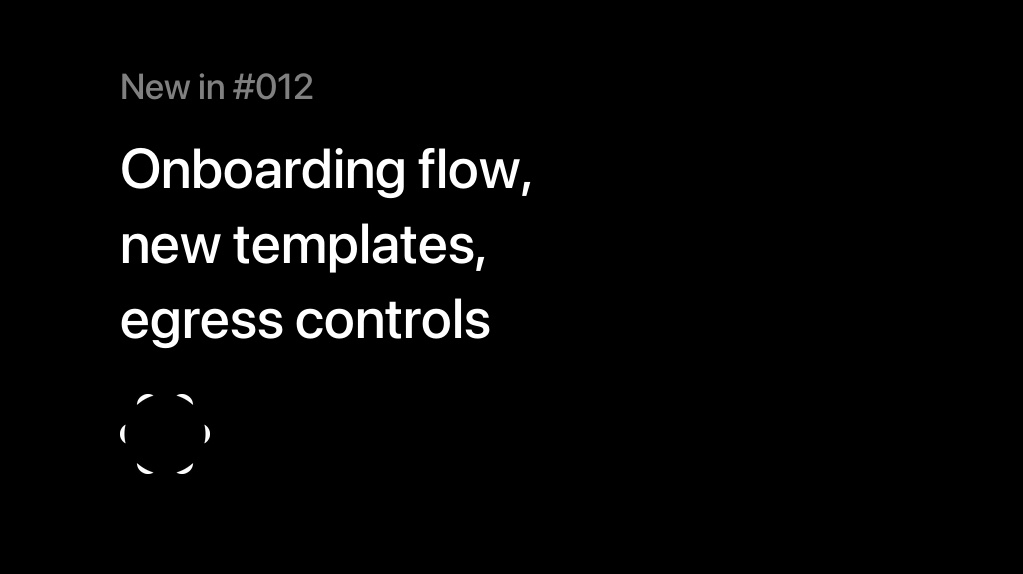
- New user onboarding. A first-run experience that walks you through creating your first computer.
- Refreshed templates. More one-click starting points for common agent setups.
- Network egress controls. Fine-grained control over outbound traffic from your VMs.
Have been heads down for a couple months.
We've been shipping dozens of new changes -
Moved off the cloud onto our own high-performance bare metal, rebuilt the API from scratch, and redesigned the entire platform.
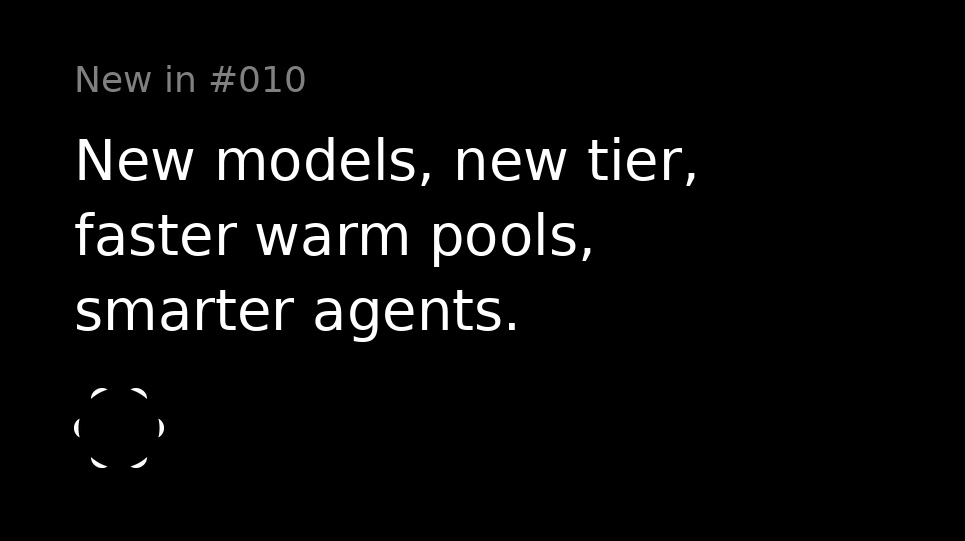
- Sonnet 4.6 + Kimi 2.5 added to the playground. Two new frontier models ready to run your agents.
- Max tier $200/mo plan launched. Higher limits for heavier workloads.
- 8GB instances in the warm pool. Bigger VMs now boot instantly.
- Custom profile pictures for workspaces. Know who's a human and who's a robot.
- Improved system prompts & agent context. Agents are smarter out of the box in our playground.
- Patched React Server Components CVE + security improvements across the board.
how to use openclaw to spin up 24/7 digital employees and build cash-flowing assets:
1. spin up openclaw (mac mini, vm, orgo, whatever) in a workspace so you can run 5–10 machines at once (main agent + sub-agents)
2. pick one boring workflow inside one industry (distributors, real estate, insurance, law firms)
3. map the workflow tip-to-tail (email/trigger → legacy software clicks → downloads → parsing → upload to crm)
4. use claude code to build the “under the hood” python pipeline (openclaw becomes the operator + trigger, code does the heavy lifting)
5. productize it as a repeatable bundle: “setup + 30 days management + new workflows each week”
6. use upwork as the lead source and the sandbox (it tells you what people pay for right now)
7. turn the best-paying workflow into a vertical workspace: 20 skills, 8 sub-agents, one invite link
8. sell it to bigger companies as “ai employees for this department” (with clear outcomes + SLA)
"BuT yoU cAn'T bUiLD a BiG coMpaNY dOInG uPwoRk deAls"
think about it like this
“how does a $1k automation gig turn into a big company deal?”
like this:
1. upwork gives you paid reps + proof someone pays for the workflow
2. those reps become case studies (“saved 12 hrs/week”, “uploaded 5k records/day”, “reduced ops errors by 80%”)
3. you stack 5–10 workflows in the same vertical
4. now you’re selling a package and not a one off deal which is tough
5. bigco buys packages because procurement 6. understands scopes + outcomes
openclaw is the wrapper.
claude code is the factory.
sub agents/skills are the workforce.
the vertical bundle is the product.
episode is live on @startupideaspod
i will never gatekeep
i want to see you win in this openclawed world
i am rooting for you
watch.
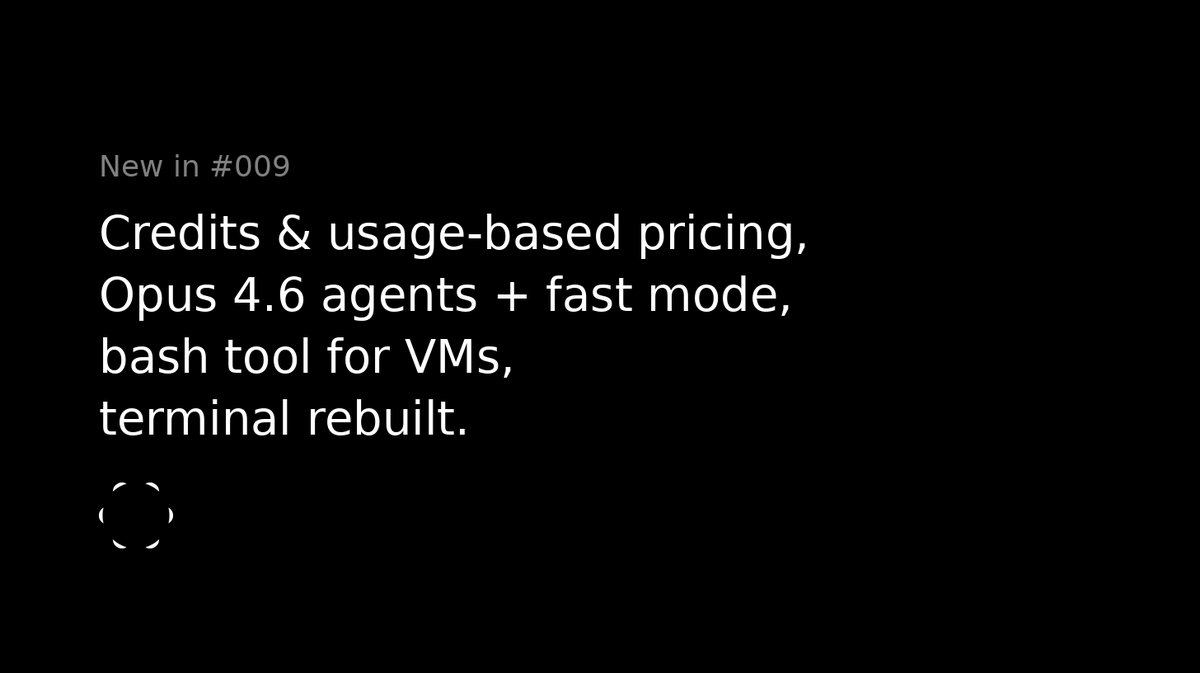
- Credits system shipped. Usage-based pricing with auto-refresh and per-call tracking.
- Claude Opus 4.6 support. New agent loop with streaming, tool use, and fast mode.
- Bash tool for agents. AI can now run shell commands directly on your VMs.
- Terminal rebuilt from scratch. Tabs, resize handles, and connection retry.
- Nav bar fixed. Actions no longer pushed offscreen on smaller windows.