THEY ARE NOT "BORING ASS SUITSS." THEY REQUIRE LAYERS OF HAIRCLOTH, CANVAS, AND PADDING, WHICH ARE SHAPED THROUGH PAD STITCHING, DARTS, AND IRONWORK TO ACHIEVE A CERTAIN SILHOUETTE. NOT EVERYONE HAS THE PERSONALITY TO PULL OFF AN AVANT-GARDE OUTFIT AT THE MET GALA SO BLACK TIE I—
I respectfully disagree. I think these sorts of details are popular among men just getting into tailored clothing because they're a cheap way to supposedly make a shirt look expensive. But, like contrast-colored buttonholes, they often detract from an outfit because they become a distracting focal point, rather than adding to a coherent whole. Plus, these things are typically made on machines that bang these out in seconds — there's no craft to it at all.
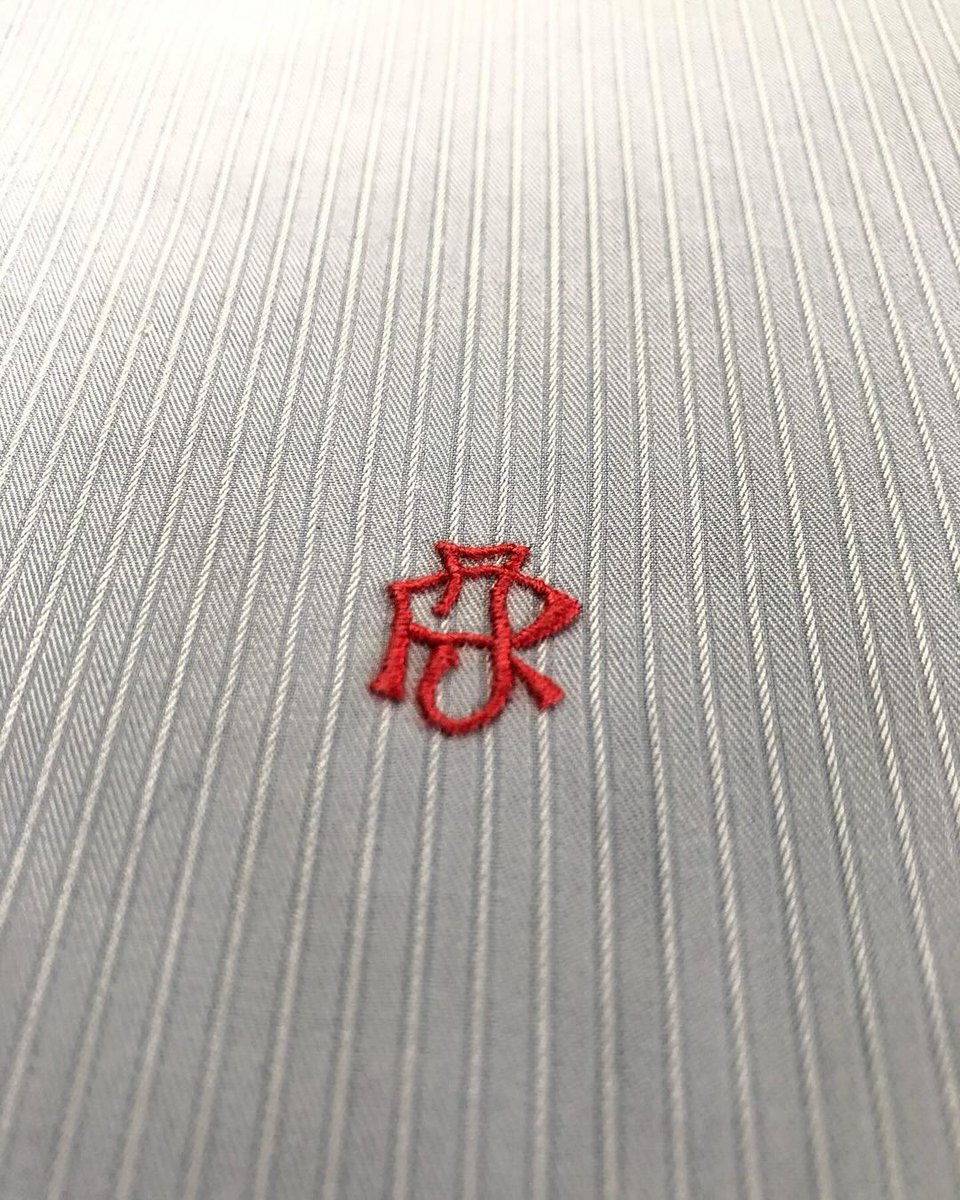
There are rare exceptions. Marc Lauwers is a French bespoke shirtmaker who has worked for all of the top-end bespoke tailoring firms in Paris, including Charvet, Lanvin, and Francesco Smalto. Nowadays, he operates under his own banner. After making you a fully bespoke shirt, he can add a hand-embroidered monogram on your garment, if you wish.
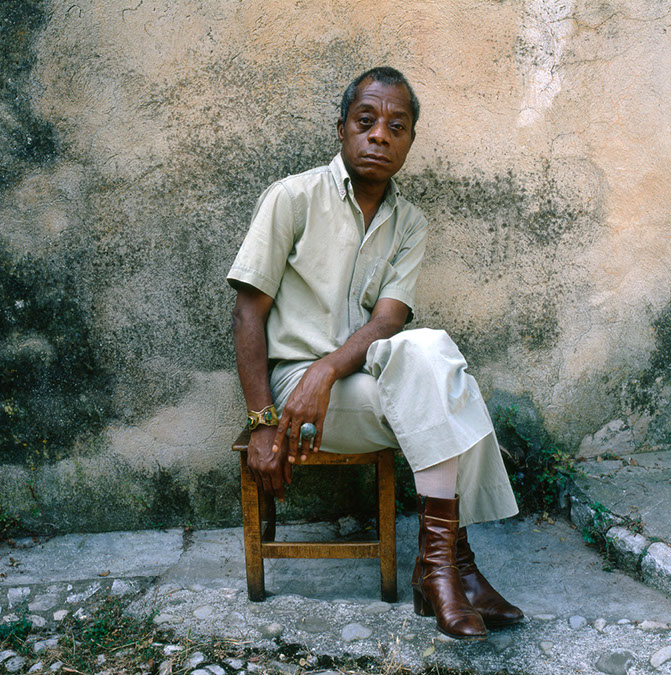
This includes a true monogram, not a cipher, which is often mistaken for monograms online. A monogram is a design where two or more letters have been placed in such a way that they share common elements, such that you can't remove one letter without making the entire design nonsensical. In slide one, we see a true monogram. Notice that you can't remove the A or the B without ruining the other letter. The Louis Vuitton logo (LV) is an example of a cipher.
In slide two, we see a cipher that Lauwers hand-embroidered on one of @RJdeMans's shirts (author of the wonderful book Swan Songs, which is about the rapidly disappearing world of craft-based French luxury). You can tell the difference between a handmade vs machine-made "monogram" by flipping the shirt over. If you see extra fabric on the underside of the "monogram," it was likely machine-made, as this material is used to stabilize the shirt fabric as the machine needle rapidly applies the detail.
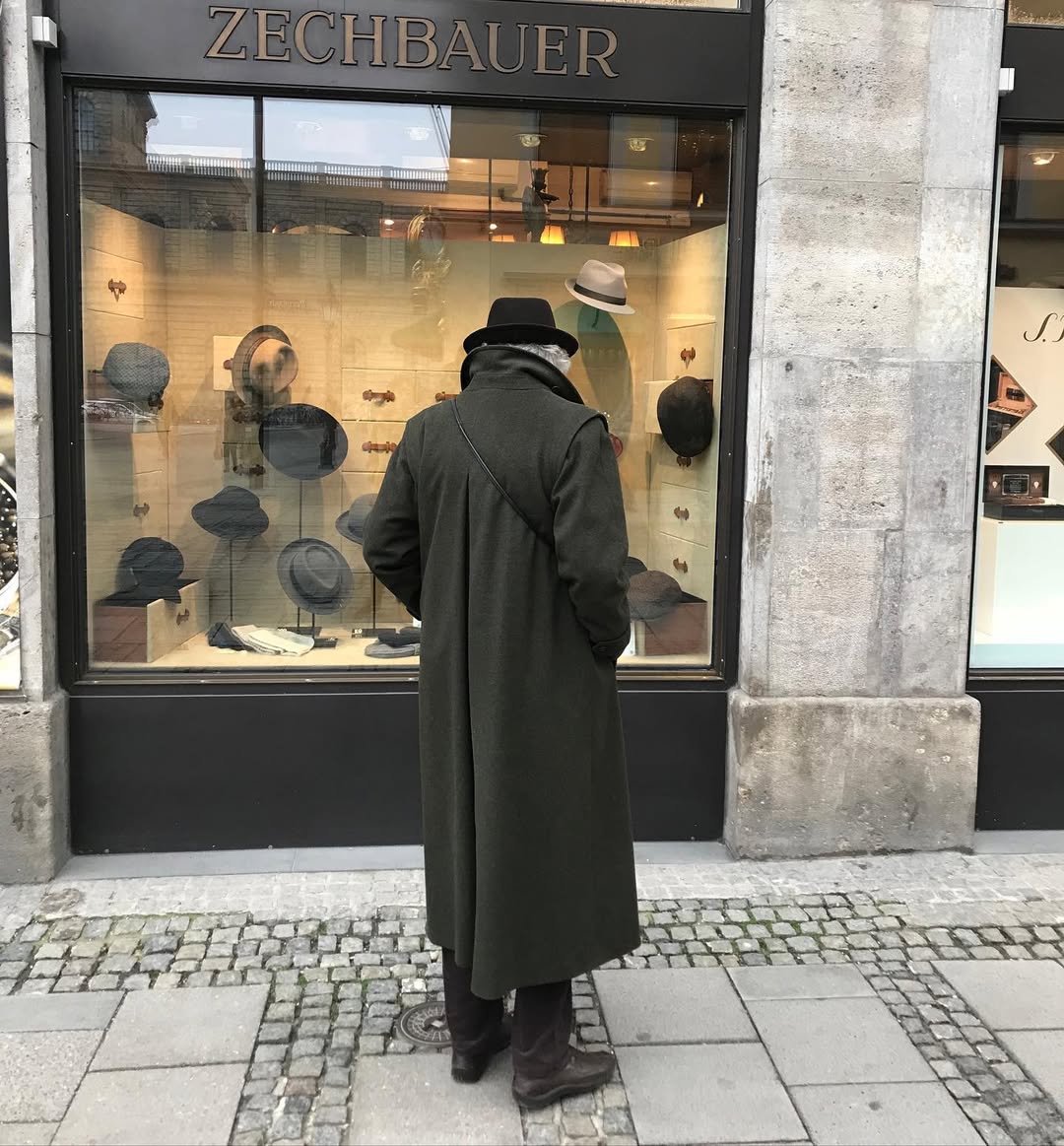
IMO, if you must get a shirt monogram, it looks best at the bottom rib, as shown in the third slide. This is where high-end shirtmakers historically placed monograms for clients (look up photos of Cary Grant, Vittorio De Sica, Humphrey Bogart, Alain Delon, and Ronald Reagan). Since men during this time often kept their jackets on, the monogram was rarely seen.
Why not add these fun details in more conspicuous places?
Two reasons. First, I think men are prone to "jazzing" a tailored outfit with these little doodads when they should focus more on fit and silhouette. We can think of Sec. Pete Hegeseth, who wears his dark worsted suits with a USA flag belt, USA flag pocket square, fun socks, contrast buttonholes, bracelets, and all sorts of other things. Instead of focusing on all these pieces of "flair," he should see a new tailor. When the fit and silhouette are good, you don't need this stuff.
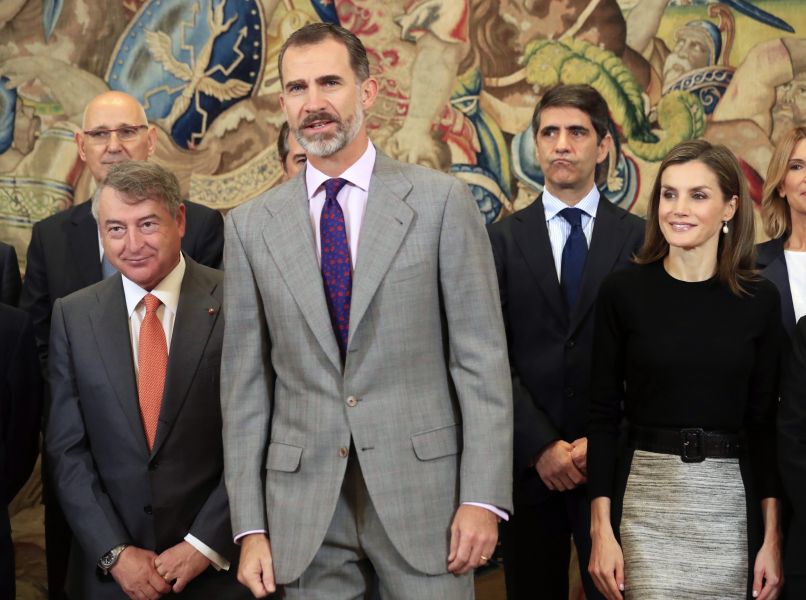
Second, adding them can sometimes detract from an outfit. In the fourth and final slide, we see a beautifully dressed King of Spain. Notice where your eye is drawn in that photo. The cynosure of a tailored outfit is the V-shaped section formed by the jacket's front edge, the shirt, and the necktie (if you're wearing one). This leads the viewer's eye up to your face, making you the center of attention. In this way, you are wearing the outfit, not the other way around.
These are not hard and fast rules. The other week, I had dinner with a tailor who wore a charcoal chalkstripe suit with black penny loafers and a gold bracelet reminiscent of Cartier's Santos (the gold bracelet version, not the watch). My eyes naturally darted to his wrist, but I thought it added something to the otherwise conservative ensemble. Of course, men also wear watches and pocket squares, although I think these things are so normal, they mostly disappear from view.
I would just say that you should choose these details judiciously. Online, details come into focus, as people post close-up photos of cool socks, bright bracelets, and cuff monograms. They can look great when contained with the borders of a photo. But when put into the context of an actual outfit that moves through the world, they can look a bit goofy. IMO, would be better to think first about fit and silhouette, and then how to create an outfit that works as a harmonious whole.
"why buy a watch when your phone has the time?"
because i love the fact that someone made this by hand, even the parts that no one except a watchmaker will see. i'm fascinated by it for the same reason why handpainted art holds my attention more than AI art
IG peterelliotglomb
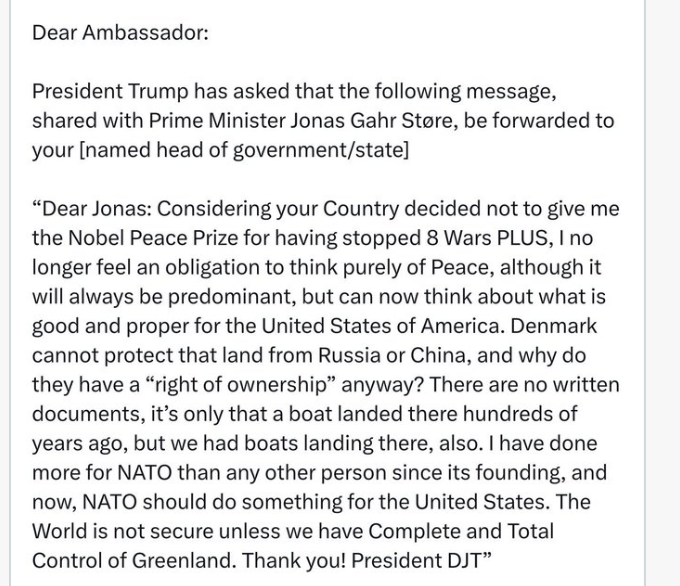
This isn't satire. No jokes. This is the President of the United States telling Norway that he's going to take Greenland from Denmark because Norway didn't give him a peace prize.
This isn't Orange Man Bad. This is Orange Man Mad.
Her er lista over selskaper som betaler mest skatt i verden
Norske Equinor er på 3.plass, kun «slått» av Saudi Aramco og Apple
Mer enn Berkshire Hathaway, Alphabet, Microsoft og alle andre selskaper
Godt vi ikke trenger denne velferden fremover og at olja skal utfases raskt
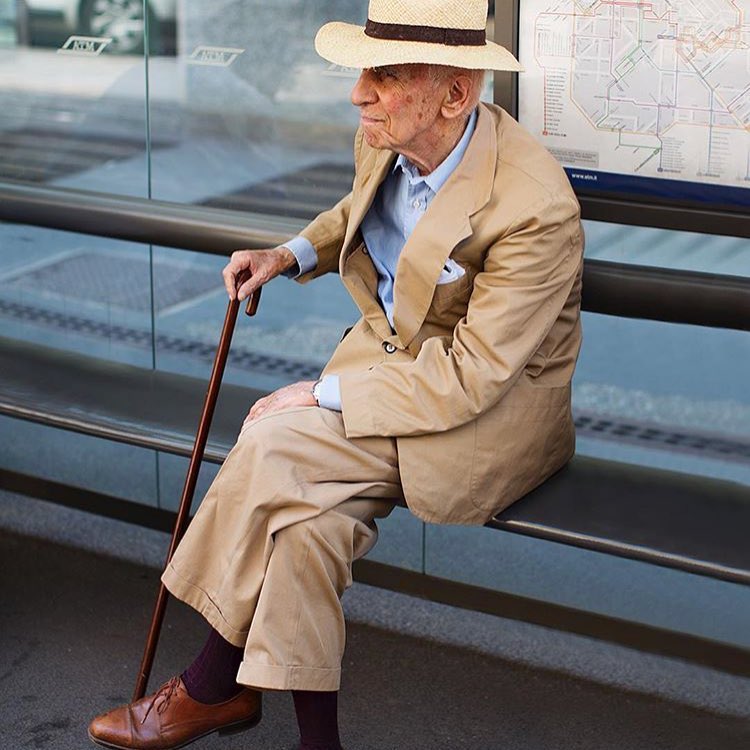
regular people being beautifully dressed and being able to get around at age 70 bc they live in walkable neighborhoods is the kind of thing the american mind simply cannot comprehend
Of course, there were exceptions. Brooks Brothers, the premier US clothier of the time, sold oxford button-down shirts in a range of Easter egg colors. Miles Davis famously wore a pale green one on the cover of his 1958 album Milestones. But you'll notice: all colors are light.
it's funny to me that alpha male style accounts on here get excited about gucci horsebits and $$$ sport watches, but guys who are really into tailoring are like "wow pre-marks-and-spencer button-down," "perfect front-to-back rise ratio," "vestrucci suit made before he retired"