The simmer pot has entered the room.
Tonight’s simmer pot: a few grapefruit slices, star anise, cloves, whole nutmeg, cinnamon, apples, and a splash of vanilla…
We had a baptism to day at church!
The Last Sunday after Trinity 11/22/2026
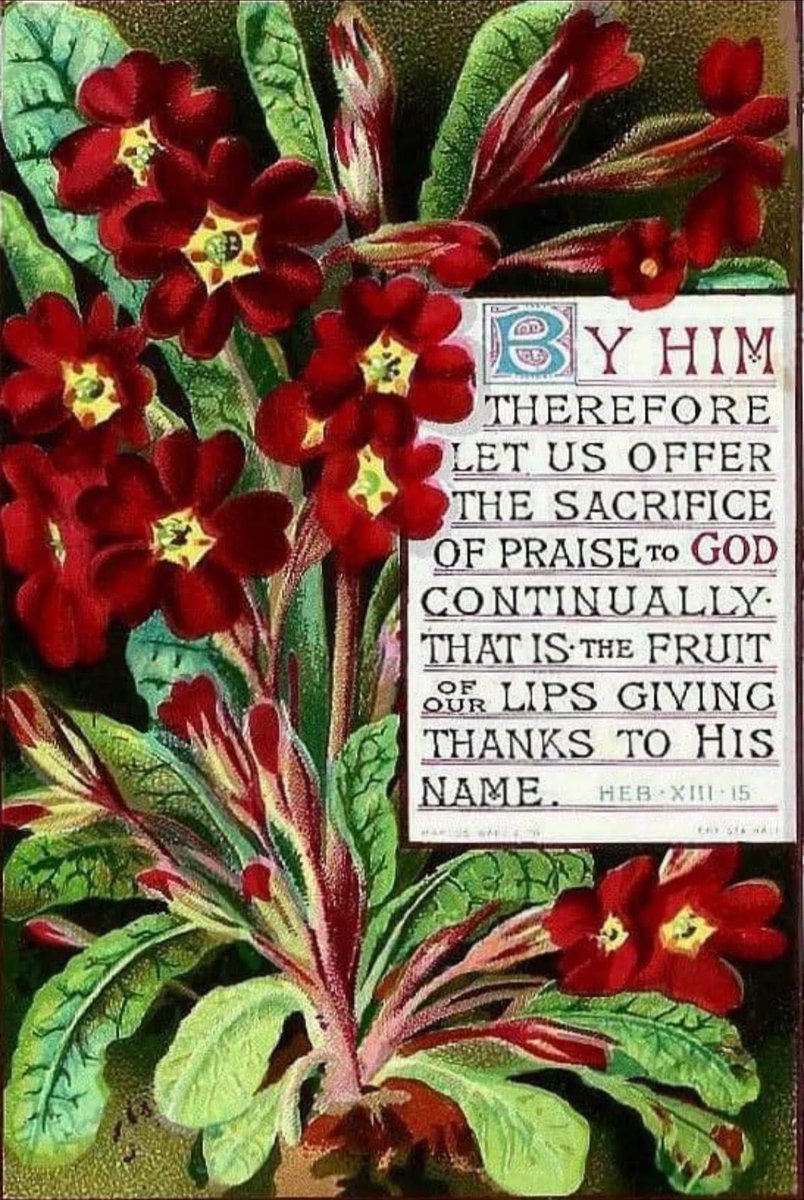
Drawing from Isaiah 11:1 ("a shoot will come up from the stump of Jesse"), the hymn celebrates Christ as a tender, vibrant rose blooming unexpectedly in the cold dead of winter, bringing warmth, color, and salvation into a dark world.
From Lutheran Hymnody: "Lo, How a Rose E’er Blooming" (Es ist ein Ros entsprungen) One of the most beloved hymns in the Lutheran tradition, with lyrics harmonized by Lutheran composer Michael Praetorius in 1609, centers entirely on the imagery of a blooming rose.
The proper distinction between Law and Gospel is everything. When people wield the Law without the Gospel, or reduce a grave sin like abortion to an online trend for clout, they aren't defending truth, they are stripping away the very forgiveness Christ died to give.
Lord, let me be a swan that sings Thy praise in life and in death, clothed in the white feathers of Thy righteousness.
The Lutheran Confession (17th Century)
I have plagiarized the work of others. This was wrong, and it was sinful. Over the years, I allowed myself to develop justifications for my actions, minimizing their seriousness and, at times, even pushing them so far from my mind that I failed to reckon with what I had done. These patterns have affected far more of my work than I ever wanted to acknowledge.
I do not want to simply move past this or treat it as something to be managed. I deeply regret my initial defensive and dishonest response to the accusations, and my involvement of others in that response. I want to face all of this truthfully, accept the consequences of my actions, and do what I can to make things right.
My heart has always been to tell people about Jesus, to share the gospel, and to help others discover the beauty and richness of the Bible and its history. But having a good desire does not excuse the ways I have fallen short in pursuing it. I have clearly failed to uphold the standards of integrity that I have encouraged others to value. That failure is mine, and I take responsibility for it. One of the things that grieves me most is the reality that, through my own actions, I have undeniably brought reproach upon the very gospel I have spent so much of my life seeking to proclaim. The truth of the gospel is never served by dishonesty in the way we communicate it. I cannot justify my actions by appealing to my intentions.
In my sin and failing, I have wronged those who have trusted me and sought to learn from me, and have wronged those whose work I treated as my own. To those individuals, and to everyone who has trusted me and my work, I am deeply sorry. I ask for your forgiveness, recognizing that forgiveness cannot be demanded and that rebuilding trust, if it is possible, will take time.
As I step back from my ministry and church work, I am submitting myself fully to Apologetics Canada's in-depth review, and to any academic disciplinary process I will be subject to. I will also be under the care and counsel of my church and elders.
Above all, I want to walk through this with genuine repentance before God, and with humility toward those I have wronged. I know that repentance is more than words, and I recognize that it will need to be demonstrated through my actions going forward. My prayer is that God would use this painful season to confront what needs to change in me and to lead me toward genuine repentance.
My soul feels grieved by this situation. My heart is heavy. And my guilt at times has felt like it will swallow me whole. I am grateful for those who can still find it in their hearts to pray for me and my family.
My daughter said my stitched up incision on the outside of my arm makes me look ‘bad ass’ ~her words. I wear it with honor.
Sometimes life leaves wounds and God binds them up.
Archaeologist Volker Michael Strocka considered it one of the strongest pieces of evidence for knowledge of Christianity in Pompeii, potentially making it among the earliest archaeological references to Christians.
(Via the work of D.C. Larsen) (3/3)
The “Christianos” graffito from Pompeii was a charcoal inscription discovered in 1862 on the wall of a room in an ancient Roman inn. It apparently mocked a man named Bovios for listening to Christians, referring to them as “cruel haters.” 🧵 (1/3)
The inscription must date to before AD 79, when Mount Vesuvius erupted and buried Pompeii in volcanic ash. Although the writing deteriorated shortly after its discovery, three 19th-century witnesses recorded versions containing Christianos or Christiani. (2/3)
The irony of seeing people post things left and right on this site with zero attribution, while acting dogmatic about literally everything else, shouldn’t be lost on anyone.