Instructional Professor at @UChi_Economics. PhD in Econ from @UHouston, MS from @CEEColmex. Former @Banxico economist. Labor Econ and Applied Econometrics.
Celebrating a Successful ASHE Program at the WEAI2026.
The sessions featured outstanding papers, insightful discussions, and strong attendance throughout.
Special thanks to Anita Alves Pena and Fernando Lozano. Congrats to all participants who made these sessions a success!
@drescamillag@ekosack@EconZach Evidence from Mexico joint w/@clementeavila@oscargalvez89
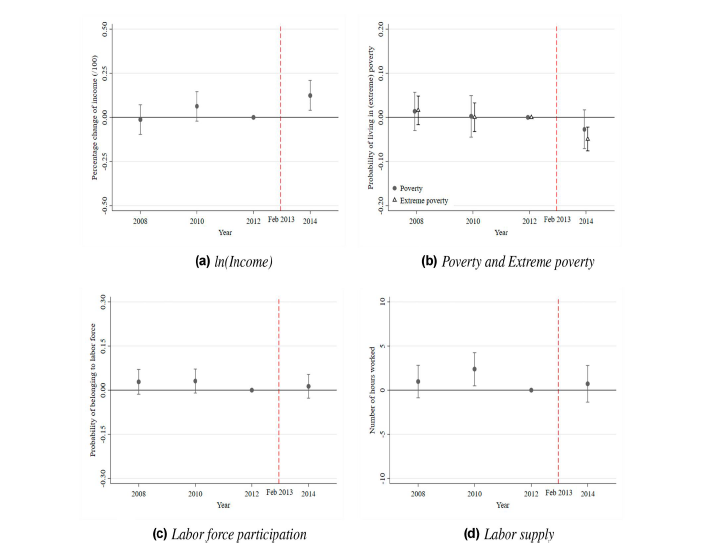
that expansion of social pensions in Mexico ⬇️ old-age poverty, without shifting labor force participation -0 published in Economic Inquiry
https://t.co/pWTlA2Bg8U
What happens to land markets when #fuel policy boosts demand for #crops?
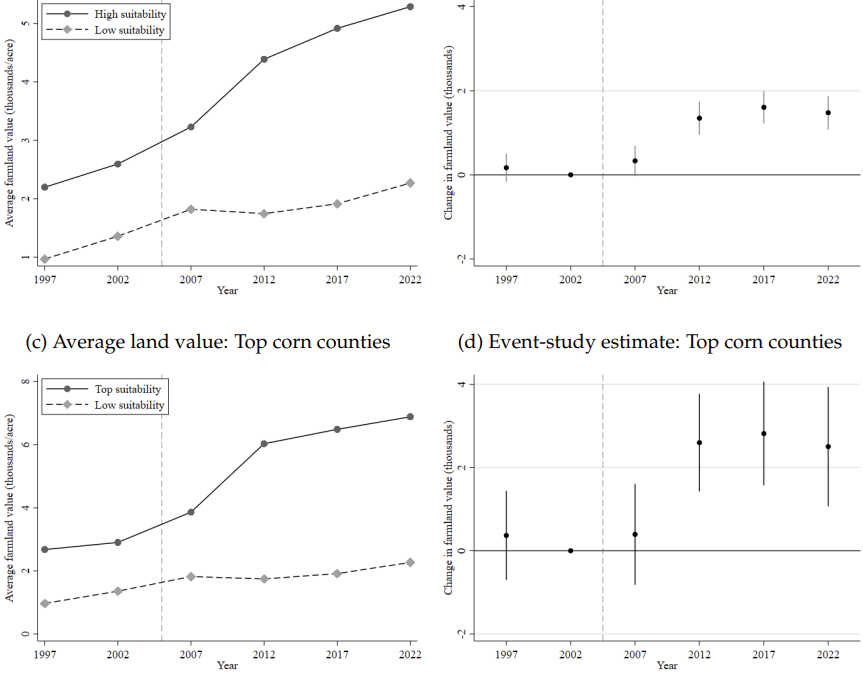
In a recent @AEPP_AAEA paper with @HoanhLe7, we find that the US ethanol boom caused increases in farmland values in the Midwest: 44% on avg and 67% in the most productive counties
https://t.co/SvbQ6N1XxG
We provide both theoretical and empirical evidence that, contrary to the traditional view, the ethanol boom increased farmland values not only through higher corn prices, but also through a rise in the demand for land, which we isolate by focusing on counties at their ag frontier
In my talk, I’ll discuss the unintended effects of the universalization of Mexico’s social pension program, including its impacts on labor supply and poverty.
Would love to see you there and continue the conversation!
Heading to Tampa for the #SEA conference this weekend! 🇺🇸✈️
If you’ll be there, make sure to check out our session on Current Issues in the Mexican Economy 🇲🇽📊
Lots of exciting work being presented!
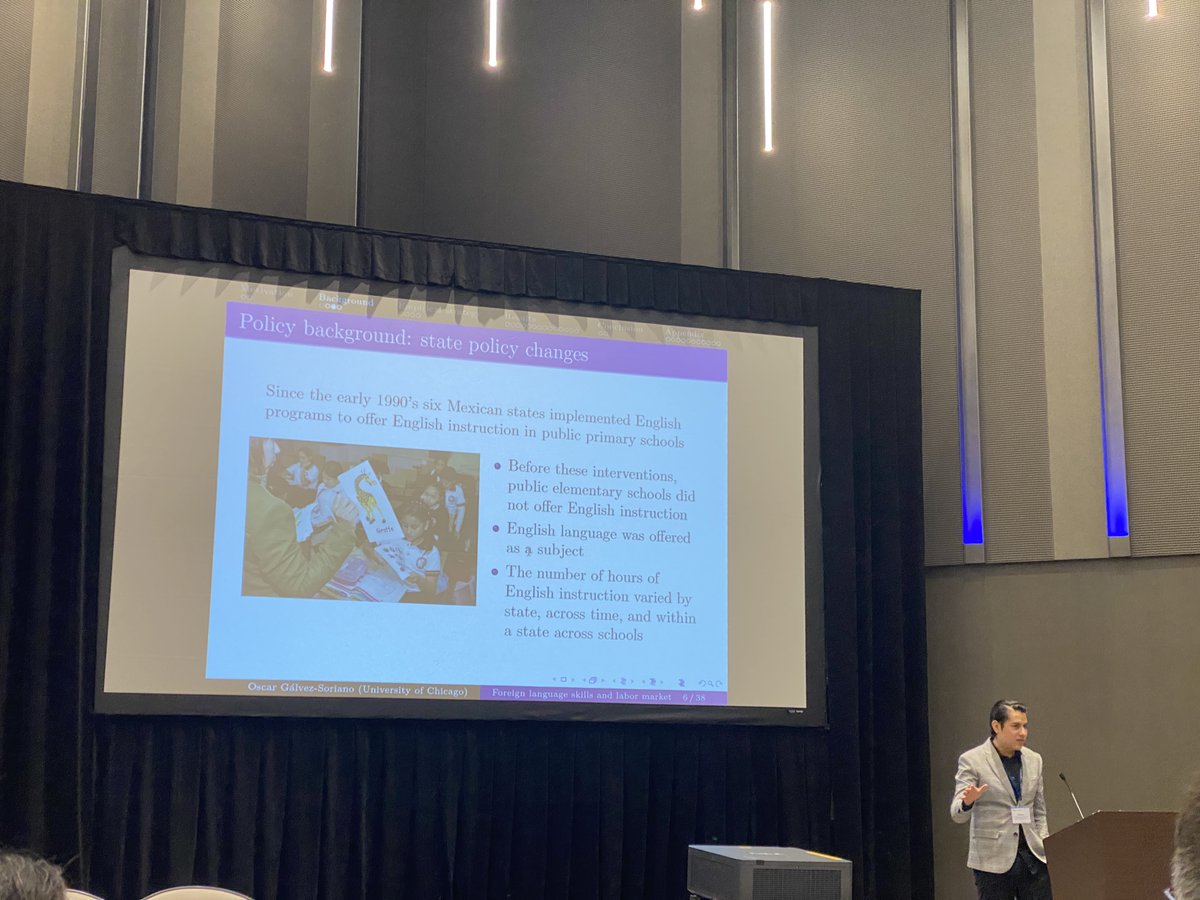
¿Cuáles son los efectos de la instrucción de inglés en el mercado laboral en un país no angloparlante?
Conoce "Foreign language skills and labor market outcomes: The case of English in Mexico", #artículo del Dr. @oscargalvez89, #Colmecaalumni@CEEColmex.
https://t.co/AhP8mPEAEi
The English programs increased the labor force participation of low-education Mexicans who would have otherwise remained inactive (NiNis), thereby expanding labor supply and slightly reducing labor demand.
Thrilled to share that my paper “Foreign language skills and labor market outcomes: The case of English in Mexico” has just been published in Economics of Education Review! 🎉
You can read or download it for free here:
🔗 https://t.co/Kygc4TS9es
#EconTwitter#LaborEconomics
However, I find no positive effects on #wages despite the improvements in workers’ #productivity. The emprirical evidence points to general equilibrium effects.
Tomorrow, I will be talking about “The Migration Consequences of English-Language Education” at SEA 94th Annual Meeting. This is a coauthored paper with @drescamillag and @raissafabregas. Please check out my talk if you're attending the event! #SEA2024
New study by @oscargalvez89 finds English instruction in Mexican elementary schools increased English proficiency, school enrollment, and labor supply, especially for women and low-education individuals. It didn't affect wages and negatively impacted women's well-being. @weai_org